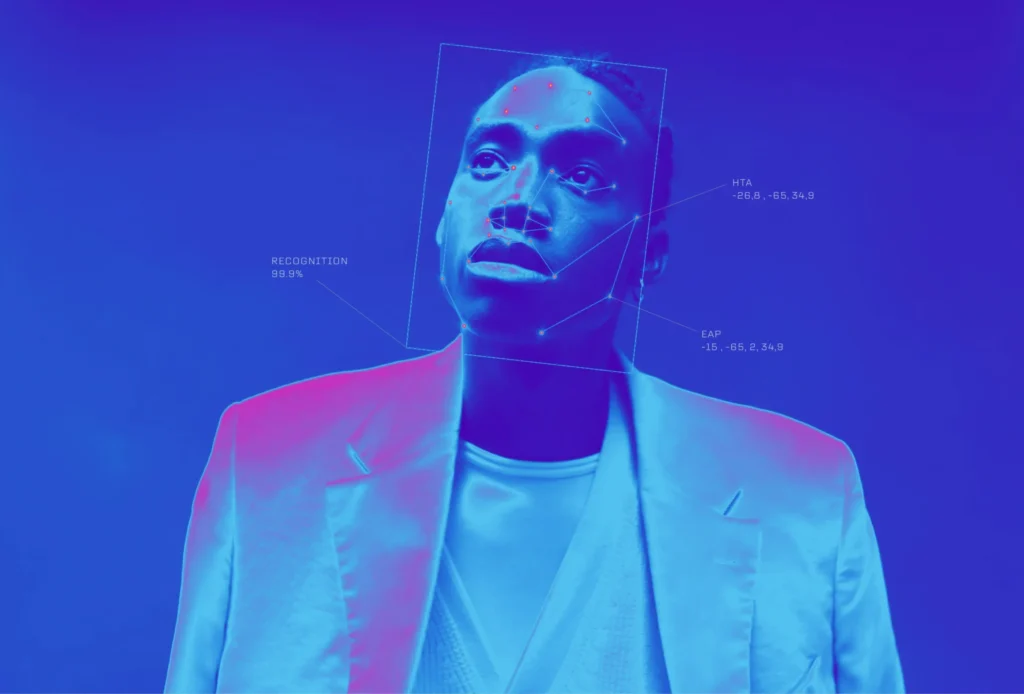
Workplace monitoring has evolved significantly, moving beyond simple tracking of employee presence at desks or system logins. Now, artificial intelligence is being developed to interpret something far more personal: human emotions. This emerging technology, known as Emotion AI, analyzes facial expressions, body language, and vocal tones to infer an individual’s emotional state. Companies are increasingly exploring its potential applications in areas like employee training, workplace safety, hiring, and performance management, according to research from Korn Ferry. However, this advancement raises significant ethical and practical concerns about privacy, accuracy, and the potential for misinterpretation in the professional environment.
The core of Emotion AI lies in its ability to process a range of behavioral signals to gauge how someone is feeling. This can include micro-expressions that flash across a face, subtle shifts in posture, or variations in vocal pitch and cadence. While proponents suggest these technologies can offer valuable insights for improving employee well-being and operational efficiency, critics point to the inherent subjectivity and potential for error in such interpretations. A frown of concentration, for instance, could be mistaken by an algorithm for distress or disengagement, leading to potentially unwarranted interventions or judgments.
Expanding Surveillance Beyond the Screen
The advent of Emotion AI marks a profound shift in the landscape of corporate oversight. For years, employers have increasingly adopted various forms of monitoring. Data suggests that as of 2026, over 70% of employees are subjected to some form of corporate surveillance. This has traditionally included software that tracks keystrokes, monitors internet usage, or logs time spent on specific applications. More recently, the focus has expanded to include physical presence, with systems designed to verify attendance and monitor movement within office spaces. The integration of Emotion AI takes this trend into uncharted territory, venturing into the interpretation of internal human states.
Research from Korn Ferry highlights the growing exploration of Emotion AI across various business functions. In employee training, it could theoretically provide feedback on how trainees are responding to material, indicating areas of confusion or engagement. For workplace safety, particularly in high-risk environments like factories or warehouses, identifying signs of distraction or fatigue could be framed as a preventative measure against accidents. In recruitment, some systems are being piloted to assess candidate suitability based on their emotional responses during interviews. Performance management, too, is a key area, with the potential for AI to flag employees perceived as disengaged or stressed, though this is perhaps the most contentious application.
The Peril of Misinterpretation and Privacy Erosion
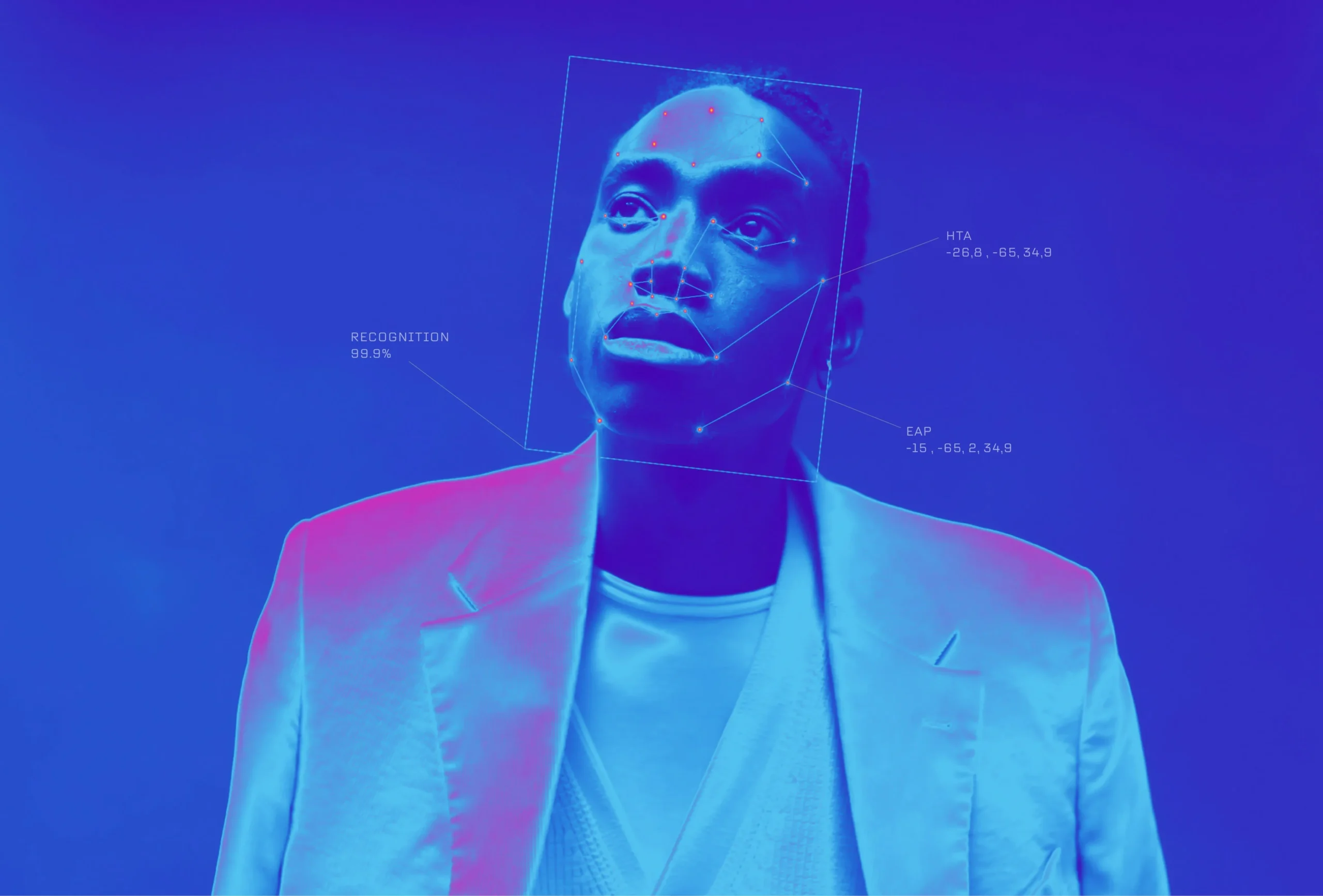
The fundamental challenge with Emotion AI lies in its inherent subjectivity and the potential for misattribution. An expression that an algorithm interprets as anxiety might be entirely unrelated to work. An employee could be preoccupied with a personal matter, receiving an urgent family notification via their mobile device, or simply engrossed in a complex problem. If such a state is misconstrued as a sign of workplace distress or underperformance, it could lead to managers intervening based on flawed data.
Korn Ferry illustrates a hypothetical scenario where an employee arrives at work after receiving a distressing call about their child. Facial recognition technology flags their worried expression as anxiety, prompting a manager to initiate a "check-in." While the intention might be to offer support, the technology has effectively transformed a private moment into a workplace concern, potentially creating an unnecessary layer of scrutiny for the employee. This raises critical questions about where the boundaries of workplace monitoring should lie and what aspects of an individual’s life are considered off-limits.
The concern is amplified by the fact that this technology is increasingly being deployed in physical spaces, beyond the confines of an employee’s computer screen. Office cameras, sensors, and other connected devices can collect data passively, without direct interaction from the employee. This creates an environment where employees may not even be aware that their emotional states are being analyzed, further eroding privacy.
The Flex Office Conundrum: Community and Control
The rise of flexible and serviced office spaces introduces another layer of complexity to the deployment of Emotion AI. These operators are already leveraging technology to understand space utilization, tracking metrics like occupancy rates, meeting room bookings, and foot traffic patterns. Workspace management systems are adept at identifying peak usage times, popular areas, and overall building flow. The theoretical integration of Emotion AI could push this analysis further, aiming to quantify the human experience within these environments.

Flexible workspace operators often champion "community" as a core value proposition. This intangible asset is typically measured through indirect indicators like event attendance, member retention rates, and levels of participation. However, these metrics often fail to capture the nuanced, day-to-day emotional experience of individuals within the space. Emotion AI could, in principle, offer a novel data stream by assessing whether members appear engaged at events, if redesigned communal areas elicit positive reactions, or if certain environments inadvertently create discomfort.
The complication here is the diverse population within these spaces. Unlike a traditional single-tenant office, a flexible workspace houses individuals from numerous companies, along with visitors and guests. If Emotion AI were to be implemented, it would be analyzing the emotional states of a broad cross-section of people, many of whom are not direct employees of the workspace operator. This significantly magnifies the privacy concerns, as individuals may be subject to emotional surveillance without their explicit consent or even awareness, and their inferred emotional states could be used for purposes beyond their direct employment.
The Unproven Science: Reliability and Bias
Beyond the ethical considerations, a fundamental question remains: can Emotion AI reliably determine what someone is feeling? The technology is still in its nascent stages, and its accuracy is a subject of ongoing debate. Facial expressions and vocal tones are inherently ambiguous. A grimace of concentration can easily be mistaken for frustration. A sigh of relief might be interpreted as disappointment. The absence of contextual information can lead to significant misinterpretations.
Dennis Deans, Korn Ferry’s vice president of global human resources, voices particular concern about managers treating Emotion AI outputs as definitive evidence of an employee’s performance or disposition. "An employee who appears anxious, distracted, or disengaged is not necessarily going to perform poorly," Deans noted. "Using an inferred emotional state to make decisions about that employee could turn an uncertain measurement into a consequential judgment." This highlights the danger of conflating observable behaviors with internal emotional states and the potential for these interpretations to translate into tangible career consequences.
The distinction between using technology for aggregate trend analysis versus individual profiling is crucial. A system that identifies general patterns of stress or disengagement across a large group might offer insights into systemic issues within a workplace. However, when that system flags a specific individual, alerts a manager about their perceived emotional state, or influences performance reviews, the implications become far more personal and potentially detrimental. For flexible workspace operators, this same principle applies. Understanding broad patterns of space utilization and member sentiment might be beneficial for optimizing services, but creating individual profiles based on inferred emotions crosses a significant ethical boundary.

The Evolving Debate: Where Does Monitoring End?
The conversation surrounding AI-driven workplace monitoring is rapidly shifting from the question of if employers should track productivity to a more complex inquiry: are there aspects of human behavior that should remain outside the purview of workplace data collection, even when technology makes them measurable?
Emotion AI is likely to continue its development, driven by the potential for legitimate applications in areas like safety protocols and targeted training programs. However, the ability of a system to infer something about a person does not automatically confer a right for employers to know it, nor does it guarantee the reliability of that inference to the extent that action should be taken.
This critical distinction will be paramount for both traditional office owners and flexible workspace operators. Technology can undoubtedly enhance building responsiveness and provide valuable insights into space functionality. Nevertheless, there exists a clear line between understanding the operational dynamics of a workplace and overstepping into the complex, subjective realm of individual human emotion. As the capabilities of AI expand, the ethical framework governing its use in the workplace must evolve in tandem to ensure that technological advancement does not come at the cost of fundamental privacy and human dignity. The ongoing dialogue necessitates a careful consideration of the balance between operational efficiency, employee well-being, and the preservation of personal autonomy in an increasingly monitored professional landscape.