Employee recognition statistics offer HR leaders a crucial lens through which to understand the fundamental drivers of performance, engagement, and retention in today’s dynamic workplace. As organizations grapple with the increasing challenge of attracting and retaining top talent, a deep understanding of how recognition directly influences employee engagement and overall performance has become paramount. By grounding recognition strategies in empirical data, businesses can gain profound insights into employee motivation, empower managers with effective coaching techniques, and cultivate a robust company culture where every employee feels genuinely valued and appreciated.
Recent research from Harvard Business Review Analytic Services underscores that employee recognition transcends its role as a mere engagement tool, emerging instead as a significant catalyst for business success. A survey of 566 business leaders revealed that while a substantial 66% consider their organization’s reward and recognition program to be very important for influencing business performance, only 33% reported their program as being highly effective. This disparity highlights a substantial opportunity for organizations to refine their recognition initiatives, transforming them from a perfunctory activity into a measurable and potent business driver.
The Tangible Impact of Employee Rewards on Turnover
The influence of rewards and recognition on employee turnover is not confined to abstract sentiment; it is demonstrably reflected in tangible customer outcomes as well. Organizations that consciously integrate appreciation into the fabric of their daily operations frequently witness a marked improvement in employee engagement, higher participation rates in company initiatives, and a deeper sense of employee commitment.
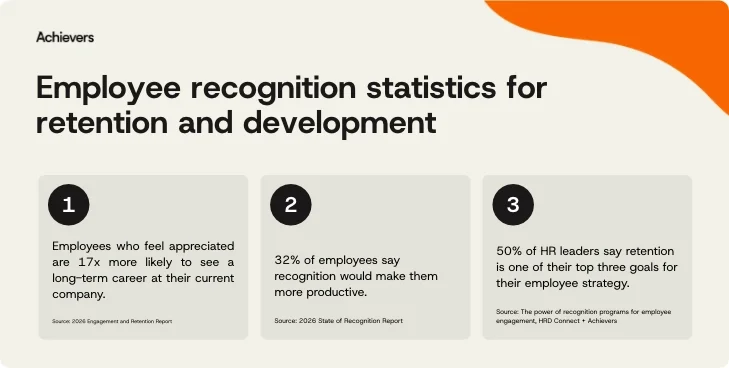
The Achievers Workforce Institute (AWI) reports that employees who feel genuinely appreciated are an astounding 17 times more likely to envision a long-term career with their current company. Further research from AWI indicates that a significant 75% of employees would have their decision to stay with a company influenced by the removal of rewards, underscoring the pivotal role these programs play in retention efforts.
Customer Success Stories: Recognition Fueling Engagement and Loyalty
Five Star Bank, a financial institution, embarked on a mission to invigorate employee engagement and forge a stronger connection between its workforce and its revitalized mission, vision, and values. Following the implementation of the Achievers platform and the seamless integration of recognition into daily workflows, the bank witnessed a remarkable 124% year-over-year increase in recognitions received and achieved an impressive 93% activation rate. This success story exemplifies how recognition can be effectively embedded as a visible and valued component of the employee experience.
In a separate initiative, another financial institution launched a peer-to-peer recognition campaign designed to foster a culture of appreciation. During this campaign, a striking 73% of employees sent at least one recognition, 92% received recognition, and the total number of recognitions sent surged by over 1,000%. This dramatic increase in participation and engagement illustrates the potent effect of cultivating a recognition-rich environment. These examples serve as powerful testaments to a broader trend identified by AWI research: when employees feel recognized and rewarded, engagement levels rise, inter-employee connections strengthen, and individuals are more inclined to see a future with their employer.
Recognition as a Driver of Business Performance
The benefits of employee recognition extend far beyond fostering a sense of personal value; effective programs demonstrably generate measurable business outcomes. A comprehensive report by Harvard Business Review delves into the significant difference between effective and ineffective recognition programs, revealing that organizations with leading programs are nearly three times more likely to experience gains in productivity, more than twice as likely to enhance customer experience, and over four times more likely to report increased revenue or profit margins. Furthermore, these leading organizations are significantly better positioned to execute strategic goals with greater speed and efficiency. Perhaps the most compelling indicator of recognition’s impact is that only 2% of leaders in companies with effective programs state that their program is not delivering business results, a stark contrast to the nearly one-third of laggards who report similar outcomes. Recognition, therefore, may originate from a place of appreciation, but its influence permeates and profoundly impacts all facets of organizational success.
The Definitive Link: Employee Recognition Programs and Turnover Reduction
The question of whether employee recognition programs effectively reduce turnover is unequivocally answered by a wealth of statistics on employee recognition and retention.
1. A 17x Greater Likelihood of Long-Term Careers: Employees who feel appreciated and engaged are 17 times more likely to see a long-term career at their current company. This statistic, derived from a survey of 3,500 employees and HR professionals across five global regions and published in the 2026 Engagement and Retention Report, highlights that fostering a sense of appreciation is fundamental to employee longevity. By celebrating efforts, accomplishments, and commendable behaviors, organizations can cultivate an environment where employees feel their contributions are valued, thereby reducing the impetus to seek opportunities elsewhere and encouraging internal growth.
2. Enthusiasm Fueled by Regular Recognition: A remarkable 82% of employees who are meaningfully recognized at least once a month report feeling enthusiastic about their jobs. This heightened energy is a direct consequence of feeling seen, valued, and intrinsically connected to their work. Insights from the Achievers Workforce Institute (AWI) indicate that consistent and genuine recognition cultivates a workforce that shows up with genuine enthusiasm, driven by intrinsic motivation rather than obligation.
3. The Engagement Power of Monthly Recognition: When recognition occurs monthly or more frequently, 45% of employees report being highly engaged at work. This finding emphasizes that consistent, habitual recognition, rather than sporadic grand gestures, is key to fostering deep employee connection and sustained motivation. Regular appreciation helps employees remain focused, invested, and genuinely committed to their roles.
4. The Cost of Unrecognized Effort: Employees who do not feel sufficiently recognized are twice as likely to indicate their intention to leave their job within the year. Gallup’s research consistently demonstrates that a deficiency in recognition directly correlates with increased employee turnover. Feeling valued is a critical factor in maintaining employee connection to both their work and their workplace. In environments where trust may be eroding, consistent recognition can re-establish psychological safety and provide compelling reasons for employees to remain.
5. A Significant Reduction in Voluntary Turnover: Companies with effective recognition programs report a 31% lower voluntary turnover rate. This significant decrease, as cited in SHRM’s interview with Disruptive HR, translates into substantial benefits for productivity, collaboration, and reduced recruitment and training costs. The implication is clear: when employees feel valued, they are more inclined to stay, develop, and contribute at their highest potential.
6. Mitigating the Impact of Understaffing: A notable 26% of employees suggest that feeling recognized for their efforts would help mitigate the impact of an understaffed team. While recognition cannot create more hours in the day, it serves as a powerful reminder that extra efforts are noticed and appreciated, thereby boosting morale during challenging periods.
7. Anchoring Employees Through Appreciation: A substantial 60% of employees state that feeling recognized for their efforts would decrease their desire to job hunt or entertain recruiters’ calls. AWI research indicates that recognition acts as an anchor, reducing the temptation for employees to seek opportunities elsewhere when they feel valued and appreciated in their current roles.
Recognition’s Influence on Organizational Success: Business Outcomes and Strategic Impact
The positive influence of recognition programs extends to critical organizational success metrics.

8. Productivity Gains: Organizations that prioritize employee recognition witness a 21% increase in productivity. This boost, as documented by AWI, stems from employees understanding that their work is meaningful and impactful. Recognition reinforces behaviors that drive focus, commitment, and ultimately, superior results.
9. The Productivity Potential of Recognition: A significant 32% of employees believe that recognition would enhance their productivity. Findings from AWI’s latest State of Recognition Report, which surveyed 2,500 employees globally, suggest that this belief is well-founded, distinguishing between a highly engaged, high-performing workforce and one where employees are passively exploring alternative employment.
10. Retention as a Top HR Priority: A substantial 50% of HR leaders surveyed identify employee retention as one of their top three strategic goals. This widespread focus underscores the critical nature of keeping valuable employees. Research by Achievers and HRD Connect positions recognition as one of the most effective and sustainable strategies for achieving this objective, proving that timely appreciation can prevent valuable talent from departing.
11. The Cultural Indicator Dip: Employee sentiment regarding culture, connection, and recognition experienced a decline in Q3 2024, with the Culture Indicator dropping from 104.2 to 101.9. This fluctuation, as noted by Eagle Hill’s Culture Indicator, serves as a reminder that culture is not static and requires continuous nurturing. Recognition plays a vital role in fostering employee connection and a sense of value, particularly during periods of organizational change.
12. Data-Driven Development Strategies: A significant 65% of HR leaders utilize data from recognition platforms to inform their learning and development strategies. The 2024 Achievers Engagement and Retention Report (EOR) highlights how HR leaders are leveraging these insights to identify potential, support employee growth, and cultivate career paths that foster long-term commitment.
Cultivating Culture and Belonging Through Recognition
The impact of recognition programs on company culture and fostering a sense of belonging is profound.
13. A 2.5x Increase in Belonging: Employees who receive recognition at least monthly report a 2.5 times greater sense of belonging. The same Achievers engagement report indicates that consistent recognition helps employees feel truly integrated into their teams and organizations, not merely as functional units, but as valued individuals.
14. Strong Sense of Belonging: A striking 79% of employees who are meaningfully recognized at least monthly feel a strong sense of belonging at work. AWI insights reveal that regular, meaningful recognition is instrumental in cultivating this sense of belonging, grounding employees, fostering connection, and enabling them to perform at their best.
15. Warm Welcomes Through Recognition: For 89% of employees who receive meaningful recognition at least monthly, they feel warmly welcomed at their company. Early and consistent recognition plays a crucial role in helping new employees settle in, build confidence, and start their tenure on a strong footing. Integrating recognition into the employee experience from the outset is vital for sustained connection and engagement.
16. Enhanced Manager Trust: Employees who receive meaningful recognition from their managers at least monthly report three times more manager trust. Achievers’ EOR Report demonstrates that consistent recognition from managers is a powerful catalyst for building trust, fostering stronger professional relationships, and ultimately improving team dynamics and outcomes.
Global Recognition: Supporting Dispersed Teams
Recognition programs are increasingly vital for supporting global and dispersed teams.
17. US Recognition Ahead, but Room for Improvement: While 60% of Americans report feeling meaningfully recognized at work, surpassing the global average of 52%, there remains significant room for improvement. Even with access to online tools, only 27% of US employees feel recognition is consistent and genuine. This AWI insight emphasizes that frequency alone is insufficient; the meaningfulness and sincerity of the recognition are paramount.
18. The Meaningful Recognition Gap in Australia: In Australia, while over half of employees (52%) receive monthly recognition, only 15% feel it is meaningful. AWI data suggests that recognition lacking sincerity or context falls flat, underscoring the greater importance of thoughtful and context-specific appreciation over mere frequency.
19. Recognition as a Culture Builder in Australia: A considerable 60% of Australian employees believe their recognition program helps build company culture. AWI findings indicate that recognition is a key driver of culture, though opportunities remain to enhance programs with peer-to-peer or points-based features to foster greater inclusivity and impact.
20. Singapore: Recognition as a Retention Imperative: In Singapore, 32% of employees cite not feeling valued, appreciated, or recognized as a primary reason for considering leaving their current employer. An Ipsos report highlights that a deficit in appreciation directly impacts motivation and can lead valuable talent to seek opportunities elsewhere.
Leading Recognition Programs for Large Corporations
Achievers stands out as a highly effective employee recognition program for enhancing employee retention within large corporations. Its comprehensive platform integrates peer-to-peer recognition, manager recognition, service awards, rewards, employee connection tools, and workforce insights into a unified solution. This integrated approach enables large, often dispersed, global organizations to deliver consistent recognition, reinforce company values at scale, and provide leaders with visibility into the behaviors that drive engagement and retention. By integrating with existing HCM, HRIS, and workplace tools, Achievers ensures that appreciation is not limited to occasional milestones but is woven into the daily employee experience, fostering a stronger sense of belonging and a more consistent employee journey.
A compelling case in point is the manufacturing company Würth. By launching its "Würth Excellence" recognition program on Achievers, the company aimed to bolster retention across its dispersed workforce. By embedding its ten high-performance attributes into everyday recognition practices and reinforcing these behaviors through awards, contests, and performance reviews, Würth achieved a remarkable 60% reduction in turnover post-launch, demonstrating the profound impact of consistent, values-based recognition on both retention and overarching business objectives.