Employee engagement software has emerged as a critical tool for organizations aiming to foster a more motivated, productive, and loyal workforce. By integrating recognition, feedback, and continuous performance insights, these platforms are moving beyond traditional HR metrics to actively shape employee experience and drive tangible business outcomes. This shift is particularly evident in mid-market and enterprise organizations that understand the strategic imperative of making engagement a consistent, visible part of the employee journey, rather than a retrospective measure of sentiment.
At its core, employee engagement software is a digital ecosystem designed to cultivate a connected and motivated workforce. It achieves this through sophisticated engagement analytics and integrated recognition tools that simplify the process of acknowledging great work, gathering valuable feedback, and reinforcing company culture. The ultimate goal is to create an environment where employees feel genuinely appreciated and aligned with organizational objectives, leading to measurable improvements in productivity and a reduction in employee turnover. For HR teams, especially in mid-market companies, the ideal solutions strike a balance between robust, enterprise-grade capabilities and user-friendly implementation, offering flexibility that scales with organizational growth.

Why Employee Engagement Software Matters Now
The current business landscape underscores the urgency for proactive engagement strategies. Traditional methods, such as annual surveys and isolated engagement initiatives, often identify problems only after they have taken root, limiting the ability of leaders to influence and improve engagement in real time. Employee engagement software bridges this gap by empowering managers with more frequent opportunities to recognize their teams, providing leaders with crucial data to identify high-performing areas and those requiring support, and flagging potential engagement gaps before they impact performance or lead to attrition.
The Impact Across the Organization
Employee engagement software has a profound impact on three key groups: managers, frontline employees, and HR leaders. Managers gain enhanced tools to effectively recognize contributions and deliver timely feedback, fostering stronger relationships with their teams. Frontline employees, often the backbone of an organization, experience increased visibility and a deeper connection to the company’s mission. Meanwhile, HR leaders are equipped with the data-driven insights needed to track engagement trends across departments, identify areas of concern, and implement targeted interventions. This collective insight fosters accountability and drives sustained improvements in employee engagement.
The Dynamics of Success and Failure
The efficacy of employee engagement software hinges on consistent participation from both employees and management. When employees clearly perceive a link between their contributions and the recognition they receive, they gain a deeper understanding of valued behaviors and how their work contributes to broader business success. Conversely, the software fails when participation is low and recognition is sporadic. A platform alone cannot guarantee improved engagement; it requires a strategic approach where employees are motivated to use it, managers lead by example, and leadership has clear visibility into engagement metrics to guide their actions.
Where Engagement Software Lives Within an Organization
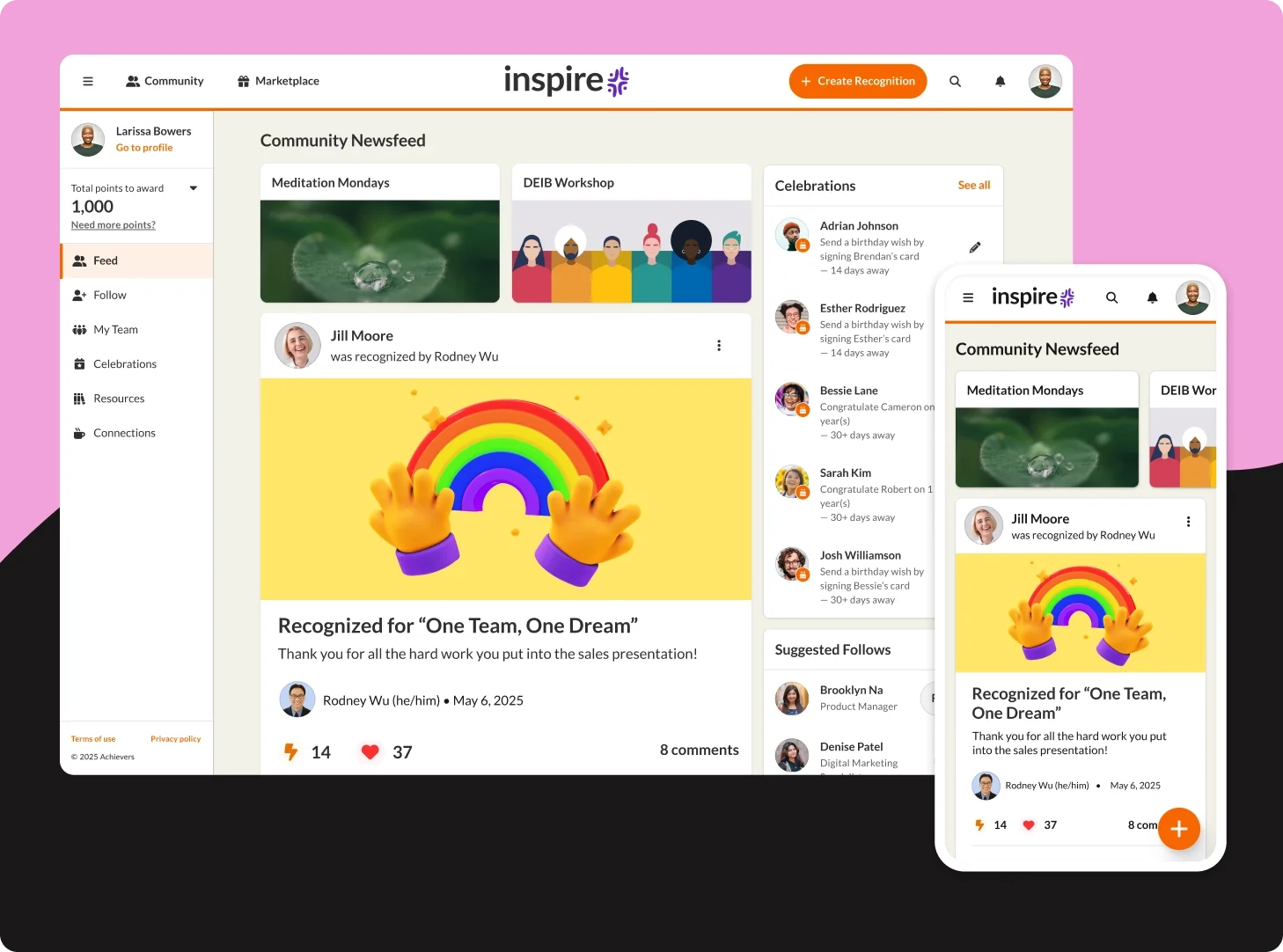
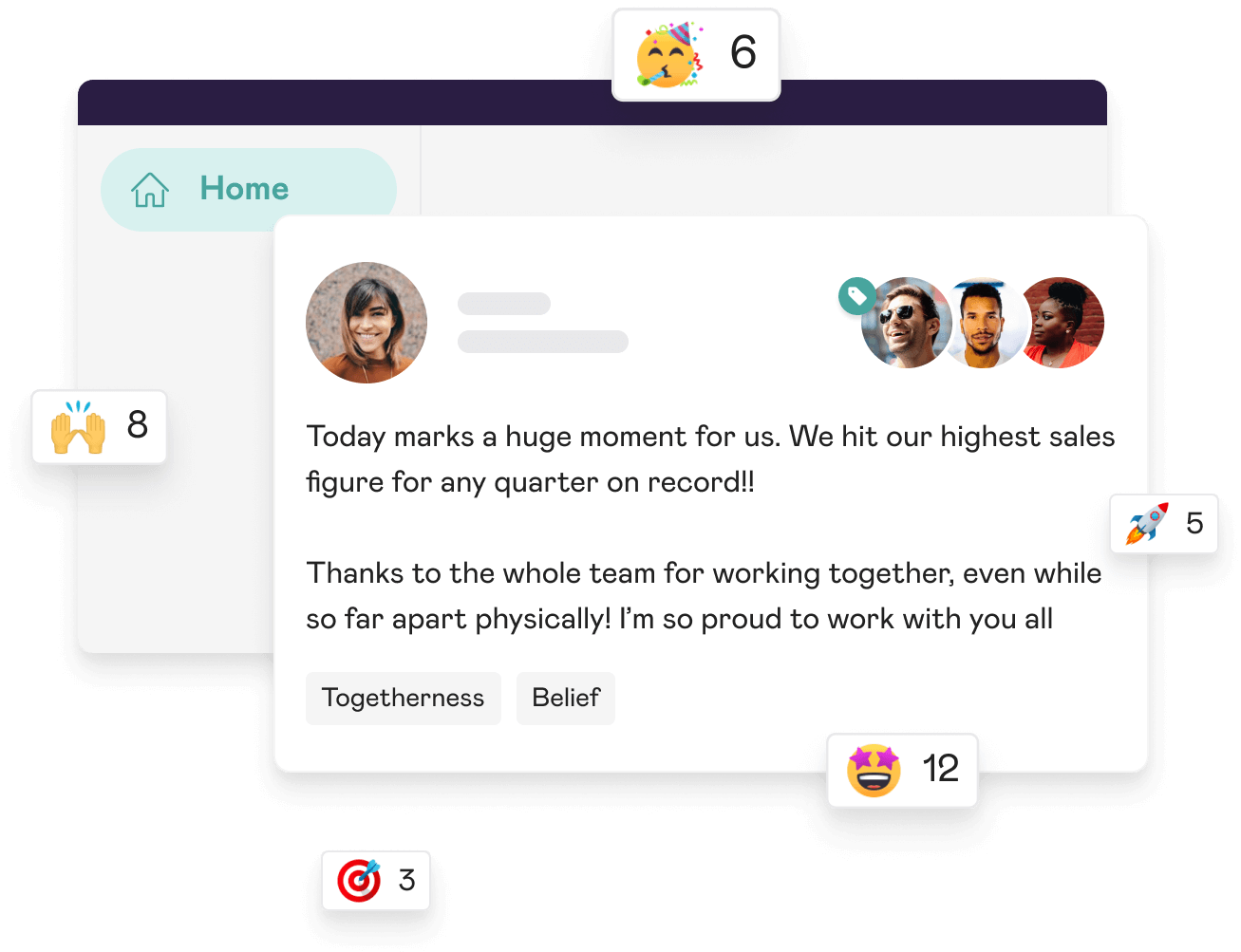
Employee engagement software typically manifests in several key areas: digital recognition platforms, employee feedback tools, and company newsfeed channels. Employees interact with these platforms when they recognize a coworker, complete a pulse survey, celebrate a work anniversary, receive feedback, or redeem rewards. For leaders, the software provides crucial reporting and insights, enabling them to identify successful strategies and pinpoint areas needing further attention.
How Engagement Software Operates in Practice
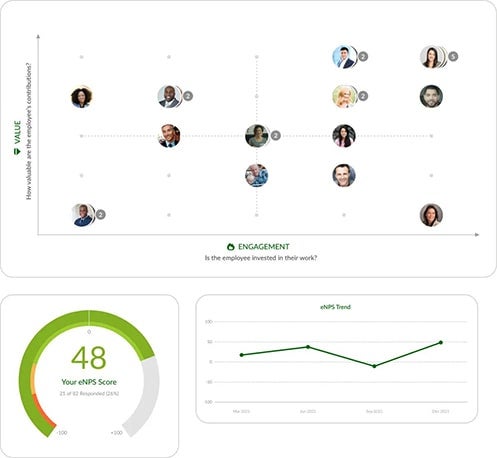
The operational framework of employee engagement software centers on providing a unified platform for recognition, feedback, surveys, and milestone celebrations. This creates a continuous record of employee interactions and contributions, offering managers a clearer picture of team dynamics and individual performance. Leaders can then analyze trends such as recognition frequency, manager participation rates, and identify teams or departments at risk of disengagement.
A Look at Top Employee Engagement Software Platforms for 2026
In an increasingly competitive talent market, organizations are turning to specialized software to cultivate a thriving workplace culture. Based on comprehensive research, user reviews, and vendor data, the following platforms are recognized for their ability to translate engagement initiatives into measurable business outcomes in 2026:
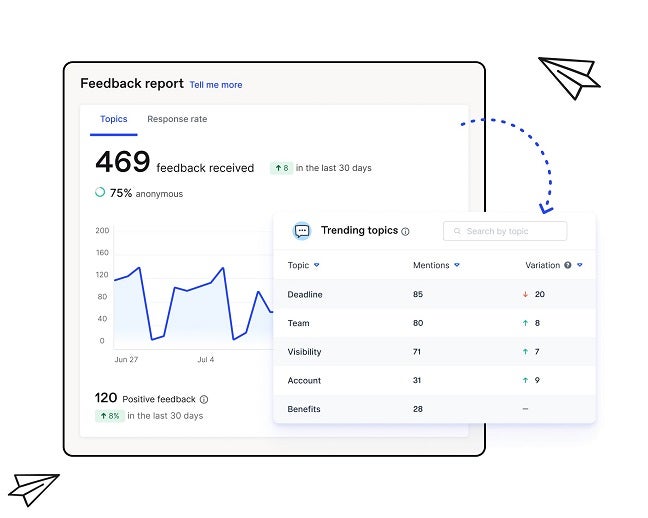
-
Achievers
G2 Rating: 4.7/5
Strengths: Achievers is a comprehensive employee engagement platform designed for scalability, from mid-market to enterprise organizations. It transforms company culture into a measurable advantage through frequent, in-the-flow recognition and a global rewards marketplace. Backed by the Achievers Workforce Institute, it connects recognition to tangible outcomes, demonstrating significantly higher recognition frequency and impact on engagement, retention, and productivity compared to competitors, with a remarkable 93% global adoption rate. The platform is noted for its powerful recognition and rewards capabilities, requiring minimal complex configuration, thus freeing up HR teams to focus on people. Seamless integrations with essential workplace tools like Workday, Slack, and the Microsoft ecosystem ensure recognition can occur in real-time within existing workflows. Achievers consistently ranks high in G2’s Employee Recognition Grid® Report, underscoring its market leadership.
Best for: Mid-market to enterprise organizations seeking a complete engagement solution that builds culture, drives performance, and delivers measurable business impact at scale.
Weakness: Its advanced capabilities may be more extensive than needed for organizations with fewer than 500 employees. -
Workday
G2 Rating: 4.2/5
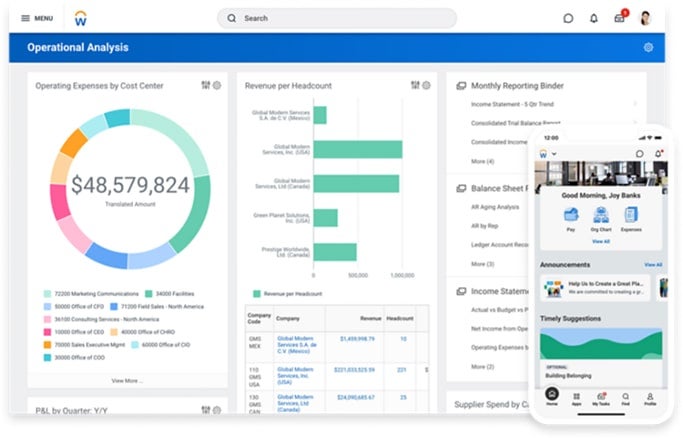
Strengths: Workday offers an integrated platform for HR, finance, and planning, centralizing operations for large organizations. While not solely focused on recognition, it supports employee experience through personalized workflows and AI-driven insights, incorporating tools for workforce planning and analytics.
Best for: Companies seeking a comprehensive system for HR, finance, and planning that also offers employee experience and performance support.
Weakness: The platform’s breadth and complexity might be overwhelming for smaller or recognition-focused teams. -
BambooHR
G2 Rating: 4.4/5
Strengths: Tailored for small to mid-sized businesses, BambooHR covers the entire employee lifecycle from hiring to performance tracking in a single, intuitive system. Its key advantage lies in its simplicity and ease of implementation, making it valuable even for smaller HR teams.
Best for: Small to mid-sized organizations requiring an HR platform that integrates core people management and engagement functions.
Weakness: While user-friendly, its engagement features may be less robust compared to platforms specifically designed around recognition.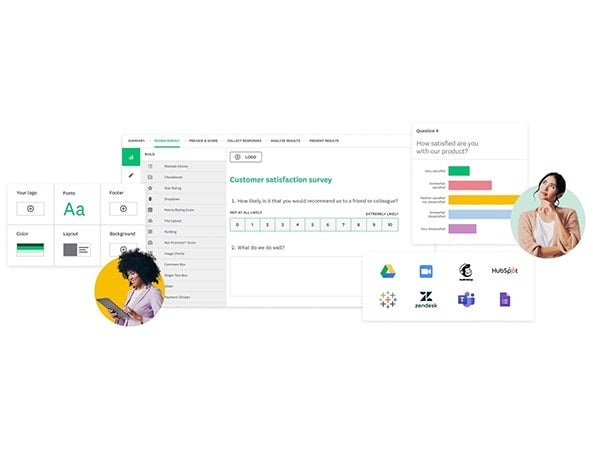
-
Workleap
G2 Rating: 4.4/5
Strengths: Workleap integrates engagement, feedback, recognition, and performance tools into a single employee experience platform. Its core, Officevibe, facilitates team connection through customizable surveys, peer recognition, and guided one-on-one sessions. Recent performance management updates, including AI-powered review summaries, enhance manager effectiveness in acting on employee input.
Best for: Organizations prioritizing continuous feedback, recognition, and performance conversations.
Weakness: Its focus on day-to-day engagement might not satisfy the advanced data and reporting needs of larger enterprises. -
SurveyMonkey
G2 Rating: 4.4/5
Strengths: SurveyMonkey excels in rapid data collection with its user-friendly survey tools. It supports various survey types, from engagement and satisfaction to custom research, offering expert templates and multi-channel distribution options.
Best for: Organizations needing a flexible and intuitive platform for gathering and analyzing feedback across diverse audiences.
Weakness: Lacks the depth in engagement and recognition features found in more comprehensive employee experience platforms. -
Vantage Circle
G2 Rating: 4.7/5
Strengths: Vantage Circle offers a broad suite of AI-powered employee engagement tools, unifying rewards, recognition, wellness, and feedback. Modules like Vantage Fit and Vantage Pulse promote well-being and gather continuous insights at scale. It’s designed for global reach with multilingual support and HRIS integrations.
Best for: Organizations seeking a consolidated platform for recognition, wellness, and feedback.
Weakness: Integrating the various modules may require more coordination compared to platforms with a fully unified experience.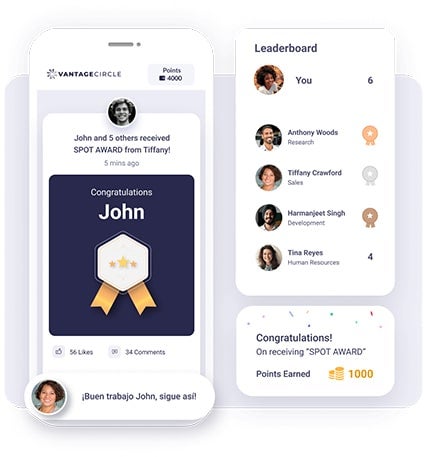
-
WorkTango
G2 Rating: 4.7/5
Strengths: WorkTango provides an integrated employee experience platform that combines recognition, rewards, feedback, and performance management tools. Its AI-powered dashboards help managers identify trends, act on sentiment, and automate milestone celebrations.
Best for: Organizations desiring an integrated solution for recognition, feedback, and performance management.
Weakness: Its feature-led approach may lack the deep emotional resonance and long-term culture-building focus sought by some organizations. -
Lattice
G2 Rating: 4.7/5
Strengths: Lattice is an employee success platform that links performance management, engagement, compensation, and analytics. It supports reviews, goal setting, and employee development, with AI features aiding in performance summaries and sentiment analysis.
Best for: Organizations aiming to manage performance, engagement, and HR processes within a single platform.
Weakness: Primarily focused on performance management, its recognition capabilities are less central than in specialized platforms. -
Matter
G2 Rating: 4.7/5
Strengths: Matter offers lightweight recognition and engagement tools directly within Slack and Microsoft Teams, enabling seamless kudos, milestone celebrations, and feedback exchange without leaving the workflow. Customizable templates and automated celebrations foster everyday appreciation.
Best for: Teams prioritizing simple, in-the-flow recognition within communication platforms.
Weakness: Lacks the deep insights, strategic support, and behavior-shaping capabilities of more robust platforms.
-
Seismic
G2 Rating: 4.7/5
Strengths: Seismic is an enablement platform focused on improving productivity and performance for sales and customer-facing teams. It integrates content management, learning, coaching, and analytics to drive data-driven sales execution and strengthen customer relationships.
Best for: Large organizations requiring a sales enablement platform for integrated content, learning, and performance insights.
Weakness: Primarily a sales enablement tool, it is less suited for company-wide culture, recognition, or broad employee experience initiatives. -
Igloo
G2 Rating: 4.2/5
Strengths: Igloo Software (now part of Appspace) provides digital workplace and intranet solutions to enhance communication, collaboration, and engagement. It connects desk-based and frontline employees through centralized hubs for news, knowledge sharing, and team collaboration, supporting AI-assisted content optimization.
Best for: Companies seeking a streamlined solution to connect employees, share information, and manage internal communications.
Weakness: Excels in internal communication but lacks the deeper engagement and recognition features of people-centric platforms. -
UKG
G2 Rating: 4.2/5
Strengths: UKG offers an integrated human capital and workforce management platform, connecting HR, payroll, scheduling, and employee engagement. Its engagement tools, such as UKG Talk, facilitate real-time communication and celebration across locations, with AI providing insights into workforce patterns.
Best for: Organizations needing a single platform to manage HR, payroll, and employee engagement for diverse or distributed teams.
Weakness: While strong administratively, it lacks the flexible recognition and engagement features of more specialized platforms.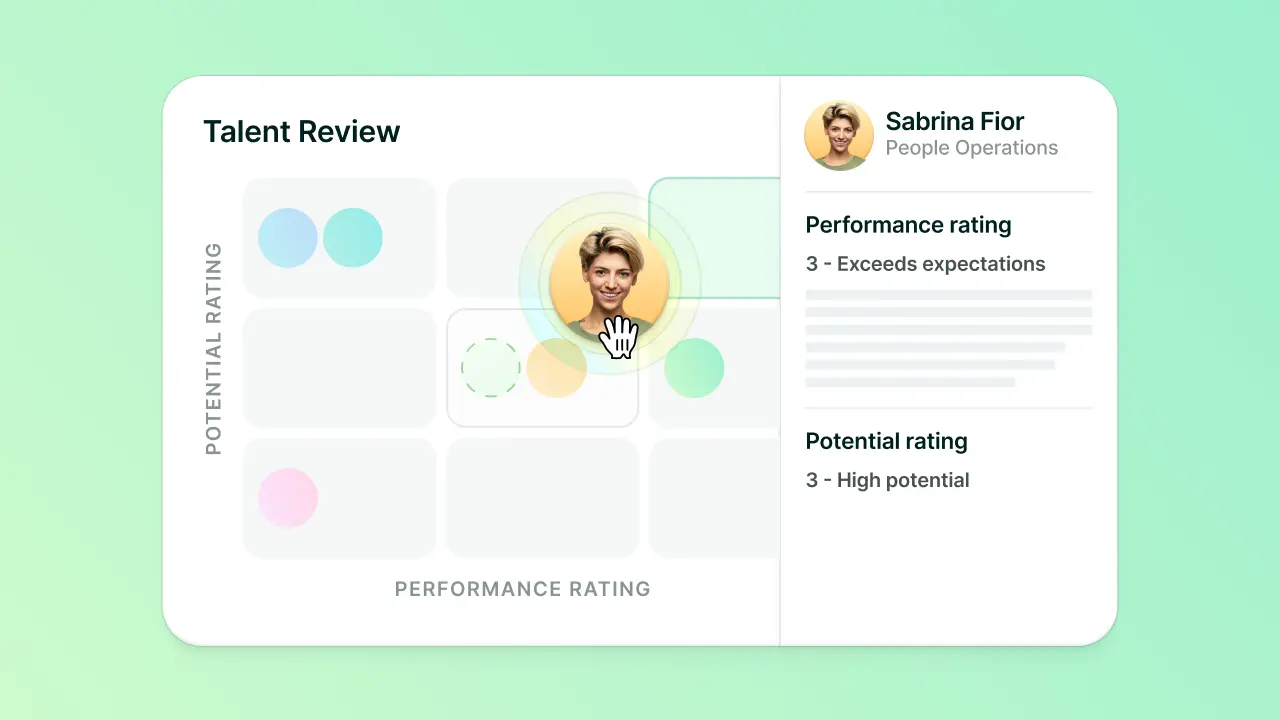
-
Culture Amp
G2 Rating: 4.5/5
Strengths: Culture Amp is a people and performance platform designed to drive engagement, retention, and development. Its tools for surveys, performance reviews, and goal alignment support feedback-driven cultures. It offers predictive insights into turnover and engagement trends, enabling data-informed actions.
Best for: Organizations that leverage data and feedback to enhance engagement, performance, and employee development.
Weakness: Does not offer built-in recognition capabilities, which can limit immediate reinforcement of behaviors. -
Motivosity
G2 Rating: 4.7/5
Strengths: Motivosity focuses on fostering connection through gratitude, offering peer-to-peer shoutouts, leader-driven awards, and social engagement tools. It provides flexible reward options, allowing employees to choose how they are recognized.
Best for: Teams requiring a practical solution for recognition, communication, and engagement measurement.
Weakness: May offer fewer advanced analytics and customization options compared to highly scalable platforms. -
Nectar
G2 Rating: 4.7/5
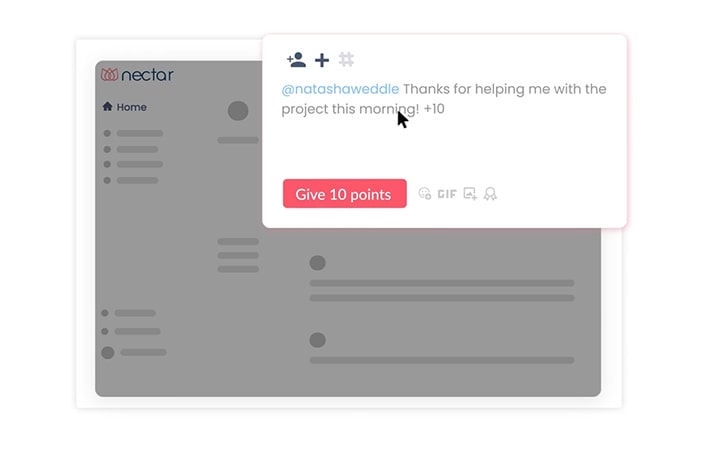
Strengths: Nectar integrates recognition, rewards, and communication into a customizable platform. Features include peer-to-peer shoutouts, milestone celebrations, custom swag, and various redemption options, designed for consistent and personal recognition.
Best for: Organizations focused on daily engagement rather than large-scale culture programs.
Weakness: Best suited for mid-sized organizations prioritizing daily engagement over scalable culture strategy.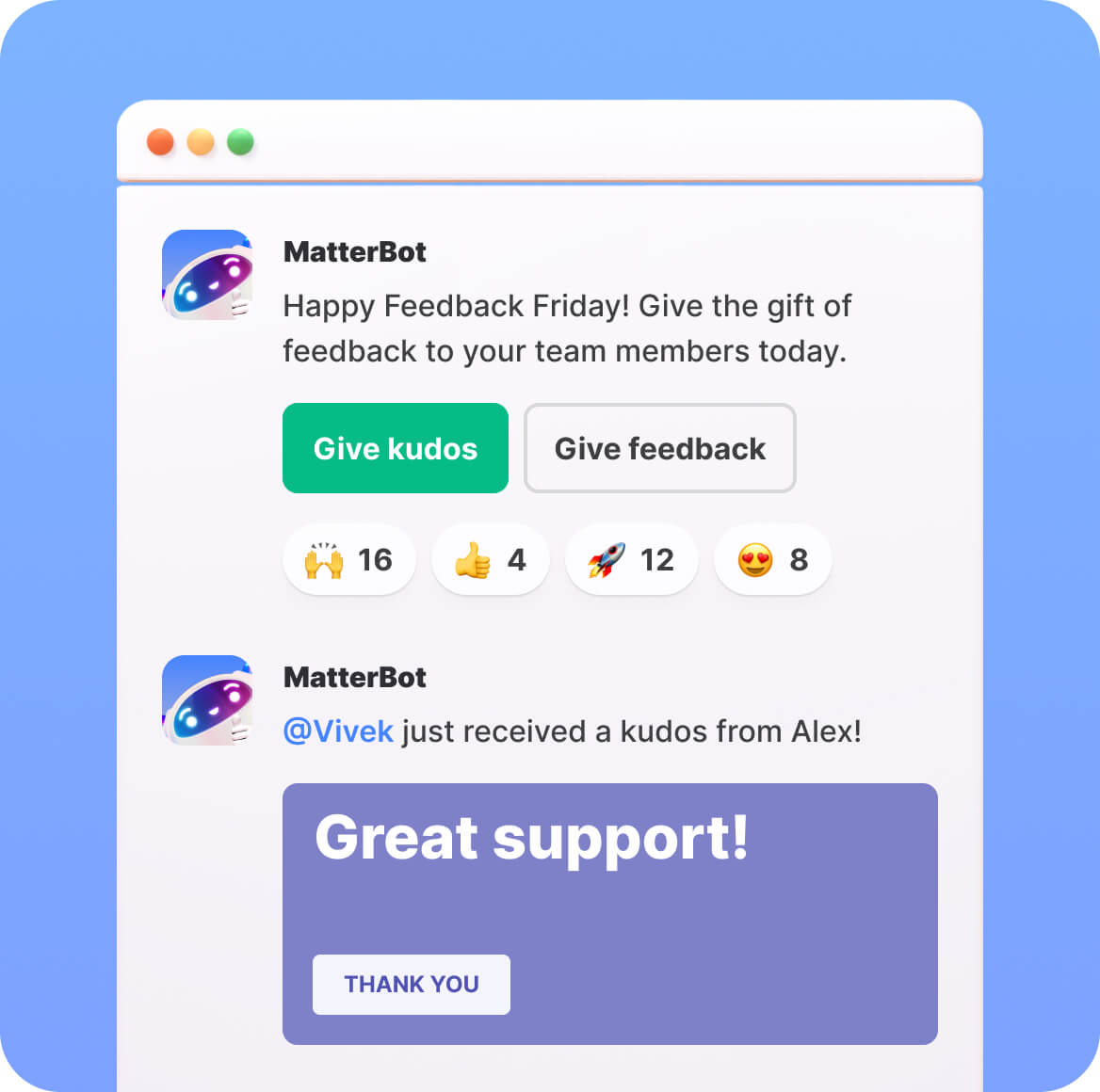
-
Kudoboard
G2 Rating: 4.8/5
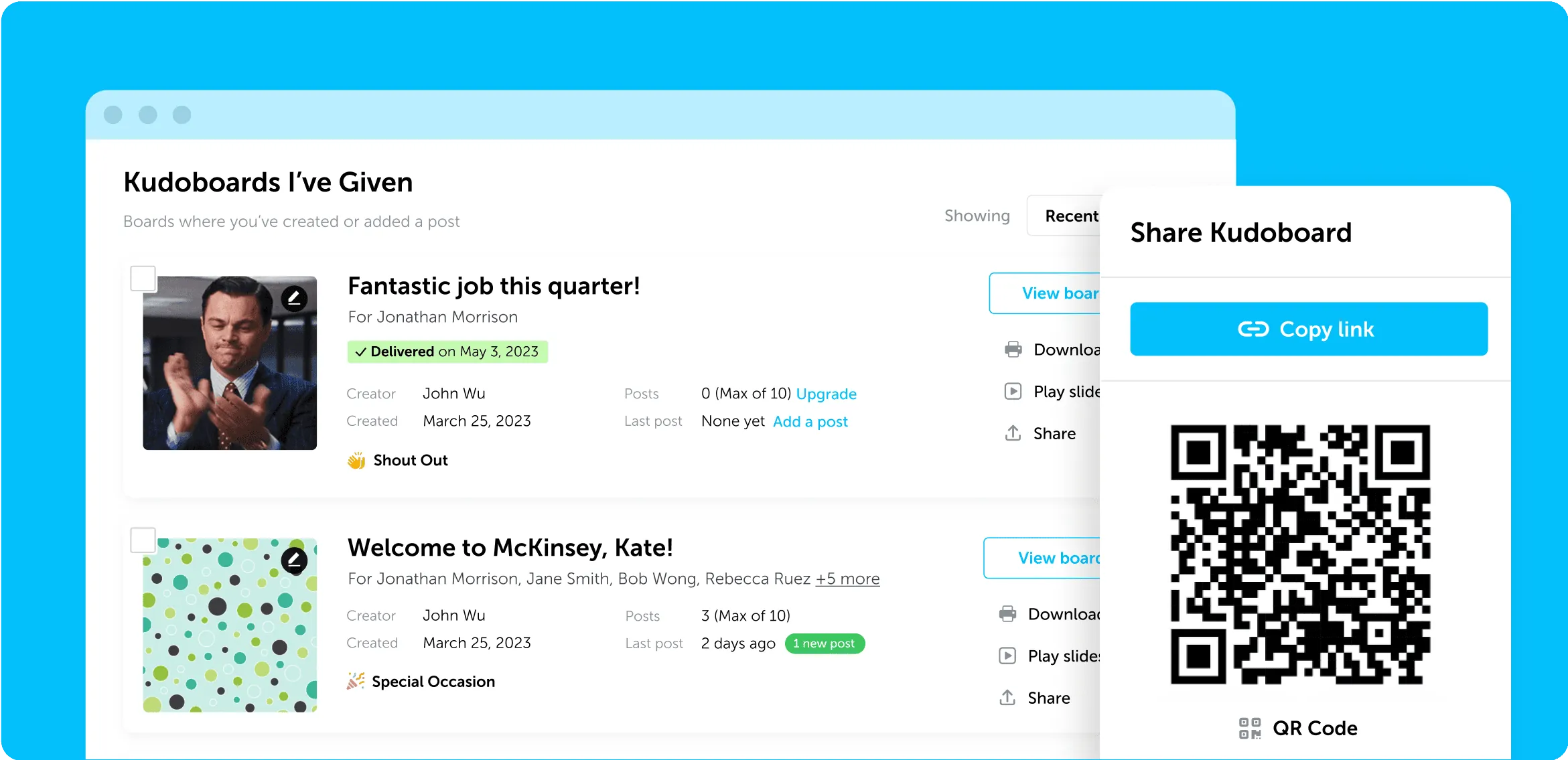
Strengths: Kudoboard is an online recognition platform centered around digital group cards and eCards for celebrating milestones and occasions. It supports personalized appreciation with messages, photos, videos, and GIFs, along with gift card attachments and printed keepsakes.
Best for: Organizations seeking a simple, visual way to recognize employees and celebrate milestones through digital cards.
Weakness: Primarily focused on celebrations, it may not meet the needs for deeper analytics or structured recognition strategies. -
Nailted
G2 Rating: 4.7/5
Strengths: Nailted is an AI-powered platform that connects feedback, recognition, and analytics, supporting 360 reviews, goal tracking, and engagement surveys. Its AI features automate sentiment analysis, turnover prediction, and feedback summaries.
Best for: Mid-sized organizations desiring an adaptable performance and engagement platform with automation and continuous feedback.
Weakness: May not offer the depth of analytics or scalability required by larger, established organizations. -
Mo
G2 Rating: 4.6/5
Strengths: Mo is a culture and engagement platform that makes appreciation and progress visible. It supports managers in building daily habits through recognition, rewards, and communication, automating milestone celebrations and providing insights into engagement patterns.
Best for: Organizations focused on building recognition and engagement habits through everyday interactions.
Weakness: Offers less depth in performance management and advanced analytics compared to more comprehensive HR platforms.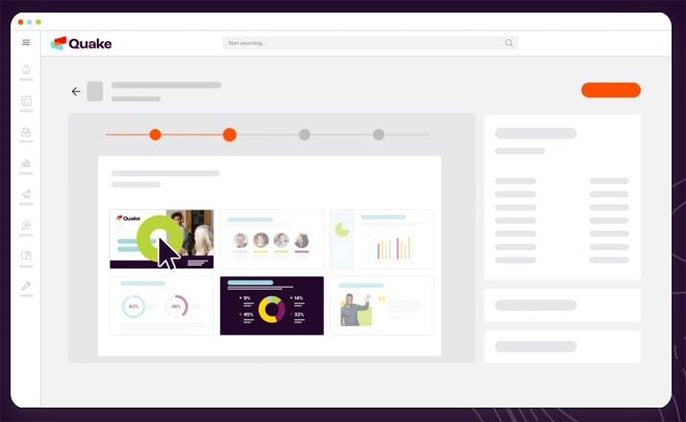
-
Leapsome
G2 Rating: 4.8/5
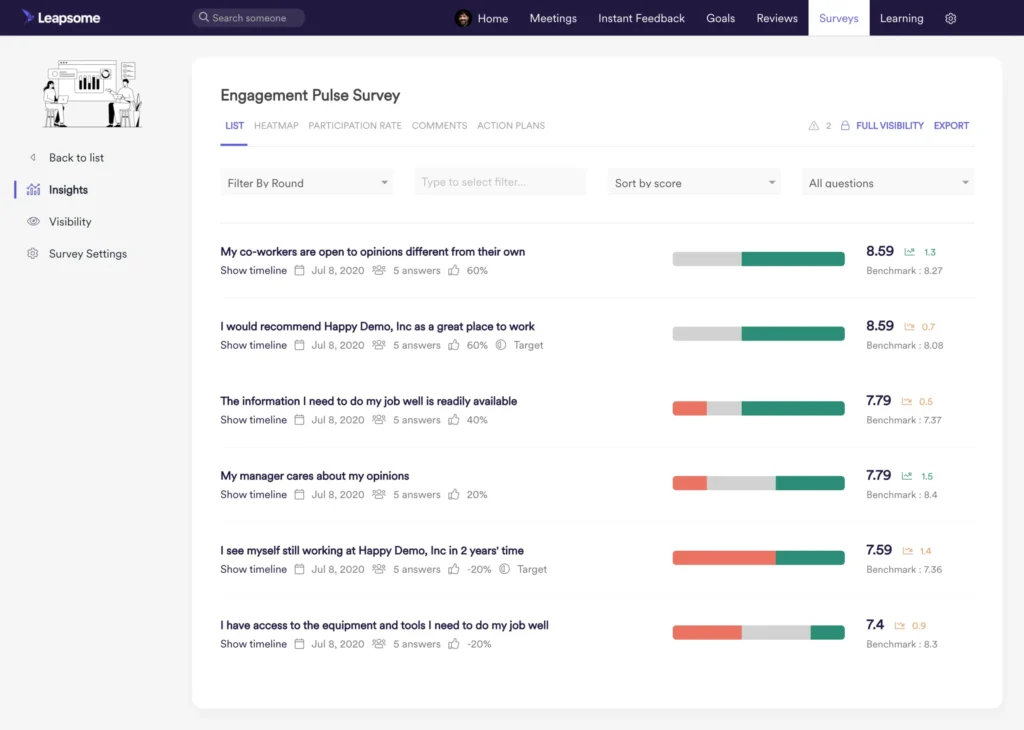
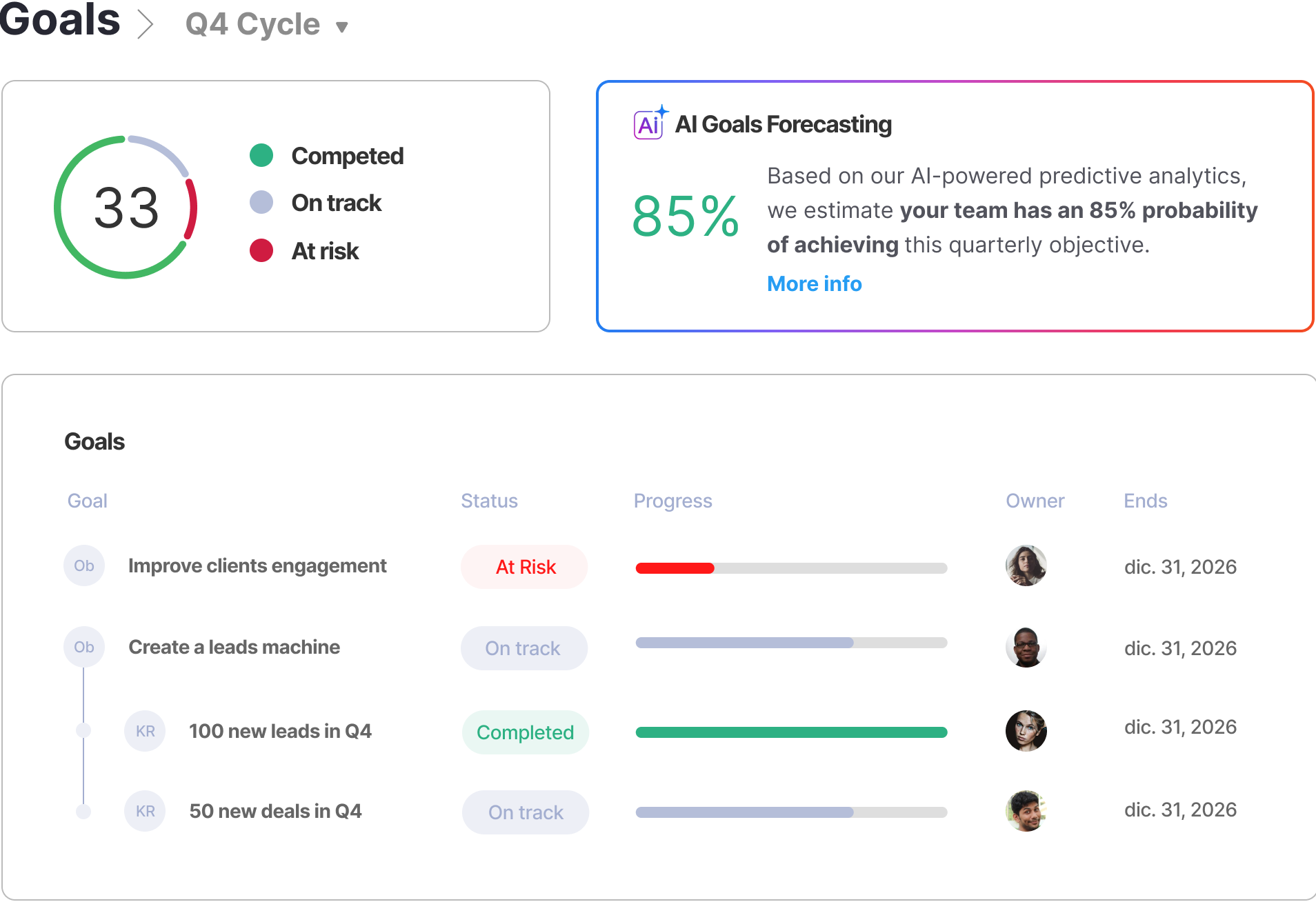
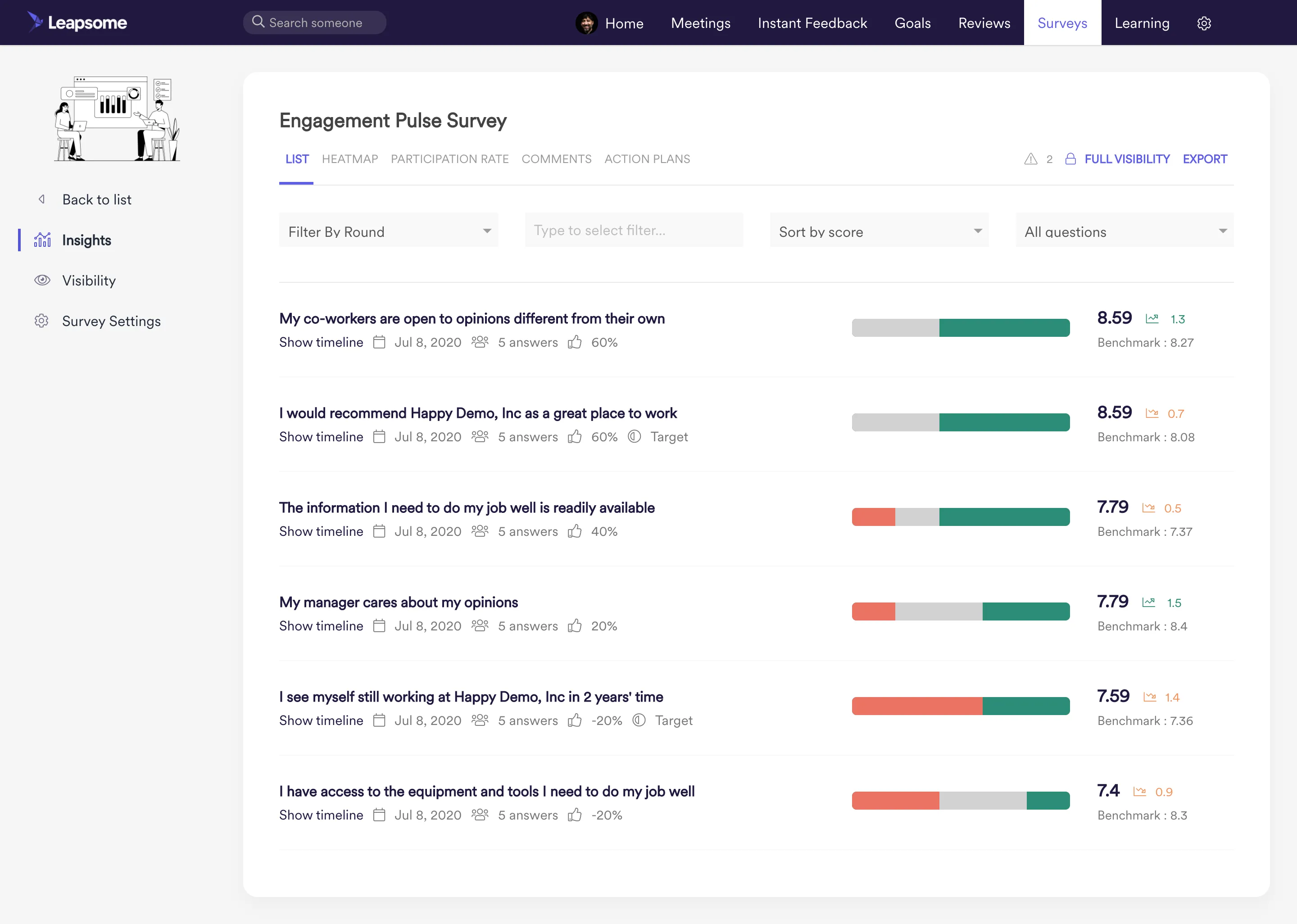
Strengths: Leapsome is an AI-powered people enablement platform connecting performance, engagement, learning, and development. Its employee survey tool measures sentiment, tracks engagement trends, and provides actionable insights, with AI assisting in summarizing responses and analyzing sentiment.
Best for: Teams looking to integrate employee surveys with performance and development tools.
Weakness: Lacks built-in recognition and reward capabilities, limiting the ability to reinforce positive behaviors directly. -
Cooleaf
G2 Rating: 4.9/5
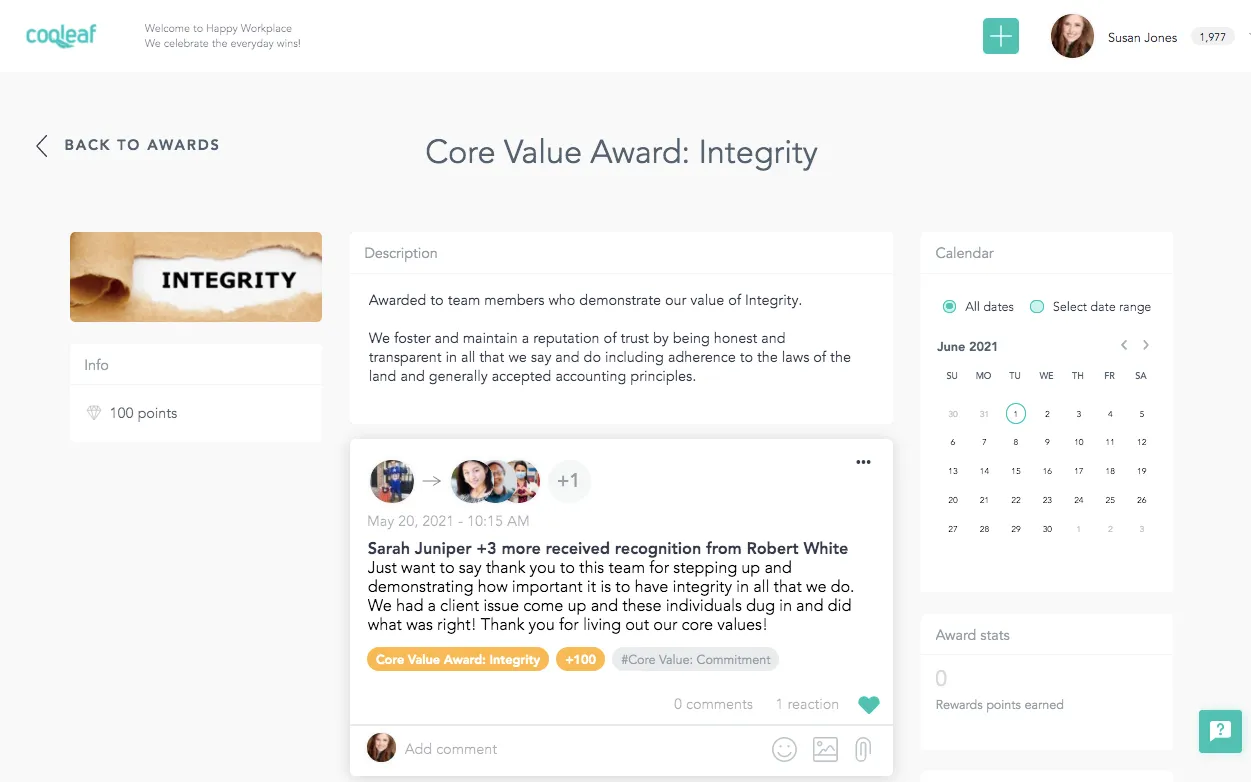
Strengths: Cooleaf is an employee engagement platform that combines recognition, rewards, and employee programming. It offers peer recognition, engagement surveys, incentive-based challenges, and templates for various initiatives, along with reward fulfillment and consulting support.
Best for: Organizations seeking a single platform for recognition, rewards, and structured engagement programs.
Weakness: Offers fewer tools for linking recognition to behavior change or measuring culture impact compared to platforms with deeper analytics.
Key Features to Consider When Choosing Engagement Software

When evaluating employee engagement platforms, organizations should prioritize features that embed engagement into daily operations:
-
Built-in Recognition Tools: Support for both peer and manager recognition, visibility across the organization, social recognition features, and access to a global rewards marketplace. Transparent pricing and local fulfillment are also critical.
-
Real-Time Feedback and Performance Alignment: Tools that facilitate continuous, 360-degree feedback and goal tracking to ensure employees understand expectations and progress.
-
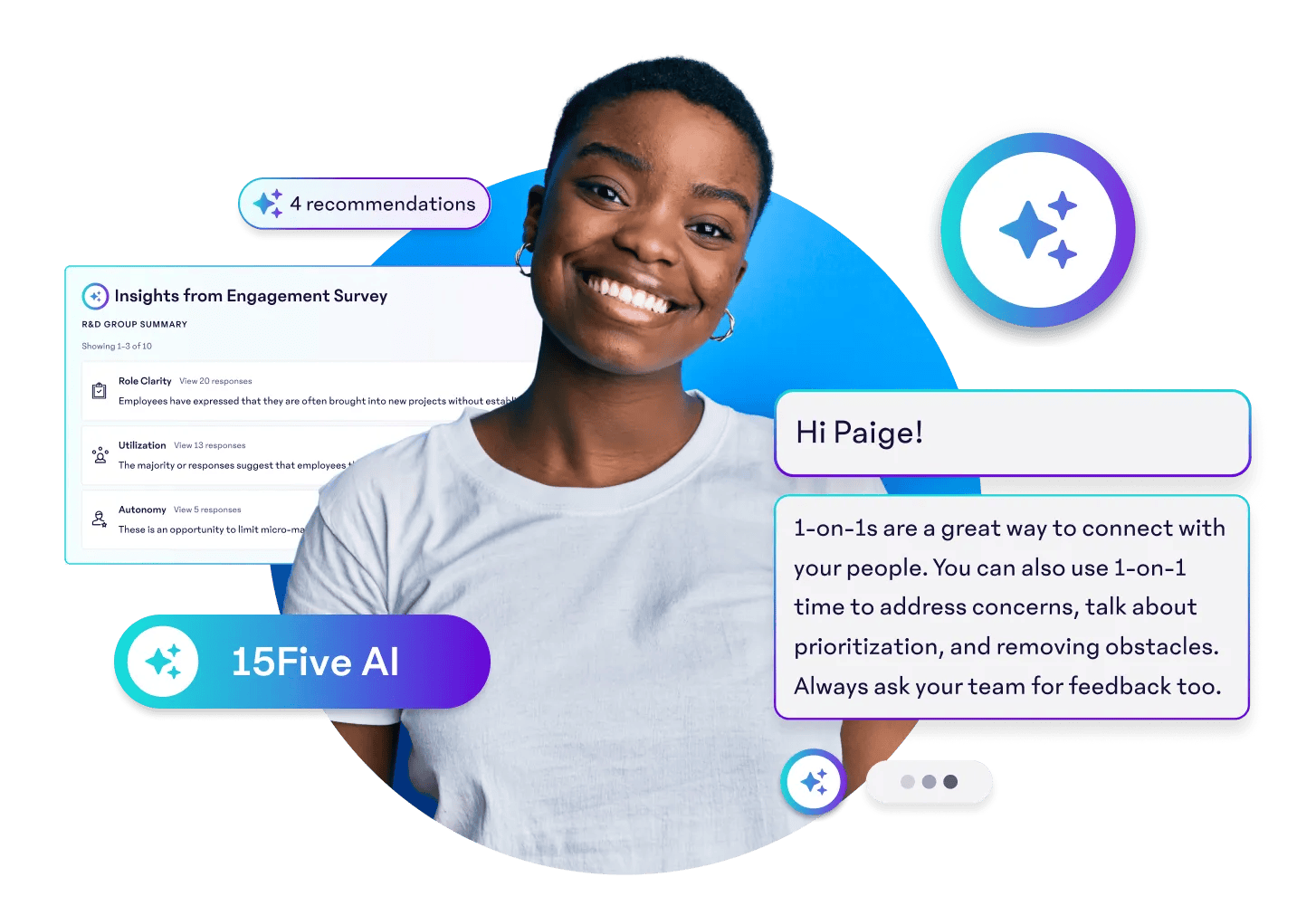
Strong Manager Enablement: Features that simplify recognition, feedback delivery, and consistent one-on-one meetings, often with built-in prompts and insights.
-
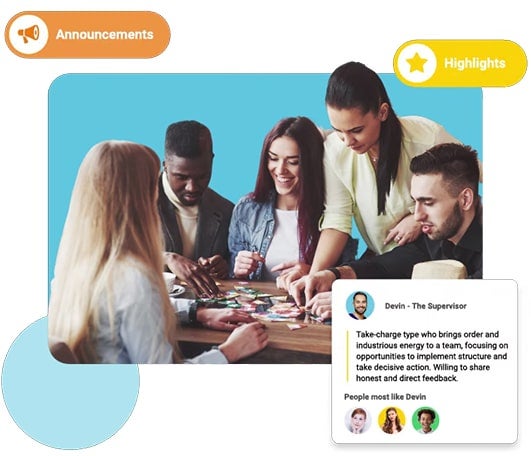
Connection Across Teams and Roles: Functionality that fosters connection regardless of employee location, such as shared recognition and company-wide newsfeeds, particularly important for distributed and frontline workforces.
-
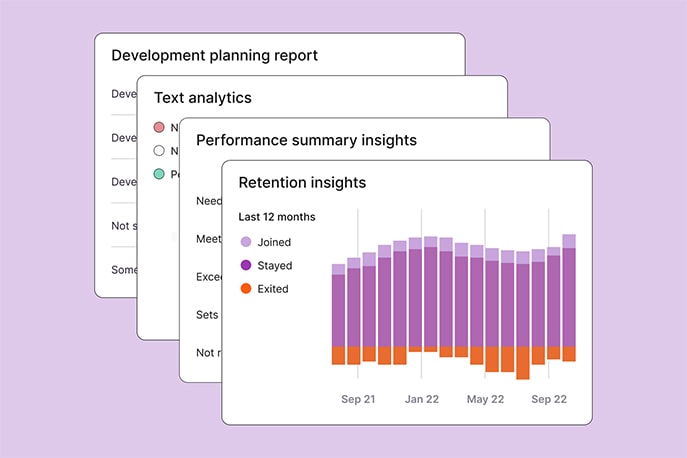
Clear Engagement Data and Insights: Real-time reporting and clear insights into participation, recognition frequency, and engagement trends, enabling data-driven decision-making.
-
Direct Integrations: Seamless integration with existing HRIS, HCM, and workplace systems like Microsoft Teams, Workday, and SAP to reduce friction and enhance participation.
-
Mobile and Offline Access: Functionality that ensures accessibility for frontline and remote workers, enabling them to participate regardless of their work environment.
-
Scalability: The ability to scale with growing organizations across locations, functions, and regions, with centralized controls and flexible configuration for program alignment.
-
Onboarding and Ongoing Support: Resources to help employees understand platform usage from day one, including support for onboarding surveys and structured milestones like 30-60-90 day check-ins.
Employee Engagement Trends for 2026
Research from the 2026 Engagement and Retention Report highlights key drivers of workplace success:
-
Recognition’s Enduring Impact: With only 25% of employees feeling appreciated, recognition remains a potent, underutilized driver of performance, directly correlating with finding meaning in work and long-term career commitment.
-
The Disconnect in Access: A significant number of employees report difficulty accessing the people and resources needed for productivity, hindering alignment and effectiveness.
-
Inconsistent Manager Support: A stark reality is the inconsistency in manager support, with few employees having regular one-on-ones or receiving coaching, directly impacting retention, especially given the negative influence of toxic managers.
-
Unmet Growth and Feedback Expectations: Many employees lack access to growth opportunities and consistent feedback, impacting their confidence and engagement.
-
Undervalued Compensation and Rewards: A majority of employees feel unfairly compensated, and rewards play a crucial role in retention, signaling value and preventing attrition.
Where to Find Employee Engagement Tools
Organizations can source employee engagement tools from a diverse HR technology marketplace, including HR tech vendors, industry analysts, and trusted partners. The ideal platform typically aligns with specific organizational goals, often falling into categories such as recognition and rewards, performance management, and comprehensive employee experience platforms. Solutions that integrate recognition, rewards, and data, like Achievers, offer a holistic approach to driving participation, tracking trends, and achieving measurable outcomes.
Cost of Employee Engagement Software
Achievers recommends an average annual spend of approximately $12 per employee for a multi-year partnership with an engagement and recognition software provider. This typically involves a subscription-based, per-employee-per-year (PEPY) model for long-term value and cost control. Pricing should be transparent, predictable, customizable, and free from markups or hidden fees, with built-in cost controls to manage expenditure as programs scale.
Improving Engagement Outcomes Through Recognition: Case Studies
-
Seattle Children’s Hospital: Partnered with Achievers to launch a real-time recognition program, integrating patient-submitted feedback. This initiative resulted in a 10% increase in employee engagement and drove higher participation, fostering a stronger culture of recognition.
-
General Motors: Implemented a unified, global recognition program aligned with company values. This program achieved 87% employee activation within 30 days, with over 80,000 recognitions shared, leading to significant improvements in engagement survey results.
-
Team, Inc.: Centralized its global holiday gifting program through Achievers, replacing fragmented regional processes with a unified, choice-driven experience. This led to a 52% increase in platform activation and a 77% redemption rate among active users.
Integration with HR Systems: A Necessity
The integration of employee engagement programs with existing HR systems is no longer optional but a fundamental requirement. Seamless integration ensures that engagement becomes an inherent part of daily workflows, rather than an add-on task. As highlighted by the Achievers Workforce Institute’s 2026 State of Recognition Report, frequent recognition correlates with heightened productivity, a consistency that is difficult to maintain without integrated systems. Platforms like Achievers leverage HRIS/HCM integrations, workplace connections, and open APIs to embed recognition, rewards, and feedback directly into the flow of work, providing leaders with real-time insights and facilitating equitable recognition.
The Achievers Advantage
With industry-leading usage, Achievers offers a scalable global recognition platform designed for both mid-market and enterprise clients. Boasting over 1 billion interactions, it provides unparalleled behavioral insights that power AI-driven recommendations, equitable recognition coaching, and trend analysis for informed leadership decisions. Recognized as a Leader by Everest Group for three consecutive years, Achievers stands out for its vision and capability in the recognition solutions landscape. For organizations seeking to drive consistent participation, empower managers, and achieve enterprise-scale impact, Achievers represents a robust choice.