
A subtle yet pervasive form of withdrawal, termed "banksying," is emerging as a significant threat to effective leadership and organizational health. Unlike abrupt resignations or overt disengagement, banksying describes a gradual, often imperceptible erosion of presence and connection within a professional relationship. This phenomenon, characterized by a leader who remains physically present but emotionally and strategically distant, creates a breeding ground for anxiety, erodes trust, and ultimately diminishes team performance.
The term "banksying" draws a parallel to the enigmatic artist Banksy, whose audacious act of a painting self-destructing immediately after a high-profile auction became a potent metaphor for hidden dismantling. In a leadership context, banksying manifests when individuals in positions of authority begin to exhibit a reduced level of engagement, a slower response time, and a diminished emotional connection, all while maintaining the outward appearance of continuity. This creates an unsettling dissonance, where words may suggest stability, but an underlying energetic shift signals a gradual withdrawal.
Conflict Avoidance: The Root of Banksying
At its core, banksying is a sophisticated manifestation of conflict avoidance. Instead of confronting challenges or addressing interpersonal issues directly, leaders who engage in this behavior opt for a slower, more indirect retreat. This approach is often rooted in a desire to sidestep discomfort, postpone difficult conversations, and protect themselves from potential tension. However, this strategy, while seemingly preserving immediate peace, ultimately amplifies underlying issues. The deferred conflict festers, becoming more entrenched and significantly harder to resolve when it inevitably resurfaces.
In the professional arena, the indicators of banksying can be subtle. A leader might still attend meetings, approve directives, and outwardly fulfill their responsibilities. Yet, their contributions may become less vocal, their feedback less timely, and their overall presence less impactful. This gradual shift leaves team members in a state of uncertainty, questioning the leader’s commitment and presence, and often feeling as though the leader has "already left the room" psychologically, if not physically.
Lolly Daskal, a renowned executive coach with decades of experience, has identified banksying as one of the most detrimental leadership habits she has encountered. She notes that this pattern is particularly evident when leaders withdraw from team members facing challenges. This withdrawal can be observed through fewer informal check-ins, delayed or less constructive feedback, and a palpable shift towards a colder, more detached demeanor. While the leader remains physically present, their active participation and empathetic engagement wane, leaving individuals feeling unsupported and adrift.
The sequence of events leading to banksying often begins with the emergence of a challenge or a performance issue. Instead of directly addressing the situation, the leader initiates a gradual pullback. Plausible excuses, such as being overwhelmed with other responsibilities or deferring discussions to a later date, are frequently employed. However, each instance of deferral contributes to a growing chasm within the relationship. The connection weakens incrementally, characterized by a lack of confrontation and a superficial veneer of normalcy.
This subtle withdrawal often leaves the recipient feeling confused and unsettled. Sensing an unspoken shift, they may attempt to compensate by increasing their efforts or seeking reassurance. Unbeknownst to them, their actions are a direct response to a leader’s retreat, placing them in a precarious position where they are set up for potential failure due to a lack of clear guidance and support.
The Psychological Impact of Gradual Disengagement
Banksying can be particularly disorienting because it catches individuals off guard. The gradual nature of the withdrawal means that while a shift is sensed, its precise cause or nature remains elusive. This ambiguity breeds anxiety and can lead to significant self-doubt among team members. They may begin to overanalyze every word, gesture, and interaction, searching for clues to explain the leader’s perceived distance.
The disconnect between verbal communication and non-verbal cues is a hallmark of banksying. When a leader’s words convey one message of continuity or support, while their energy and actions suggest a growing detachment, it creates a profound contradiction. This dissonance is often more damaging to trust than direct criticism, as it undermines the very foundation of reliable communication and psychological safety within a team. Research in organizational psychology consistently highlights that perceived inconsistency in leadership communication is a primary driver of employee distrust and disengagement. A 2022 study published in the Journal of Applied Psychology found that leaders who exhibit high levels of emotional detachment, even if their verbal communication remains neutral, experience significantly lower team cohesion and performance metrics.
The Illusion of Leadership: Avoiding Conflict as a Liability
The practice of banksying ultimately exposes a form of emotional immaturity in leadership. It represents a preference for avoiding tension over confronting it, trading honesty for immediate comfort, and mistaking retreat for strategic management. However, true leadership demands presence, particularly when challenges arise.

When leaders withdraw without clear communication or explanation, they inadvertently teach their teams that problems are best ignored and that individuals facing difficulties may be left to fend for themselves. This sends a damaging message that can foster a culture of passivity and fear, discouraging initiative and open communication. The long-term implications of such a culture can include increased employee turnover, decreased innovation, and a general decline in organizational morale.
The Erosion of Trust and the Flight of Talent
The impact of banksying on trust is profound and often irreversible. Employees are acutely aware when leaders withdraw, having likely experienced similar patterns in the past. This awareness can lead them to adopt self-preservation strategies, such as withholding questions, playing it safe, and reducing their own willingness to take risks or voice dissenting opinions.
The most proactive and driven individuals within a team are often the first to recognize the signs of a leader’s disengagement. They understand that a lack of active leadership will eventually lead to stagnation or negative consequences. Consequently, they are more likely to seek opportunities elsewhere, initiating a quiet exodus of talent that can severely cripple an organization’s future potential. This phenomenon is consistent with findings from leading human resources consultancies, which indicate that a lack of perceived leadership support is a primary driver of voluntary employee turnover, especially among high performers.
The Imperative of Directness and Presence
The antidote to banksying lies in embracing directness, honesty, and unwavering presence. If an individual’s performance is not meeting expectations, it is the responsibility of leadership to address this directly and constructively. Similarly, if a leader needs to step back from certain responsibilities or roles, transparent communication about the reasons and the plan for transition is essential.
Leadership, by its very definition, requires engagement. It demands contact, clarity, and the courage to confront difficult situations head-on. To retreat without acknowledging the act is to abdicate the responsibilities of leadership, allowing relationships and organizational momentum to decay in silence. True leaders do not fade away; they lean in, remain alert, communicate with purpose, and confront conflict directly.
A Call for Authentic Leadership
The phenomenon of banksying underscores a critical need for authenticity and courage in leadership. In an era where employee engagement and retention are paramount, the subtle art of withdrawal as a conflict-avoidance strategy is no longer tenable. Organizations must foster cultures that value direct communication, psychological safety, and the active presence of their leaders.
The consequences of allowing banksying to persist are significant: a decline in trust, a rise in employee anxiety, a loss of valuable talent, and ultimately, a compromised organizational effectiveness. By understanding the dynamics of this subtle form of disengagement, leaders and organizations can begin to cultivate the environments necessary for genuine connection, sustained performance, and resilient growth.
The Leadership Gap: Navigating the Path to Greatness
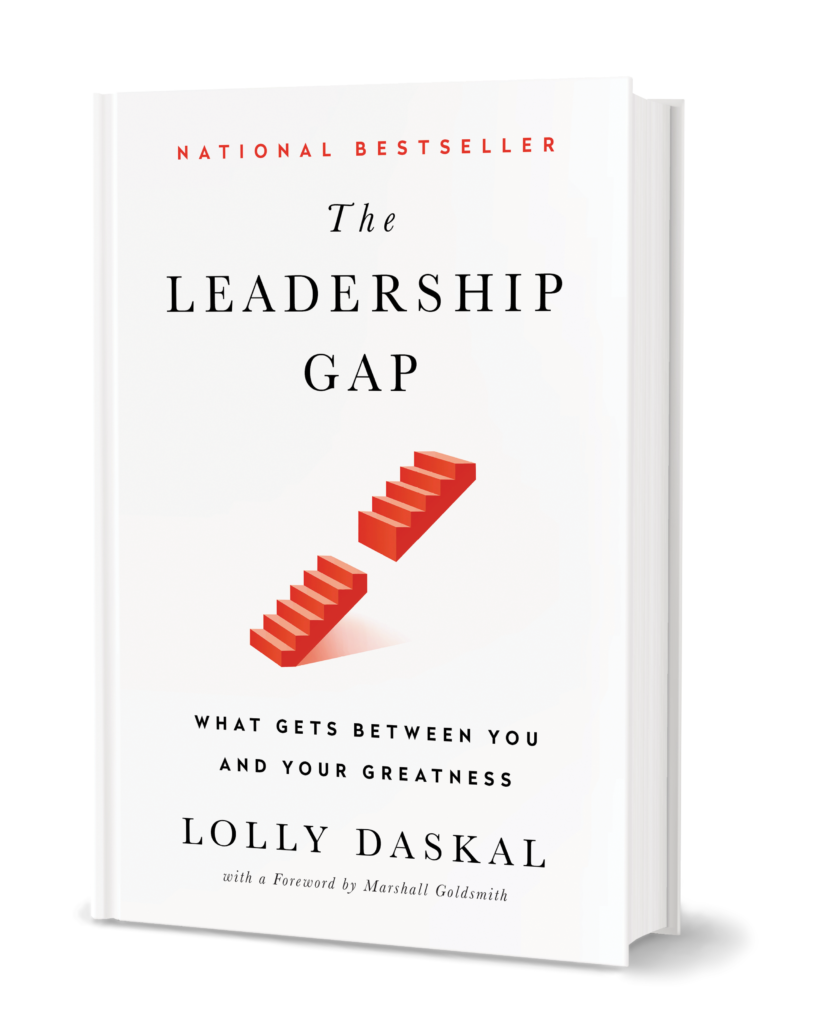
The challenges highlighted by the phenomenon of banksying are deeply intertwined with broader themes of leadership effectiveness and personal development. Daskal’s seminal work, "The Leadership Gap: What Gets Between You and Your Greatness," delves into the core issues that hinder leaders from reaching their full potential. After decades of coaching executives across diverse industries and cultures, Daskal identifies that while many leaders rise to their positions through a specific set of skills and values, they often encounter plateaus where performance falters and persistent challenges emerge.
The book posits that the "leadership gap" arises not from a lack of inherent capability, but from a failure to recognize and address the internal and external barriers that impede growth. These barriers can include the very tendencies that lead to banksying – the avoidance of difficult conversations, the reluctance to confront conflict, and the subtle erosion of presence that undermines trust. By offering insights into these often-unseen obstacles, "The Leadership Gap" provides a framework for leaders to identify their own blind spots, develop greater self-awareness, and cultivate the courage and clarity needed to lead authentically and effectively.
Daskal’s extensive experience, spanning 14 countries and numerous high-profile organizations, has provided her with a unique perspective on the universal challenges of leadership. Her designation as a Top-50 Leadership and Management Expert by Inc. magazine and her recognition as "The Most Inspiring Woman in the World" by The Huffington Post are testaments to her profound impact. Her writings, which have graced publications such as Harvard Business Review, Inc.com, and Fast Company, consistently advocate for a leadership approach grounded in integrity, intentionality, and a commitment to fostering genuine connection. The insights gleaned from her work are vital for any leader seeking to move beyond the superficial performance of leadership and embrace the substantive, impactful presence that truly defines greatness.








