The prevailing narrative surrounding Artificial Intelligence often focuses on job displacement, painting a bleak picture of widespread unemployment. However, a closer examination of emerging trends and empirical data suggests a more nuanced and ultimately optimistic reality: AI is not primarily an eliminator of jobs, but rather a powerful catalyst for job creation, transformation, and enhancement. By automating routine tasks, AI liberates human workers to engage in more complex, creative, and strategic endeavors, leading to roles that are more interesting, valuable, and financially rewarding.

This perspective is grounded in ongoing research and daily observations within the HR and HR technology landscape. While AI excels at executing repetitive processes, its true impact lies in its ability to augment human capabilities, allowing for the evolution of what are being termed "Superwork" and "Superjobs." These roles leverage AI as a tool to amplify human ingenuity, problem-solving, and critical thinking.
The Software Engineering Renaissance: More Jobs, Higher Pay

One of the most discussed areas regarding AI’s impact on employment is software engineering. With a significant portion of the global workforce engaged in the design, coding, testing, maintenance, and integration of software, the potential for AI-driven automation here is substantial. Early analyses, such as those from Anthropic, suggested that large language models (LLMs) could theoretically perform nearly 100% of the tasks associated with software development. This led to predictions of significant job losses in the sector.
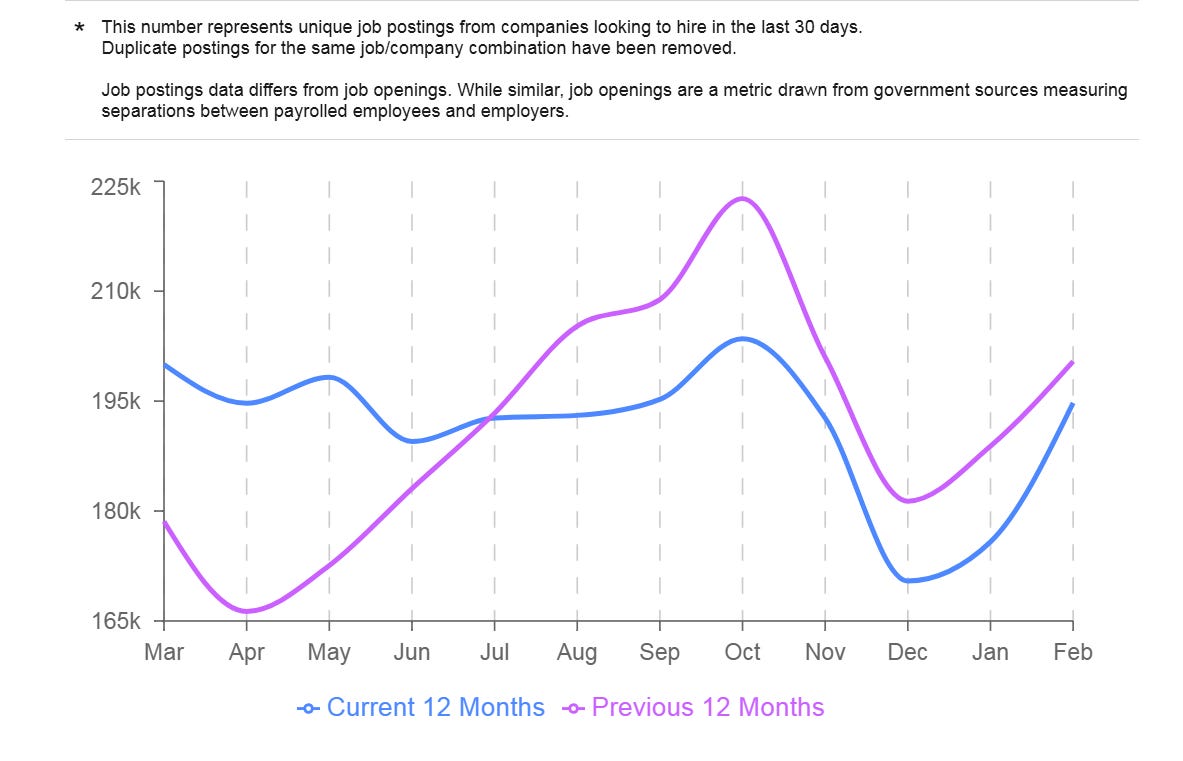
However, real-world data paints a different picture. Despite the advancements in AI’s coding capabilities, the demand for software engineers has not diminished. Instead, it has remained remarkably stable, with a slight upward trend in job openings. Labor market analytics firms like Draup and Lightcast have provided data indicating that the number of global software engineering, design, and testing job postings has not decreased. In fact, recent figures reveal hundreds of software engineering roles open at leading AI companies alone, alongside a surge in hiring within IT departments globally as they integrate AI technologies.
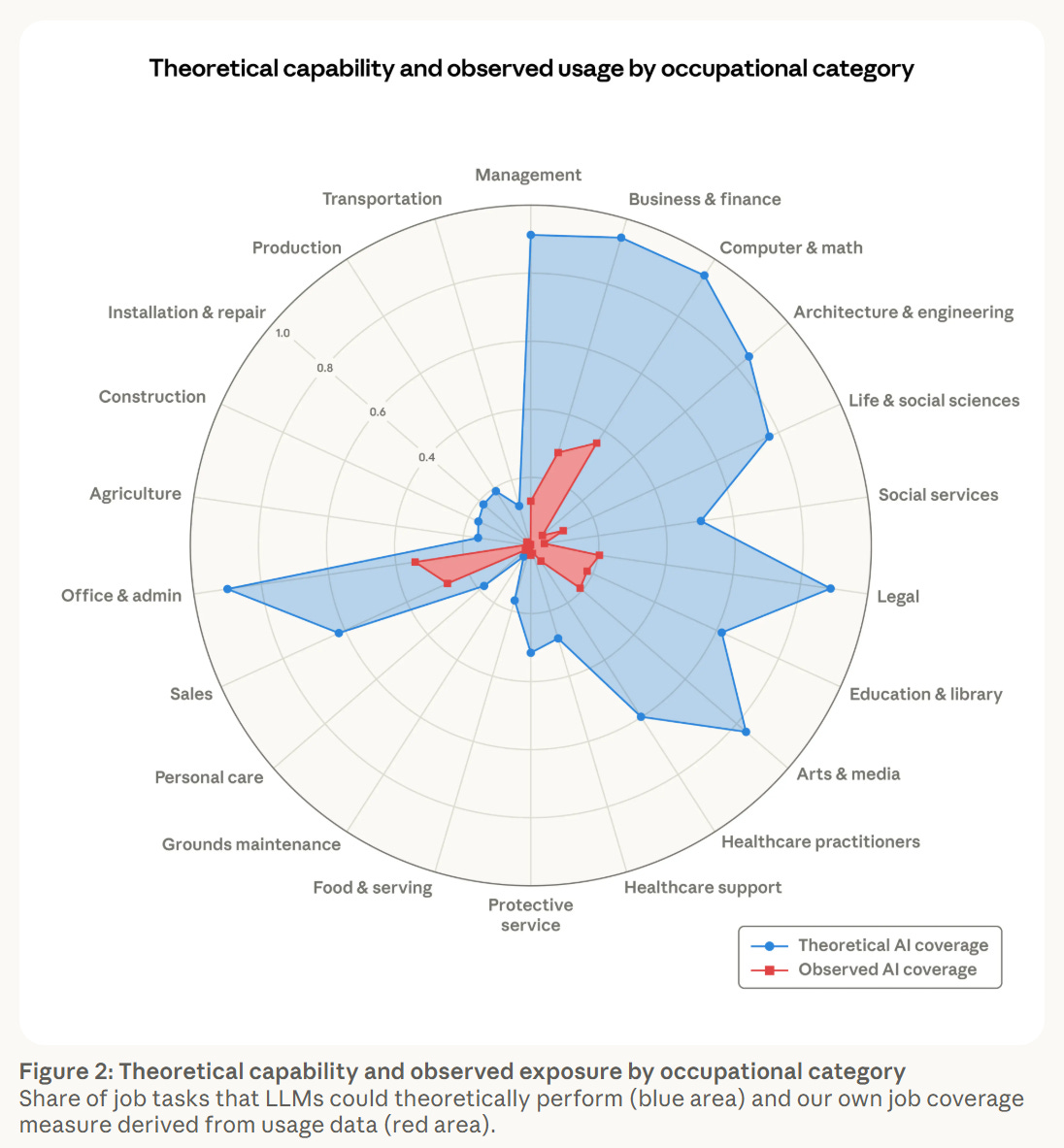
The nature of software engineering roles is evolving, not disappearing. While AI can generate code rapidly, the core of an engineer’s work involves strategic planning, understanding business needs, designing robust system architectures, refining use cases, and developing comprehensive testing strategies. AI tools are increasingly being used to assist with these higher-level tasks, freeing engineers to focus on innovation and complex problem-solving.
Shifting Skillsets and the Rise of "Superjobs"
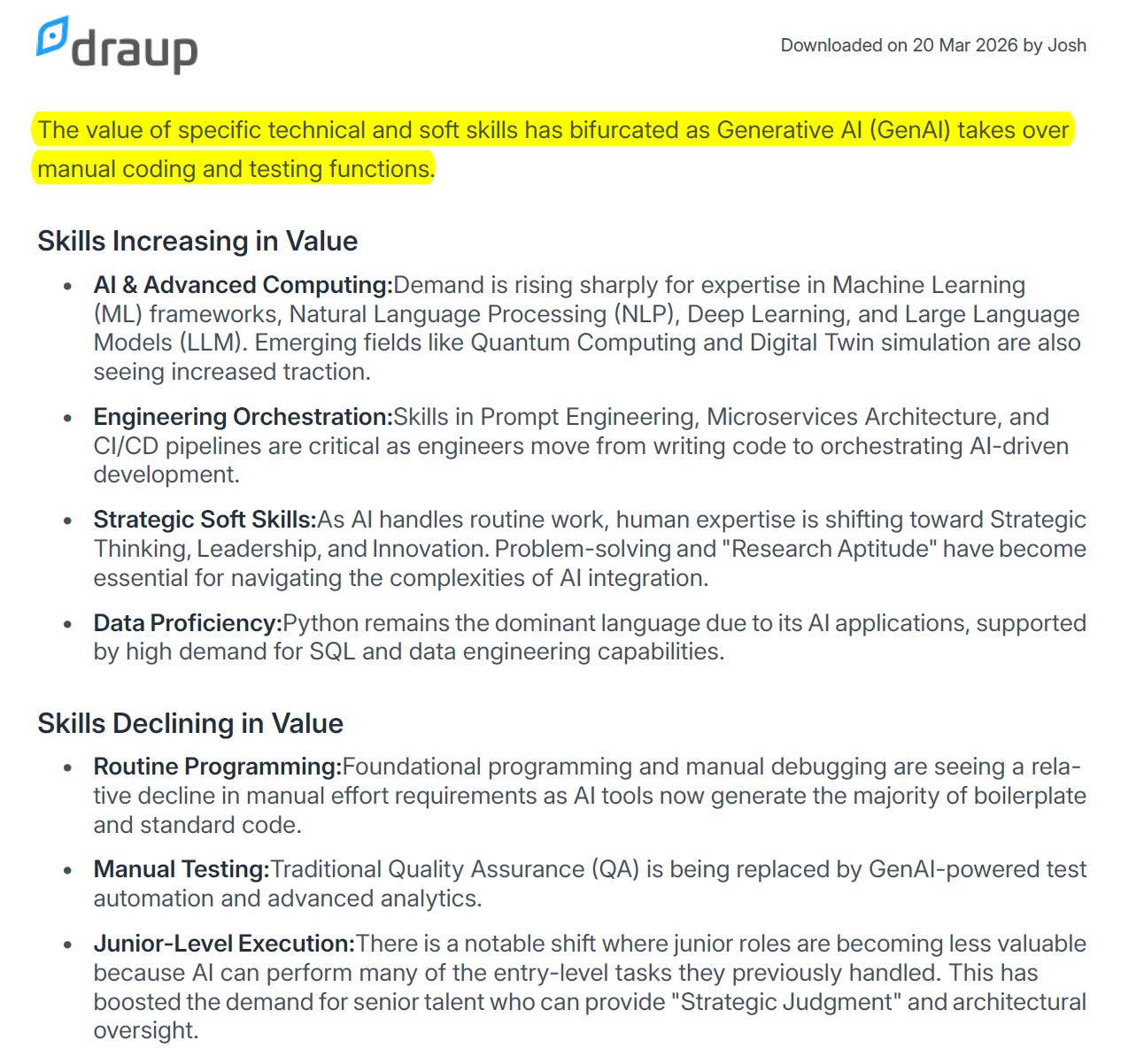
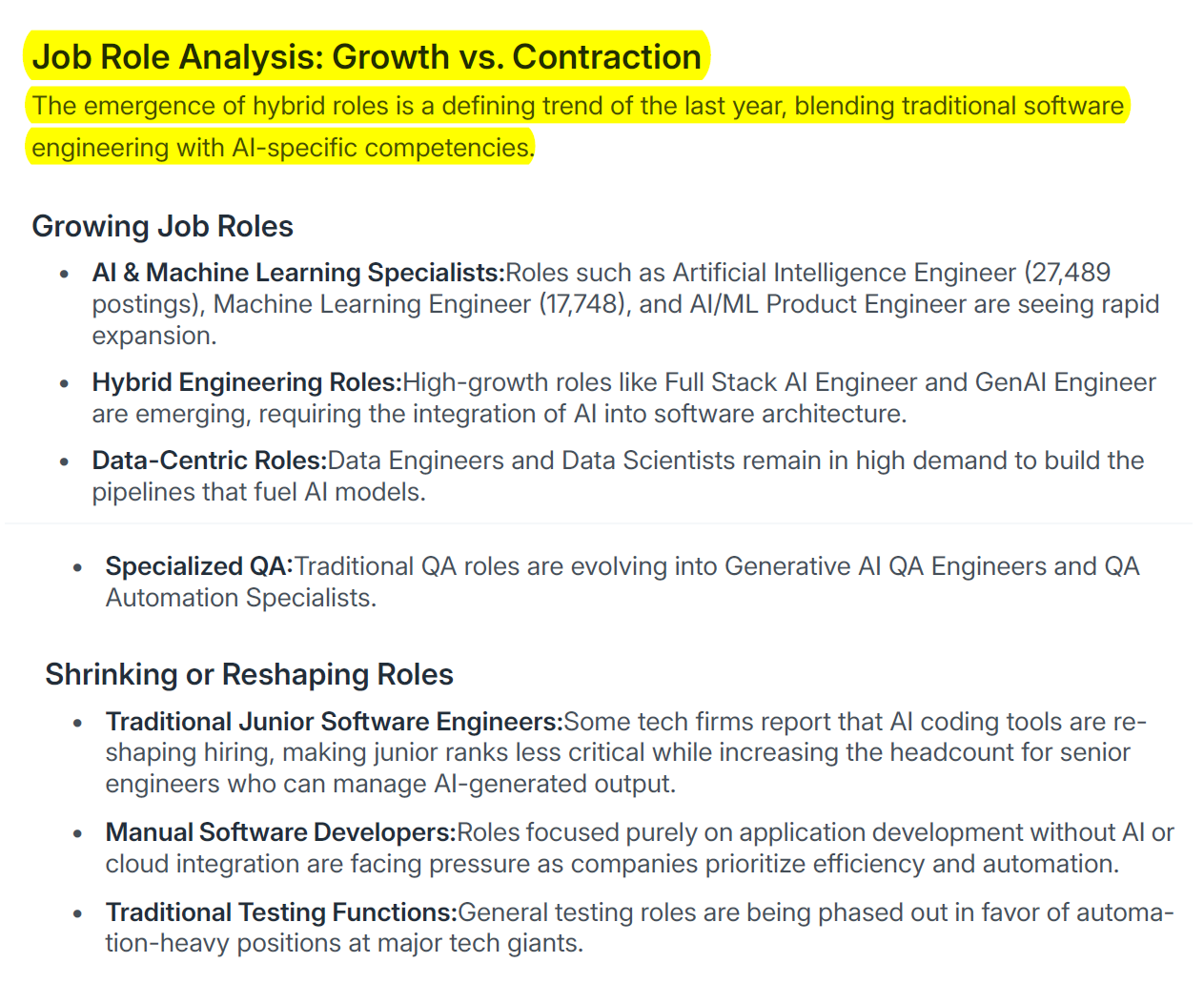
Data on trending versus declining skills within software engineering highlights this shift. Entry-level coding and testing tasks, which are more susceptible to automation, are showing a gradual decline in demand. This is analogous to historical technological shifts, such as the decline of the steno pool with the advent of word processing or the diminished need for telephone operators with the rise of automated switchboards and voicemail systems.
Conversely, new, more specialized roles are emerging, such as "full-stack AI engineer" and "GenAI engineer," alongside AI/ML product engineer positions. These "Superjobs" require a deeper understanding of AI principles, prompt engineering, model integration, and the ethical considerations of AI deployment. The focus shifts from rote coding to orchestrating AI systems and applying them to solve complex business challenges.
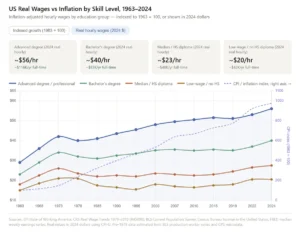
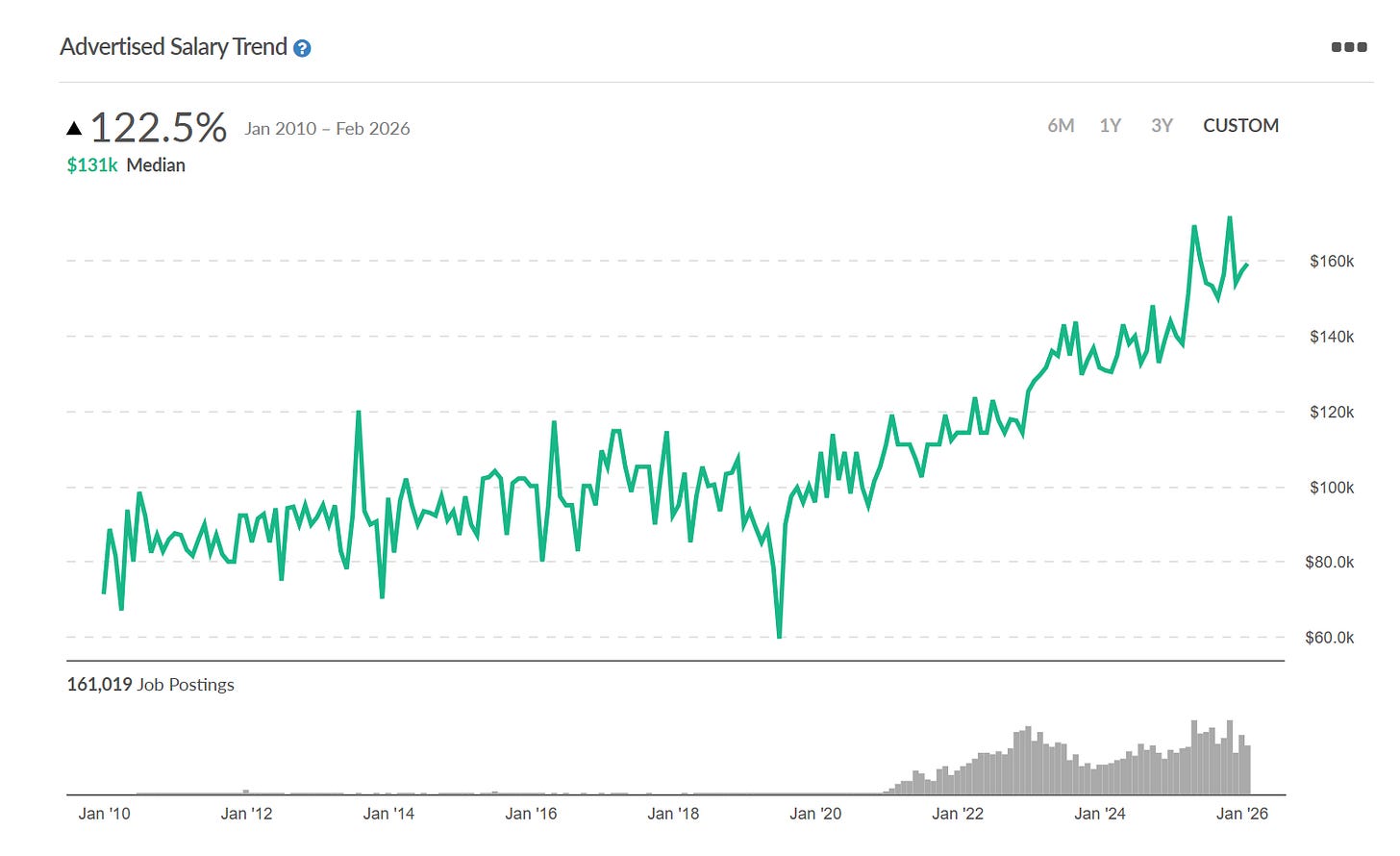
Crucially, this evolution has been accompanied by a significant increase in compensation. Over the past 15 years, software engineering salaries have more than doubled, with an acceleration of over 15% in the last year alone. This demonstrates that, far from eliminating jobs, AI is making highly skilled technical roles more valuable and more financially rewarding.
Healthcare Professionals: Augmentation, Not Obsolescence
The impact of AI on healthcare, another sector often cited for potential job disruption, offers similar insights. Consider the role of X-ray technicians and diagnosticians. A decade ago, the widespread adoption of digital imaging and the potential for AI-powered image analysis led many to predict the obsolescence of these professionals. The argument was that machines could "read" scans with greater accuracy and speed, identifying anomalies like cancer or damage more effectively than humans.
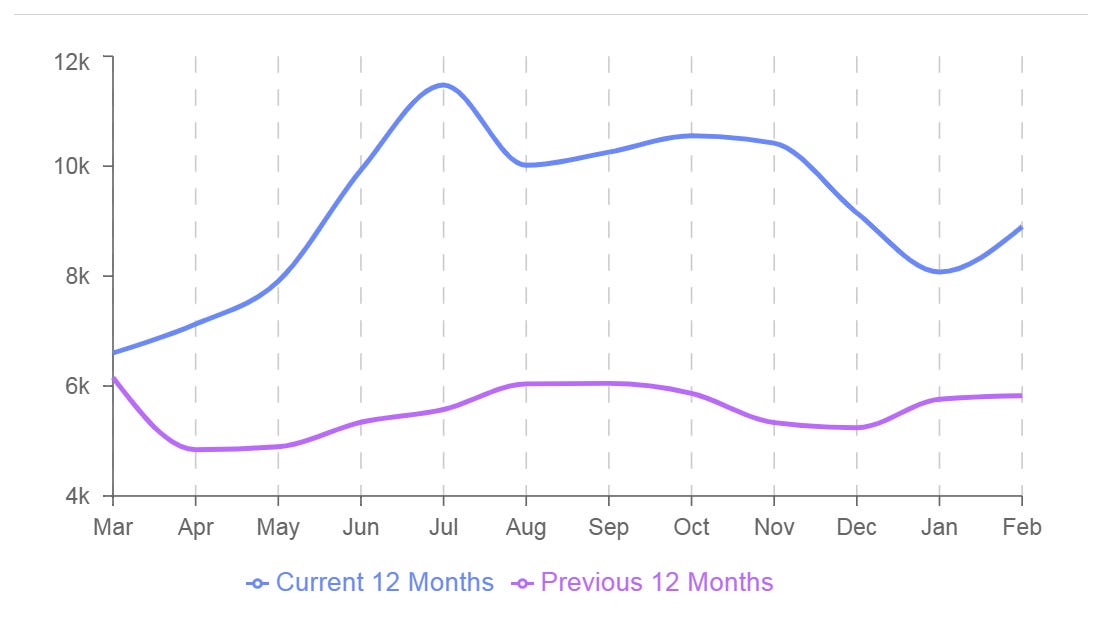
However, the data from Lightcast shows a dramatic increase in job postings for imaging and medical diagnostics, with a 35% year-over-year rise. This surge in demand has not led to a reduction in human roles. Instead, the nature of these jobs has transformed. AI is now used as a powerful tool to assist technicians and diagnosticians. This allows them to handle a greater volume of cases, focus on more complex diagnoses, and dedicate more time to patient care and communication.
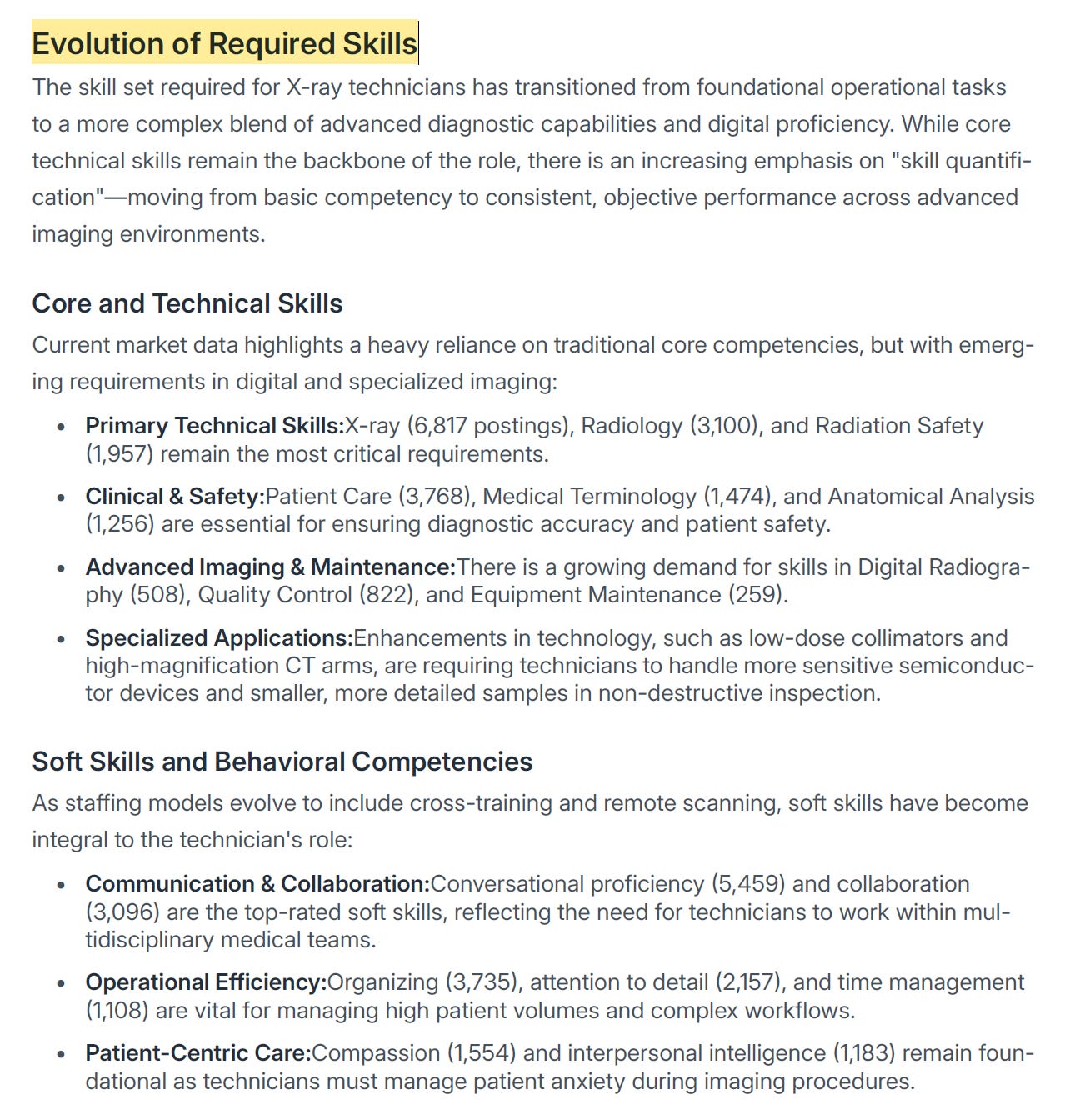
The result is a more efficient and effective healthcare system. The cost of imaging services has become more manageable relative to other escalating healthcare expenses, and the overall volume of diagnostic procedures has increased. This expansion of service capacity, enabled by AI, has created new opportunities and reinforced the value of human expertise in patient interaction, data management, and specialized diagnostic interpretation. The X-ray technician of today is not just operating a machine; they are often managing patient flow, ensuring the quality of AI-processed data, and communicating findings with patients and physicians. These evolving roles can be considered a form of "Superwork" within healthcare.
The Nature of "Superworkers" and the Human Advantage

The common thread across these examples is that technology, including AI, fundamentally changes jobs rather than eliminating them. This phenomenon is not new. Throughout history, technological advancements have reshaped economies and labor markets, yet the overall unemployment rate has remained relatively stable, demonstrating humanity’s remarkable capacity for adaptation.
The underlying reason for this adaptability lies in inherent human strengths that AI cannot replicate. Humans possess a unique combination of creativity, critical thinking, emotional intelligence, and a deep-seated drive to "add value." These traits, honed over millions of years of evolution, enable us to learn, adapt, and innovate in ways that far surpass algorithmic capabilities.

- Innate Learning Ability: Humans are unparalleled learning machines. The process of a baby learning to walk, talk, and comprehend the world exemplifies this innate capacity for adaptation and growth.
- Value Creation: Humans are inherently driven to improve their surroundings and create value. This instinct fuels innovation, problem-solving, and the continuous pursuit of better solutions, whether in business, science, or personal endeavors.
- Resilience and Adaptability: Facing challenges, whether economic downturns, pandemics, or personal adversities, humans consistently find ways to adapt and thrive. This resilience is a testament to our species’ ability to navigate change.
AI, in this context, serves as a powerful tool that augments these human capabilities. It automates the mundane, repetitive, and data-intensive tasks, freeing individuals to focus on higher-order cognitive functions. This liberation allows for "thinking bigger, scaling higher, and growing" – not just for companies and careers, but for individual potential and societal progress.
The Future of Work: Collaboration, Not Competition
The prevailing fear of AI-driven mass unemployment overlooks the fundamental nature of human innovation and adaptation. While specific tasks may be automated, the demand for human ingenuity, strategic thinking, and interpersonal skills will continue to grow. The future of work is likely to be characterized by a collaborative relationship between humans and AI, where each complements the other’s strengths.
Leaders and organizations have a critical role to play in facilitating this transition. By investing in upskilling and reskilling programs, fostering environments that encourage innovation, and embracing AI as an augmentation tool rather than a replacement for human labor, businesses can navigate this evolving landscape successfully. The data suggests that AI is not an existential threat to employment but rather an opportunity to redefine work, making it more engaging, impactful, and ultimately more rewarding for everyone involved.

Learning More and Engaging with the Future
To delve deeper into the evolving nature of work and the role of AI, several resources are available:
- Podcasts: Regular discussions and analyses of AI’s impact on the workforce are featured in numerous podcasts dedicated to HR technology and future of work trends.
- Conferences and Research: Industry conferences and dedicated research initiatives, such as those focusing on "Superwork" and "Superjobs," offer platforms for leaders to discuss emerging trends, share case studies, and explore practical applications of AI.
- AI-Powered Research Platforms: Tools and platforms that leverage AI for labor market analytics provide real-time data and insights into job trends, skill demands, and compensation.
- Historical Analysis: Examining past technological revolutions, such as the impact of industrialization or the digital revolution, provides valuable context for understanding the long-term effects of AI on employment.
The narrative of AI as a job destroyer is increasingly being challenged by empirical evidence and a deeper understanding of human ingenuity. As AI continues to advance, the focus will likely shift from fearing job losses to embracing the opportunities for enhanced productivity, greater job satisfaction, and the creation of new, more sophisticated roles that leverage the best of both human and artificial intelligence.