The contemporary office environment is undergoing a profound transformation, driven by evolving employee expectations and the pervasive influence of hybrid work models. Recent gatherings hosted by HubStar in London and Amsterdam have illuminated a clear strategic pivot among forward-thinking organizations, coalescing around three paramount priorities: justifying the commute, leveraging data for enhanced space utilization, and embracing agile planning and design methodologies. These quarterly forums, designed to foster dialogue among senior leaders from corporate real estate, facilities management, human resources, IT, and workplace experience, have become critical barometers for understanding the forces reshaping how businesses approach their physical workspaces.
The Magnetic Pull of the Modern Office
For years, the debate around office attendance has oscillated between mandates and flexibility. However, the prevailing sentiment at the HubStar events indicates a decisive shift away from prescriptive attendance policies towards cultivating an office environment so compelling that employees are intrinsically motivated to be there. In an era where remote work offers undeniable convenience, the office is no longer a default destination but a competitor for employees’ time and attention. This competitive dynamic necessitates a laser focus on the employee experience.
The discussions highlighted a growing understanding that a successful office must cater to diverse work styles and individual needs. A particularly striking observation from attendees was the nuanced attendance patterns across different career stages. Mid-career professionals, often juggling significant family responsibilities and having established effective remote workflows, appear less inclined to undertake a daily commute. This demographic trend is prompting a more sophisticated approach to design, moving beyond a one-size-fits-all model to persona-based strategies that acknowledge and address the specific requirements of various employee groups. For instance, early-career professionals might benefit from the mentorship and collaborative opportunities the office provides, while seasoned experts might prioritize focused work in a distraction-free environment.
Redefining the Workplace Experience: Beyond Four Walls
The concept of the "workplace experience" is also expanding beyond the confines of the physical building. A recurring theme at the HubStar events was the growing recognition that the commute itself is an integral component of this experience. This broader perspective is compelling organizations to re-evaluate fundamental decisions regarding location, accessibility, and the entire journey an employee undertakes to reach their workspace. Factors such as proximity to public transport, availability of parking, and even the presence of amenities along the commute route are now being considered as part of the overall value proposition of coming into the office. This holistic view acknowledges that a stressful or inconvenient commute can significantly detract from an otherwise positive office experience.
The rise of artificial intelligence (AI) also featured prominently in the discussions, signaling a progression from its initial operational applications to more strategic implementations within the workplace. While there is a general consensus that AI will profoundly influence future workplace requirements, a degree of uncertainty persists regarding the tangible translation of these AI-driven insights into concrete space planning decisions. Questions remain about how AI can be leveraged to predict future space needs, optimize resource allocation, or even personalize individual workspaces in real-time.
Data-Driven Insights: From Collection to Interpretation
The role of data in informing workplace design and strategy continues to grow in prominence. However, attendees at the HubStar events indicated a critical evolution in this area: the emphasis is shifting from mere data collection to insightful interpretation. The true value of workplace data, it was argued, lies not in the volume of information gathered but in the actionable intelligence it generates. This necessitates a continued reliance on human judgment to contextualize and apply these insights effectively. For example, data might reveal that a particular collaboration zone is underutilized, but human observation and employee feedback are crucial to understanding why and then devising appropriate solutions, which could range from redesigning the space to offering targeted training on its intended use.
Embracing Agility and Adaptability in Physical Spaces
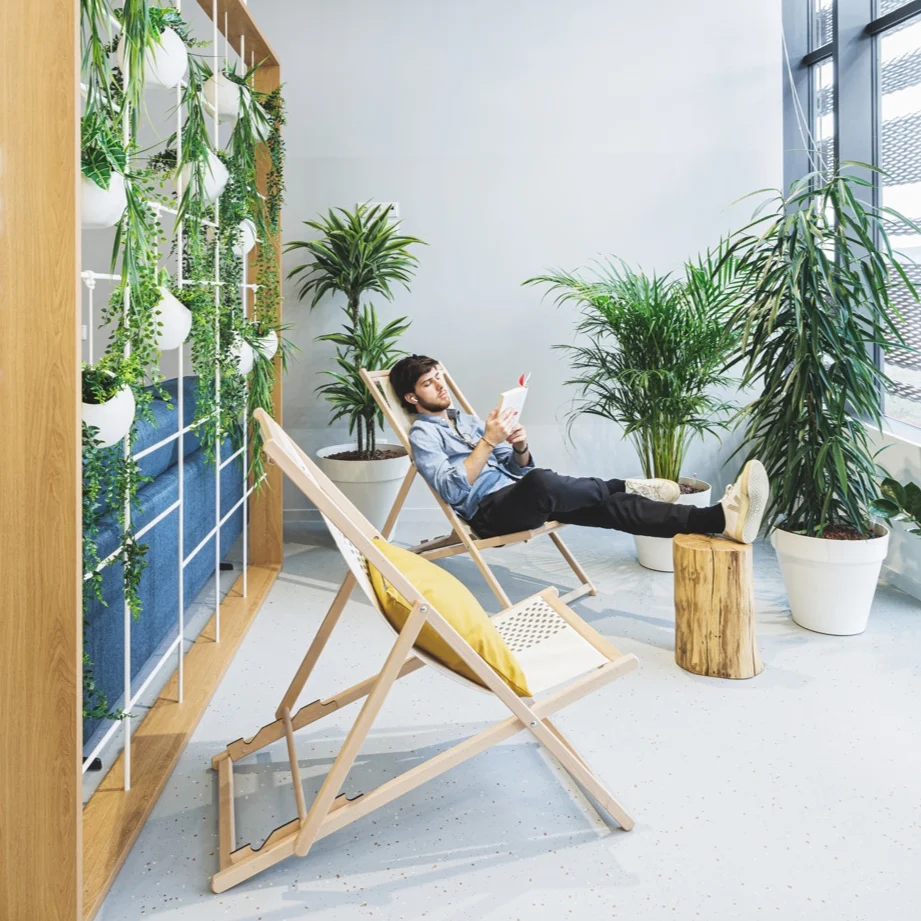
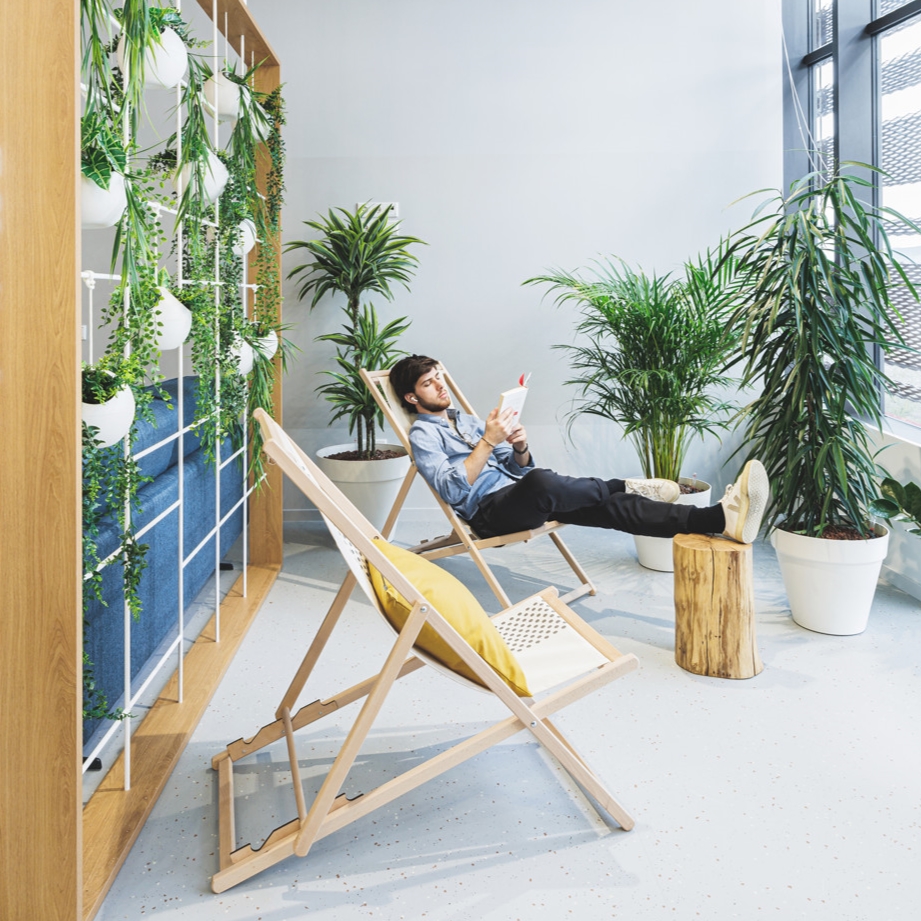
Flexibility in the physical environment is no longer a desirable add-on but a core requirement for contemporary workplaces. Organizations are increasingly prioritizing modular and reconfigurable spaces that can readily adapt to evolving needs and diverse functions. This reflects a fundamental shift in the perception of the workplace from a static entity to a dynamic and organic ecosystem that can transform over time. This might involve the use of movable walls, adaptable furniture systems, or multi-functional zones that can serve as quiet focus areas in the morning and collaborative hubs in the afternoon. This inherent adaptability is crucial for organizations that anticipate ongoing changes in their workforce composition, project requirements, and operational strategies.
The Evolving Definition of Productivity
Concerns about the intricate relationship between the work environment, attention spans, and overall output are also significantly influencing design decisions. Some organizations are actively exploring how physical spaces can be optimized to foster both deep concentration and spontaneous collaboration. This involves creating distinct zones for different types of work, such as quiet pods for focused tasks and open, dynamic areas for team brainstorming.
Furthermore, the measurement of productivity in hybrid settings remains a complex challenge. The traditional metrics that once served as benchmarks are proving insufficient in a distributed work environment. Participants described a move away from these rigid indicators towards a more holistic assessment that includes employee sentiment, engagement levels, and qualitative feedback. This shift acknowledges that productivity is not solely about quantifiable output but also about employee well-being, job satisfaction, and the overall health of the organizational culture.
Background Context: The HubStar Gatherings
HubStar, a prominent player in workplace analytics and management solutions, regularly convenes these high-level forums to facilitate knowledge exchange and address the pressing challenges faced by corporate leaders. The recent London and Amsterdam sessions, held on [Specific Dates if available, or infer from April 2026], brought together a diverse group of executives responsible for shaping the future of work. These events are crucial in a post-pandemic world where the physical office’s role is being fundamentally re-examined. The discussions reflect a broader industry trend towards human-centric design and data-informed decision-making, moving away from outdated models of command-and-control.
Broader Implications and Future Outlook
The insights gleaned from the HubStar events suggest a future where workplaces are not merely functional spaces but strategic assets designed to attract talent, foster innovation, and enhance employee well-being. The emphasis on creating environments that "justify the commute" implies a higher standard for office design and amenities, pushing companies to invest in spaces that offer tangible benefits beyond what can be achieved at home.
The growing reliance on data interpretation signifies a maturing understanding of how to leverage technology for smarter workplace management. This will likely lead to more sophisticated analytics platforms and a greater demand for professionals skilled in translating data into strategic initiatives.
Finally, the embrace of flexibility and adaptability signals a move towards more resilient and future-proof office designs. As organizations continue to navigate economic uncertainties and evolving work trends, the ability to reconfigure and repurpose spaces will be a significant competitive advantage. The ongoing evolution of workplace strategy, as highlighted by these discussions, underscores the dynamic nature of the modern professional landscape and the critical role of thoughtful, human-centered design in shaping its future. The emphasis is no longer just on where people work, but on how and why they choose to engage with their work environment.