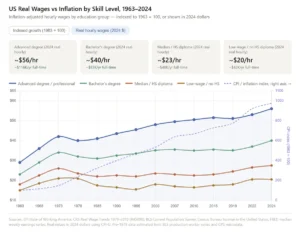
The landscape of leadership is undergoing a profound transformation, driven by a confluence of unprecedented technological advancements, evolving global political dynamics, and a significant erosion of institutional trust. In this complex environment, traditional models of command and control are proving increasingly inadequate, necessitating a fundamental reevaluation of what it means to lead effectively in the 21st century. This shift is not merely about adopting new tools or strategies; it represents a paradigm change in the very relationship between leaders, their organizations, and the individuals who comprise them.
The Decoupling of Employee and Organization: The Rise of the "Voluntary Army"
Historically, leadership was characterized by a clear hierarchical structure where directives flowed from the top down. This industrial-age model, deeply embedded in corporate culture and human resources practices, operated on the assumption of a more passive workforce that largely adhered to instructions. However, this dynamic has been steadily eroding over the past five decades, a phenomenon described as the "decoupling" of the employee from the organization. Today, leaders are increasingly managing what can be characterized as a "voluntary army."
This new reality acknowledges that employees, contingent workers, and even AI-powered collaborators are not merely cogs in a machine but individuals with distinct needs, aspirations, and motivations. Their engagement is not a given; it is an ongoing opt-in process. Consequently, the traditional levers of power—authority and hierarchy—have been supplanted by a more delicate and intangible currency: trust.
Building this trust requires a multifaceted approach. It hinges on clearly articulating a compelling mission, empowering individuals, fostering their development, and actively soliciting and valuing new ideas. In an era of hyper-specialization, where individual expertise can often surpass that of a leader, fostering an environment where everyone feels empowered to contribute insights is no longer a nicety but a strategic imperative. This decoupling, accelerated by the rapid integration of Artificial Intelligence, means that a single insightful engineer or a sharp professional can potentially redefine a company’s trajectory. Leaders must therefore cultivate an environment of active listening, deep engagement, and universal empowerment.
The Imperative of Iteration: Embracing Imperfection in the Age of AI
The second significant shift in leadership is a move from an emphasis on "doing it perfectly" to "doing it now." The advent of powerful, yet inherently non-deterministic and often unpredictable, AI technologies presents a unique challenge. Organizations are under immense pressure to adopt AI to remain competitive, leading to a natural inclination to meticulously plan and execute flawless implementations.

However, recent observations from engagements with leading organizations such as IBM, Standard Chartered, and Mastercard suggest that the pursuit of perfection in AI adoption is a recipe for stagnation and missed opportunities. Waiting for a fully optimized solution carries significant risks in a rapidly evolving technological landscape. The industrial-age approach of launching only polished, version 1.0 products is no longer viable.
In the current AI-driven era, leaders must cultivate comfort with imperfection. Companies like IBM have demonstrated this by implementing new HR systems like SuccessFactors within an aggressive 18-month timeline, acknowledging that the initial deployment would not be flawless. Similarly, Microsoft is actively deploying its Copilot AI agents across various functions, even as new use cases and potential refinements are continuously being discovered. The concept of "waiting until it’s done" is effectively obsolete.
Leaders must recognize that the path from conception to successful implementation is rarely a straight line. It is, instead, a dynamic process characterized by iterations, learning from mistakes, and continuous improvement. The leader’s role is to maintain organizational focus on the core problem or customer need, while simultaneously creating a safe environment for teams to experiment, learn, and adapt. This iterative approach fosters agility and resilience, essential qualities for navigating the uncertainties of the modern business world.
A Renewed Focus on Values: Trust, Ethics, and Inclusion in a Fractured World
The third pivotal change is a re-emphasis on core values, ethical conduct, and moral principles. The contemporary media landscape, often amplified by the spread of AI-generated disinformation, is rife with examples of deception and political polarization, making it increasingly difficult to discern truth. In this climate, leaders bear a critical responsibility to actively counter these trends.
The foundational ethical compass that guides most individuals creates an inherent desire to trust the organizations they are part of. When leaders compromise on their principles, bend rules, or treat individuals unfairly, the consequences extend far beyond potential legal repercussions. Such actions deeply damage morale, erode trust, and stifle the human spirit—the very essence of organizational vitality. This unquenchable power of the human spirit, as articulated in research on employee-focused organizations, remains the most potent, yet often overlooked, business asset.
The Crisis of Trust and the Leader’s Mandate
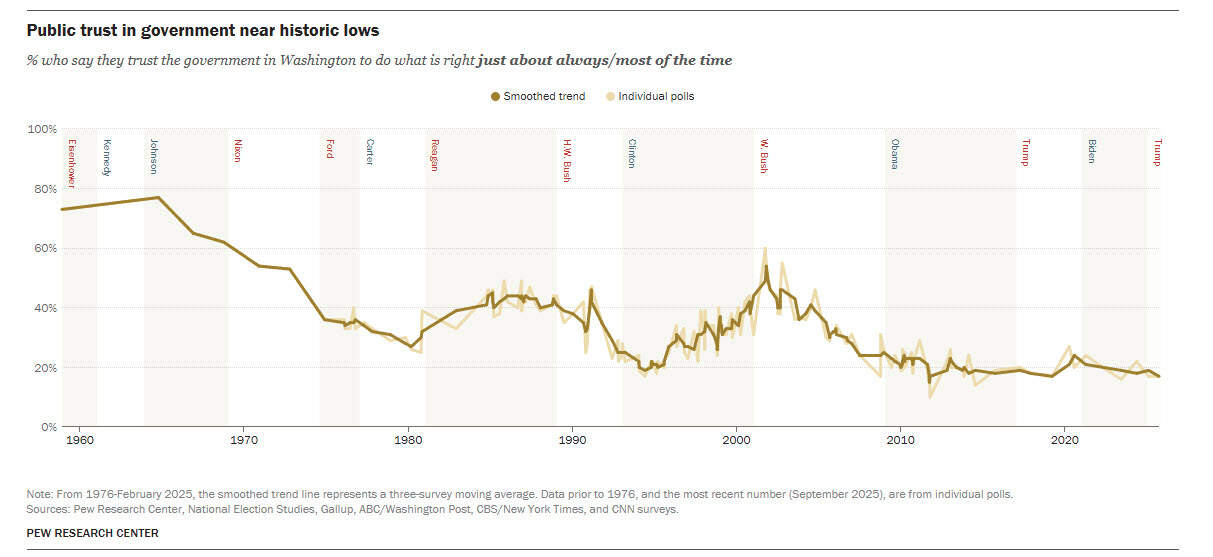
The erosion of public trust in institutions is a pervasive and deeply concerning trend. In the United States, for instance, trust in government has plummeted from approximately 80% in the 1960s to a mere 17% in recent years, according to Pew Research Center data. This precipitous decline creates a void that organizational leaders are now compelled to fill.
Filling this gap requires a steadfast commitment to listening to employees, adhering to fundamental values, and exercising common sense. It means speaking truth to power, taking principled stands on critical issues, and actively engaging with diverse perspectives—values that are increasingly crucial, even amidst complex debates surrounding diversity, equity, and inclusion (DEI). Leaders must embrace these principles to rebuild the trust that is foundational to any thriving organization.
Developing Leaders: The Cornerstone of Organizational Resilience
Ultimately, the ability of an organization to adapt and thrive in this dynamic era is inextricably linked to the quality of its leadership. Leaders who can effectively drive change, ignite enthusiasm, and uphold core values are not just valuable assets; they are the critical enablers of organizational resilience and success.
The research into the "Supermanager" concept highlights the evolving requirements for leadership in this new paradigm. These leaders are characterized by their ability to foster trust, encourage iteration, and champion ethical practices. The development of such leaders is therefore more critical than ever before. Organizations must invest in robust leadership development programs that equip individuals with the skills and mindset necessary to navigate the complexities of the modern workplace.
Tools like Galileo, an AI-powered leadership academy, are emerging to address this need. Trained on decades of leadership research and case studies, Galileo offers personalized leadership development journeys and provides training on leading effectively in the age of AI. This underscores the growing recognition that leadership development is not a static pursuit but an ongoing, adaptive process.
The upcoming Irresistible 2026 conference, scheduled for June 8-10 at USC, is set to launch significant new offerings in leadership development, reflecting the ongoing commitment to understanding and shaping the future of leadership. As the business world continues its rapid evolution, the focus on cultivating adaptable, trust-building, and values-driven leaders will only intensify. The organizations that prioritize this development will be best positioned to navigate the challenges and seize the opportunities of the future.