

B2B marketing is undergoing a fundamental shift as traditional lead generation tactics face diminishing returns, leading organizations to embrace podcasting not as a secondary medium, but as a central pillar of their digital strategy. As the technical barriers to entry continue to plummet, the distinction between successful and failed shows now rests entirely on strategic alignment and the ability to foster genuine industry authority. Data from the Edison Research 2026 Podcast Consumer Report underscores this transition, revealing that 82% of weekly podcast consumers actively watched video podcasts in the third quarter of 2025, while 78% remained loyal to audio-only formats. This dual-consumption trend has forced B2B brands to rethink their production workflows, moving away from simple audio recordings toward a "video-first" content ecosystem that feeds multiple marketing channels simultaneously.

The emergence of podcasting as a corporate necessity follows a decade of evolution in the digital landscape. In the early 2010s, B2B podcasts were often viewed as vanity projects—isolated audio files with little connection to the sales funnel. However, by 2020, the global shift toward remote work and digital-first networking accelerated the medium’s growth. By 2024, the market reached a saturation point where "generic" content no longer sufficed to capture the attention of busy executives. Today, the focus has shifted toward high-utility, niche-specific programming that prioritizes relationship-building over broad reach. Industry analysts suggest that the current era of B2B podcasting is defined by "conversational intelligence," where the goal is to extract unique insights from subject matter experts that cannot be found in AI-generated blog posts or standard white papers.
To navigate this landscape, organizations must first define the specific "business job" a podcast is intended to perform. Experts suggest that "brand awareness" is an insufficient metric for a modern B2B show. Instead, successful programs are built around a primary goal—such as accelerating business growth or strengthening executive credibility—supported by secondary objectives like customer retention or account-based marketing (ABM). For instance, a podcast designed for ABM might prioritize inviting decision-makers from target accounts as guests, thereby creating a natural, non-sales environment for relationship development. This strategic intentionality is what separates high-performing shows from those that succumb to "podfade" within the first six months.
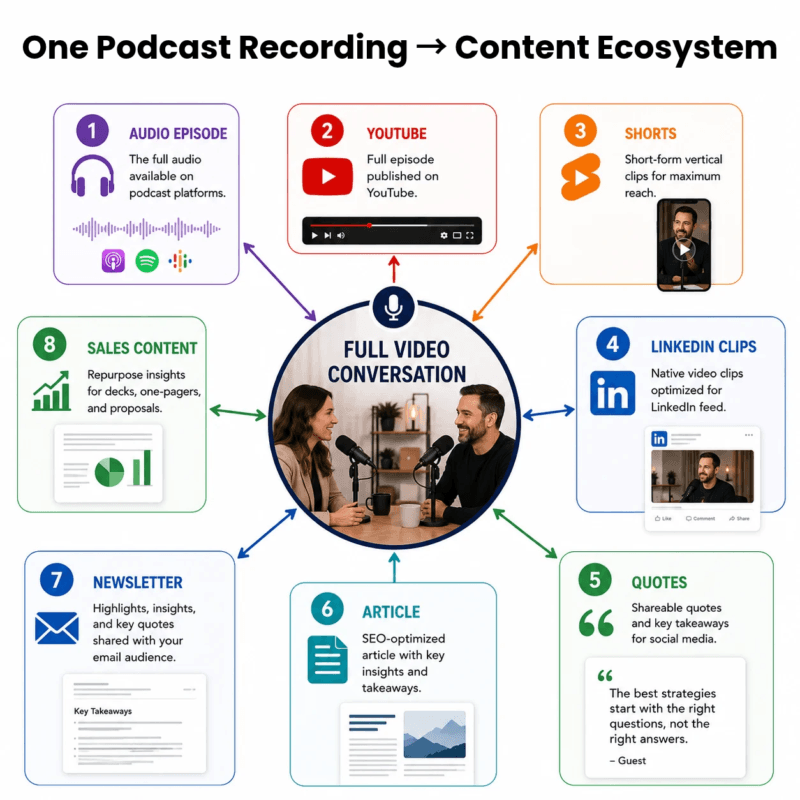
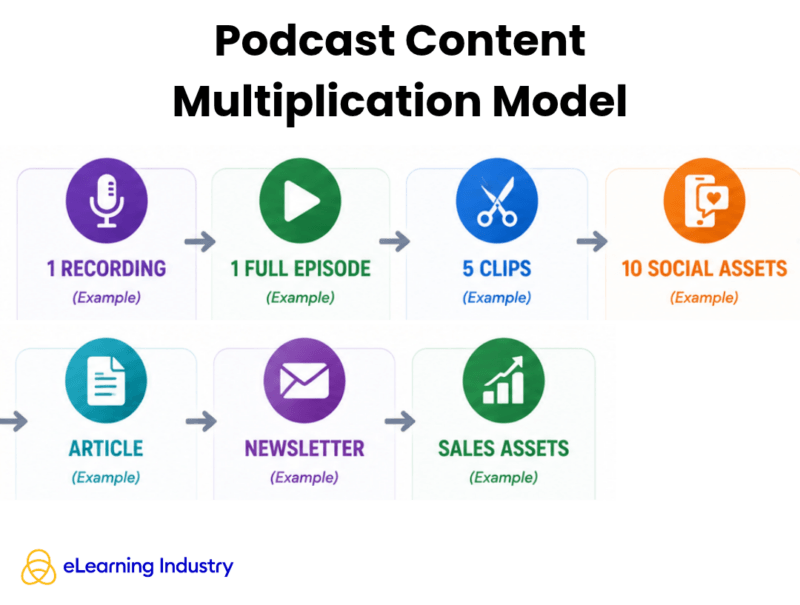
The technical workflow of a modern podcast has also seen a significant overhaul. While early podcasters focused heavily on hardware, the current emphasis is on the "Content Multiplication Model." In this framework, a single 30-to-60-minute recording session serves as the source material for a vast array of assets. A single episode can be distilled into a full YouTube feature, a Spotify audio track, multiple LinkedIn video clips, quote graphics, newsletter highlights, and SEO-optimized articles. This approach ensures that the investment in high-level guests and production staff yields returns across the entire marketing stack. By treating the podcast as a "source asset," brands can fuel their social media and email marketing calendars for weeks with a single conversation.
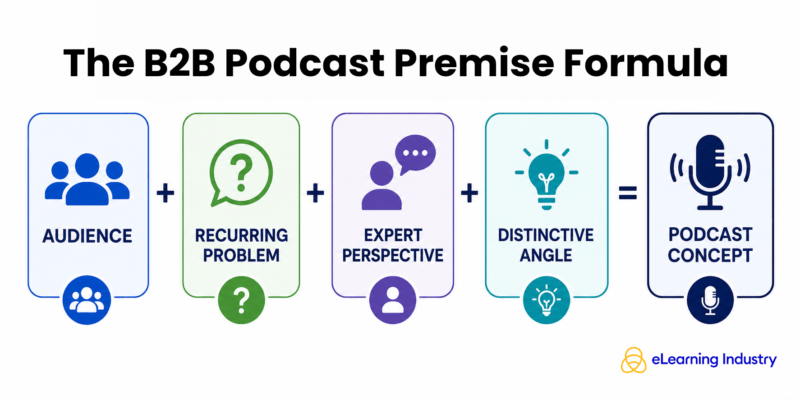
A critical component of this evolution is the "CAST" framework—Clarify, Attract, Systemize, and Turn. Clarification involves defining a distinctive premise that answers why a listener should choose a specific show over hundreds of competitors. A weak premise, such as "a podcast about HR tech," is often replaced by a more focused lens, such as "conversational deep-dives with HR tech founders on scaling from product-market fit to enterprise growth." This specificity allows the brand to attract the right audience rather than a broad, unqualifiable one. Systemization focuses on building a repeatable production engine that prevents team burnout, while the final stage—Turn—focuses on converting that authority into measurable growth, whether through pipeline influence or increased share of voice.
Data-driven insights further highlight the importance of searchability in the podcasting space. With the rise of Generative Engine Optimization (GEO), the transcripts of B2B podcasts have become valuable data points for AI-powered search engines. By publishing indexable website pages that include summaries, key takeaways, and full transcripts, brands are ensuring their insights are discoverable by both human searchers and AI systems like ChatGPT or Perplexity. This integration of audio content into the broader SEO strategy allows companies to claim authority over specific industry keywords and "problem-based" queries that potential buyers are actively researching.
The role of the podcast host has also been re-evaluated in this professional context. Moving away from the tradition of appointing the most senior executive, brands are now selecting hosts based on their ability to facilitate meaningful dialogue. The ideal host must be a skilled researcher and an active listener who can challenge guests and extract "un-googleable" insights. Whether the host is a CEO, a subject matter expert, or a professional moderator, their primary responsibility is to create a space where guests feel comfortable sharing strategic decisions and lessons learned. This human element is increasingly vital as B2B buyers seek out authentic voices in an era dominated by automated content.
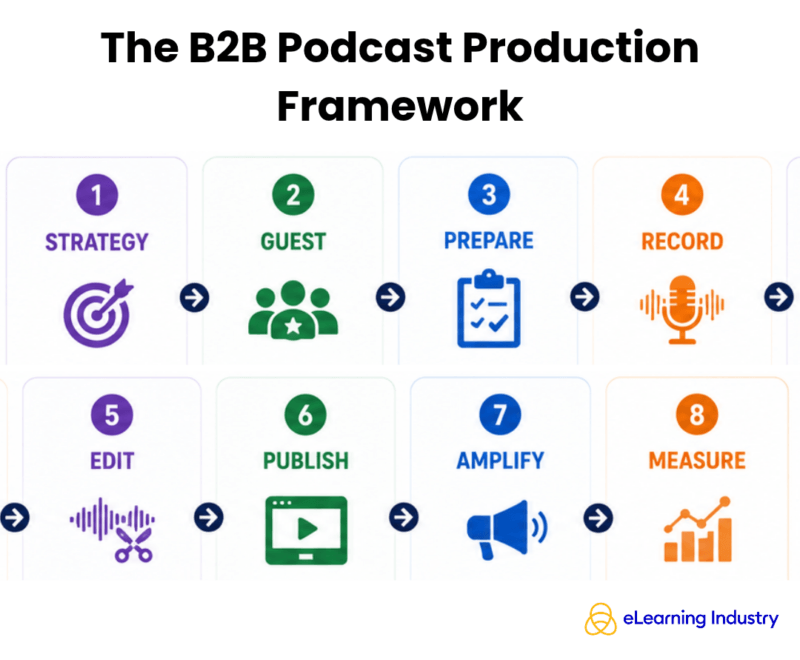
Despite the clear benefits, many organizations continue to stumble over common pitfalls. The most frequent mistake is treating the podcast as a series of "product pitches." Industry experts warn that the moment a podcast begins to feel like a sales presentation, the audience’s trust is lost. Other common errors include inconsistent publishing schedules, poor audio quality, and a lack of preparation. A successful B2B podcast requires a "buffer" of at least three to five episodes before launch to ensure that the team can maintain a consistent cadence even during busy business cycles. Furthermore, the failure to measure the right metrics often leads to premature cancellation. Rather than focusing solely on download numbers—which can be misleading in niche B2B markets—companies are encouraged to track "pipeline velocity," "branded search volume," and "guest-to-customer conversion rates."
From a broader perspective, the impact of B2B podcasting extends into the very fabric of industry networking. By hosting a show, a company effectively becomes a "media entity" within its niche. This position of authority provides a unique advantage in the sales cycle. When a potential buyer has spent hours listening to a company’s leaders discuss complex industry challenges, the level of trust is significantly higher by the time they reach the first sales call. This "pre-warming" of leads is perhaps the most significant, albeit non-linear, contribution of podcasting to the B2B revenue engine.
Looking toward the future, the integration of video and AI will continue to refine how B2B podcasts are produced and consumed. We are seeing the rise of "micro-podcasts"—short, five-to-ten-minute bursts of expert insight—alongside deep-dive narrative series that use storytelling techniques to explore industry case studies. As platforms like YouTube continue to prioritize "Podcasts" as a specific content category, the visibility of B2B shows is expected to grow. Organizations that invest in building a robust, systemized podcasting engine today will likely find themselves at a significant advantage as the digital landscape moves toward a "trust-first" economy.
Ultimately, a successful B2B podcast is not defined by its equipment or its theme music, but by its ability to foster a community around shared professional challenges. It is a platform for the exchange of intellectual capital. When executed with a clear strategy, a distinctive premise, and a commitment to high-quality production, a podcast becomes more than a marketing channel; it becomes a strategic asset that builds long-term authority, strengthens critical industry relationships, and drives sustainable business growth in an increasingly crowded marketplace. For leaders in sectors like HR Tech, EdTech, and AI, the message is clear: the conversation is already happening, and the most successful brands are the ones hosting it.






