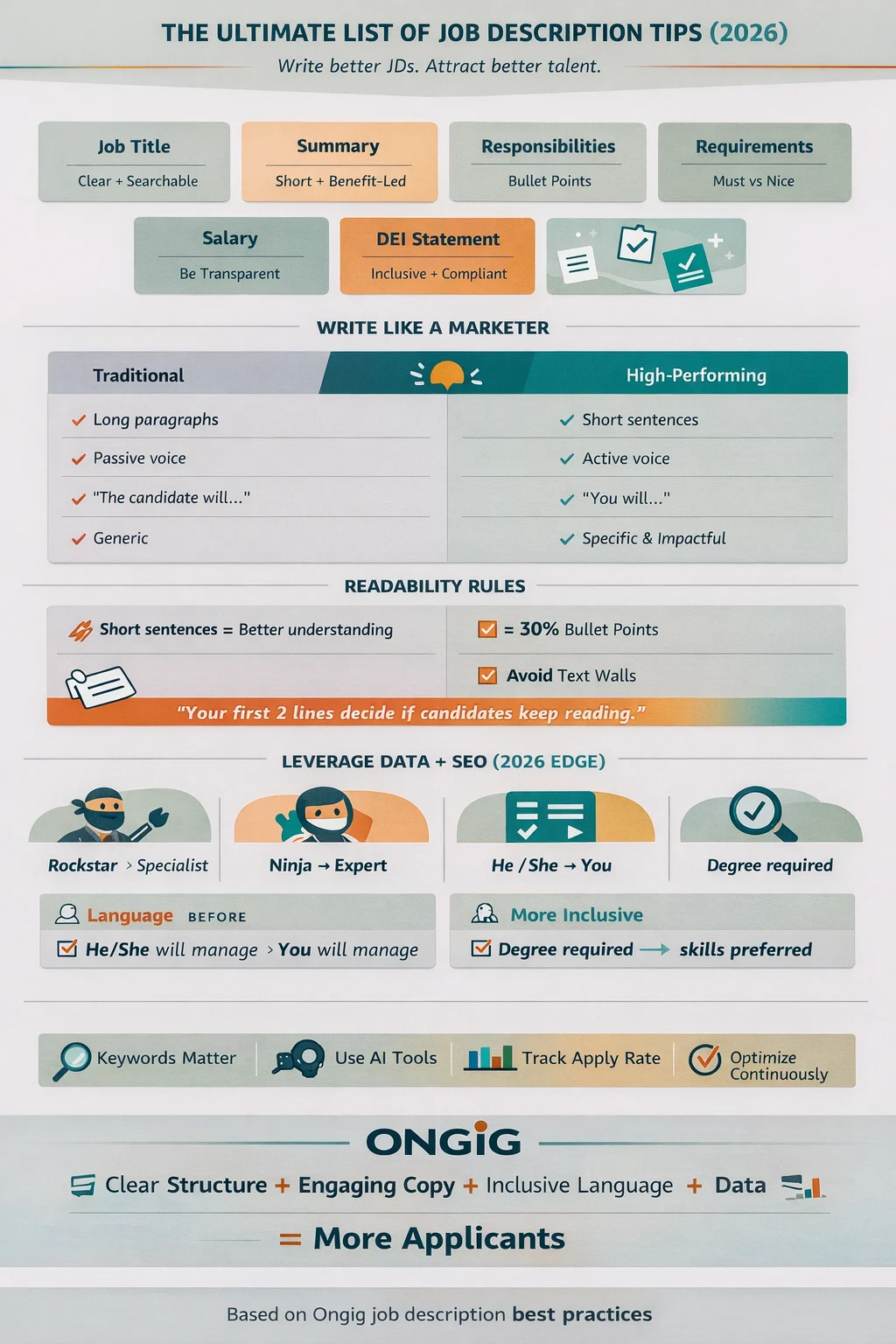
In a fiercely competitive global talent landscape, the humble job description (JD) has transcended its traditional role as a mere administrative document to become a critical strategic tool for attracting and securing top candidates. No longer just a list of duties and requirements, a well-crafted job description is now a company’s initial, and often most impactful, piece of employer branding, capable of making the difference between attracting a diverse pool of highly qualified applicants and being overlooked. This transformation underscores the urgent need for organizations to refine their JD creation processes, integrating best practices that reflect modern workforce expectations, legal mandates, and technological advancements.
The Foundation of Attraction: Understanding the Modern Job Description
At its core, a job description remains a written summary detailing a role’s responsibilities, required qualifications, and reporting structure. However, its contemporary significance extends far beyond this functional definition. For candidates, it serves as the initial real signal about a job’s essence and the company’s culture. A poorly constructed JD can prematurely disqualify qualified applicants, costing organizations valuable time and resources in their recruitment efforts. Historically, JDs were often static, internally focused documents. Today, they are dynamic marketing instruments, crucial for navigating a labor market characterized by evolving candidate priorities, increasing demand for transparency, and a heightened focus on diversity, equity, and inclusion (DEI). The strategic importance of JDs is further amplified by their legal weight, as they often form the basis for compliance with fair employment practices and compensation regulations.
Blueprint for Success: Core Principles of Effective JD Creation
To effectively compete for talent, organizations must adhere to foundational principles that ensure clarity, professionalism, and candidate engagement.
Clarity and Consistency in Structure: The presentation of information significantly influences readability and candidate perception. Maintaining a consistent section order across all job descriptions on a company’s career page is paramount. If the "About Us" section appears at the beginning of one JD, it should consistently appear there across all others. This uniformity aids navigation for applicants browsing multiple roles and projects an image of organizational professionalism and attention to detail. Similarly, adopting a single point of view (POV) – whether first-person ("we," "us") or second-person ("you") – and adhering to it universally enhances consistency. While a third-person POV is permissible, first or second-person generally fosters a more personal and inviting tone, crucial for building rapport with potential hires. Boilerplate sections, such as company mission, benefits, and diversity statements, must also be identical across all JDs. This not only reinforces brand messaging but also streamlines the approval process, particularly when legal or corporate departments are involved.
Brevity and Precision: Eliminating Jargon and Filler: In an age of information overload, candidates scan job descriptions rather than meticulously read them. Research, including eye-tracking studies, consistently shows that applicants spend an average of 14 seconds reviewing a JD before deciding whether to apply. This limited attention span necessitates extreme conciseness. Every sentence that does not directly contribute to a candidate’s decision to apply is a sentence working against the organization. Recruitment teams should ruthlessly cut corporate jargon, mission-statement platitudes, and any filler language. A practical gut-check: if a line doesn’t describe the role, its requirements, or compelling reasons to join, it should be deleted. Furthermore, industry-specific jargon or "corporate speak" can confuse entry-level candidates or those transitioning from different sectors. A 2019 study highlighted that 38% of job ads contained jargon, inadvertently shrinking the potential applicant pool. Opting for clear, universally understood language is essential for broader appeal.
Strategic Titling: Optimizing for Search and Clarity: The job title is often the first, and sometimes only, element a candidate sees. It must be simple, searchable, and immediately convey the role’s essence. Avoiding internal-facing titles or tiered designations (e.g., "Sales Apprentice II" instead of "Sales Apprentice") is crucial unless these tiers are universally recognized within the industry. Such internal nomenclature can confuse external candidates and hinder discoverability on job boards, potentially causing applicants to scroll past a perfectly relevant posting. Clear, industry-standard job titles also significantly improve a JD’s search engine optimization (SEO), ensuring it appears in relevant candidate searches.
The Transparency Revolution: Salary, Perks, and Location
Modern candidates demand transparency, especially regarding compensation, benefits, and work arrangements. Companies that embrace this demand gain a significant competitive edge.
Pay Transparency: A Growing Mandate: The inclusion of salary information is rapidly becoming a non-negotiable expectation and, increasingly, a legal requirement. An Indeed survey revealed that nearly one in four job seekers considers compensation the most important aspect of a job description. The legislative landscape is shifting rapidly, with 16 U.S. states and numerous cities having enacted pay transparency laws, requiring salary ranges to be disclosed in job postings (e.g., California, New York City, Colorado, Washington). While exact figures aren’t always necessary, a clear salary range is sufficient. This transparency fosters trust, promotes pay equity, and demonstrably increases application rates, particularly from underrepresented groups who may be less likely to negotiate. Organizations that proactively disclose salary ranges, even where not legally mandated, position themselves as progressive and candidate-centric.
Beyond Compensation: Highlighting Company Culture and Benefits: While salary is critical, it’s often not the sole deciding factor for top talent. In the wake of trends like the "Great Resignation" and the "Great Renegotiation," candidates prioritize work-life balance, professional development, and a supportive company culture. Flaunting company perks and benefits—such as paid vacation time, monthly incentives, comprehensive health and wellness programs, or flexible work schedules—provides additional compelling reasons for candidates to apply. Gallup data indicates that 6 in 10 employees with remote-capable jobs desire a hybrid arrangement, and less than 10% prefer to be fully on-site. Clearly articulating the full spectrum of benefits paints a holistic picture of the employee value proposition.
Defining the Work Environment: Remote, Hybrid, On-site Clarity: Ambiguity regarding work location is a significant deterrent for many candidates. Whether a role is fully on-site, hybrid, or entirely remote, this information must be explicitly stated. For hybrid roles, detailing the expected days in the office and the degree of flexibility is essential. For on-site positions, providing context or reasons for the physical presence can mitigate concerns. For fully remote roles, clarifying time zone requirements or occasional travel expectations is crucial. Vague statements like "flexible working options available" are often perceived as red flags, leading to candidate drop-offs during the interview process. Clarity on work location reflects respect for a candidate’s time and life choices.
Cultivating an Inclusive Pipeline: Language, Skills, and Equity
Inclusive recruitment practices are no longer just an ethical imperative but a strategic necessity for accessing the broadest and most diverse talent pools.
Bias-Free Language: Identifying and Eliminating Exclusionary Terms: Certain words in job descriptions can subtly, yet effectively, filter out qualified candidates and, in some cases, create legal exposure under EEOC and state fair-employment laws. Language that discriminates based on protected characteristics like age ("young and energetic"), gender ("ninja," "rockstar" often attract more male applicants, or specific pronouns where gender is irrelevant), or disability must be meticulously avoided. Research by LinkedIn’s Gender Insights found that women apply to 20% fewer jobs than men and are 16% less likely to apply after viewing the same role, partly due to how requirements are phrased. Tools like Ongig Text Analyzer can help audit JDs for biased language and suggest inclusive alternatives, fostering a truly equitable application environment.
Skills-First Hiring: Prioritizing Capabilities Over Credentials: The traditional emphasis on academic degrees and rigid years of experience is giving way to a "skills-first" approach. The National Association of Colleges and Employers (NACE) Job Outlook 2026 survey reported that 70% of employers now use skills-based hiring, up from 65% the previous year. This shift acknowledges that what a person can do is often more critical than how or where they acquired their knowledge. Instead of rigid requirements like "Bachelor’s degree required" or "5 years of experience," organizations should list the specific skills, competencies, and knowledge necessary to perform the job effectively. LinkedIn data underscores the profound impact of this approach, showing that evaluating candidates based on skills rather than titles or education can expand the talent pool nearly 19 times, leading to an average 9.4x increase in eligible workers across all jobs. This paradigm shift broadens access for self-taught individuals, those with vocational training, or those from non-traditional backgrounds, significantly enriching the talent pipeline.
Separating Essential from Desired Qualifications: Bundling all requirements into a single list can intimidate even highly qualified candidates, causing them to self-select out. This is particularly true for women and underrepresented groups, who are statistically less likely to apply unless they meet 100% of the stated qualifications. A critical best practice is to clearly delineate "must-have" essential qualifications from "nice-to-have" desired qualifications. This simple separation encourages a broader range of applicants, signaling that the company values potential and learning, not just a perfect match to an exhaustive checklist.
Authentic DEI Statements: Moving Beyond Boilerplate: While legally sound, a generic "We’re an equal opportunity employer" statement often blends into the background. Modern candidates, especially those from diverse backgrounds, seek genuine commitment to DEI. Personalizing the equal opportunity statement to reflect how the company actually operates, its specific DEI initiatives, and its inclusive culture transforms a legal disclaimer into a powerful employer branding message. Such statements should convey authenticity and link to tangible actions, resonating more deeply with candidates seeking an inclusive workplace.
Enhancing Candidate Experience: Engagement and Transparency in the Process
Beyond the written word, the overall candidate experience, from initial contact to offer, plays a pivotal role in talent acquisition.
Multimedia Integration: Videos, Images, and Interactive Elements: In today’s digitally immersive world, static text can feel unengaging. Incorporating multimedia elements like embedded videos (showcasing company culture, team day-in-the-life, or office tours), compelling photos, or infographics can significantly boost engagement. These elements provide richer context, allow candidates to visualize themselves in the role and environment, and help the JD stand out from competitors. Tools like Google Maps API can also be integrated to provide a clear picture of the physical location, enhancing engagement by preventing candidates from needing to leave the page. Furthermore, enabling interactive communication channels like instant messaging, chatbots, or direct email links (perhaps leveraging LinkedIn’s API) demonstrates responsiveness and accessibility.
Process Transparency: Demystifying the Hiring Journey: The application process often feels like a black box to job seekers, shrouded in uncertainty. Companies that demystify this journey build trust and reduce candidate anxiety. Google, for instance, excels in this by providing a dedicated "How We Hire" page that walks candidates through every stage, from resume submission to offer. This includes an "Interview Prep" section with best practices and advice, empowering candidates to prepare effectively. Such transparency manages expectations, reduces drop-off rates, and positions the company as considerate and transparent.
Employee Testimonials: Leveraging Social Proof: Nothing speaks more authentically about a company than the voices of its current employees. Integrating testimonials, whether as written quotes, short video clips, or detailed employee stories, provides invaluable social proof. These firsthand accounts offer genuine insights into the company culture, work environment, and career growth opportunities, resonating powerfully with prospective candidates seeking an authentic connection with their future employer.
The AI Imperative: Leveraging Technology Responsibly
The rapid adoption of artificial intelligence in HR and recruitment offers powerful tools for efficiency, but also introduces new risks that require diligent human oversight.
AI in JD Generation: Benefits and Inherent Risks: Many recruiting teams are now leveraging AI to generate initial drafts of job descriptions, significantly speeding up the process. However, relying solely on AI without human review carries substantial risks. AI models, trained on vast datasets, can inadvertently perpetuate existing biases present in historical job postings, leading to the generation of gendered language, ageist terms, or requirements that don’t align with the actual needs of the role. Common pitfalls include the inclusion of outdated credentials, the insertion of unnecessary or irrelevant requirements, or the generation of overly generic or jargon-filled content. The ethical implications of AI bias in hiring are significant, potentially limiting diversity and leading to legal challenges.
Human Oversight and Auditing: The Critical Role of Review: The solution is not to abandon AI but to integrate robust human oversight. Every AI-generated JD must undergo a thorough audit before publication. This includes running it through bias-checking tools (like Ongig’s Text Analyzer), scrutinizing requirements for alignment with the actual role and company’s hiring philosophy, and eliminating any gendered language or credential bars that contradict a skills-first approach. This hybrid model leverages AI for speed while ensuring human values of fairness, accuracy, and inclusivity are maintained. The conversation around disclosing AI-assisted job postings is also emerging, reflecting a broader trend towards transparency in AI usage.
Automation for Efficiency: Templates and Builder Tools: Beyond AI generation, automation plays a crucial role in standardizing and streamlining JD creation. Utilizing templates, whether in Microsoft Word, Google Docs, or specialized software, ensures consistency across all postings, reduces manual effort, and serves as a reliable repository of approved content. Job description builder tools further enhance this efficiency, helping teams craft effective, inclusive JDs, speed up writing, and create reusable components. This automation frees up recruiters to focus on higher-value tasks, such as candidate engagement and strategic talent mapping.
Key Considerations for Modern Recruiters
In the dynamic talent market of today and tomorrow, recruiters must continually adapt their approach to job descriptions. They are often the first interaction a candidate has with a company, making a clear, well-structured JD a signal of organizational excellence. Regular review—at least annually for evergreen roles and with every reposting—is essential, as job titles, salary expectations, and required skills evolve rapidly. While not always legally mandated, writing inclusive job descriptions is a strategic imperative; biased language demonstrably shrinks applicant pools and can create legal vulnerabilities. Employing bias-checking tools is a proactive measure to ensure fairness. Finally, while job descriptions themselves aren’t universally required by law, the content within them carries significant legal weight, particularly concerning pay transparency and non-discrimination, underscoring the need for diligence and accuracy.
By embracing these strategic approaches to job description creation, organizations can transform a foundational HR document into a powerful magnet for the diverse, skilled talent essential for future success.