
The notion of gratitude in the workplace might initially evoke images of sentimental gestures, often perceived as "soft" or "squishy." However, a closer examination of business outcomes reveals a compellingly tangible return on investment. A deeply ingrained culture of appreciation is not merely a pleasant addition to the work environment; it is a strategic imperative that significantly influences key performance indicators crucial for human resources departments. This includes enhanced employee engagement, improved wellbeing, increased retention rates, and a direct boost to day-to-day performance. Research consistently highlights that personalized recognition, a core component of fostering gratitude, is intrinsically linked to heightened feelings of appreciation, a stronger sense of connection to the organization, improved overall wellbeing, and a greater intent to remain with the company.
Therefore, workplace gratitude transcends mere politeness, though civility is a foundational element. It represents a practical, evidence-based approach to cultivating a healthier organizational culture and a more robust employee experience, achievable without necessitating a complete overhaul of existing people strategies. This article will delve into the multifaceted definition of workplace gratitude, explore its profound significance, and provide actionable strategies for HR leaders to embed it consistently into the fabric of daily operations.
Defining Workplace Gratitude: More Than a Casual Thank You
Workplace gratitude is fundamentally the deliberate and consistent practice of identifying, acknowledging, and valuing individuals for their contributions, their dedicated effort, and the tangible impact they make within the organization. This appreciation should not be confined to moments of significant achievement or reserved solely for annual performance reviews. Instead, it should be an ongoing, integral part of how employees experience their professional environment on a day-to-day basis.
This distinction is critical and separates genuine workplace gratitude from generic acknowledgments or the perfunctory "thanks" often exchanged in digital communication channels. While a one-time expression of gratitude can offer momentary positive reinforcement, true workplace gratitude delves deeper. It is characterized by specificity, consistency, and a foundation of genuine appreciation for both the tasks employees perform and their inherent value as members of the team.
Ideally, workplace gratitude evolves into a deeply ingrained habit rather than an occasional observance. This means managers proactively recognize progress, colleagues enthusiastically celebrate each other’s support and collaborative efforts, and leadership actively reinforces the behaviors and values the organization wishes to promote. The ultimate outcome is a workplace where appreciation is not an add-on but an intrinsic element of how work is conducted.
For HR leaders, this nuanced understanding is paramount. When gratitude is approached as an intentional, continuous practice, it cultivates an environment where employees feel seen, valued, and intrinsically motivated to continue their contributions. This motivation stems not from a singular positive message received on a particular day, but from the pervasive understanding that appreciation is an embedded aspect of the organizational workflow.

The Far-Reaching Impact of Workplace Gratitude
The integration of gratitude into the employee experience yields benefits that extend far beyond fleeting positive emotions. It profoundly shapes employees’ perceptions of their work, enhances team dynamics, and ultimately contributes to sustained organizational performance. In essence, gratitude effectively addresses both the humanistic and the business dimensions of the workplace, a dual benefit highly valued by HR professionals.
1. Bolstering Employee Wellbeing
The feeling of being appreciated has a significant and positive impact on the daily work experience of employees. When individuals understand that their efforts are recognized and valued, they are more likely to feel supported, experience greater motivation, and develop a stronger emotional connection to their workplace. This is crucial because wellbeing encompasses more than just access to resources; it fundamentally relies on employees feeling recognized as individuals, rather than mere cogs in a machine producing calendar invites and quarterly reports.
As a leading HR platform, Reward Gateway emphasizes, "Gratitude helps reinforce a sense of value and belonging, which can create a healthier foundation for both individual resilience and overall employee experience." This sense of belonging and validation is a critical component of mental and emotional health within the professional sphere.
2. Elevating Employee Engagement
Employees are demonstrably more inclined to remain engaged when they believe their contributions are acknowledged. Gratitude effectively establishes a vital feedback loop, signaling to individuals that their work has a tangible impact, that their efforts are not lost in an impersonal corporate system, and that their daily contributions are meaningful to both their team and the broader business objectives.
This pervasive sense of appreciation can significantly strengthen an employee’s emotional commitment to the organization. Data from a report by Reward Gateway | Edenred indicates that a substantial "82% of employees say personalized recognition makes them feel more connected to their workplace." This heightened sense of connection is a powerful and reliable driver of engagement.
3. Enhancing Job Satisfaction
Job satisfaction is a complex metric influenced by factors extending beyond compensation and job titles. Employees also seek to feel respected, valued, and acknowledged for their specific roles within the organizational structure. Gratitude directly supports this by making appreciation more visible and more frequent, moving away from implied acknowledgments that employees might not consciously perceive.
When employees consistently receive affirmation that their work is meaningful, they are more likely to develop positive sentiments towards their role and the organization as a whole. Over time, this fosters a more rewarding employee experience, without relying solely on extravagant perks or infrequent morale-boosting initiatives.

4. Mitigating Stress and Reducing Absenteeism
Workplaces that neglect appreciation can quickly become draining environments. When effort goes unnoticed, employees may experience feelings of disconnection, discouragement, or burnout, feeling as though they are expending significant energy without clear validation of its worth. Gratitude serves as a powerful antidote to this, reinforcing a sense of support, acknowledging progress, and fostering human connection – all of which can alleviate the emotional strain individuals carry in their professional lives.
Empirical data supports this correlation, with "73% of employees stating that personalized recognition helps them feel less stressed," according to internal research from Reward Gateway. A reduction in workplace stress often precipitates positive ripple effects, including improved attendance, increased energy levels, and greater overall team stability.
5. Strengthening Retention Rates
The principle is straightforward yet critically important: employees are more likely to remain with an organization where they feel genuinely valued. Gratitude reinforces the message that employees are making a meaningful difference, which in turn cultivates stronger loyalty and diminishes the inclination to seek appreciation elsewhere.
This tangible connection is clearly reflected in the data: "81% of employees report that customized recognition makes them more likely to stay with their company longer," as per Reward Gateway research. For HR teams prioritizing retention, gratitude is not merely a feel-good initiative; it is a pragmatic strategy for fostering deeper employee investment and commitment.
6. Cultivating a Positive Workplace Culture
Organizational culture is sculpted by consistent actions, not merely by aesthetically pleasing posters displayed in common areas. When gratitude becomes an integral part of interpersonal interactions, it establishes a pervasive tone of respect, encouragement, and shared appreciation. This fosters an environment where teams are more inclined to celebrate effort, acknowledge collaborative achievements, and reinforce behaviors that contribute to a stronger workplace.
Over the long term, this process cultivates a culture where individuals feel more connected to their colleagues and more confident that their contributions are recognized. When appreciation becomes the norm rather than a rare occurrence, a positive culture transforms from an aspirational goal into the lived reality of the employee experience.
Practical Strategies for Nurturing Gratitude
Understanding the importance of gratitude is the first step; embedding it consistently into the daily workflow is the subsequent, more challenging, yet ultimately more rewarding phase. For HR leaders, the objective is not to orchestrate sporadic bursts of appreciation that are easily forgotten. Instead, the aim is to establish recognition that is consistent, visible, and meaningfully aligned with the organization’s core values and objectives.

Structure is a vital enabler in this process. When gratitude is supported by clearly defined programs, established shared habits, and consistent leadership behaviors, it becomes more accessible for employees to participate and more sustainable for the culture to maintain. This approach moves beyond relying on a few naturally expressive managers or an enthusiastic individual within the HR department, instead creating a systemic framework that integrates appreciation into the fundamental operations of the business.
Establishing a Formal Recognition Program
A well-structured formal recognition program provides a reliable foundation for gratitude within an organization. It offers a clear and accessible mechanism for both employees and managers to acknowledge contributions, celebrate milestones, and reinforce desirable behaviors, thereby removing the element of chance from the equation of appreciation.
The most effective programs facilitate ease of giving, receiving, and connecting recognition back to overarching business objectives. Furthermore, they empower HR to ensure that appreciation is distributed consistently across diverse teams, geographical locations, and leadership levels, preventing it from becoming concentrated only in departments with more vocal communication channels.
Championing Peer-to-Peer Recognition
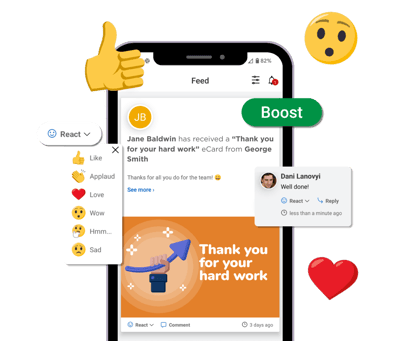
The impact and longevity of gratitude are significantly amplified when it flows in all directions. While manager-led recognition holds considerable weight, peer-to-peer recognition plays a crucial role in integrating appreciation into the everyday team dynamic, transforming it from a top-down event into a collective practice.
Colleagues are often privy to the subtle yet significant moments that might escape the notice of leadership: an individual stepping in to assist with a pressing deadline, facilitating a smooth project handover, or quietly steering a project away from potential pitfalls. Empowering employees to acknowledge one another’s efforts renders these contributions more visible and cultivates stronger day-to-day connections across teams.
Modeling Recognition from Leadership
If organizational leaders do not actively and visibly demonstrate gratitude, employees are likely to infer that such initiatives are merely well-intentioned suggestions rather than genuine priorities. Leadership behavior fundamentally shapes the perception of whether appreciation is authentic, encouraged, and worthy of dedicated time and effort.
When senior executives and people managers consistently acknowledge effort, celebrate progress, and link recognition to tangible team outcomes, they unequivocally signal that gratitude is an integral part of the organizational culture, not merely an HR directive. This exemplary conduct is instrumental in transforming appreciation from a recommendation into an established norm.
Integrating Gratitude into Daily Routines
Gratitude becomes more sustainable when it is woven into the existing operational rhythms of the workplace, rather than being treated as an ancillary task that employees might remember to perform at a later, unspecified time. Small, repeatable habits tend to be far more effective than infrequent grand gestures.
This integration could involve initiating team meetings with opportunities for shout-outs, incorporating recognition into regular one-on-one meetings, or dedicating space in internal communications to highlight contributions from across the organization. The specific format is less critical than the element of consistency. Regular moments of appreciation help gratitude feel natural and authentic, rather than performative.
Aligning Gratitude with Company Values
Recognition gains greater strategic impact when it extends beyond a generic "good job." By linking expressions of gratitude to core company values, employees gain a clearer understanding of the behaviors the organization seeks to foster and the rationale behind their importance.
This strategic alignment imbues appreciation with greater organizational weight. Instead of existing as an isolated cultural embellishment, recognition becomes a powerful tool for reinforcing the company’s mission, desired behaviors, and expectations in real-time. For HR departments, this establishes a more robust connection between culture-building efforts and overarching business priorities, offering a more impactful approach than vague assertions of positivity.
Navigating Common Gratitude Challenges and Their Solutions
The establishment of a gratitude-centric culture is not always a straightforward endeavor. HR leaders frequently encounter significant constraints, including packed schedules, inconsistent manager practices, employee skepticism, and leaders who may verbally endorse recognition but fail to consistently model it.
Fortunately, these obstacles are common, which also means they are surmountable. With the implementation of appropriate structures, clear communication strategies, and robust leadership support, gratitude can transition from a theoretical ideal to a consistently experienced reality for employees.
Addressing the "No Time for Gratitude" Obstacle
This is one of the most prevalent challenges, yet also one of the most easily addressed. In fast-paced organizations, recognition can inadvertently be perceived as optional—something to be addressed when workloads become less demanding. However, as is widely understood, such a period of reduced demand is often an elusive, future state.

The most effective solution lies in simplifying gratitude and embedding it within existing workflows. Brief recognition opportunities during meetings, lightweight peer-to-peer recognition tools, and prompts for managers can all facilitate appreciation without introducing complex new processes. When gratitude is easy to offer in real-time, its adoption as a habit becomes significantly more probable.
Overcoming Lack of Leadership Buy-In
If leaders do not perceive gratitude as a strategic business tool, it can easily be dismissed as superficial, informal, or secondary to "critical" priorities. This presents a significant hurdle because employees tend to emulate what leaders reinforce, not solely what HR departments recommend.
To effectively address this, it is crucial to connect gratitude to outcomes that leaders already prioritize, such as employee engagement, retention, wellbeing, and overall culture. Presenting relevant data, highlighting successful internal examples, and articulating the case that recognition actively supports performance—rather than detracting from it—can build essential buy-in. Once leaders understand that appreciation is inextricably linked to business results, securing their commitment becomes considerably more achievable.
Mitigating Resistance to Change
Even positive organizational changes can sometimes be met with skepticism if employees perceive a new gratitude initiative as forced, overly scripted, or excessively corporate. If expressions of appreciation suddenly appear with polished messaging and an unclear purpose, a degree of resistance is predictable.
The most effective countermeasure is authenticity. The approach should remain practical, encouraging specific and meaningful recognition, and crucially, avoiding the transformation of gratitude into a mandatory compliance exercise. Initiating the process on a smaller scale can also be beneficial. When employees witness genuine expressions of appreciation—rather than a forced campaign of mandated enthusiasm—they are more likely to participate and develop trust in the process.
Building a Culture of Gratitude with Reward Gateway | Edenred
The cultivation of a gratitude-centric culture requires more than just good intentions. It necessitates the right technological tools, the establishment of consistent habits, and a reliable mechanism for making appreciation visible across the entire organization, extending beyond areas where it may already naturally occur. This is precisely where Reward Gateway | Edenred offers significant assistance.
Reward Gateway empowers HR teams to integrate gratitude into the daily operational landscape through recognition and reward experiences that are user-friendly, scalable, and readily aligned with organizational values. By implementing the appropriate structural framework, organizations can effectively encourage peer-to-peer recognition, support manager-led appreciation, celebrate significant moments, and clearly communicate the behaviors that hold the most importance for the business.

Discover how Reward Gateway | Edenred can help you foster a culture of gratitude within your organization and contribute to making your workplace a more positive and productive environment.