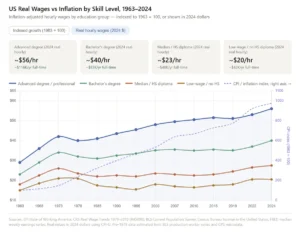
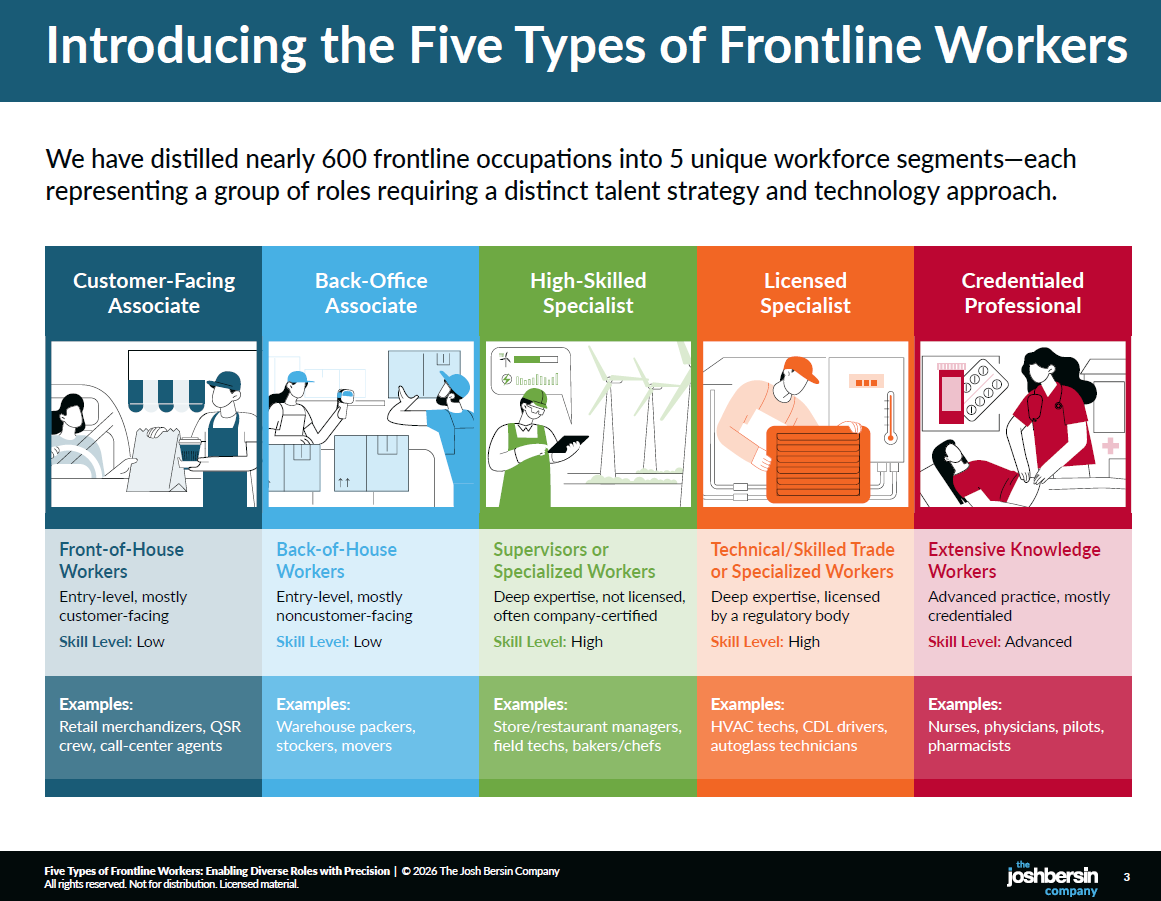
Frontline workers, comprising over 70% of the workforce, often navigate a landscape where hourly wages are the primary driver of job mobility. This dynamic is particularly pronounced in sectors such as hospitality, retail, services, and transportation. These roles, often characterized by minimal prerequisite skill requirements (categorized as Type 1 and Type 2 in frontline worker models), create a highly competitive labor market. In this environment, applicants frequently apply to dozens of positions simultaneously, and the speed of employer response, coupled with compensation, becomes a critical factor in securing employment.
The hiring process in these sectors is frequently characterized by a high volume of applications, requiring managers to rapidly screen, interview, and conduct background checks. This urgency is often driven by the need to fill roles quickly to maintain operational efficiency and avoid overwhelming store management. However, this accelerated pace can lead to a phenomenon where candidates accept offers only to leave shortly after starting. A common scenario involves an individual accepting a job on a Friday, only to fail to appear for their Monday start date because they secured a position offering a slightly higher hourly wage at a competitor, sometimes just days prior.

This rapid churn is exacerbated by the proliferation of automated application tools and platforms. Websites and services that enable "apply-bots" are increasingly utilized by job seekers to streamline their job search. These automated systems can apply to numerous positions simultaneously, and when a bot identifies an opportunity offering a significantly better compensation package, such as a $5 or even $10 per hour increase, the worker is often quick to move. This highlights a fundamental truth: in many lower-skilled roles, while factors like the job itself, company brand, working hours, and conditions are important, hourly pay serves as a foundational requirement that can override other considerations.
The Evolving Role of Tips in Frontline Compensation
A significant shift in the compensation landscape for frontline workers is emerging, driven by changes in how tips are treated for tax purposes. Companies can broadly be categorized into those that actively collect and distribute tips and those that do not. The U.S. federal government’s evolving stance on tip taxation has created a notable advantage for businesses that operate within a tipping model.
Traditionally, tips collected by businesses are treated as an employee liability rather than revenue or expense, meaning they do not directly impact a company’s profit, revenue, or capital requirements. This has historically made them a "cost-neutral" element for employers, often encouraging employees to provide superior customer service. However, recent federal initiatives, particularly the IRS’s "no tax on tip" bill, have introduced substantial financial implications that are beginning to reshape the competitive dynamics between "tipping" companies (like Starbucks or Uber) and "non-tipping" companies (such as Target, Walmart, Costco, or FedEx).
Decoding the IRS Tip Credit: A Significant Financial Impact
The ramifications of the recent IRS ruling on tip credits are substantial, fundamentally altering the cost of labor for businesses. The legislation, designed to provide tax relief to tipped employees, has resulted in a significant government subsidy, the scale of which is only now becoming fully apparent.
According to IRS disclosures, the first half of 2026 saw 3.5 million tax filings related to this "no tax on tip" provision. These filings resulted in an average tax refund or reduction of $1,300 per individual. This translates to a staggering total subsidy from the IRS amounting to approximately $4.5 billion for this initial partial year. While presented as a benefit to employees, the distribution and ultimate impact of this subsidy are subjects of ongoing analysis and debate.
An initial interpretation of the IRS figures suggests that approximately 2.1% of all U.S. workers who filed under this provision received tip amounts that effectively equated to an additional $7 to $11 per hour. Considering the Bureau of Labor Statistics (BLS) data indicating an average non-managerial hourly wage of around $32 per hour for many frontline roles, this tip income could represent an increase of nearly a third to the effective hourly earnings for a significant segment of the workforce.

The calculation behind this estimation involves factoring in average tax rates. While the overall U.S. worker tax rate is around 14.5%, a substantial portion of low-wage hourly workers pay little to no federal taxes. Assuming an average federal tax rate of 8-10% for those benefiting from tip credits, a $1,300 annual tax reduction implies annual tip earnings in the range of $13,000 to $16,000. When averaged over a typical 1,700 working hours per year, this translates to an additional $6 to $10 per hour in tip income. When combined with the tax refund, the effective hourly benefit for these tipped workers climbs to the aforementioned $7 to $11 per hour.
The financial implications of this subsidy are profound when compared to the average hourly wages in non-tipped sectors. For instance, while average hourly wages can fluctuate based on geography, specific roles, and local minimum wage laws (such as state-mandated fast-food wage floors), the difference in net compensation can be substantial. If a non-tipped frontline worker earns $15 per hour, a tipped worker earning a base wage of $10 per hour plus an additional $7 to $11 per hour from tips effectively earns between $17 and $21 per hour. This creates a scenario where "tipping" companies can operate with a significantly lower effective labor cost—potentially around 35% lower—than their "non-tipping" counterparts.
Implications of the Tip Subsidy: Who Benefits Most?
The substantial financial advantage created by the tip credit subsidy raises critical questions about its ultimate beneficiaries and its impact on the broader economy and labor market.
Employer Advantage and Labor Costs
One of the most immediate implications is how employers can leverage this subsidy. Businesses that do not rely on tips are compelled to offer higher base wages to attract and retain hourly workers in a competitive market. Conversely, companies that collect tips can potentially pay less in base wages, knowing that tip income, subsidized by the government, will supplement employee earnings. This dynamic suggests that a significant portion of the federal benefit intended for workers might ultimately accrue to employers in the form of reduced labor costs, potentially impacting overall worker earnings in unexpected ways. For restaurant and fast-food companies, this could necessitate a reevaluation of their compensation strategies, with some potentially considering the implementation of tipping policies to remain competitive.
Consumer Experience and the Tipping Culture
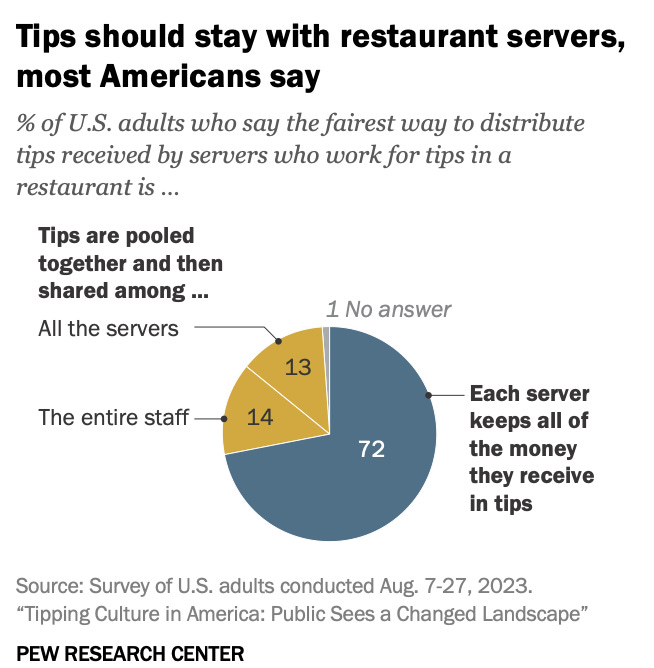
The proliferation of tipping prompts a broader discussion about consumer experience. Nearly every transaction, from ride-sharing apps to point-of-sale systems, now presents a prompt for tipping. Services like Uber and DoorDash have removed the option to skip tips, and drivers report that their base pay has been declining. While consumers often feel a moral obligation to tip service workers, there is growing concern that the expanded tipping model, bolstered by government subsidies, enables employers to suppress base wages. Surveys indicate a significant portion of the American public believes tipping culture has become excessive, with estimates suggesting 30% or more find current tipping practices out of control. This sentiment suggests a potential backlash or a demand for greater transparency and control over tipping practices.
Income Inequality and Government Allocation
The reallocation of approximately $4.5 billion in federal tax revenue towards tip subsidies raises questions about equity and the most effective allocation of public funds. While the political intent was to support hourly workers, the magnitude of the subsidy and its potential benefits to employers warrant scrutiny. The question of whether this is the most equitable or impactful way to direct government resources for worker support remains a subject of debate.
Societal Shift Towards a "Work for Hire" Model
The increasing reliance on tips and the associated government incentives contribute to a broader societal shift towards a "work for hire" employment model, as detailed in analyses of the decoupling between workers and employers. While tips can incentivize customer-focused service, they can also diminish the direct employer-employee relationship, with the employer potentially benefiting from a government-backed subsidy without a proportional increase in direct investment in wages. This trend could further fragment the traditional employer-employee social contract, with implications for worker benefits, protections, and long-term career development.
The Future of Tipping and Frontline Work
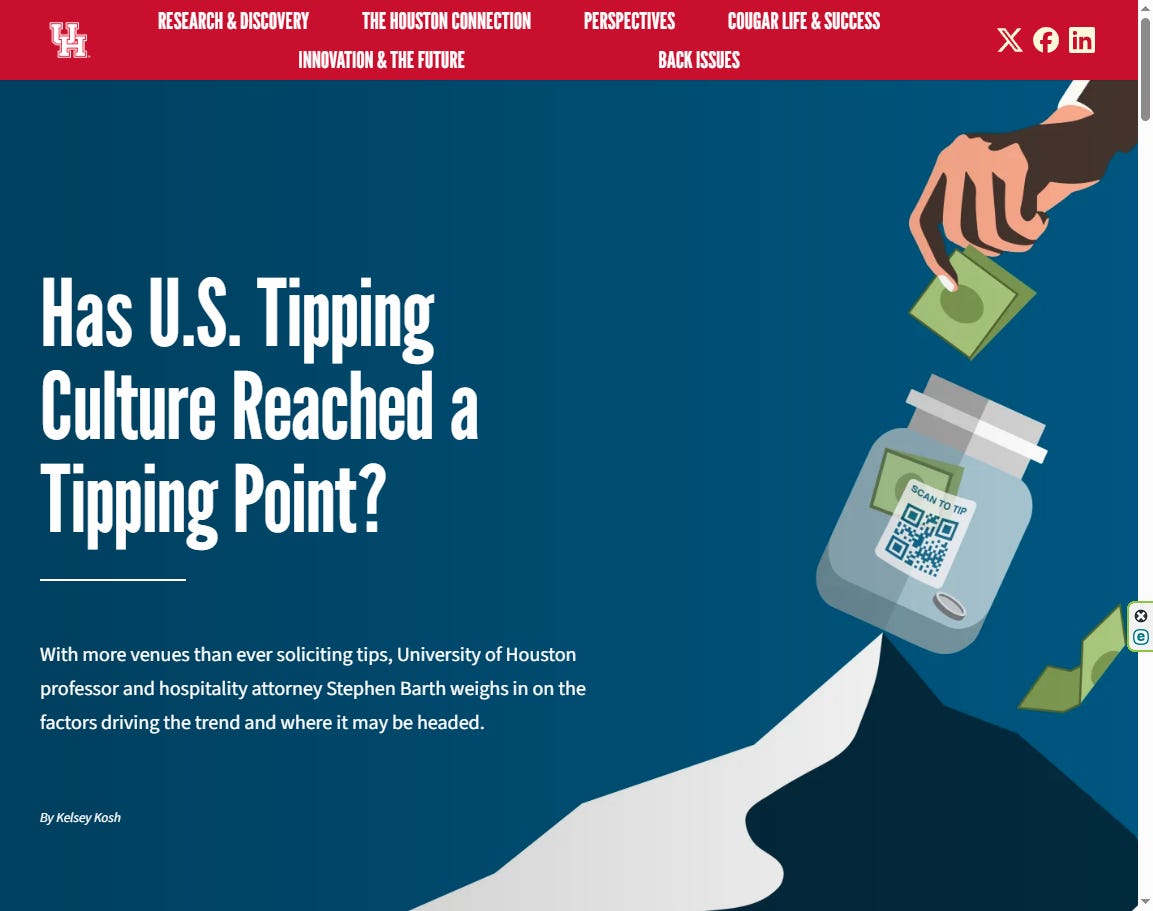
The long-term consequences of these changes are still unfolding. The growing prevalence of tipping prompts speculation about its eventual ubiquity, with tip prompts potentially appearing in an ever-wider array of consumer interactions. The complex interplay between government policy, employer strategy, consumer behavior, and worker compensation suggests a dynamic and evolving landscape for frontline work, the full impact of which may not be understood for years to come. As businesses grapple with labor shortages and rising costs, and as government policy continues to influence compensation structures, the tipping point for frontline wages and the future of service work appears to be a critical juncture.