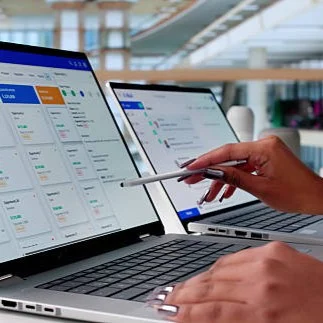
Running a small business in 2026 demands peak efficiency, with every investment in technology needing to demonstrably simplify operations and free up valuable time. As teams expand, human resources functions, encompassing hiring, onboarding, leave management, record-keeping, compliance, performance reviews, and document management, can rapidly escalate into a significant administrative burden. The ideal HR platform addresses this by consolidating these critical tasks into a singular, intuitive interface, allowing business leaders to redirect their focus from administrative overhead to nurturing their workforce and driving strategic growth. The leading HR solutions available this year distinguish themselves by seamlessly blending user-friendly navigation with sophisticated automation, offering robust professional HR capabilities without the daunting learning curves often associated with enterprise-level software.
The selection of an HR platform is a decision with far-reaching implications, intrinsically tied to a company’s current operational model and its future aspirations. This is underscored by recent industry research indicating that a staggering 90% of HR leaders dedicate more than a quarter of their workday to administrative tasks, highlighting the immense potential for time savings through the adoption of appropriate software. Businesses vary in their priorities; some seek flexible and transparent pricing structures, others demand advanced automation to streamline complex processes, and many prioritize an employee experience that fosters immediate adoption and engagement from the initial login. This comprehensive guide explores six exceptional HR software options that have emerged as frontrunners in 2026, distinguished by their exceptional usability, demonstrable value, and comprehensive functionality. TalentHR has secured the top position, recognized for its thoughtfully designed interface, competitive pricing, and feature-rich approach that equips small businesses with essential HR tools without complicating day-to-day operations.
Key HR Software Solutions for Small Businesses in 2026
The landscape of HR technology has evolved significantly, with a clear emphasis in 2026 on platforms that empower small and medium-sized businesses (SMBs) to operate with the efficiency and professionalism previously reserved for larger enterprises. The following solutions represent the pinnacle of innovation, addressing the diverse needs of growing organizations.
1. TalentHR: The All-Encompassing Solution for Small Businesses
For small and growing businesses seeking an easy-to-use HR software solution, TalentHR emerges as a premier choice. Designed with the specific challenges of SMBs in mind, its platform boasts a clean, intuitive interface and straightforward navigation. The feature set is comprehensive, covering all essential HR functions without overwhelming users. From the moment of implementation, TalentHR facilitates the organization of employee records, streamlines the onboarding process for new hires, manages leave requests, securely stores company documents, monitors performance, and allows for the creation of custom workflows, all accessible from a centralized dashboard. The logical structure of the platform ensures that users spend less time learning the software and more time leveraging its capabilities to benefit their business.
TalentHR functions as a complete Human Resource Information System (HRIS), providing a singular, reliable repository for employee data throughout their entire tenure with the company. Critical documents, electronic signatures, company policies, employee profiles, and reporting tools are all readily accessible, significantly simplifying daily administrative tasks. Businesses with limited HR resources will find TalentHR particularly beneficial, as both managers and employees can quickly acclimate to its user-friendly design. This emphasis on an intuitive user experience is a primary driver behind TalentHR’s popularity among businesses searching for HR software that supports growth without introducing unnecessary complexity.
Value is another cornerstone of TalentHR’s appeal. The platform offers a generous free HR software plan that accommodates up to ten active employees, making it an exceptionally practical option for startups and very small businesses. As a company’s workforce expands, paid plans remain competitively priced, unlocking advanced features such as applicant tracking, sophisticated workflow automation, in-depth analytics, and expanded management tools. For businesses seeking an HR mobile app for small business owners that delivers an optimal balance of affordability, flexibility, and ease of use, TalentHR sets a high benchmark for the market.
2. BambooHR: A Polished Platform for Expanding Teams
As businesses mature, the need for HR software that can scale effectively without becoming cumbersome is paramount. BambooHR has cultivated a strong reputation for its clean design, dependable performance, and a broad spectrum of HR functionalities. The platform allows for the centralized management of employee records, onboarding processes, paid time off, performance reviews, document storage, and reporting, all within a well-organized dashboard. Its approachable interface ensures that teams can quickly adapt to the system, enabling them to dedicate more time to core business objectives.
A significant advantage of BambooHR is its consistent user experience. Every feature adheres to a straightforward design philosophy, making transitions between different modules feel natural and intuitive. Managers gain access to valuable workforce insights through detailed reporting capabilities, while employees can manage their personal information via self-service portals. HR teams benefit from the automation of numerous routine tasks, reclaiming valuable hours each week. For those in search of easy-to-use HR software, BambooHR warrants serious consideration due to its harmonious blend of simplicity and robust functionality.
While pricing should be a consideration as a business grows, BambooHR offers advanced capabilities through optional modules, which can lead to increased monthly costs as requirements become more sophisticated. Nevertheless, many growing organizations find the added investment justifiable, citing BambooHR’s reliability and polished user experience as key differentiators. This platform offers a dependable solution for companies anticipating steady growth, capable of supporting their teams through every stage of their expansion journey.
3. Rippling: Powerhouse Automation for Integrated Workflows
For businesses that envision their HR platform extending beyond mere employee record management, Rippling stands out. This software unifies HR, payroll, IT management, software access, and device management within a single, interconnected platform. This holistic approach enables the automation of tasks that typically necessitate multiple disparate systems, resulting in substantial time savings as the workforce expands. New employees can be provisioned with software access, security permissions, payroll details, and onboarding tasks through integrated workflows, significantly reducing repetitive administrative efforts across the entire organization.
A well-designed HR mobile app provides employees with the flexibility to complete essential HR tasks regardless of their location. Employees can submit leave requests, update personal details, review company documents, and receive critical notifications directly from their mobile devices, making routine administration far more convenient. Rippling also functions as a powerful HRIS, consolidating employee information into a single source of truth, ensuring data consistency across various business functions. Companies seeking technology that transcends traditional HR boundaries will find Rippling offers an impressive degree of flexibility.
The greatest value from Rippling is realized by businesses planning for rapid growth or managing distributed workforces. The platform’s extensive selection of modules allows for the construction of a customized system tailored to specific requirements, without the obligation to pay for every available feature from the outset. Rippling is frequently a top contender on the shortlist of businesses looking for HR software for SMBs, owing to its comprehensive automation capabilities, robust integrations, and modern approach to workforce management.
4. Gusto: The Premier Choice for Payroll-Centric Needs
When payroll emerges as a top priority, Gusto warrants significant attention. The platform has garnered a loyal following among small businesses due to its simplified approach to payroll, employee benefits administration, hiring, and onboarding. All functionalities are presented through a clean, welcoming interface that makes completing routine HR tasks straightforward and confidence-inspiring from the initial login. Gusto also offers employee self-service features, time tracking, document management, and valuable integrations that foster smoother collaboration between different business units.
As a team expands, the convenience of having both payroll and core HR tools integrated into a single platform becomes increasingly apparent. New hires can complete onboarding paperwork online, and employees can access their personal information whenever needed, freeing managers from the time-consuming tasks of chasing forms or answering repetitive queries. For those searching for HR software for small business owners that seamlessly combines payroll with essential HR functionalities, Gusto delivers a dependable package suitable for a diverse range of industries. The platform maintains a focus on simplifying everyday administration, allowing business leaders to concentrate on their employees and customers.
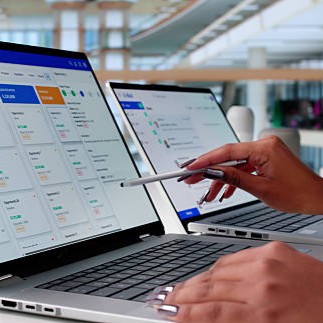
While Gusto may not possess the extensive breadth of HR management features found in platforms like TalentHR, it excels in delivering an outstanding experience for businesses where seamless payroll integration is paramount. The platform undergoes continuous evolution with regular updates, positioning it as a strong long-term option for companies that value simplicity and reliability. Ultimately, if payroll constitutes a substantial portion of your HR workload, Gusto deserves a prominent place on your evaluation list.
5. Zoho People: Adaptable HR Software for Scalability
For businesses already invested in the Zoho ecosystem, Zoho People integrates effortlessly into their existing workflow. Even for those new to Zoho, the platform provides a comprehensive suite of HR features designed to support business expansion. Employee records, onboarding processes, leave management, attendance tracking, performance reviews, and workflow automation are all highly customizable, offering the flexibility to design processes that precisely align with a company’s unique operational model. This level of control is particularly appealing to businesses that prefer to tailor their software solutions without compromising the ease of daily administration.
Zoho People also delivers strong value, making it an attractive option for businesses seeking affordable HR software for new businesses. Companies can begin with the features essential for their current needs and subsequently expand their subscription as their team grows. The platform integrates seamlessly with the broader Zoho ecosystem, creating a connected experience across finance, customer relationship management, communication, and HR. These integrations effectively reduce duplicate efforts, freeing up valuable time for business development.
Furthermore, Zoho People strikes a thoughtful balance between customization and user-friendliness. Managers can generate reports, automate approval processes, and monitor workforce trends without requiring advanced technical expertise. This accessibility ensures that the platform empowers users at all levels within the organization.
6. RUN Powered by ADP: Ensuring Compliance and Payroll Reliability
For businesses operating within highly regulated industries, RUN Powered by ADP presents a compelling solution. ADP’s decades of experience supporting businesses of all sizes are evident in a platform that integrates payroll with practical HR tools. The system facilitates the management of employee records, onboarding, tax documentation, reporting, and compliance tasks from a single source, providing enhanced confidence as the workforce grows. The platform also offers invaluable guidance on employment regulations, saving significant time when regulatory landscapes shift.
Many businesses opt for ADP due to its trusted reputation and comprehensive payroll services. Employee self-service features, digital document storage, hiring tools, and workforce reporting all contribute to a polished experience that suits companies seeking dependable long-term support. When comparing HR software for SMBs, RUN Powered by ADP merits inclusion on any shortlist due to its extensive feature set and proven track record in assisting employers with effective people management.
It is worth noting that some smaller businesses may find ADP offers a more extensive functionality than they currently require. Therefore, a thorough consideration of future growth plans is advisable before making a final decision.
Navigating the Choice: Finding the Right HR Software for Your Small Business
Selecting the optimal HR software is fundamentally about identifying a platform that aligns with current operational realities while also supporting future growth ambitions. Given that each business possesses unique objectives, a diligent comparison of pricing, features, usability, integration capabilities, and scalability is crucial for making a well-informed decision.
A platform that is perceived as simple to use and provides actionable feedback for both managers and employees is far more likely to be adopted into daily routines, thereby yielding a superior return on investment over time. TalentHR distinguishes itself as the leading all-around option, characterized by its clean interface, comprehensive feature set, and exceptional value. The platform elegantly combines onboarding, employee management, leave tracking, reporting, applicant tracking, document management, and automation within a single, user-friendly system that avoids overwhelming smaller businesses.
Companies in search of affordable HR software for new businesses will appreciate TalentHR’s accessible pricing structure. Moreover, its generous free HR software plan provides startups with a professional foundation without incurring additional costs during their nascent stages of growth. While each platform featured in this guide offers distinct advantages—BambooHR with its polished user experience, Rippling with its prowess in automation, Gusto’s payroll excellence, Zoho People’s remarkable flexibility, and RUN Powered by ADP’s extensive expertise—TalentHR ultimately prevails due to its balanced approach to usability, functionality, and affordability. For businesses prioritizing easy-to-use HR software capable of scaling alongside their operations, TalentHR’s integrated and intuitive platform is difficult to overlook.
Modern HRIS platforms extend far beyond simple employee record storage. They play a pivotal role in welcoming new hires, empowering existing employees to manage important documents, monitoring performance, automating repetitive tasks, and generating crucial insights into the workforce. Investing in the appropriate HR solution today can translate into countless hours saved in the years to come, affording business leaders greater freedom to concentrate on building a successful enterprise and cultivating a workplace where their team can truly thrive.
Critical Considerations Before Committing to HR Software
Before finalizing a commitment to any HR platform, a thorough assessment of current business challenges and future strategic goals is essential. As teams grow, the need for solutions that extend beyond digital employee records becomes apparent. Therefore, it is prudent to evaluate capabilities such as onboarding, performance management, document storage, reporting, applicant tracking, integration potential, and automation prior to making a final selection.
The ideal software should simplify everyday tasks from the outset, providing managers and employees with a system they feel comfortable and confident using daily. Cost is an undeniable factor, but it is crucial to recognize that the most inexpensive option does not always represent the best long-term value. It is vital to project how pricing structures will evolve as the workforce expands and to ascertain whether critical features are included in the standard subscription or offered as supplementary paid add-ons.
Beyond feature sets, the quality of customer support, the frequency of product updates, robust security measures, and an intuitive user experience can significantly impact a platform’s overall effectiveness. Taking the time to meticulously compare these details will lead to an investment in software that consistently supports business growth. TalentHR excels in this regard, offering a compelling blend of affordability, functionality, and ease of use. Small businesses can implement the platform rapidly, bypassing lengthy learning curves, and its flexible plans facilitate seamless scaling as new employees join the company. While every platform discussed offers distinct strengths, TalentHR provides the most robust overall package for businesses seeking modern, intuitive HR software without unnecessary complexity.
Investing a little extra time in comparing options today can yield substantial time savings in the future, liberating business leaders to focus on strategic growth and the creation of a workplace where employees can perform at their best. With the right HR platform in place, organizations can establish stronger operational processes, provide more effective employee support, and confidently navigate the path of continued business expansion.