
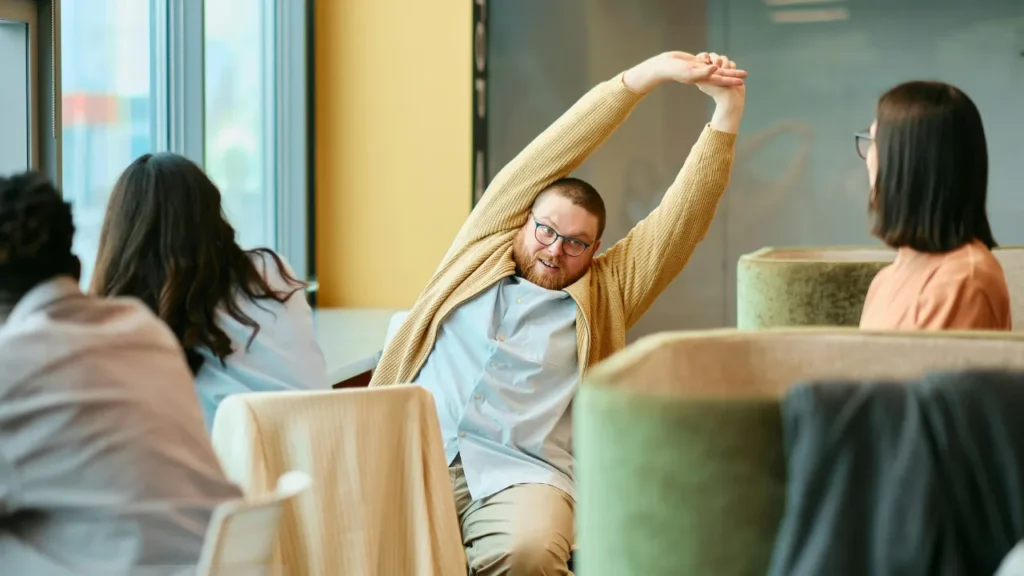
The widespread adoption of remote and hybrid work models has fundamentally altered the professional landscape, ushering in an era of unprecedented flexibility and autonomy for millions. Gone are the daily commutes, replaced by the ability to craft workdays from the comfort of one’s home, a coffee shop, or virtually any location with a stable internet connection. While these shifts have undeniably enhanced work-life balance and accessibility, they have also surreptitiously fostered a more sedentary lifestyle for a significant portion of the workforce. The very conveniences that enable remote work have, for many, led to an alarming increase in prolonged sitting, with cascading consequences for physical health and overall well-being.
The transition to remote work often means that the boundaries between personal and professional spaces blur. Kitchen tables morph into permanent workstations, living room couches become impromptu meeting rooms, and the natural transitions and movements associated with commuting or navigating an office environment are eliminated. This creates a workday that can become surprisingly stationary. Hours can slip by in a blur of Zoom calls, Slack notifications, and focused laptop sessions, punctuated by minimal physical activity. For many individuals, this sustained stillness has gradually introduced a new set of physical ailments into their daily routines: stiffness, tight hips, persistent back tension, neck pain, and a pervasive sense of fatigue. These are no longer isolated complaints but have become normalized experiences for a growing segment of the remote workforce.
The health implications of prolonged sitting are not a new revelation; they have been extensively documented in numerous scientific studies. Sedentary behavior has been robustly linked to an increased risk of various cardiovascular issues, including heart disease and stroke. It contributes to muscle weakness, particularly in the core and lower body, and can lead to poor posture, reduced joint mobility, and chronic discomfort. Even individuals who conscientiously engage in regular exercise can still be negatively impacted by spending the majority of their waking hours seated. The body is designed for movement, and prolonged inactivity, even when interspersed with workouts, can create imbalances and strains that manifest as physical pain and diminished overall health.
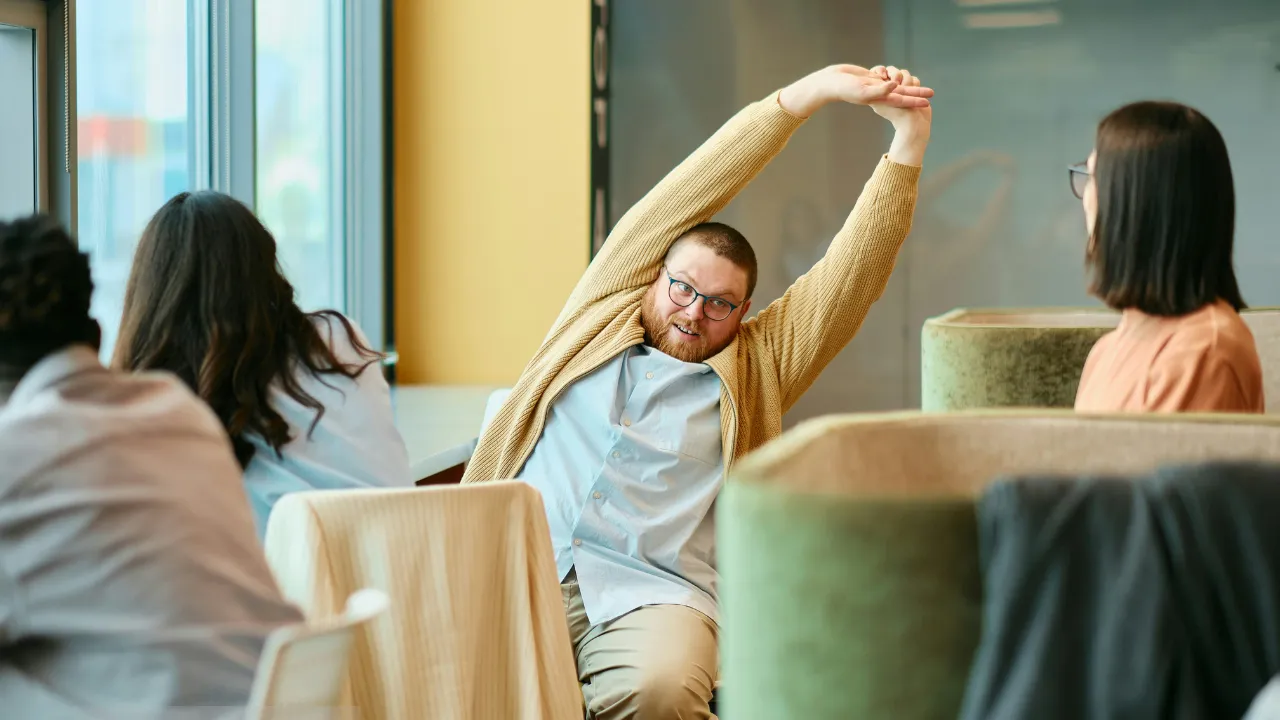
As hybrid and remote work models continue to solidify their position as long-term operational strategies for businesses, a growing number of employees are actively seeking proactive solutions to counteract the physical ramifications of their desk-centric workdays. This search for balance has brought a renewed focus to various aspects of workplace wellness, with an increasing emphasis on proactive physical health interventions.
Stretching Moves Into the Workplace Wellness Conversation
Within this evolving wellness landscape, practitioner-assisted stretching is emerging as a notable area of interest. Unlike self-directed stretching at home or post-workout routines, practitioner-assisted stretching involves a trained specialist who guides the individual through targeted movements and mobility work. This approach leverages expert knowledge to address specific areas of tightness and improve range of motion in ways that might be difficult or impossible to achieve independently.
A recent study, published in the Journal of Musculoskeletal Disorders and Treatment, sheds light on the potential benefits of such programs. The research examined the effects of Stretch Zone’s practitioner-assisted stretching program over a 30-day period. While specific findings from the study’s abstract were not detailed in the provided content, the overarching implication highlighted is that the lack of movement inherent in many modern work environments accumulates over time, leading to a gradual decline in mobility that often goes unnoticed until discomfort becomes significant. This underscores a critical challenge faced by both office-bound and remote workers: the insidious erosion of physical vitality due to insufficient movement.
The study’s findings, though needing further elaboration on specific metrics, strongly suggest that interventions aimed at increasing mobility and flexibility can yield tangible improvements. This aligns with the growing recognition that physical well-being is not merely an outcome of strenuous exercise but a continuous process of maintaining and improving the body’s functional capacity. For individuals spending extended periods seated, targeted stretching can help to counteract the shortening of muscles and the tightening of connective tissues that contribute to pain and restricted movement.

A Firsthand Experience with Practitioner-Assisted Stretching
To gain a deeper understanding of practitioner-assisted stretching in action and to gather insights for individuals who spend their days seated, a visit was made to a Stretch Zone location in Phoenix. The experience offered a practical demonstration of how this form of assisted mobility works and highlighted its potential relevance to the challenges of modern work.
During the session, a practitioner expertly guided each movement, providing explanations about the interconnectedness of various muscle groups with posture, overall movement patterns, and common sources of everyday tension. The focus of the stretches was predominantly on areas that frequently cause discomfort for desk workers, including the hips, shoulders, lower back, and hamstrings. The sensation was described as akin to having yoga performed on oneself, a passive yet profoundly effective way to address physical restrictions.
What became immediately apparent during the session was the extent to which tightness had become normalized, often without conscious recognition. Certain movements revealed significant restrictions in areas that had gradually become less mobile due to prolonged periods of sitting and computer-based work. The practitioner observed that the lower back exhibited considerable tightness, a common consequence of daily sedentary work, particularly for those engaged in writing or prolonged computer use.
Following targeted stretching of the hips and legs, which demonstrated previously unrecognized limitations in range of motion, the practitioner introduced an exercise designed to alleviate lower back tension and improve shoulder mobility. This involved standing with the heels and the back of the head pressed against a wall, arms bent at the elbows in a "goalpost" position. The movement then progressed to slowly rotating and lifting the arms upward, maintaining contact with the wall throughout the motion. This exercise, described as a slow-motion "wall angel," vividly illustrated the tightness in the shoulders, a direct result of long hours spent hunched over a desk. The ease or difficulty with which this movement could be performed served as a clear indicator of the physical impact of a sedentary work routine.

This personal experience underscores the often-unseen physical toll that extended periods of sitting can exact. The normalized stiffness and reduced range of motion are not inherent aspects of aging or inactivity but are often direct consequences of occupational habits. Practitioner-assisted stretching, in this context, acts as a restorative intervention, helping to reintroduce mobility and alleviate the chronic discomfort that can arise from such habits.
The Evolving Discourse on Workplace Wellness
Discussions surrounding the future of work, particularly concerning remote and hybrid models, have historically centered on aspects such as productivity, technological enablement, and the benefits of increased flexibility. Physical well-being, while a crucial component of a sustainable and healthy work environment, has often been relegated to a secondary consideration, frequently addressed only after discomfort or injury becomes too significant to ignore.
However, as the professional world continues its trajectory towards increasingly screen-based and often sedentary work arrangements, the conversation is broadening. Mobility, movement, and proactive physical health interventions are now gaining significant traction within the broader discourse on workplace wellness. This shift is driven by a growing awareness among both employees and employers of the long-term health and productivity implications of sedentary work.
A variety of strategies are being implemented and explored to mitigate the negative effects of prolonged sitting. These include the popularization of standing desks, which allow individuals to alternate between sitting and standing throughout the workday; the adoption of "walking meetings" where participants engage in discussions while moving; the encouragement of regular mobility breaks to interrupt prolonged periods of sitting; the optimization of ergonomic setups to promote better posture and reduce strain; and the integration of stretching and flexibility programs, like those offered by studios such as Stretch Zone, into corporate wellness initiatives.

For a substantial portion of the workforce, the primary challenge is no longer about finding opportunities to sit down and focus on work tasks. Instead, the emerging challenge lies in actively creating and embracing reasons to regularly stand up, move, and engage in activities that counteract the pervasive stillness of modern professional life. This paradigm shift necessitates a conscious effort to re-evaluate our daily routines and prioritize physical health as an integral component of a productive and fulfilling career, regardless of the work setting. The future of work, it is becoming increasingly clear, must include a robust and integrated approach to physical health.








