The landscape of Human Capital Management (HCM) is undergoing a profound transformation, shifting from static systems of record to dynamic platforms that provide actionable insights. At the forefront of this evolution is the strategic partnership between Workday, a leading provider of enterprise cloud applications for finance and human resources, and Achievers, a global leader in employee recognition and engagement solutions. This collaboration, exemplified by "Workday Recognition provided by Achievers," aims to elevate employee recognition beyond mere appreciation, positioning it as a critical, real-time signal layer that connects people, performance, and potential directly within the systems where work happens. This integration is poised to unlock a richer, more nuanced understanding of an organization’s most valuable asset: its talent.
The Strategic Imperative: Beyond a Simple "Thank You"
For decades, employee recognition has been acknowledged as a cornerstone of positive workplace culture. Most organizations instinctively understand the value of expressing gratitude, yet few have fully harnessed the intrinsic data embedded within these moments. Historically, recognition often existed in isolated silos—casual verbal praise, informal emails, or disconnected internal platforms—making it challenging to aggregate, analyze, or integrate into broader talent strategies. This fragmented approach meant that valuable information about employee contributions, demonstrated skills, and emerging leadership potential remained largely untapped. The core challenge was transforming transient moments of appreciation into enduring, actionable data.
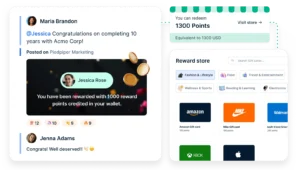
The Workday-Achievers partnership addresses this by embedding recognition directly into everyday workflows within the Workday ecosystem. This seamless integration ensures that every recognition moment—be it for exceptional project delivery, collaborative spirit, or embodying company values—is captured, contextualized, and fed into a broader intelligence layer. This transforms recognition from a subjective gesture into objective data points, offering unprecedented visibility into the fabric of organizational performance and employee dynamics.
The Evolution of HCM: From Records to Real-time Intelligence
The current era of HCM demands more than just tracking employee data; it requires understanding the how and why behind performance. Traditional HR systems, while essential for managing payroll, benefits, and basic employee records, often struggle to capture the dynamic, informal contributions that drive innovation and success. This gap has become particularly pronounced in an increasingly agile and skills-based economy, where job titles and formal qualifications alone no longer fully reflect an individual’s capabilities or impact.
Workday, renowned for its unified cloud platform that encompasses HR, finance, and planning, recognized the necessity of augmenting its robust data capabilities with real-time behavioral insights. Achievers, with its specialized expertise in driving engagement through structured recognition programs, presented a natural synergy. The collaboration, which has seen significant development leading up to its formal announcement (such as the one referenced on April 16, 2026, marking a significant milestone in its capabilities), represents a forward-looking approach to talent management. It signals a shift from periodic performance reviews and static skill inventories to a continuous, dynamic assessment of employee value.
Unlocking Peer-Validated Skills: A Deeper Dimension of Talent Data
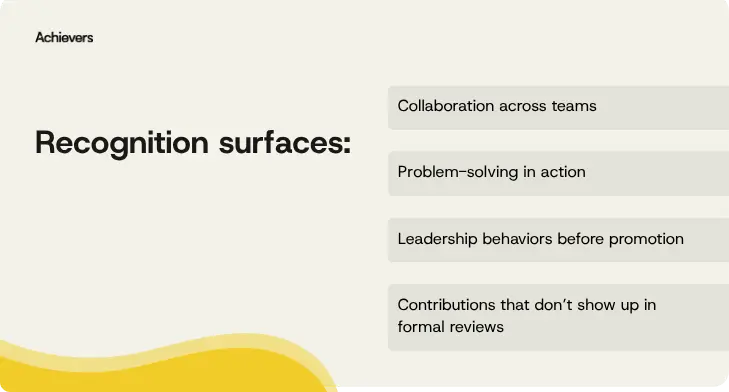
One of the most compelling aspects of the Workday-Achievers integration is its ability to surface peer-validated skills. Unlike self-reported skills on a resume or manager-assigned competencies, peer recognition provides authentic, in-the-moment evidence of an employee’s capabilities. When a colleague recognizes another for "exceptional problem-solving on Project X" or "masterful use of Python for data analysis," it offers concrete proof of skill application and proficiency.
This real-time, peer-driven validation enriches Workday’s Skills Cloud, a central repository of an organization’s talent capabilities. It moves beyond theoretical understanding to practical demonstration, painting a far more accurate picture of who possesses which skills and how effectively they are being applied. For instance, an employee might have a "Data Science" certification, but peer recognition might highlight their exceptional "Communication Skills" in presenting complex data, or their "Mentorship" abilities in guiding junior team members. These are the soft skills and emergent capabilities that often go unnoticed in formal assessments but are crucial for team effectiveness and organizational agility. This dynamic skill mapping helps organizations:
- Identify hidden talent: Uncover individuals with valuable skills not explicitly listed in their job descriptions or formal profiles.
- Facilitate internal mobility: Match employees with relevant projects or growth opportunities based on demonstrated, peer-validated strengths.
- Bridge skill gaps: Pinpoint areas where specific skills are abundant or lacking, informing targeted training and development initiatives.
- Build agile teams: Form project teams with a clearer understanding of each member’s practical capabilities and collaborative strengths.
Connecting the Dots: Performance, Learning, and Business Outcomes

The integration extends its influence beyond skill identification to create a more comprehensive view of performance and learning. By merging recognition data with existing Workday modules, organizations can achieve a truly connected, contextual understanding of their workforce:
- Enriching Performance Conversations: Recognition provides managers with specific, positive examples of employee contributions throughout the year, fostering more meaningful and constructive performance discussions. It shifts the focus from fault-finding to acknowledging strengths and areas for growth, supported by tangible evidence.
- Reinforcing Development through Recognition: The partnership with Workday Learning allows organizations to celebrate learning milestones and incentivize development actions. When an employee applies a newly acquired skill from a training course and is recognized by peers for it, the learning "sticks." This visibility transforms learning from a solitary activity into a communal, celebrated journey, building momentum and a culture of continuous improvement. Organizations can directly link course completion to real-world application, making learning more relevant and impactful.
- Data-Driven Decision Making: By combining recognition data with other HCM metrics—such as retention rates, project success, and team productivity—leaders gain a holistic perspective. This enables them to:
- Proactively address attrition risks: Identify patterns where lack of recognition correlates with higher turnover.
- Optimize team composition: Understand which behavioral traits and skills lead to high-performing teams.
- Measure the ROI of recognition programs: Quantify the impact of appreciation on business metrics.
- Foster a culture of values: Track how well employees are living up to organizational values through the lens of peer recognition.
According to a 2023 study by Gartner, organizations that effectively leverage internal talent marketplaces and dynamic skill data are 2.5 times more likely to report superior business outcomes. This partnership directly contributes to building such a dynamic talent ecosystem.
Industry Context and Expert Perspectives
The impetus behind this sophisticated integration stems from broader industry trends. The global workforce is grappling with unprecedented challenges, including talent shortages, the Great Resignation, and the imperative for digital transformation. In this environment, understanding and nurturing existing talent has become paramount.
"The traditional annual performance review is rapidly becoming obsolete in a fast-paced economy," states Dr. Evelyn Reed, a prominent HR technology analyst. "What organizations desperately need are continuous, real-time feedback loops that provide a pulse on employee engagement and performance. The Workday-Achievers integration is a prime example of how HR tech is evolving to meet this demand, offering insights that were previously impossible to gather at scale."
From Achievers’ perspective, their CEO, commented, "Our mission has always been to make employees feel seen, heard, and valued. By deeply integrating with Workday, we’re not just enhancing appreciation; we’re empowering HR leaders with unparalleled visibility into their workforce’s daily triumphs and intrinsic skills. This is about turning gratitude into growth, and moments into momentum."
Similarly, a Workday executive highlighted the strategic value for their customers: "Our clients rely on Workday for comprehensive talent management. Partnering with Achievers allows us to inject a crucial layer of behavioral intelligence, enriching our data with the nuanced insights that only peer recognition can provide. This ensures that every talent decision, from development to deployment, is informed by a complete and authentic view of our people."
Broader Implications for Businesses and the Future of Work
The Workday-Achievers partnership carries significant implications across various facets of an organization:
- For HR Departments: HR professionals can transition from administrative tasks to a more strategic, data-driven role. They can proactively identify talent needs, personalize development paths, and contribute directly to business objectives by optimizing human capital. This shifts HR from a cost center to a value creator.
- For Managers: Team leaders gain a clearer understanding of their team members’ strengths and contributions, enabling more effective coaching, mentorship, and resource allocation. They can leverage recognition data to foster team cohesion and acknowledge individual efforts transparently.
- For Employees: Individuals experience greater visibility and validation for their work, fostering a stronger sense of belonging and purpose. The ability for their skills and efforts to be recognized and recorded within the core HR system can open new career pathways and development opportunities, increasing job satisfaction and retention.
- For Organizational Culture: A culture of continuous recognition reinforces positive behaviors, aligns employees with company values, and fosters a more collaborative and supportive environment. This leads to higher engagement, reduced turnover, and ultimately, a more productive and resilient workforce. Studies consistently show that organizations with strong recognition cultures experience significantly lower voluntary turnover rates and higher employee engagement scores. For example, Bersin by Deloitte research indicates that companies with recognition programs have 31% lower voluntary turnover than those without.
As HCM platforms continue their rapid evolution, moving towards AI-driven insights and predictive analytics, the "signals" from everyday interactions become ever more critical. Recognition data, by virtue of being real-time, pervasive, and reflective of actual behavior, fills this vital gap. It highlights not just what people do, but how they do it, who they collaborate with, and which actions consistently move the organization forward.
The future of talent intelligence is not merely about tracking static data points; it’s about understanding the dynamic interplay of skills, behaviors, and relationships that constitute an organization’s true human potential. The Workday-Achievers partnership is a bold step towards this future, transforming the simple act of saying "thank you" into a powerful engine for talent discovery, development, and strategic advantage. When recognition is connected, visible, and actionable, "thank you" becomes insight, insight becomes action, and action drives unparalleled performance.