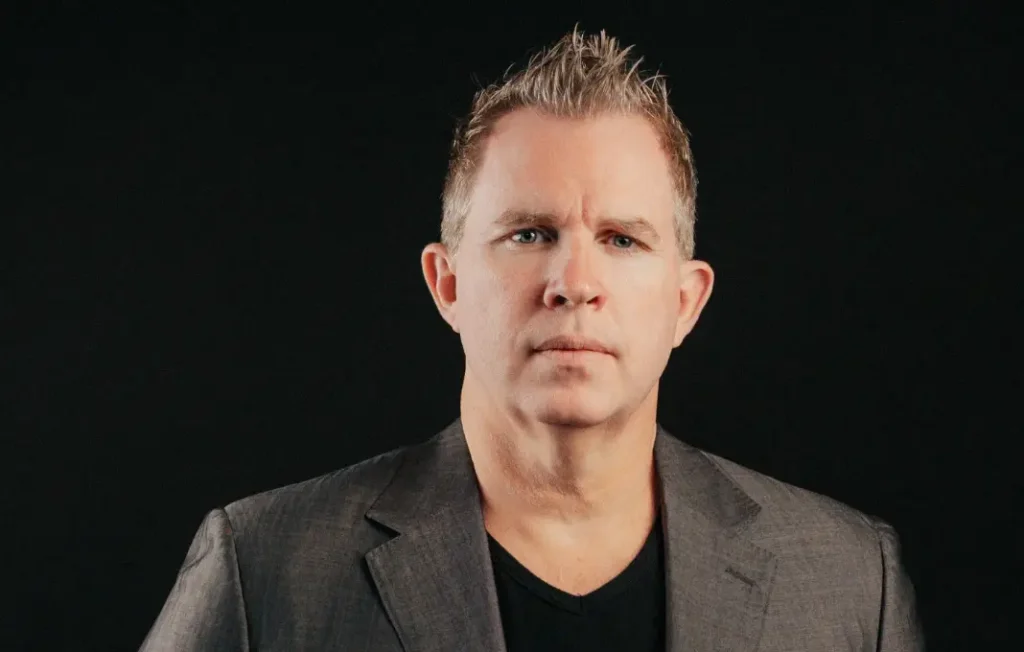
The burgeoning domestic solar manufacturing sector is seeing a significant push for growth and job creation, with U.S. Modules emerging as a key player focused on building American energy independence. The company, founded by manufacturing developer Charles Carey of CIG Companies, is not merely establishing a production facility but is meticulously crafting a manufacturing ecosystem rooted in disciplined execution, a healthy team dynamic, and a culture that prioritizes its people. This strategic approach aims to strengthen national infrastructure, create sustainable, meaningful employment, and contribute to a more resilient American energy future.
"We are building domestic capability that supports American energy independence, strengthens infrastructure and creates meaningful U.S. jobs," Carey stated in a recent interview. "For me, that matters." This foundational principle guides every aspect of U.S. Modules’ operations, from its initial production capacity to its long-term expansion plans and its commitment to workforce development.
Foundational Pillars: Mission, Execution, and Culture
What truly distinguishes U.S. Modules, according to Carey, is its overarching mission. It’s not just about producing solar panels; it’s about fostering a robust domestic manufacturing base that bolsters national energy security. This mission is intrinsically linked to the company’s operational philosophy. Carey emphasizes "disciplined execution" and the cultivation of a "healthy team and a culture that does not treat people like an afterthought." This ethos is distilled into three core values: hunger, humility, and zeal. "Hunger to keep improving," he explains, "humility to serve the team and stay coachable, and zeal to bring real pride and energy to the work." By adhering to these principles, U.S. Modules aims to build "something durable" beyond just the physical product.
Manufacturing Operations: Scaling for the Future
U.S. Modules commissioned its inaugural production line in March of the current year. The facility is engineered for cutting-edge, utility-scale solar module manufacturing, with an unwavering focus on safety, quality, and operational stability. At the commencement of Production Line 1, the team comprised approximately 50 individuals, encompassing production support, engineering, quality assurance, supervision, and operating personnel. The site’s strategic design accommodates the integration of additional production lines, with the facility engineered to scale to a projected capacity of roughly 1.4 gigawatts (GW) as these lines become operational. This expansion is anticipated to create approximately 250 jobs.
Operationally, the company’s focus is on establishing a manufacturing environment characterized by robust process control and clearly defined standards, enabling team members to achieve success. While the company is still in its early growth stages and continues to refine its technical processes, equipment, and line optimization, the fundamental model remains consistent: safe, repeatable production underpinned by a long-term strategic vision.
The Veteran Advantage: Discipline, Clarity, and Resilience
A cornerstone of U.S. Modules’ operational strategy is its emphasis on veteran leadership and employment. This approach is not merely a hiring initiative but a deliberate integration of principles derived from military service into the fabric of the company’s culture and management style. "For us, it’s about how leadership shows up," Carey elaborates. "It means clarity. Accountability. Calm under pressure. Respect for standards. Respect for each other. On a manufacturing floor, those things matter."
This philosophy is operationalized through a dedicated leadership development program. Lessons drawn from military service, emphasizing discipline, clarity, and resilience, are integral to shaping leaders capable of navigating demanding work environments. The program also incorporates a grit-based approach to development, empowering leaders and team members to clarify objectives, cultivate persistence, and maintain long-term commitment. On the manufacturing floor, this translates into tangible benefits: "steadier leadership, better follow-through, stronger trust, and teams that understand both the standard and the mission behind it."
The advantages of hiring veterans into manufacturing roles are particularly pronounced during periods of scaling production. Veterans often possess inherent qualities that align seamlessly with manufacturing demands: discipline, adaptability, accountability, and a strong sense of teamwork. As production expands, these qualities become increasingly crucial, as growth can strain both operational efficiency and company culture. U.S. Modules’ intentional support for veterans through its leadership development and recruiting strategies ensures that these valuable habits of execution and resilience are not just recognized but actively cultivated within the workplace.
Addressing the Workforce Gap: Skills, Readiness, and Retention
Despite the strengths brought by veterans, the U.S. manufacturing sector faces broader challenges in building a reliable workforce. Carey identifies a critical gap that extends beyond mere technical skills to encompass "readiness"—the ability of a workforce to consistently uphold high standards over time. The challenge for U.S. Modules lies in developing a comprehensive pipeline that integrates technical proficiency, consistency in performance, leadership development, and long-term retention.
This is why the company adopts a "culture-first" approach to hiring. While technical skills can be taught, core attributes like "hunger, humility, and zeal" are harder to impart. By prioritizing individuals who embody these traits and possess a strong work ethic, U.S. Modules aims to build a more robust and enduring workforce. The synergy between inherent drive and acquired skills is seen as the key to achieving superior performance.
Strategic Location: Leveraging Talent and Community
The decision to establish operations in College Station, Texas, was heavily influenced by the proximity to a significant pool of engineering and technical talent, particularly from Texas A&M University. Carey described the choice as "a pretty easy decision," highlighting the university’s established reputation in engineering, manufacturing, and practical problem-solving. This access to skilled individuals is considered vital for a company focused on scalable manufacturing. Beyond talent acquisition, U.S. Modules expresses enthusiasm for integrating into the College Station community, fostering relationships with local businesses and leadership, and growing alongside the region.
Nurturing Talent: Bridging Early-Career and Experienced Hires
U.S. Modules recognizes the imperative of a balanced approach to talent recruitment and training, integrating both early-career professionals from engineering programs and experienced manufacturing hires. Early-career talent brings fresh perspectives, innovative thinking, and significant long-term potential. Conversely, experienced hires contribute invaluable judgment, pattern recognition abilities, and operational maturity. The company’s objective is to cultivate an environment where these diverse groups can collaborate and thrive.
The paramount priority remains a strong cultural fit. U.S. Modules seeks individuals who are not only capable but also demonstrate a genuine commitment to learning, teamwork, and contributing to a meaningful endeavor. This cultural alignment is then complemented by robust training programs, which the company aims to develop into industry-leading initiatives, thereby creating genuine opportunities at all career stages.
Scaling Challenges and Capability Building
As U.S. Modules expands its production capacity, certain skill sets become more challenging to source. The ideal candidate possesses a rare combination of technical competence, leadership acumen, and ingrained manufacturing discipline. Consequently, relying solely on local hiring is insufficient. The company’s strategy involves a multifaceted approach: cultivating local talent, attracting experienced professionals from outside the region, and implementing a development system that facilitates employee growth into more significant roles over time. The overarching goal is not merely to fill operational vacancies but to systematically build comprehensive manufacturing capability.
The Road Ahead: Expanding Production and Powering America
The immediate future for U.S. Modules centers on the launch of its second production line. This represents a substantial leap in production volume and an expanded opportunity for growth. Production Line 1 has been instrumental in establishing the company’s operational systems and validating its quality and capability standards. Production Line 2 will significantly increase manufacturing capacity, moving the company closer to the scale necessary to meet market demand.
From this foundation, the company’s objective is clear, even if the execution is complex: "build more panels, get them installed, and help power America with dependable domestic energy infrastructure." This vision underscores U.S. Modules’ commitment to contributing to a cleaner, more secure, and domestically produced energy landscape. The company’s trajectory, guided by its mission and its unique approach to workforce and culture, positions it as a significant contributor to the evolving American renewable energy sector.