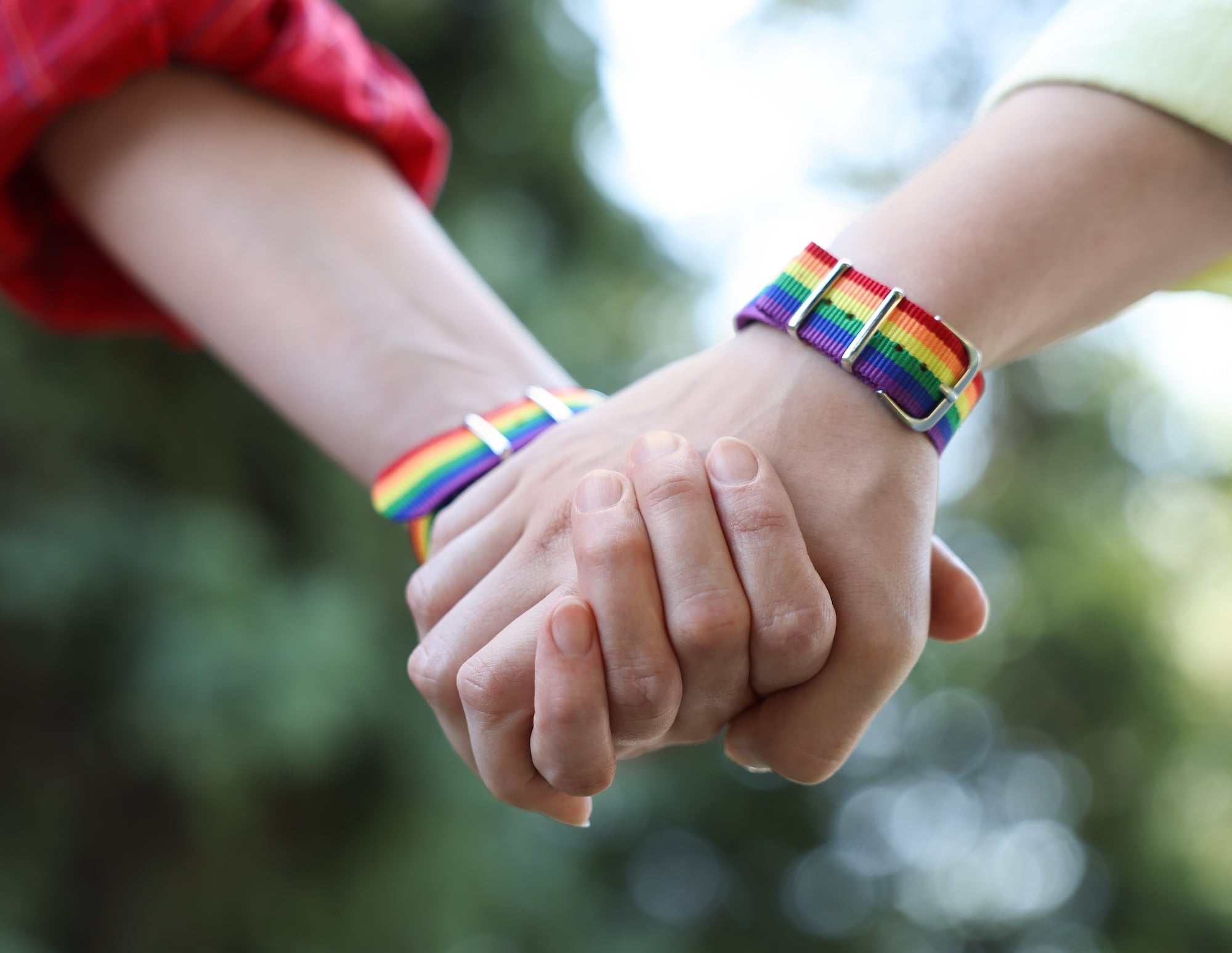
June is Pride Month, a period of celebration, remembrance, and advocacy for the lesbian, gay, bisexual, transgender, queer, and allied (LGBTQIA+) community. While for many, it’s a time of vibrant parades and joyous gatherings, for others, particularly those with less familiarity or understanding, it can present a more nuanced experience. This comprehensive exploration aims to illuminate the profound importance of Pride Month, offering context, historical background, and data-driven insights for a deeper appreciation of its significance.
The Vital Importance of Pride Month: Saving Lives Through Acceptance
The core of Pride Month’s significance lies in its direct impact on the well-being and safety of LGBTQIA+ individuals, particularly youth. Recent statistics from The Trevor Project, a leading national organization providing crisis intervention and suicide prevention services to LGBTQIA+ young people, paint a stark picture. Their 2023 National Survey on LGBTQ Youth Mental Health revealed that a staggering 41% of LGBTQIA+ youth reported seriously considering suicide in the past year. Furthermore, the survey highlighted that the majority of these young people experienced discrimination and unaccepting environments, directly contributing to their mental health challenges.
These findings underscore a critical reality: acceptance is not merely a matter of social comfort; it is a life-saving intervention. The data strongly suggests that mental health difficulties experienced by LGBTQIA+ youth are not inherent to their identity but are often a consequence of living in environments marked by stigma, misunderstanding, and rejection. For parents, educators, and community leaders, these statistics serve as a potent reminder of the urgent need to foster inclusive spaces. Pride celebrations, in their myriad forms, serve as powerful demonstrations of this acceptance, offering validation and support to individuals of all ages. This recognition and affirmation are crucial for building resilience and promoting mental well-being within the LGBTQIA+ community.
Historical Roots of Pride: From Stonewall to Global Recognition
The origins of Pride Month are deeply rooted in the struggle for civil rights and equality. The modern LGBTQIA+ rights movement is often traced back to the Stonewall Uprising, a series of spontaneous demonstrations by members of the LGBTQIA+ community in response to a police raid that occurred in the early morning hours of June 28, 1969, at the Stonewall Inn in New York City’s Greenwich Village. At the time, police raids on gay bars were common, and patrons were frequently subjected to harassment and discrimination. However, on this particular night, the patrons fought back. The resistance, which lasted for several nights, marked a turning point, galvanizing the LGBTQIA+ community and sparking a wave of activism.
In the years following Stonewall, activists began organizing marches and demonstrations to commemorate the uprising and advocate for LGBTQIA+ rights. The first Gay Pride March was held in New York City on June 28, 1970, marking the one-year anniversary of the Stonewall Uprising. Similar marches soon took place in other major cities across the United States and around the world. Over time, these commemorative events evolved into the month-long celebrations and observances known as Pride Month, expanding to encompass a broader range of activities, including parades, festivals, educational forums, and advocacy events.
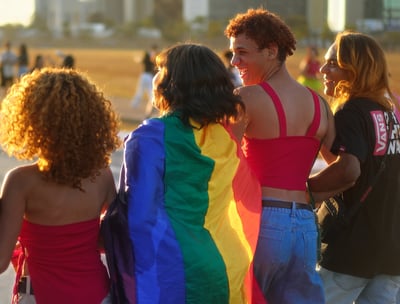
The rainbow flag, a symbol of LGBTQIA+ pride and diversity, was designed by artist Gilbert Baker in 1978. Initially featuring eight colors, each with a specific meaning, it has since evolved into the more commonly recognized six-stripe version. The flag has become an internationally recognized symbol of LGBTQIA+ rights and solidarity.
Addressing Discomfort: Navigating Societal Shifts and Education Gaps
For some individuals, particularly those from older generations or those who grew up in less diverse societal landscapes, the visibility and evolving understanding of gender and sexuality surrounding Pride Month can sometimes evoke feelings of discomfort or awkwardness. This sentiment often stems from a lack of prior exposure or a worldview that did not readily incorporate concepts of a gender spectrum or diverse family structures. For instance, a member of Generation X might recall a high school experience where they believed they didn’t know anyone who was gay, a perception that, while common, often masked the lived realities of individuals who were not yet openly visible due to societal pressures.
However, it is crucial to understand that this discomfort is not a reflection of any inherent flaw within the LGBTQIA+ community itself. Instead, it often points to historical gaps in education and societal awareness. As the American Psychological Association notes, evidence of same-sex love and diverse gender expressions can be found across numerous historical cultures, including Ancient Israel, Ancient Greece, and various Native American societies. This historical context demonstrates that concepts of gender and sexuality are not new phenomena but have been present throughout human history. The increased visibility and acceptance we see today represent an evolution in societal understanding and a correction of historical oversights in education and discourse. Therefore, any feelings of strangeness or awkwardness associated with these shifts are more accurately attributed to a lack of prior comprehensive education rather than a fundamental change in human identity.
Bridging the Understanding Gap: Pathways to Education and Allyship
To foster greater understanding and support for friends, family members, and colleagues within the LGBTQIA+ community, proactive education is essential. Engaging with reliable resources can illuminate the experiences, challenges, and triumphs of LGBTQIA+ individuals, transforming potential discomfort into informed allyship.
Several avenues exist for individuals seeking to deepen their understanding:
- Reputable LGBTQIA+ Advocacy Organizations: Organizations like GLAAD (Gay & Lesbian Alliance Against Defamation), The Human Rights Campaign (HRC), and PFLAG (Parents, Families, and Friends of Lesbians and Gays) offer extensive resources, including educational materials, research reports, and guides on how to be an effective ally. These organizations provide fact-based information on LGBTQIA+ issues, terminology, and history.
- Academic and Research Institutions: Universities and research bodies often publish studies and articles on LGBTQIA+ history, psychology, and sociology. Websites of departments specializing in gender studies, sexuality studies, or sociology can be valuable sources of in-depth information.
- Books and Documentaries: A wealth of literature and documentary films explore the LGBTQIA+ experience from various perspectives. From historical accounts of the fight for rights to personal narratives of individuals coming out and living their truths, these mediums offer powerful insights into the diversity of LGBTQIA+ lives.
- Community Events and Forums: Attending local Pride events, workshops, or panel discussions hosted by LGBTQIA+ community centers or organizations can provide opportunities for direct learning and interaction. These events often feature speakers who share their lived experiences and answer questions in a supportive environment.
- Online Educational Platforms: Many reputable online platforms offer courses and modules dedicated to LGBTQIA+ education, covering topics such as terminology, history, and contemporary issues.
By actively seeking out and engaging with these educational resources, individuals can cultivate a more informed and empathetic perspective, contributing to a more inclusive and accepting society for everyone.
Broader Impact and Implications: Fostering Inclusive Workplaces and Communities
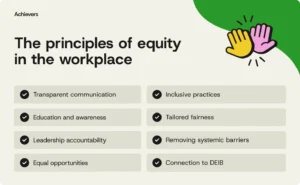
The principles of Pride Month extend far beyond individual understanding and into the broader societal fabric, particularly within the workplace. Companies that actively embrace diversity, equity, and inclusion (DEI) initiatives, including those that support LGBTQIA+ employees, often experience significant benefits. A 2023 report by Deloitte found that inclusive cultures are more likely to be innovative, agile, and better equipped to respond to changing market demands. Employees in inclusive environments report higher levels of engagement, job satisfaction, and a greater sense of belonging, which directly correlates with increased productivity and reduced turnover.
Organizations that visibly support Pride Month through internal communications, employee resource groups (ERGs), and participation in Pride events send a powerful message of solidarity. This commitment not only benefits LGBTQIA+ employees by creating a safer and more welcoming environment but also signals to all employees that the company values diversity and respects individual identities. This can enhance the company’s brand reputation, attract top talent, and foster a more positive and productive work culture.
Furthermore, the advocacy and awareness generated by Pride Month contribute to broader societal progress. By challenging discrimination, promoting legal protections, and fostering open dialogue, Pride events help to dismantle systemic barriers and create a more equitable society for LGBTQIA+ individuals. This progress has tangible implications, including increased access to healthcare, housing, and employment opportunities, and a reduction in violence and discrimination. The ongoing evolution of societal norms and legal frameworks reflects the persistent efforts of the LGBTQIA+ community and its allies, with Pride Month serving as a crucial annual touchstone for reflection, celebration, and continued advocacy.
The journey toward full equality and acceptance is ongoing. Understanding the historical context, the profound importance of acceptance for well-being, and the educational pathways available are essential steps in fostering a world where every individual can live authentically and without fear. Pride Month, therefore, is not just a celebration; it is a vital reminder of the progress made, the work that remains, and the enduring power of acceptance to save lives and build a more just and equitable future for all.