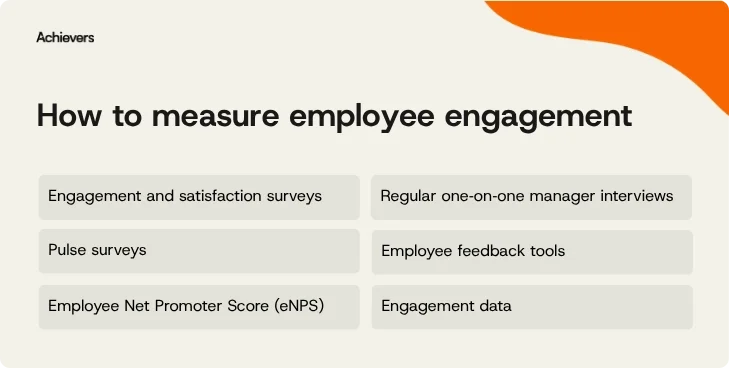
Measuring employee engagement is a critical undertaking for modern organizations, offering a window into the genuine investment and satisfaction of the workforce. Far beyond a mere pulse check, robust engagement metrics provide a strategic roadmap, highlighting areas of strength, identifying potential weaknesses, and guiding leaders on where to focus efforts to foster motivation and retention. In today’s dynamic work environment, where remote and hybrid models are prevalent, discerning authentic commitment from superficial participation is more important than ever.
A comprehensive study, the Achievers Engagement and Retention Report, reveals a compelling truth about employee priorities: a staggering 72% of employees would opt for a role where they feel genuinely valued over a higher-paying position that lacks support or recognition. This data underscores a fundamental shift, suggesting that meaning and appreciation often trump financial incentives, reinforcing the imperative for organizations to prioritize cultivating a supportive and engaging workplace culture.
The insights derived from tracking engagement are not just anecdotal; they are actionable intelligence. They illuminate the effectiveness of current strategies, pinpoint areas of friction, and ultimately inform decisions that impact productivity, morale, and the long-term success of the company. Without this data, organizations risk operating in the dark, potentially losing valuable talent and hindering their overall performance.
Unpacking the Core Metrics of Employee Engagement
To effectively gauge the health of an organization’s workforce, a deliberate approach to collecting and analyzing feedback is essential. Once channels for employee input are established, the focus must shift to understanding what specific metrics truly reflect engagement. The following key indicators provide a comprehensive framework for measuring this vital aspect of organizational health:
1. Employee Net Promoter Score (eNPS): The Gauge of Advocacy
eNPS, a widely adopted metric, serves as a straightforward yet powerful indicator of employee sentiment. It quantifies how likely employees are to recommend their organization as a place to work. This question, often phrased as, "On a scale of 0-10, how likely are you to recommend [Company Name] as a place to work?" provides a direct measure of employee advocacy and overall satisfaction with the workplace culture. A high eNPS score signals a positive employee experience and a strong employer brand, while a low score necessitates a deeper investigation into underlying issues. It acts as a swift and reliable barometer for the general mood and cultural vitality of the company.
2. Recognition Frequency and Reach: The Currency of Appreciation
Recognition is far more than a mere perk; it is a proactive indicator of engagement. Tracking the frequency with which employees are recognized, the individuals or teams involved in bestowing that recognition, and the breadth of its distribution across different departments and levels is crucial. Appreciation that circulates organically, particularly through peer-to-peer initiatives, is strongly correlated with enhanced connection, sustained motivation, and improved retention rates. A lack of widespread or consistent recognition can signal a disconnect and a potential dampening of morale.
3. Real-time Feedback Activity: The Continuous Dialogue
In an era of constant change, having always-on feedback mechanisms is paramount. These tools provide an ongoing pulse on employee sentiment, allowing organizations to capture immediate reactions and concerns. Key indicators include the volume of employee input, the responsiveness of managers to feedback, and, critically, the demonstrable actions taken in response. High participation rates suggest a level of trust in the feedback process, while low engagement may indicate a perception that employee voices are not being heard or acted upon. This continuous dialogue is vital for agile problem-solving and fostering a culture of open communication.
4. Sentiment Trends Over Time: Identifying Trajectories of Morale
While individual data points can offer a snapshot, analyzing trends over time provides the actionable intelligence needed for strategic intervention. Whether examining survey scores, the recurring themes in qualitative feedback, or patterns in recognition activity, identifying shifts in sentiment is key. Growing confidence, increasing frustration, or emerging challenges can be detected early, allowing managers to proactively address issues before they escalate into significant problems. This longitudinal analysis transforms raw data into a predictive tool for workforce management.
5. Manager Effectiveness Scores: The Linchpin of Experience
Great managers are instrumental in removing obstacles and facilitating employee success, whereas less effective managers can inadvertently become impediments. Metrics related to manager effectiveness, encompassing clarity of communication, provision of support, quality of coaching, recognition practices, and follow-through on commitments, are vital. By tracking these indicators, organizations can identify areas where leadership training, mentorship, or additional resources may be required to empower managers to foster higher levels of engagement within their teams.
6. Turnover and Retention Indicators: The Early Warning System
Employee engagement and retention are inextricably linked. Monitoring early warning signs, such as a decline in recognition activity, lower satisfaction scores in surveys, or a decrease in participation in feedback channels, can provide crucial foresight. These insights enable teams to intervene proactively, addressing potential issues before employees begin actively seeking new opportunities. This predictive capability is invaluable in mitigating unwanted attrition and maintaining institutional knowledge.
7. Participation in Development and Growth Opportunities: Investing in the Future
Engaged employees are typically invested in their own professional development and see a long-term future within their organization. Tracking participation in learning programs, internal mobility initiatives, and engagement in career conversations offers a strong indication of this commitment. When employees actively engage with pathways for growth, it signals their belief in their future prospects and their desire to contribute to the organization’s long-term success, moving beyond a purely transactional relationship focused solely on compensation.
Strategic Approaches to Measuring Engagement
To truly measure employee engagement in a way that yields meaningful results, organizations must move beyond infrequent, annual surveys. A more dynamic and continuous approach is required, empowering employees to voice their experiences, both positive and negative, with the assurance that their input is valued. The greater the ease with which feedback can be provided, the more honest and valuable that feedback becomes.
1. Engagement and Satisfaction Surveys: The Foundational Baseline
Well-designed engagement and satisfaction surveys provide a foundational understanding of how employees perceive their work, leadership, and overall experience within the organization. They establish a baseline for cultural health and highlight areas where support, clarity, or recognition may be lacking. However, the efficacy of these surveys is often hampered by their infrequency. Data from the 2026 Engagement and Retention Report indicates that only 38% of organizations provide feedback at least weekly, highlighting a significant gap in continuous listening.
- How to use them: Conduct engagement surveys on a regular cadence, using the results to establish clear organizational priorities. Focus on a limited number of impactful themes and leverage other listening methods to delve deeper into these areas.
2. Pulse Surveys: Real-time Sentiment Monitoring
Pulse surveys are concise, frequent check-ins designed to capture real-time sentiment shifts. They enable organizations to monitor how engagement fluctuates in response to significant changes, such as new leadership, evolving workloads, or strategic pivots. The true value of pulse surveys lies in their consistency and the subsequent follow-through, providing leaders with early signals and assuring employees that their feedback translates into tangible actions.
- How to use them: Employ pulse surveys to track engagement trends, particularly during periods of transition or uncertainty. Keep questions focused and relevant, and share high-level findings with employees. Develop clear action plans based on the results and communicate them to the relevant teams or the broader organization.
3. Employee Net Promoter Score (eNPS): A Measure of Advocacy
As previously detailed, eNPS is a widely recognized metric for gauging overall engagement and cultural health by measuring an employee’s likelihood to recommend their organization as a place to work.
- How to use it: Focus on tracking eNPS trends rather than treating the score in isolation. Supplement the quantitative score with qualitative feedback to understand the drivers behind employee sentiment. This approach encourages a deeper dive into the underlying factors influencing employee perception.
4. Regular One-on-One Manager Interviews: Cultivating Trust and Clarity
Consistent one-on-one meetings between managers and employees are essential for fostering trust, ensuring clarity, and facilitating meaningful feedback. However, data from the Achievers Workforce Institute (AWI) reveals that only 20% of employees have regular one-on-one meetings with their managers, indicating a significant area for improvement.

- How to use them: Establish one-on-one meetings as a consistent expectation for all managers. Encourage leaders to integrate engagement insights into these discussions, ensuring conversations focus on support, priorities, and individual development.
5. Employee Feedback Tools: Seamless Integration into Workflows
Employee feedback tools simplify the process for individuals to share input throughout their workday. These tools can encompass quick polls, open-ended comment sections, and recognition-based feedback mechanisms, making it easier to gather timely insights.
- How to use them: Integrate feedback tools seamlessly into existing workflows to ensure ease of participation and relevance. Crucially, close the feedback loop by acknowledging input and communicating the actions being taken as a result.
6. Comprehensive Engagement Data: Informed Decision-Making
By consolidating signals from surveys, feedback mechanisms, recognition activities, and participation trends, organizations can build a holistic view of engagement. This aggregated data empowers companies to move beyond assumptions and prioritize actions that demonstrably enhance performance, foster connection, and improve retention.
- How to use it: Focus on identifying patterns within the data rather than fixating on individual metrics. Utilize engagement data to guide strategic priorities, reinforce desired behaviors, and identify areas where leadership support may be needed.
7. Manager Effectiveness Tools: Empowering Leadership
Manager effectiveness tools are designed to assess how well leaders support, recognize, and coach their teams. This is critical, as managers significantly shape the day-to-day employee experience. AWI data highlights that 53% of employees report that a supportive manager is crucial for navigating unexpected challenges.
- How to use them: Leverage manager effectiveness data to understand which leadership behaviors are most conducive to employee engagement and which require development. Share these insights constructively with managers, aligning them with clear expectations for recognition, communication, and support. Use this data to guide coaching, professional development initiatives, and ongoing check-ins, ensuring managers know where to focus their efforts to enhance team engagement.
Essential Questions for Gauging Employee Engagement
To effectively understand the dynamics driving or detracting from engagement within a company, the questions asked are paramount. The following five fundamental questions provide a solid foundation for surfacing employees’ genuine experiences:
1. How likely are you to recommend this company as a great place to work?
This question directly measures eNPS, offering a swift assessment of employee sentiment regarding their workplace. A high score typically indicates a healthy company culture, while a low score signals a need for deeper exploration. While not the sole determinant of engagement, it serves as a robust initial indicator of overall sentiment.
2. How well do you understand the company’s goals and mission?
Employees seek to be part of something larger than themselves, and they want their contributions to have meaning. A lack of clarity regarding the company’s direction can diminish motivation. It is essential that organizational values are not only articulated in mission statements but are also consistently reflected in daily practices, particularly in how employees are recognized and rewarded.
3. How happy are you in your role?
While happiness is subjective, a high level of job satisfaction often reflects a strong organizational foundation, characterized by clear expectations, meaningful work, and supportive teams. Declining satisfaction scores can point to deeper issues such as burnout, misalignment, or a lack of recognition.
4. Do you feel valued for your contributions?
Recognition plays a pivotal role in fostering employee connection. When individuals feel acknowledged by their managers, peers, and leadership, they are more likely to remain engaged and committed. A lagging score in this area may necessitate a re-evaluation of how appreciation is expressed on a daily basis, with modern recognition platforms often proving beneficial.
5. Do you have the support and resources you need to do your job well?
This question addresses the core of employee empowerment. A deficiency in the necessary tools, clarity, or coaching can rapidly erode engagement. Effective managers facilitate success by removing obstacles, rather than creating them. Strong engagement is intrinsically linked to ensuring employees feel adequately equipped to perform at their best.
Best Practices for Effective Engagement Measurement
According to Gallup’s State of the Global Workplace Report, employee engagement globally has seen a decline, reaching 21% last year. This trend serves as a significant wake-up call for organizations, emphasizing that measuring engagement is not merely a procedural task but a strategic imperative for building a workplace that employees are eager to be a part of.
To approach engagement measurement with intentionality and effectiveness:
- Lead with Transparency: Clearly communicate the purpose of engagement initiatives and how the data will be used.
- Foster a Culture of Purpose: Connect employee roles and contributions to the broader organizational mission and values.
- Drive Actionable Insights: Ensure that the data collected translates into concrete initiatives and improvements.
- Empower Managers: Equip managers with the training and tools they need to effectively support and engage their teams.
- Prioritize Continuous Listening: Implement a range of feedback mechanisms that allow for ongoing input and dialogue.
When organizations prioritize transparency, articulate a clear sense of purpose, and demonstrate a commitment to acting on feedback, the process of measuring engagement transcends a mere metric. It becomes an integral component of a culture where individuals feel seen, heard, and empowered to contribute their best efforts.
The Transformative Power of Employee Engagement Software
Improving what is not understood is an impossible task. When it comes to employee engagement, relying on guesswork is insufficient. This is where specialized employee engagement software becomes indispensable. Platforms like Achievers go beyond traditional tools, offering a centralized, always-on ecosystem that aggregates feedback from diverse channels—including quick polls, open comments, and recognition activities—and transforms it into real-time, actionable insights. With flexible and customizable reporting capabilities, these platforms provide a comprehensive view, enabling organizations to move from data collection to impactful action.
Achievers differentiates itself through its integrated approach, offering features that facilitate:
- Continuous Feedback: Enabling ongoing input from employees.
- Meaningful Recognition: Providing tools for timely and impactful appreciation.
- Actionable Insights: Translating raw data into strategic recommendations.
- Global Rewards Marketplace: Offering a diverse range of rewards to acknowledge employee contributions.
Organizations that fully embrace comprehensive engagement solutions like Achievers often experience a significant return on investment, with reports indicating up to a five-fold increase in engagement, productivity, and retention. This is because when providing feedback is easy, interpreting data is straightforward, and taking action is facilitated, engagement transforms from a passive measurement into an actively shaped aspect of organizational culture.
Measuring Employee Engagement the Right Way
Measuring employee engagement is merely the initial step in a broader journey. The true impact is realized in the subsequent actions taken—recognizing exemplary behaviors, responding proactively to employee feedback, and cultivating an environment where every individual feels seen, heard, and valued. This is where solutions like Achievers play a pivotal role. By embedding recognition and real-time feedback into the daily workflow, Achievers simplifies the process of understanding what motivates employees and implementing actions that foster lasting positive change. From AI-powered analytics to a global rewards network, the platform is meticulously designed to strengthen connections, enhance retention, and shape a desired organizational culture. By making engagement an intrinsic part of daily operations, rather than just a periodic metric, companies can build a more resilient, motivated, and successful workforce.
Measuring Employee Engagement FAQs
Key Insights
- Value Over Wages: A significant majority of employees prioritize feeling valued over higher compensation, underscoring the importance of a supportive work environment.
- Managerial Impact: Managers play a crucial role in shaping employee experience, with supportive leadership being a key driver of engagement and resilience.
- Continuous Feedback Loop: Moving beyond annual surveys, organizations must adopt continuous feedback mechanisms to stay attuned to real-time employee sentiment.
- Recognition as a Driver: Frequent and widespread recognition is a powerful predictor of employee connection, motivation, and retention.
- Data-Informed Action: Effective engagement measurement requires translating data into tangible actions that address employee needs and foster a positive culture.