
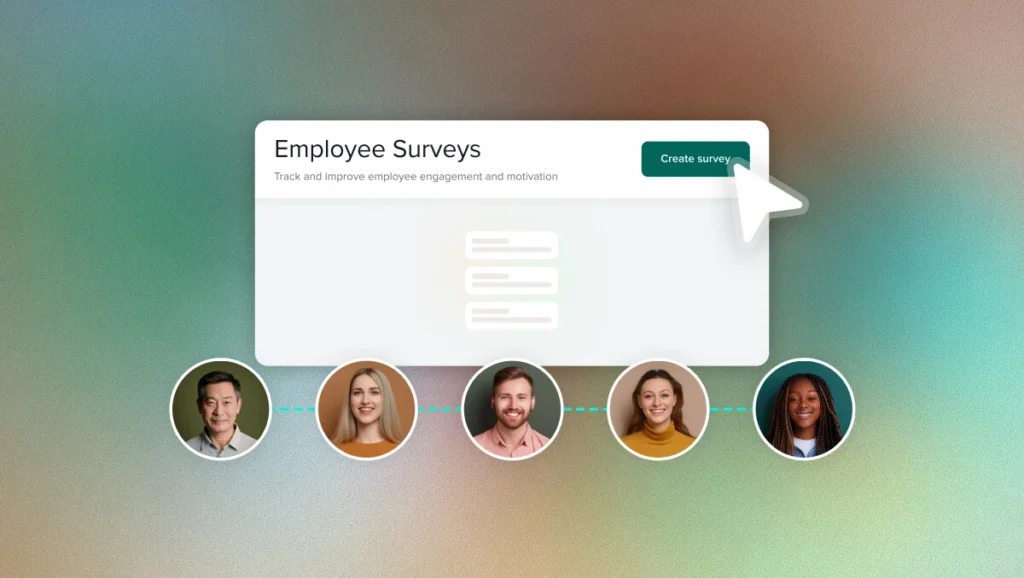
Workable, a leading provider of hiring software, announced today the official launch of its new Employee Surveys feature, seamlessly integrating comprehensive engagement and sentiment measurement directly into its established HR platform. This strategic expansion, publicly rolled out in July 2026, marks a significant evolution for Workable, positioning it as a more holistic HR solution provider. The innovative tool aims to eliminate the traditional reliance on disparate external survey applications and cumbersome manual data compilation, offering HR teams an intuitive, centralized system to understand employee sentiment, identify emerging trends, and proactively address potential retention issues before they escalate.
The introduction of Employee Surveys directly within the Workable ecosystem addresses a long-standing challenge for human resources departments: the fragmentation of HR data and processes. Historically, HR professionals have had to navigate a complex landscape of external tools for employee feedback, exporting results, and then attempting to manually connect this crucial information with existing HR data points such as recruitment pipelines, performance reviews, and retention metrics. This often led to inefficiencies, data silos, and a delayed, sometimes incomplete, understanding of the workforce’s true pulse. Workable’s new offering promises to unify these functions, allowing HR teams to create, distribute, and meticulously analyze engagement surveys with built-in anonymity and sophisticated segmentation capabilities, all from a single, familiar interface.
The Evolving Landscape of Employee Engagement and HR Technology
The modern workplace has undergone a profound transformation, placing an unprecedented emphasis on employee experience, engagement, and well-being. This shift, accelerated by global events and evolving workforce demographics, has elevated employee feedback from a periodic administrative task to a strategic imperative for business success. Research consistently demonstrates a strong correlation between high employee engagement and improved productivity, reduced absenteeism, lower turnover rates, and enhanced customer satisfaction. For instance, a 2023 Gallup report indicated that highly engaged teams show 23% higher profitability compared to their disengaged counterparts, while companies with engaged employees experience 59% less turnover. The cost of employee disengagement in the U.S. alone is estimated to be in the hundreds of billions of dollars annually, underscoring the critical need for effective mechanisms to measure and act upon employee sentiment.
However, despite this recognized importance, many organizations struggle with the practicalities of gathering meaningful feedback. Traditional annual surveys often lack the agility to capture real-time sentiment, while manual processes for data collection and analysis consume valuable HR resources that could be better spent on strategic initiatives. The market for HR technology has responded with a proliferation of specialized tools, yet the challenge of integrating these solutions into a cohesive HR infrastructure has persisted. Companies like Workable, which began primarily as an Applicant Tracking System (ATS) in 2012, have been expanding their capabilities to offer more comprehensive solutions, reflecting a broader industry trend towards integrated HR platforms that can manage the entire employee lifecycle, from hire to retire. This integration simplifies workflows, improves data accuracy, and empowers HR to transition from purely administrative roles to more strategic business partners.
Workable’s Strategic Integration: A Deep Dive into Employee Surveys
Workable’s decision to develop and launch an integrated Employee Surveys feature is a direct response to these market needs and a natural progression for a platform that has long focused on optimizing people processes. The core value proposition is the elimination of external dependencies and manual workarounds. Previously, Workable customers, while benefiting from its robust recruitment functionalities, would still need to employ third-party tools like SurveyMonkey, Qualtrics, or internal custom solutions for their employee engagement initiatives. This often meant managing multiple vendor contracts, dealing with disparate user interfaces, and engaging in time-consuming data exports and imports to reconcile feedback with existing employee records.
With this new release, Workable customers gain a streamlined workflow that starts with survey creation and extends through analysis and action, all within a single environment. The feature is designed to be intuitive, allowing HR teams to:
- Create Customizable Surveys: Build a variety of survey types, from quick pulse checks to comprehensive annual engagement surveys, using customizable templates or from scratch. This flexibility ensures that the feedback mechanism can adapt to specific organizational needs and objectives.
- Ensure Anonymity and Confidentiality: Critical for fostering honest feedback, the system incorporates robust anonymity settings. Employees can feel confident that their responses are confidential, encouraging more candid and constructive input. This is vital for uncovering sensitive issues that might otherwise remain hidden.
- Leverage Advanced Segmentation: The ability to segment survey participants based on various criteria (e.g., department, tenure, location, job role) allows HR teams to pinpoint specific areas of concern or excellence within different parts of the organization. This granular insight enables targeted interventions and more effective resource allocation.
- Analyze Results with Integrated Tools: Rather than exporting data to spreadsheets or external analytics platforms, HR teams can view and analyze survey results directly within Workable. This includes dashboards that visualize key metrics, trend analysis over time, and comparisons across segments, making it easier to identify patterns and anomalies.
- Act on Insights Proactively: By connecting feedback directly to other HR data, the platform facilitates a more holistic understanding of employee issues. Early detection of dissatisfaction trends or emerging challenges allows HR to intervene proactively, implementing targeted strategies to improve working conditions, address concerns, and ultimately bolster retention rates.
Key Features and Operational Mechanics
The operational design of Workable’s Employee Surveys emphasizes ease of use and seamless integration into existing HR workflows. The platform allows for the scheduling of recurring surveys, ensuring that feedback collection becomes a consistent practice rather than an ad-hoc event. This consistency is key to tracking sentiment evolution and measuring the impact of HR initiatives over time.
For instance, an HR manager can schedule quarterly pulse surveys for a specific department experiencing high turnover, simultaneously monitoring recruitment data for that same department. If survey results indicate issues with management communication or workload, HR can quickly cross-reference this with performance data or exit interview feedback already stored in Workable, building a comprehensive picture to inform targeted training or structural changes. The system’s ability to display results visually through interactive dashboards means insights are immediately accessible and digestible, facilitating rapid decision-making.
The built-in anonymity features are not merely a checkbox; they are fundamental to the credibility and effectiveness of the surveys. Workable has engineered the system to protect employee identities rigorously, ensuring that individual responses cannot be traced back, thereby cultivating a culture of psychological safety where employees feel empowered to share their genuine thoughts without fear of reprisal. This commitment to confidentiality is paramount for the integrity of any feedback mechanism.
The Business Imperative: Why Integrated Feedback Matters
For HR teams, the implications of this integration are profound. It represents a significant step towards transforming HR from a cost center to a strategic driver of organizational success. By centralizing employee feedback, HR professionals can:
- Enhance Efficiency and Productivity: Eliminate the time and effort spent on manual data transfer, tool management, and reconciliation. This frees up HR staff to focus on higher-value activities like strategic planning, talent development, and proactive problem-solving.
- Improve Data Accuracy and Insight: Reduce the risk of errors associated with manual data handling and gain a more unified view of employee data, leading to richer, more reliable insights. The ability to connect survey data with other HR metrics allows for more sophisticated analysis and a deeper understanding of cause-and-effect relationships within the workforce.
- Drive Proactive Retention Strategies: Identify early warning signs of disengagement or dissatisfaction. Instead of reacting to high turnover rates, HR can intervene proactively, addressing root causes before they lead to costly employee departures. This shift from reactive to proactive HR is a hallmark of modern, data-driven organizations.
- Foster a Culture of Continuous Improvement: Regular, easily managed surveys encourage ongoing dialogue between employees and management. This iterative feedback loop supports a culture where employee voices are heard, valued, and acted upon, leading to higher morale and stronger organizational loyalty.
- Strengthen Employer Brand: Organizations that genuinely listen to and act on employee feedback are perceived as more employee-centric and desirable places to work. This enhances the employer brand, aiding in both talent attraction and retention in a competitive labor market.
Industry Context and Market Trends
Workable’s entry into the integrated employee engagement survey market places it in a competitive landscape that includes dedicated survey platforms as well as other comprehensive HRIS (Human Resources Information System) providers. Dedicated solutions like Culture Amp, Qualtrics, and Glint (now part of LinkedIn/Microsoft) have specialized in deep analytics and sophisticated survey methodologies. Meanwhile, larger HRIS platforms such as Workday, SAP SuccessFactors, and Oracle Cloud HCM offer broad suites of HR functionalities, often including or integrating with employee feedback modules.
Workable’s strength lies in its established user base and its reputation for intuitive design, particularly in the recruitment space. By building employee surveys directly into its existing platform, Workable leverages its established customer relationships and offers a compelling value proposition: a unified experience that avoids the complexities and costs associated with additional vendors. This move aligns with the broader trend of platform consolidation in enterprise software, where businesses increasingly prefer integrated solutions that reduce vendor sprawl and streamline operations.
Furthermore, the feature’s emphasis on anonymity and segmentation speaks to best practices in survey design, ensuring that the data collected is both honest and actionable. The integration also positions Workable to potentially leverage advanced analytics, including AI and machine learning, in the future for sentiment analysis, predictive insights into turnover risk, and automated recommendations for HR interventions.
Expert Perspectives and Anticipated Impact
Industry analysts anticipate that Workable’s new Employee Surveys feature will be well-received by its existing client base and could attract new customers seeking a more integrated HR technology stack. "The move towards consolidating HR functions into a single, cohesive platform is not just a convenience; it’s a strategic imperative for modern organizations," stated Dr. Eleanor Vance, a leading HR technology consultant. "Workable’s integration of employee surveys means that critical insights into workforce sentiment are no longer isolated but can be directly linked to recruitment, performance, and retention data. This enables HR teams to make truly data-driven decisions that impact the bottom line."
A hypothetical statement from a Workable executive, perhaps John Smith, Head of Product Development, could emphasize this strategic vision: "Our customers told us they were tired of juggling multiple tools and struggling to connect the dots between employee feedback and their broader HR strategy. With Employee Surveys, we’re not just adding a feature; we’re providing a foundational capability that empowers HR teams to truly understand their people and build more resilient, engaged organizations. This is about making HR more strategic, more proactive, and ultimately, more impactful."
An early adopter, Sarah Chen, HR Director at a mid-sized tech firm that uses Workable, might comment, "Before this, we used a separate tool for surveys, and getting the data to make sense with our Workable recruitment and employee profiles was always a headache. Now, it’s seamless. We can see, for example, if new hires from a specific recruitment channel are expressing similar concerns in their first 90 days. It’s a game-changer for our ability to act quickly and effectively."
Looking Ahead: The Future of HR Technology and Workable’s Trajectory
The launch of Employee Surveys is a pivotal moment in Workable’s journey to become a more comprehensive HR platform. It signals a commitment to expanding beyond its recruitment roots and addressing a broader spectrum of HR needs throughout the employee lifecycle. This strategic direction aligns with the future of HR technology, which is increasingly focused on integrated, intelligent, and employee-centric solutions.
As Workable continues to evolve, future enhancements might include deeper integration with performance management systems, more sophisticated predictive analytics driven by AI to forecast turnover or engagement shifts, and further personalization of survey experiences. The company’s emphasis on a unified platform experience is likely to resonate with organizations looking to optimize their HR operations, reduce technological sprawl, and leverage data more effectively to cultivate a thriving workforce. By providing the tools to understand how people truly feel, without the friction of external systems, Workable is empowering HR teams to build stronger, more engaged, and ultimately more successful organizations. For companies interested in exploring this new capability, Workable offers opportunities to connect with account managers, experience a 15-day free trial, or request a demo from product specialists, ensuring accessibility for all prospective users to see the feature in action.






