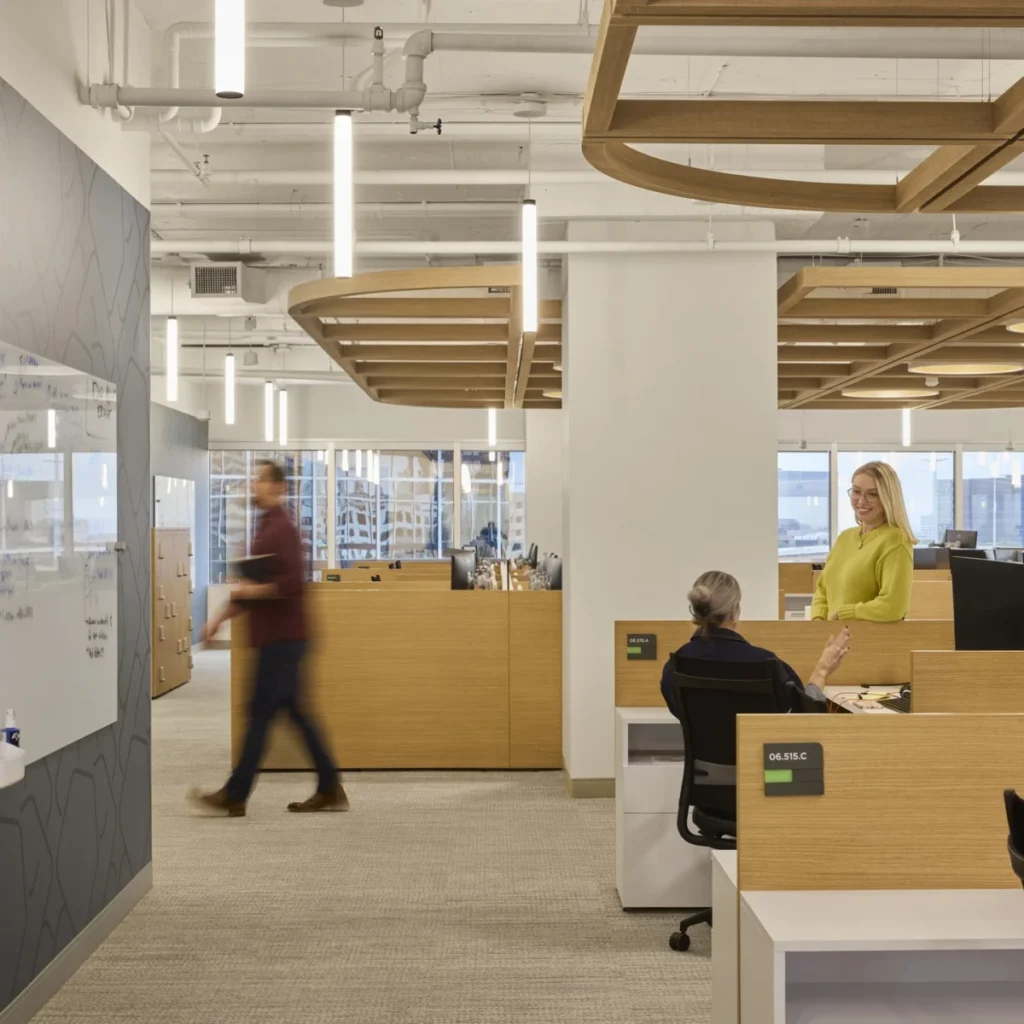
A groundbreaking study conducted by architecture and design firm Corgan, in collaboration with the University of Arkansas, has unveiled critical insights into how workplace environments can significantly impact the focus and attention of individuals with inattentive-type ADHD. The research, funded by the American Institute of Architects’ (AIA) Upjohn Research Initiative, employed electroencephalogram (EEG) technology to monitor brain activity, revealing that elements such as lighting, visual distractions, and opportunities for movement play a measurable role in cognitive performance. The findings, published in the report "Focus by Design: What the ADHD Brain Teaches Us About Better Workspaces for All," suggest that by carefully considering these environmental factors, organizations can create more inclusive and productive workspaces for everyone.
Understanding the Nuances of Inattentive-Type ADHD in the Workplace
Inattentive-type ADHD, characterized by difficulties with sustained attention, organization, and task completion, presents unique challenges within traditional office settings. The Corgan-University of Arkansas study sought to move beyond anecdotal evidence by objectively measuring the effects of various workplace design elements on individuals with this condition. Researchers specifically focused on how sensory input – light, sound, visual stimuli, and the potential for physical movement – influenced participants’ ability to concentrate. The use of EEG technology provided a sophisticated method for assessing brain activity, offering a deeper understanding of cognitive load and attention levels than self-reporting alone.
The study’s premise is rooted in the understanding that individuals with inattentive-type ADHD often experience environmental stimuli more intensely. As Melissa Hoelting, assistant director of Corgan-Hugo, the firm’s research and innovation group, explained, "Modern workplaces ask us to constantly process light, sound, movement, and visual activity – and while many people learn to adapt, individuals with inattentive-type ADHD often experience the effects of those environments sooner and more intensely." This makes them an ideal cohort for understanding how environmental design can either hinder or support cognitive function, offering valuable lessons applicable to the broader workforce.
Key Findings: Lighting, Visual Boundaries, and Movement
The research identified several key areas where workplace design has a profound impact on attention:
The Illuminating Impact of Lighting
Lighting emerged as a particularly influential factor. Participants reported feeling more at ease, less stressed, and demonstrably more focused when exposed to dimmer, indirect lighting. Conversely, brighter, direct lighting was associated with increased distraction and eye strain. Crucially, EEG measurements corroborated these subjective reports, showing higher levels of sustained attention under diffused lighting conditions. This suggests a direct correlation between the quality and intensity of light and an individual’s capacity for focused work. The implications for office design are significant, pointing towards the benefits of incorporating adjustable lighting systems and prioritizing soft, ambient illumination over harsh overhead fixtures.
Navigating Visual Distractions and the Need for Boundaries
The spatial arrangement of workstations also played a critical role. When participants were positioned with their backs to surrounding activity, they reported a 67% increase in feelings of insecurity, even though they concurrently reported higher levels of concentration. This seemingly counterintuitive finding highlights a complex interplay between perceived safety and focus. While a degree of visual privacy can reduce immediate distractions, a complete lack of awareness of one’s surroundings can lead to anxiety.
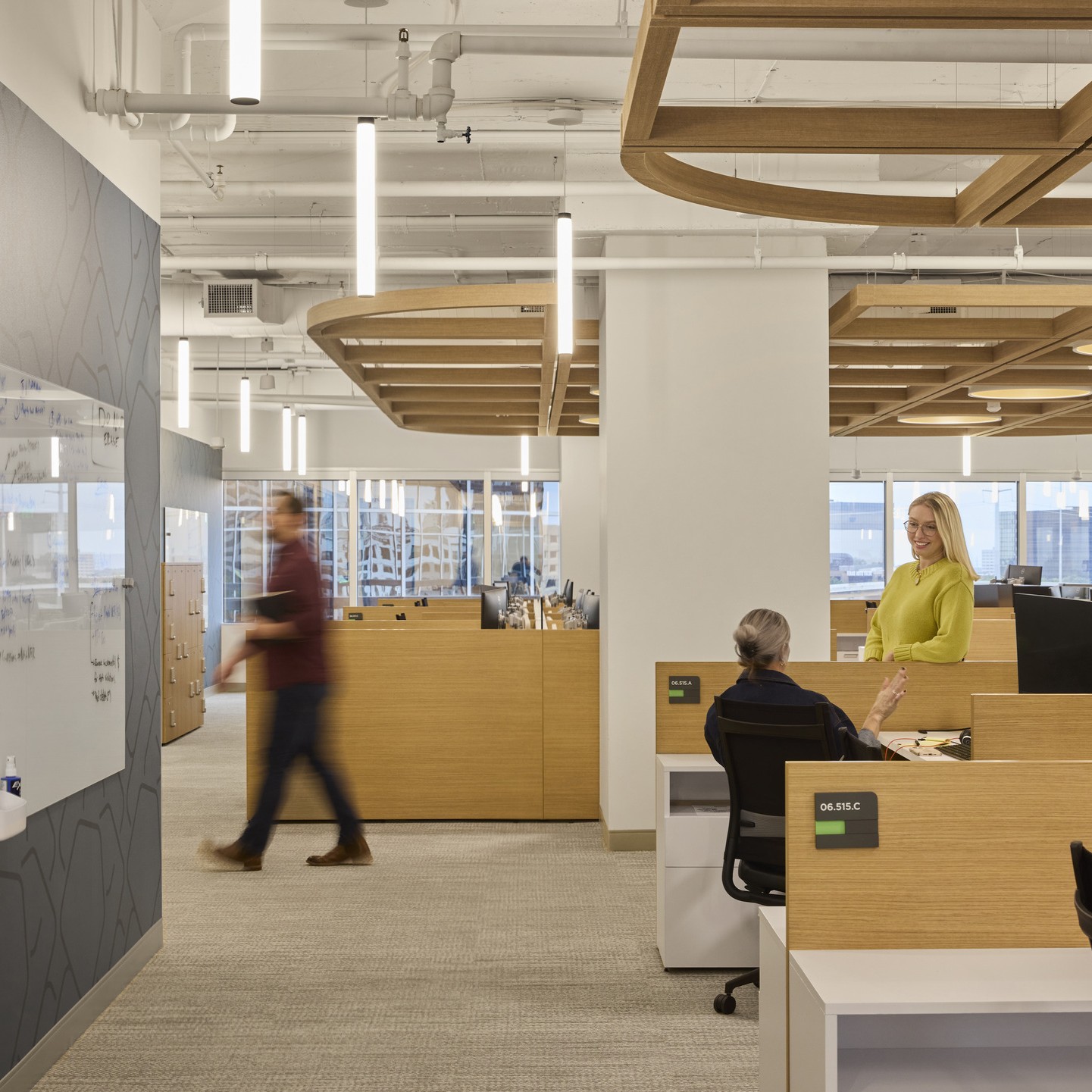
In contrast, open-plan settings that offered visual boundaries without completely enclosing workers proved to be the most effective in minimizing measured cognitive load. This suggests an optimal balance is achievable: providing employees with a sense of personal space and a degree of visual screening, while still allowing for a general awareness of the broader environment. This could be achieved through strategic placement of partitions, plants, or furniture arrangements that create natural zones without creating isolated silos.
The Role of Movement in Sustaining Attention
Movement was another area where the study revealed nuanced effects. The incorporation of dynamic furniture options, such as sit-stand desks, footrests, and yoga-ball seating, demonstrated that brief changes in posture could indeed support comfort and attention. However, continuous or exaggerated movement was found to reduce both comfort and perceived focus. The researchers also observed that participants naturally adopted postures and fidgeted during tasks, indicating that subtle, self-regulated movements can be a strategy for individuals to manage their attention. This underscores the importance of providing flexible workspace options that allow for natural shifts in posture and encourage a degree of controlled, beneficial movement throughout the workday.
A Holistic Approach to Workspace Design
A central conclusion of the study is that no single environmental intervention acts in isolation to determine attention levels. Instead, it is the synergistic effect of multiple factors – lighting, acoustics, visual conditions, opportunities for movement, and other sensory inputs – that collectively shapes an individual’s overall experience and their capacity for sustained focus. This emphasizes the need for a holistic approach to workplace design, moving away from one-size-fits-all solutions and towards environments that are adaptable and responsive to diverse needs.
Background and Chronology of the Research
The research project, initiated by Corgan-Hugo in partnership with the University of Arkansas, received crucial funding from the AIA Upjohn Research Initiative. This initiative has a long-standing commitment to supporting research that advances the built environment, with a focus on areas such as health, equity, resilience, and innovation in architecture. The study’s methodology involved a series of controlled experiments where participants with inattentive-type ADHD navigated different workstation configurations and environmental conditions.
The data collection likely spanned several months, beginning with the design of experimental setups in controlled environments, followed by participant recruitment and testing. The EEG monitoring provided objective physiological data, which was then analyzed alongside qualitative feedback from participants regarding their subjective experiences. The culmination of this rigorous process was the comprehensive report, "Focus by Design: What the ADHD Brain Teaches Us About Better Workspaces for All," published in September 2026. This report not only details the findings but also provides actionable recommendations for architects, designers, and organizational leaders.
The research has already garnered recognition within the academic and professional communities. It has received a Certificate of Research Excellence from the Environmental Design Research Association (EDRA), an international organization dedicated to fostering research on the relationship between people and their designed environments. This endorsement further validates the significance and impact of the study’s findings.
Broader Implications and Future Directions
The implications of this research extend far beyond the immediate needs of employees diagnosed with ADHD. As Hoelting articulated, individuals with inattentive-type ADHD can serve as an "early lens" through which to understand the broader effects of workplace environments on attention and cognitive performance. In an era where the modern workforce faces increasing demands for multitasking and constant connectivity, the challenges experienced by those with ADHD are amplified versions of issues that many neurotypical individuals also encounter.
The findings suggest that creating workplaces that are more adaptable, offer greater sensory control, and acknowledge the importance of movement can lead to improved concentration, reduced cognitive load, and enhanced overall well-being for all employees. This is particularly relevant as organizations grapple with the evolving nature of work, including the rise of hybrid models and the need to foster environments that support both productivity and mental health.
Future research could build upon these findings by exploring the long-term effects of these design interventions, investigating the impact of sound and acoustics in greater detail, and examining how cultural differences might influence responses to workplace design. Furthermore, the development of standardized metrics and assessment tools could help organizations evaluate their existing spaces and implement evidence-based design strategies to create more inclusive and effective work environments.
The Corgan-University of Arkansas study represents a significant step forward in understanding the intricate relationship between our physical surroundings and our cognitive capabilities. By applying these insights, businesses have the opportunity to design workspaces that not only accommodate diverse neurological needs but also unlock the full potential of their entire workforce. The "Focus by Design" report offers a compelling roadmap for creating a future of work that is more attentive, more inclusive, and ultimately, more productive for everyone.