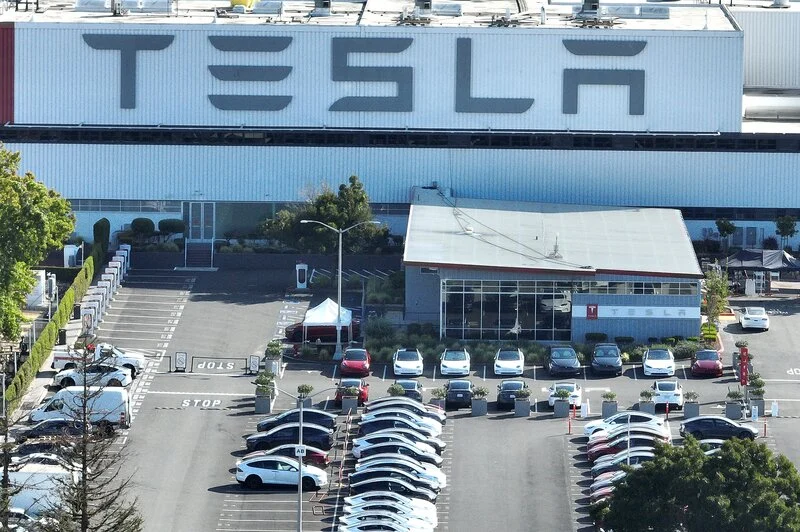
A California state judge presiding over the California Civil Rights Department’s lawsuit alleging Tesla fostered racism at its Fremont factory admonished both parties Friday for violating orders and being unprepared for an upcoming bench trial, telling counsel that the court is prepared to issue significant penalties if the lack of cooperation continues. The escalating tensions in the courtroom highlight the high stakes of a case that has spanned several years and involves one of the world’s most prominent electric vehicle manufacturers. Judge Dorothy Atkins, clearly frustrated by the procedural delays and the failure of both Tesla and the state agency to adhere to pre-trial protocols, warned that the court’s patience has reached its limit. "Frankly, I’m ready to start lobbing sanctions against every person in this room," the judge stated during the hearing, underscoring a judicial environment that has grown increasingly weary of the adversarial posturing between the tech giant and the state regulator.
The Core of the Contention: Allegations of Systemic Racism
The lawsuit, initially filed by the California Civil Rights Department (CRD)—formerly known as the Department of Fair Employment and Housing (DFEH)—represents one of the most significant legal challenges Tesla has faced regarding its corporate culture. The complaint alleges that Tesla’s Fremont assembly plant was a racially segregated workplace where Black workers were subjected to racist slurs and drawings, and were frequently assigned the most physically demanding tasks in areas of the factory referred to by some employees as the "porch" or the "slave ship."
According to the CRD’s filings, the agency received hundreds of complaints from workers who described a culture of indifference from management. The state alleges that despite internal complaints, Tesla failed to take the necessary steps to prevent harassment or discipline those responsible. The CRD’s investigation, which preceded the lawsuit, purportedly found evidence that Black employees were disciplined more harshly than their white counterparts for similar infractions and were often passed over for promotions despite having superior qualifications.
Tesla has vigorously denied these allegations, characterizing the lawsuit as politically motivated and an example of overreach by a state agency. The company has maintained that it has zero tolerance for harassment and that it has implemented numerous programs to ensure a diverse and inclusive workplace. However, the litigation has been bogged down by discovery disputes, with both sides accusing the other of withholding critical information or failing to meet court-mandated deadlines.
A Chronology of Legal Friction
The path to the August 2026 hearing has been marked by a series of legal maneuvers and delays. To understand the gravity of the judge’s recent warning, one must look at the timeline of the dispute:
- February 2022: The CRD officially files suit against Tesla in Alameda County Superior Court after a years-long investigation. Tesla immediately hits back, calling the lawsuit "unfair and counterproductive."
- August 2022: Tesla attempts to have the case paused or dismissed, arguing that the CRD failed to conduct a proper pre-suit investigation and did not provide the company with a meaningful opportunity to mediate. The court rejects these motions.
- 2023-2024: The discovery phase begins, characterized by a "war of attrition." Tesla is accused of failing to produce internal communications and employee records. Conversely, Tesla accuses the CRD of failing to specify which employees it is representing and what specific damages are being sought for each.
- Early 2025: The court appoints a discovery referee to manage the mountain of evidence and the constant bickering over document production. Despite this, progress remains slow.
- Mid-2026: As the date for the bench trial approaches, the court issues specific orders regarding trial briefs, witness lists, and exhibit tagging. Both parties allegedly fail to comply with the granular details of these orders.
The judge’s recent outburst is a direct result of this four-year history of friction. By 2026, the court expected both the CRD and Tesla to have their cases streamlined for trial. Instead, the judge found herself presiding over a hearing where basic procedural requirements had been ignored, leading to the threat of sanctions.
Procedural Failures and the Threat of Sanctions
In a legal context, sanctions can range from monetary fines to "terminating sanctions," which could involve striking a party’s pleadings or entering a default judgment. While Judge Atkins did not specify the exact nature of the sanctions she was considering, the breadth of her warning suggested that both financial penalties and evidentiary sanctions are on the table.
The primary issue cited by the court was the "utter lack of preparation" for the bench trial. In a bench trial, the judge serves as both the arbiter of law and the finder of fact, making it even more critical that evidence is organized and legal arguments are clearly articulated before the proceedings begin. The judge noted that the witness lists provided by both sides were overly broad, and the exhibit lists included thousands of documents that had not been properly vetted for relevance or admissibility.
Furthermore, the judge criticized the "tit-for-tat" behavior of the attorneys. "This is not a game of hide-the-ball," the judge remarked, according to observers in the courtroom. "The court expects professional conduct and adherence to the rules of civil procedure. We are here to adjudicate serious claims of civil rights violations, not to referee a schoolyard squabble over paperwork."
Supporting Data: The Scale of Litigation at Fremont
The Fremont factory has been a focal point for labor and civil rights litigation for the better part of a decade. To put the current CRD lawsuit into perspective, it is helpful to look at the data surrounding Tesla’s legal challenges:
- The Owen Diaz Case: In a landmark individual lawsuit, former elevator operator Owen Diaz was initially awarded $137 million by a jury in 2021 over similar allegations of racial harassment. While the award was later significantly reduced, the case set a precedent and highlighted the potential liabilities Tesla faces.
- Class Action Status: Aside from the state’s lawsuit, Tesla has faced multiple attempts by private plaintiffs to certify class-action lawsuits representing thousands of Black workers.
- Workforce Demographics: Data released in Tesla’s own diversity reports (though often criticized for lack of granularity) indicates that while the company has made strides in hiring, Black employees remain underrepresented in leadership roles compared to their presence in the general manufacturing workforce.
The CRD lawsuit is unique because it is brought by the state on behalf of the public interest. This gives the agency broader investigative powers and the ability to seek systemic changes in Tesla’s operations, rather than just monetary damages for specific individuals.
Official Responses and Strategic Posturing
Following the hearing, representatives for the California Civil Rights Department issued a brief statement reiterating their commitment to the case. "The Department remains focused on the merits of this litigation and ensuring that the civil rights of California workers are protected. We respect the court’s directives and will work diligently to ensure all pre-trial requirements are met."
Tesla’s legal team, on the other hand, remained largely silent immediately following the hearing, though they have previously argued in court filings that the CRD is "unprepared" because its claims are "unsubstantiated." Tesla’s strategy has consistently leaned toward highlighting its internal reforms and the high volume of "baseless" claims it receives as a high-profile employer.
Legal analysts suggest that Tesla’s strategy may be to prolong the litigation in hopes of a settlement or a change in the political climate that might lead to a more favorable regulatory environment. However, with a judge now threatening sanctions, the "delay and distract" tactic may have reached its expiration date.
Broader Impact and Legal Implications
The outcome of this case—and the judge’s handling of the pre-trial phase—will have significant implications for corporate law in California and beyond. If the judge follows through with sanctions, it could signal a new era of judicial impatience with large corporations that use their vast resources to stall regulatory litigation.
For the CRD, the case is a test of its ability to take on the world’s most powerful companies. A failure to adequately prepare for trial could undermine the agency’s credibility and its future efforts to enforce civil rights laws against other tech and manufacturing giants.
Furthermore, the case touches on the evolving definition of corporate responsibility in the "S" (Social) pillar of ESG (Environmental, Social, and Governance) investing. Investors are increasingly looking at how companies handle labor relations and internal culture. A definitive ruling against Tesla—or even a series of damaging sanctions during the trial—could impact the company’s reputation and its standing with institutional investors who prioritize social equity.
The Road to Trial
As the parties scramble to comply with Judge Atkins’ orders, the legal community is watching closely. The judge has scheduled a follow-up status conference for late September, at which point she will determine if the parties have made enough progress to avoid the "lobbing of sanctions."
The bench trial is expected to be a marathon event, with hundreds of witnesses potentially called to testify about the daily realities of life inside the Fremont factory. The evidence will likely include internal emails, HR records, and photographic evidence of the alleged graffiti and working conditions.
Ultimately, "You’re Not Ready" serves as a stark reminder that even the most powerful entities must answer to the court. Whether Tesla and the CRD can put aside their procedural bickering to allow the case to be heard on its merits remains to be seen. What is certain, however, is that the eyes of the legal and corporate worlds are fixed on the Alameda County courthouse, waiting to see if the "Future of Transportation" can resolve the ghosts of its past.