The perennial narrative questioning the utility and longevity of the Human Resources (HR) profession has been amplified by recent pronouncements at a major industry conference. Contrary to fears of obsolescence, data suggests that HR roles are not only surviving but are experiencing significant growth and increasing compensation, driven by a fundamental transformation in the nature of HR work itself. This evolution, fueled in part by technological advancements like Artificial Intelligence (AI), is repositioning HR as a more strategic and impactful function within organizations.
The discourse surrounding the future of HR was significantly stirred at this month’s Society for Human Resource Management (SHRM) conference. A notable statement, as reported by Bloomberg, suggested that "the field of HR faces extinction," urging HR professionals to adapt to a rapidly changing landscape. This sentiment echoes a long-standing perception held by some management professionals who believe they possess inherent expertise in human capital management, often dismissing HR’s contributions as administrative or unnecessary. However, this perspective appears increasingly out of step with current workforce dynamics and technological integration.

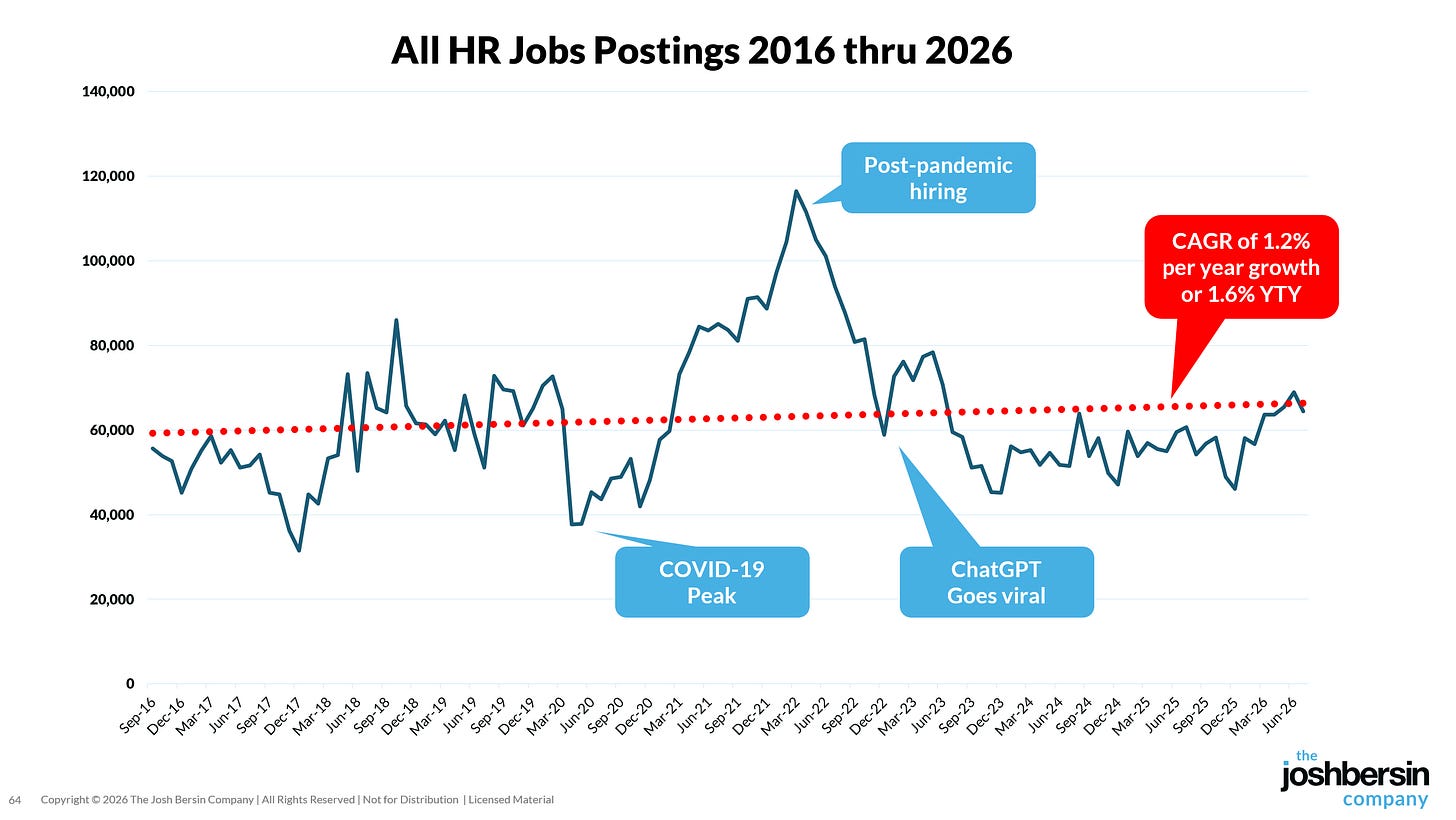
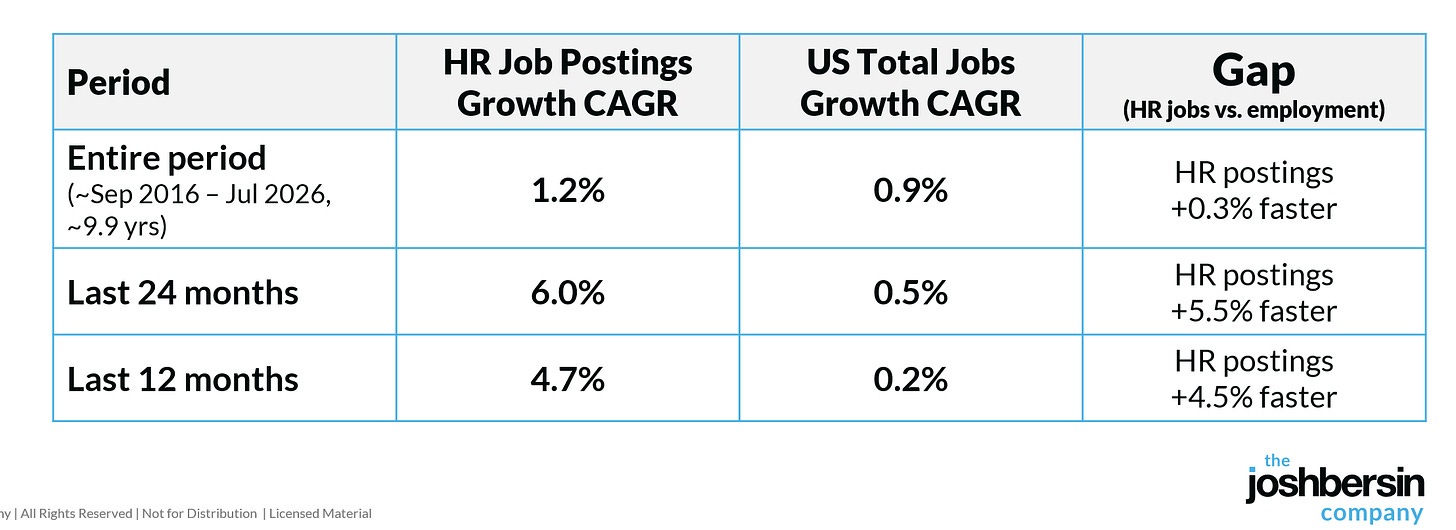
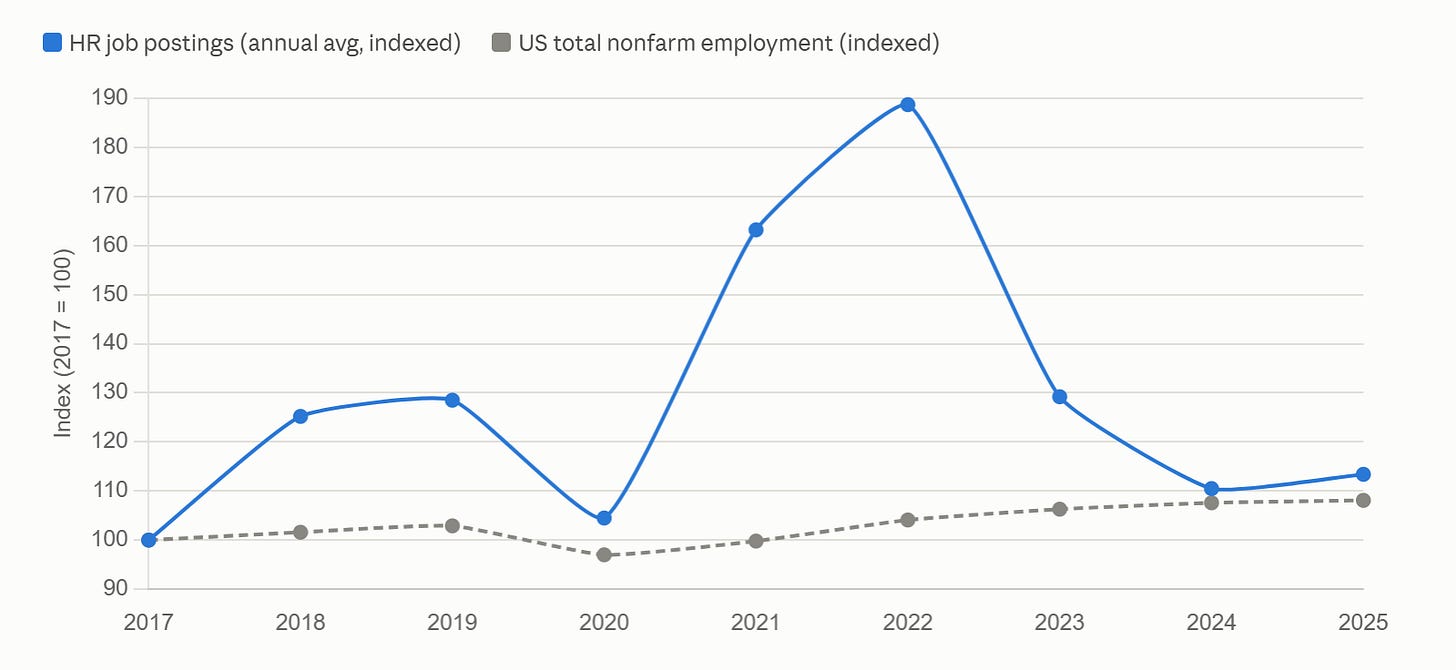
Contrary to these dire predictions, research indicates a robust and growing demand for HR professionals. Analysis of job posting data from Lightcast, a leading labor market analytics firm, reveals a consistent compound annual growth rate of approximately 1.2% in HR-related job postings over the past two decades. This growth encompasses a broad spectrum of HR functions, including recruitment, talent development, HR technology, and general HR management.
Furthermore, in the last 24 months – a period marked by the accelerated adoption and development of AI technologies – the growth rate for HR jobs has accelerated significantly, reaching an impressive 6%. This surge in demand for HR talent outpaces the overall growth of the US workforce, indicating a deepening reliance on specialized HR expertise. When compared to the growth rate of total employment in the United States, which has generally hovered around 1% to 1.5% annually in recent years, the 6% growth in HR job postings represents a notable divergence. This suggests that companies are actively seeking to expand their HR capabilities, not diminish them.
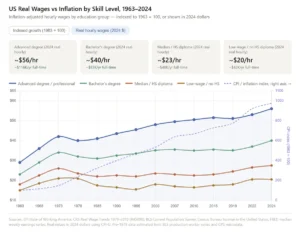
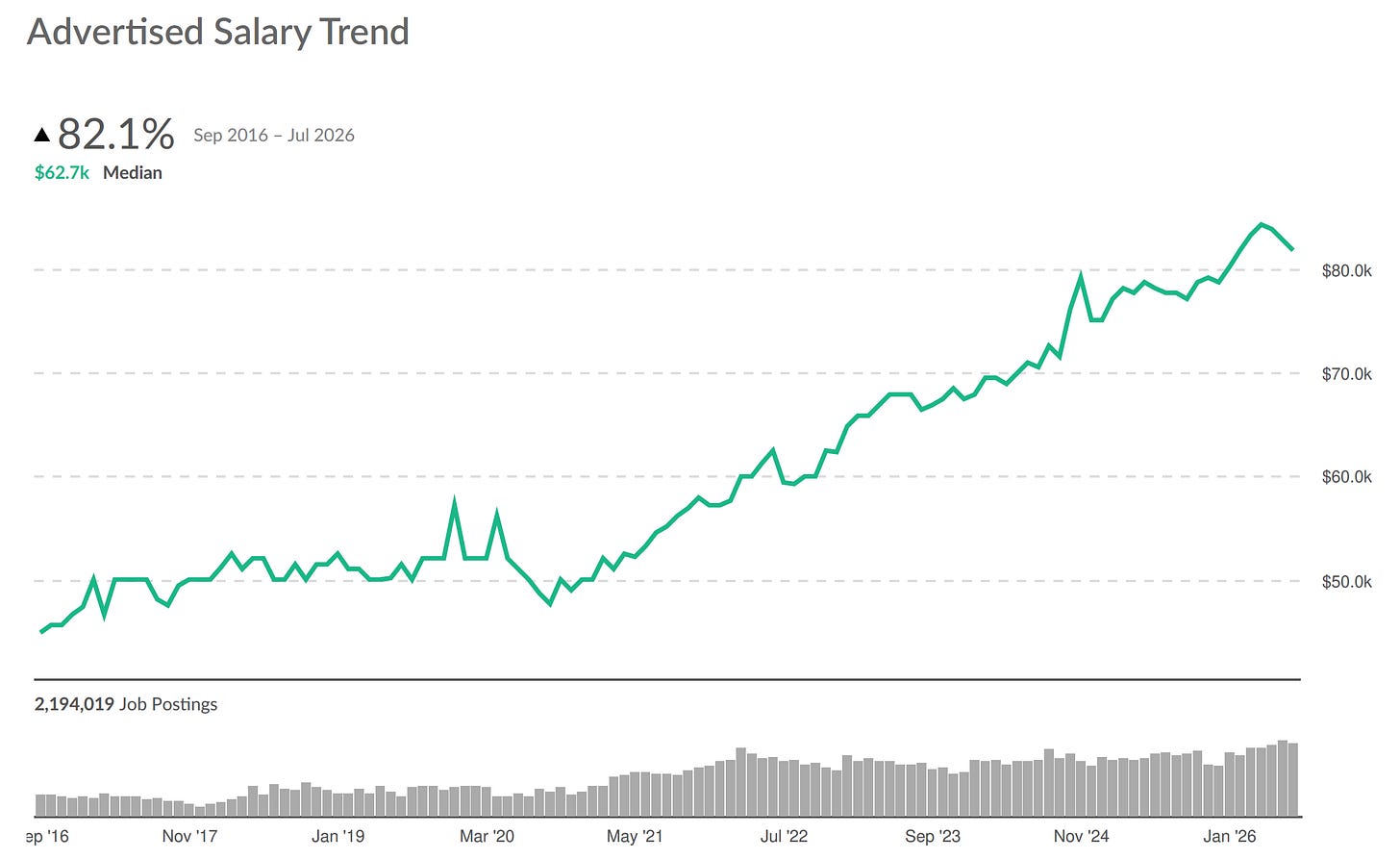
The financial implications of this growing demand are also evident in compensation trends. Over the past two decades, HR salaries have seen a substantial increase of 82%, translating to a compound annual growth rate of 3.1%. This growth rate significantly outpaces the cumulative US inflation of 66% (or 2.1% annually) over the same period. This means that HR professionals are experiencing real wage growth, a trend not universally observed across all professions, underscoring the increasing value placed on their contributions.
The Shifting Landscape of HR Roles
The apparent contradiction between the "extinction" narrative and the data on job growth and compensation can be explained by a fundamental transformation in the nature of HR work. The roles that are indeed diminishing are primarily those that were heavily administrative and process-oriented, characteristic of the industrial age. These include positions such as HR administrators, HR assistants, recruiting coordinators, and training administrators. Research indicates that these types of roles, focused on the routine management of hiring, payroll, training, and employee support processes, currently constitute approximately 30-40% of the HR workforce.
These traditional administrative functions are precisely where AI and automation are making the most significant inroads. AI-powered tools can efficiently handle tasks like scheduling interviews, managing onboarding paperwork, answering frequently asked questions, and processing routine data entry. This automation frees up human resources professionals from mundane, repetitive tasks, allowing them to focus on higher-value activities.
However, this is not leading to job elimination but rather to the creation of new, more strategic, and impactful roles. The HR professionals who previously occupied administrative positions are being upskilled and redeployed into more complex and engaging responsibilities. Instead of simply "administering the process," they are now tasked with strategic problem-solving and deeper employee engagement.
HR’s Evolving Strategic Imperative
The transformation of HR roles is creating opportunities for professionals to move beyond operational tasks and engage more directly with the strategic objectives of the business.
- Enhanced Employee Support and Engagement: HR service center agents and HR business partners are increasingly handling more complex employee relations issues, performance management challenges, and personal support needs. For example, at large organizations like Walmart and Standard Chartered, HR personnel are dedicating more in-depth time to addressing intricate performance discussions or providing support for employees facing family-related challenges, moving beyond basic onboarding or benefits inquiries.
- Agile Learning and Development: Learning and Development (L&D) managers and instructional designers are transitioning from creating lengthy, traditional courses to developing dynamic simulations and real-time support tools. Companies like Travelers and Polestar are now focusing on generating concise, immediately applicable video content and resources that can be utilized by sales, support, and engineering teams, enhancing efficiency and knowledge dissemination.
- Strategic Talent Acquisition: Talent acquisition teams are shifting their focus from administrative coordination and scheduling to more strategic interviewing and candidate analysis. This involves leveraging data to identify top talent more effectively and providing a superior candidate experience. Many organizations are also re-emphasizing in-person interviews to mitigate candidate fraud and ensure the recruitment of higher-quality individuals, acknowledging that AI interviewers have not fully met expectations in this regard.
- Data-Driven People Analytics: Internal analytics, compensation analysis, and employee engagement teams are moving away from solely designing surveys or conducting benchmark analyses. Instead, they are increasingly focused on interpreting real-time data from within their own organizations to proactively understand drivers of employee turnover and disengagement. This shift empowers HR to provide more nuanced insights and develop targeted interventions.
- Elevated HR Business Partner Roles: HR Business Partners are being positioned as senior consultants within organizations, working closely with leadership to align HR strategies with business goals. Tools like Galileo, an AI agent specifically designed for HR and leadership support, are being deployed to provide leaders, managers, and employees with instant access to policy information and expert advice, reducing the administrative burden on HR professionals.
The Role of Technology and AI
The narrative that AI is poised to eliminate jobs is a common one across many industries. However, in the context of HR, AI is proving to be an enabler rather than a replacement. As articulated by industry experts like Josh Bersin, AI is not about eliminating human roles but about empowering individuals to perform more complex and impactful work. For HR professionals, this means leveraging AI tools to automate routine tasks, freeing up their time for strategic initiatives that require human judgment, empathy, and complex problem-solving skills.
The development of specialized AI agents, such as Galileo, exemplifies this trend. These tools are designed to augment the capabilities of HR professionals and leaders, providing immediate access to information and support, thereby enhancing overall organizational efficiency and employee experience. The focus is on creating a symbiotic relationship between human expertise and artificial intelligence, where technology handles the transactional and data-intensive aspects, while humans focus on the relational, strategic, and nuanced elements of managing people.
Looking Ahead: The Future of HR
The data unequivocally points to a future where HR is not only relevant but essential. The profession is adapting to technological advancements by evolving its functions and elevating its strategic importance. HR professionals are increasingly recognized as experts in managing change, fostering employee development, and redesigning work processes to meet the evolving demands of the modern workplace.
The ongoing research and forthcoming publications, such as Josh Bersin’s new book "Superpowered," aim to further illuminate this evolving landscape. These resources highlight the critical role of HR in navigating the complexities of the future of work, emphasizing that the profession’s ability to adapt and innovate is its greatest strength. As organizations continue to grapple with the challenges of talent acquisition, retention, employee engagement, and organizational development in an era of rapid technological change, the strategic contributions of a highly skilled and adaptable HR function will be more crucial than ever. The perception of HR as merely an administrative overhead is rapidly being replaced by an understanding of its vital role as a strategic partner in driving organizational success. The challenges posed by technological disruption are not leading to the demise of HR, but rather to its reinvention and empowerment.