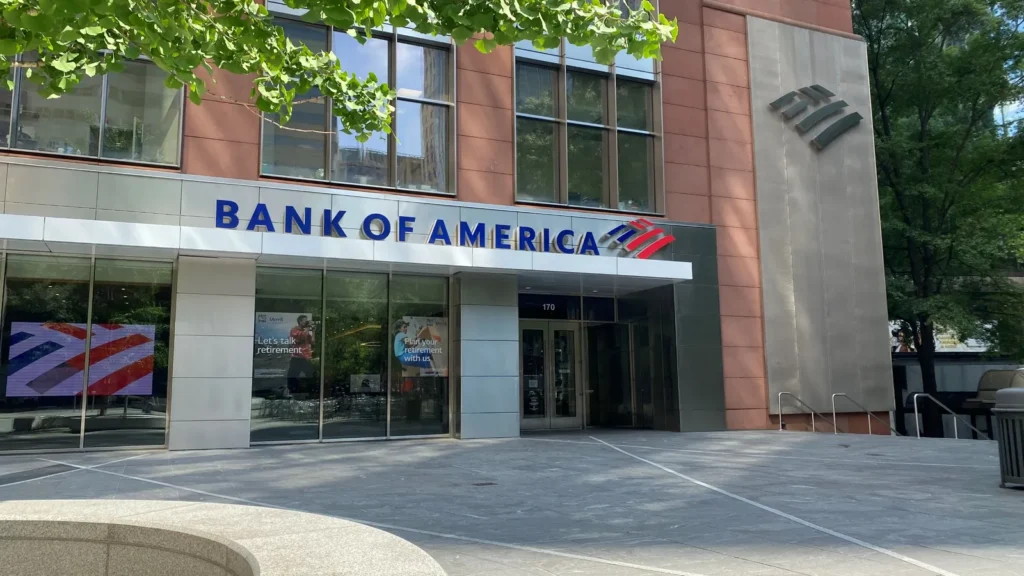
The evolving landscape of the modern workplace continues to present dynamic challenges and opportunities for organizations and their employees alike. This past week, significant developments underscored the ongoing recalibration of remote work policies, the imperative of continuous professional development, and the growing anxieties surrounding skill obsolescence. Most notably, Bank of America announced a revised hybrid work policy, limiting consecutive remote days, a move that reflects a broader industry trend toward structured in-office presence. Simultaneously, a focus on lifelong learning was highlighted by HR Dive’s annual summer reading list, while a new survey from ETS revealed a profound "fear of becoming obsolete" among workers, emphasizing the critical need for employer-supported upskilling initiatives in an era of rapid technological change. These converging narratives paint a clear picture of a workforce and an HR profession grappling with adaptability, innovation, and the future of work itself.
Bank of America’s Hybrid Work Stance Shifts
In a significant update to its flexible work arrangements, Bank of America informed its employees earlier this month that they would no longer be permitted to work remotely for two consecutive business days, specifically targeting combinations that include Friday to Monday. This policy adjustment, which took effect immediately, mandates a more consistent in-office presence for the vast majority of its workforce. While the company reiterated its requirement for most employees to be in the office a minimum of three days per week, this new directive aims to prevent extended periods away from the physical workspace.
The financial services giant justified the change by citing the need to bolster employee collaboration and optimize the utilization of its extensive real estate portfolio. By spreading out remote days, the bank seeks to ensure that office spaces are neither underutilized nor overcrowded, thereby fostering a more consistent and predictable environment for team interactions and resource sharing. This policy applies to all employees except for client-facing staff, who have typically been required to work from the office five days a week already, reflecting the specialized nature of their roles and the importance of in-person client engagement.
Navigating the Return-to-Office Landscape: A Chronology of Corporate Adjustments
Bank of America’s latest move is not an isolated incident but rather a continuation of a broader trend observed across the corporate world, particularly within the finance sector, as companies navigate the post-pandemic work paradigm. The initial widespread adoption of remote work during the COVID-19 pandemic in early 2020 demonstrated the feasibility of distributed teams and challenged long-held assumptions about office-centric productivity. However, as global health concerns waned and vaccination rates increased through 2021 and 2022, many organizations began to articulate their strategies for a return to physical workspaces.
By late 2022 and early 2023, a significant number of major financial institutions, including JPMorgan Chase, Goldman Sachs, and Citigroup, had already implemented or tightened their return-to-office mandates. JPMorgan Chase, for instance, had, by early 2023, required managing directors to be in the office five days a week and many other staff members four days. Goldman Sachs famously pushed for a full return earlier than many peers, with CEO David Solomon frequently emphasizing the importance of in-person collaboration for mentorship, culture, and client service. These banks often cited similar reasons to Bank of America: preserving company culture, fostering innovation through spontaneous interactions, facilitating mentorship, and ensuring robust oversight in a highly regulated industry.
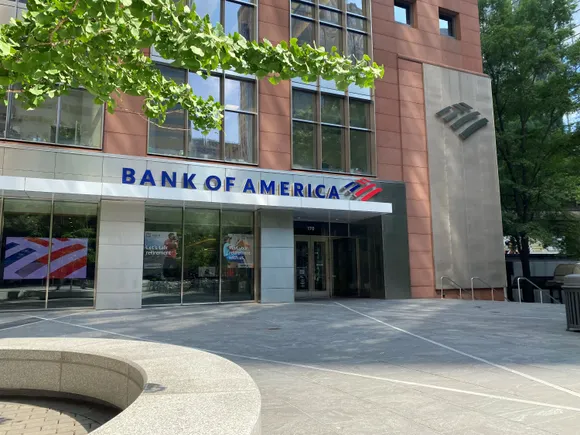
The 2025 photograph of a Bank of America branch in Charlotte, N.C., with its prominent signage, serves as a visual reminder of the physical infrastructure that underpins these corporate decisions. These facilities represent substantial investments and are increasingly viewed by leadership as critical hubs for cultivating corporate identity and operational efficiency. The transition from entirely remote to hybrid, and now to more structured hybrid models, reflects a dynamic balancing act between employee preferences for flexibility and executive mandates for greater in-person engagement.
Implications for Employees and Organizational Strategy
The immediate impact of Bank of America’s updated policy on its vast workforce is multifaceted. For many employees, the ability to take extended weekends or structure their remote days consecutively provided a degree of flexibility that enhanced work-life balance, particularly for those with longer commutes or caregiving responsibilities. The new restriction may necessitate adjustments to personal schedules and logistical arrangements. While the core three-day in-office requirement remains, the removal of consecutive remote days indicates a subtle but firm shift towards greater control over employee work patterns.
From an organizational perspective, the policy aims to achieve several strategic objectives. Enhanced collaboration is often cited as a key benefit of in-person interaction, believed to spark creativity, accelerate problem-solving, and strengthen team cohesion. By encouraging more dispersed remote days, Bank of America hopes to ensure that employees interact with a wider range of colleagues throughout the week, preventing the formation of isolated "remote work clusters." Furthermore, the optimization of real estate usage is a critical financial consideration. Large corporate campuses represent significant operational costs, and ensuring their efficient use is paramount. This policy could lead to better space planning, potentially reducing instances of both underutilized desks on certain days and overcrowded facilities on others.
However, such policies also carry potential risks. Some employees may perceive the change as a reduction in autonomy, potentially impacting morale or increasing attrition rates, particularly if competitors offer more flexible arrangements. The ongoing debate around whether in-person work genuinely boosts productivity and innovation more effectively than well-managed remote or hybrid setups remains active, with various studies offering mixed conclusions. For Bank of America, like other financial institutions, the challenge lies in effectively communicating the rationale for these changes and demonstrating their benefits to the workforce, ensuring that employees feel valued and supported even as their working arrangements evolve.
The Strategic Importance of Lifelong Learning for HR Professionals
In a rapidly changing professional landscape, the commitment to continuous learning is more critical than ever, especially for Human Resources professionals. This past week, HR Dive underscored this imperative by releasing its 2026 summer reading list, featuring eight carefully selected books designed to explore the nuances of work and the modern workplace. The compilation includes both fiction and nonfiction titles, reflecting a holistic approach to understanding human behavior, organizational dynamics, and future trends.
The role of an HR professional in 2026 extends far beyond traditional administrative tasks. They are strategic partners responsible for fostering culture, navigating complex legal landscapes, managing talent acquisition and retention in competitive markets, and leading organizational change. To excel in these multifaceted roles, HR leaders must possess a deep understanding of psychology, economics, technology, and sociology, making continuous education not just beneficial but essential.

HR Dive’s initiative in curating such a list serves several vital purposes. Firstly, it provides a structured pathway for professionals to stay abreast of emerging theories, best practices, and innovative solutions in their field. Topics likely covered in such a list might range from the ethical implications of AI in hiring and performance management to strategies for building truly inclusive workplaces, leadership in a distributed environment, fostering employee well-being, and navigating global talent markets. For instance, a nonfiction title might delve into advanced analytics for workforce planning, while a fiction title could offer nuanced insights into workplace politics, empathy, or the human cost of corporate decisions.
Secondly, a curated reading list fosters a sense of community and shared intellectual pursuit among HR professionals. It sparks discussions, encourages critical thinking, and provides a common language for addressing complex challenges. In an era where information overload is common, expert recommendations can guide professionals toward impactful resources.
Finally, the emphasis on reading reinforces the broader organizational value of learning and development. By promoting intellectual curiosity and knowledge acquisition among its audience, HR Dive indirectly advocates for companies to invest more in the professional growth of their own employees. This is particularly relevant as organizations grapple with evolving skill requirements and the need to future-proof their workforce.
Addressing the Fear of Becoming Obsolete (FOBO) and the Upskilling Imperative
The most poignant insight from the past week came from a survey published by ETS on August 14, revealing a pervasive "fear of becoming obsolete" (FOBO) among American workers. The study highlighted that while a significant majority of workers now view upskilling as a "necessity" for career longevity, many encounter substantial hurdles in convincing their employers to support their learning endeavors. The quoted sentiment, "America’s workers are ready to adapt, but too many are being asked to do it without the time, resources or roadmap they need," encapsulates a critical disconnect between employee readiness and organizational support.
The rapid acceleration of technological advancements, particularly in artificial intelligence, automation, and data analytics, has fundamentally reshaped job requirements across virtually every industry. Roles that once required manual processing or repetitive tasks are increasingly being augmented or replaced by intelligent systems. This transformation, while promising increased efficiency and new job creation, also generates significant anxiety among the existing workforce. The ETS survey likely sampled a diverse demographic, but specifically noted that those in the technology and finance industries reported a heightened sense of FOBO. This is understandable, as both sectors are at the forefront of digital disruption, with skills in areas like cybersecurity, machine learning, blockchain, and advanced financial modeling becoming paramount.
The Skills Gap and Employer Responsibility
Data consistently shows a growing skills gap, where the demand for specialized technical and soft skills outstrips the available talent pool. According to a 2024 report by the World Economic Forum, nearly half of all workers globally will need reskilling or upskilling by 2027 due to AI and automation. The ETS survey’s findings underscore that workers are keenly aware of this shift and are willing to invest their effort, but they require a clear "roadmap," "time," and "resources" from their employers.

The reluctance of some employers to fully support upskilling initiatives can stem from various factors, including immediate budget constraints, a focus on short-term profits, or a lack of understanding regarding the long-term strategic benefits of workforce development. However, the implications of neglecting employee upskilling are severe. Companies risk facing chronic talent shortages, reduced innovation, decreased productivity, and higher employee turnover as frustrated workers seek opportunities with organizations that prioritize their professional growth. The financial sector, for instance, relies heavily on complex data analysis and rapidly evolving digital platforms. Without continuous upskilling in these areas, financial professionals could indeed find their existing skill sets becoming less relevant over time. Similarly, in technology, where programming languages and development methodologies evolve at a breakneck pace, staying current is a continuous battle.
Pathways to a Reskilled Workforce
To mitigate FOBO and capitalize on workers’ readiness to adapt, employers must adopt proactive and comprehensive upskilling strategies. This includes:
- Clear Learning Roadmaps: Providing employees with defined pathways for acquiring new skills that align with future business needs and career progression. This involves identifying critical skills gaps and mapping out relevant training programs.
- Dedicated Time and Resources: Allocating specific work hours for training, offering tuition reimbursement, providing access to online learning platforms (e.g., Coursera, edX, LinkedIn Learning), and establishing internal mentorship programs.
- Culture of Continuous Learning: Fostering an organizational culture that celebrates learning, encourages experimentation, and views mistakes as learning opportunities. This includes leadership modeling lifelong learning behaviors.
- Partnerships with Educational Institutions: Collaborating with universities and vocational schools to develop tailored curricula that meet industry-specific skill requirements.
- Internal Mobility Programs: Creating opportunities for employees to transition into new roles within the company by acquiring necessary skills, thus retaining institutional knowledge and reducing recruitment costs.
Investing in human capital is not merely a cost but a strategic imperative that yields significant returns in terms of innovation, employee engagement, and long-term competitiveness.
Broader Implications for the Future of Work
The developments of the past week collectively highlight the complex, interconnected challenges and opportunities defining the future of work in 2026. Bank of America’s refined hybrid work policy signals an ongoing corporate quest to balance flexibility with the perceived benefits of physical presence, impacting employee autonomy and organizational culture. HR Dive’s reading list underscores the critical role of continuous professional development for HR leaders tasked with navigating these changes. Most profoundly, the ETS survey’s findings on FOBO and the upskilling gap reveal a fundamental tension: workers are eager to adapt to an evolving economic landscape, but they require robust support from their employers to do so effectively.
As industries continue to be reshaped by technological innovation and global shifts, the ability of organizations to attract, retain, and develop a skilled, adaptable workforce will be paramount. This requires a dynamic HR function that not only manages policies but also champions learning, fosters resilience, and builds bridges between individual career aspirations and organizational strategic goals. The success of enterprises in the coming years will hinge not just on technological adoption, but on their capacity to invest in their most valuable asset: their people, ensuring they have the time, resources, and roadmap to thrive in an ever-changing world.