In today’s dynamic labor market, employee recognition awards have transcended their traditional role as mere tokens of appreciation, emerging as powerful strategic instruments capable of profoundly shaping how individuals perceive their work, their value, and their commitment to an organization. When executed thoughtfully, these programs illuminate an organization’s core values, foster meaningful human connections, and consistently reinforce to employees that their contributions are not only observed but genuinely cherished. This shift from transactional acknowledgment to a relational investment is critical for building a resilient, high-performing workforce.
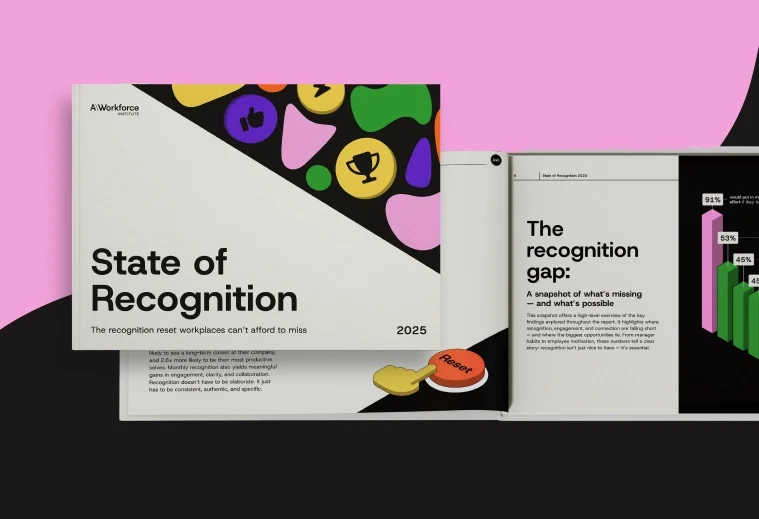
The contemporary business landscape is marked by unprecedented challenges in talent acquisition and retention. The "Great Resignation" phenomenon, coupled with evolving generational expectations, has underscored the imperative for organizations to cultivate environments where employees feel seen, heard, and valued. A stark reality revealed by the 2026 State of Recognition Report indicates that a mere 17% of employees receive recognition on a weekly basis, while a significant 35% are recognized only a few times annually. This infrequent and often generic approach to appreciation falls far short of fostering the deep employee engagement that underpins sustained success. True engagement, according to experts in organizational psychology, flourishes when recognition is personal, delivered promptly, and resonates meaningfully with the individual. When employees perceive that they are valued for their unique identity and contributions, rather than merely their tenure, loyalty strengthens, company culture becomes more robust, and the workplace transforms into an environment where individuals genuinely desire to build a long-term career.
The good news, however, is that a more effective paradigm for recognition exists, moving beyond perfunctory "thanks for your service" gestures to a more profound "we see you, and we mean it" ethos. This requires a deliberate and strategic approach to employee awards, transforming them into tools that cultivate genuine connection, reinforce desired behaviors aligned with organizational values, and evoke a palpable sense of appreciation among staff.
Defining the Strategic Imperative of Staff Recognition Awards
Staff recognition awards are formalized acknowledgments designed to celebrate the diverse and meaningful contributions employees make, spanning from significant career milestones to the myriad of daily accomplishments that collectively drive organizational progress. These awards extend far beyond a simple verbal thank-you or a generic email; they strategically spotlight exemplary contributions, visibly reinforce company values in action, and are instrumental in making employees feel genuinely seen, valued, and intrinsically motivated to sustain their high-quality work. In essence, they translate abstract organizational principles into tangible, celebrated behaviors.

The Evolution of Employee Recognition: A Brief Chronology
Historically, employee recognition often took the form of annual service awards or "employee of the month" plaques, typically focused on tenure or singular, high-profile achievements. While these had their place, they often lacked the frequency, personalization, and specificity needed to impact daily engagement. The late 20th and early 21st centuries saw a gradual shift, driven by research into motivational psychology and organizational behavior. Companies began to understand that intrinsic motivators, such as feeling appreciated and making a difference, were as potent as, if not more than, extrinsic rewards.
The rise of the digital age further accelerated this evolution. With the advent of HR technology platforms, recognition could become more agile, peer-to-peer, and data-driven. The COVID-19 pandemic, with its forced shift to remote and hybrid work models, served as a catalyst, compelling organizations to rethink how they maintain connection and morale across distributed teams. This era cemented the need for continuous, visible, and inclusive recognition systems that could bridge geographical divides and foster a sense of belonging regardless of physical proximity. Today, recognition is no longer merely an HR function but a critical component of overall business strategy, directly impacting talent management, culture, and financial performance.
Categorizing Impact: Key Types of Recognition Awards
Creating successful recognition programs necessitates a nuanced understanding of the various forms of impact employees deliver and how each type shapes the organizational culture. Awards serve as powerful communicators, signaling to employees what behaviors and outcomes the company truly values, what actions drive success, and how individual efforts coalesce to contribute to the broader organizational vision. Thoughtful categorization ensures that all facets of contribution are acknowledged and celebrated.
The key categories to consider for a comprehensive recognition framework include:
-
Value-Based Awards: These awards are designed to celebrate employees who consistently embody and bring the company’s core cultural values to life in their daily interactions and work. They serve as tangible reinforcements for desired behaviors, transforming abstract company values from statements on a wall into actionable, lived principles.
- What they recognize: Individuals who exemplify empathy, integrity, inclusivity, curiosity, psychological safety, and other foundational organizational values. These awards are crucial for embedding culture and guiding behavior.
-
Performance and Results Awards: These awards specifically highlight employees who consistently deliver strong, measurable outcomes that propel the business forward. They are firmly rooted in clear expectations, quantifiable results, and a demonstrable impact on strategic goals.
- What they recognize: High-quality work, exceptional results, innovative approaches that lead to tangible outcomes, instances of going above and beyond standard expectations, or significant achievement of measurable objectives.
-
Collaboration and Team Awards: Recognizing that collaboration is a potent predictor of both belonging and productivity, these awards celebrate the collective power of effective teamwork. They encourage cross-functional synergy and highlight the benefits of working better together.
- What they recognize: Successful cross-functional projects, exemplary teamwork demonstrated under pressure, outstanding communication within and between teams, and groups that embody true partnership and mutual support.
-
Growth and Development Awards: These awards emphasize a culture of continuous learning and improvement. They spotlight curiosity, personal and professional development, resilience in the face of challenges, and the leaders who actively foster the growth of others. They signal that progress, not just perfection, is valued.
- What they recognize: Significant skill development, consistent improvement over time, proactive engagement in learning initiatives, effective coaching and mentorship, and impressive momentum demonstrated by early-career professionals.
-
Culture and Community Awards: These awards shine a light on the individuals who enrich the workplace by making it feel more connected, human, and supportive. They recognize those who uplift colleagues, cultivate a sense of belonging, and positively shape the overall employee experience.
- What they recognize: Outstanding peer support, consistent positivity, efforts to promote inclusion, behaviors that boost team morale, and employees who strengthen the organizational culture from within through their actions and attitudes.
The strategic implementation of these award categories is more critical than ever. The Engagement and Retention Report underscores this, revealing that 75% of employees state that a lack of appreciation through rewards would directly influence their decision to stay with their current company. Thus, whether spotlighting daily excellence or celebrating once-in-a-career achievements, each award sends an unambiguous message: "You matter here." Employee recognition, far from being a superficial gesture, is a vibrant manifestation of a company’s values in action. It must be meaningful, personal, and demonstrably count.

25 Strategic Award Concepts for a Thriving Workplace
Drawing inspiration from best practices, the following 25 award ideas serve as strategic tools for shaping culture, reinforcing values, and making employees feel genuinely appreciated. Each is designed to address a specific aspect of contribution and can be adapted to various organizational contexts:
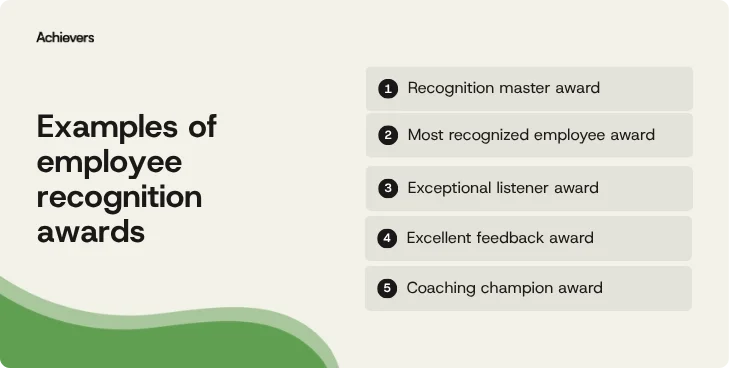
- Recognition Master Award: Celebrates employees who consistently recognize others in specific, impactful ways, reinforcing that appreciation is a shared responsibility.
- Most Recognized Employee Award: Honors the individual most frequently acknowledged by peers and leaders, setting a visible standard for exemplary contributions.
- Exceptional Listener Award: Recognizes managers or employees who actively listen to feedback and translate it into meaningful action, building trust and psychological safety.
- Excellent Feedback Award: Acknowledges individuals who provide clear, constructive feedback that propels work forward, enhancing team improvement and problem-solving.
- Coaching Champion Award: Shines a light on leaders who empower others through effective coaching, fostering skill development and trust within teams.
- Company Values Award: Celebrates employees whose actions consistently embody the organization’s core values, making the mission statement a lived reality.
- Keeping Us Safe Award: Honors those who actively contribute to a psychologically safe and inclusive environment, promoting honest dialogue and respectful interactions.
- Always Growing Award: Recognizes employees dedicated to continuous learning and improvement, fostering a mindset that boosts both individual and organizational performance.
- Driving Success Award: Awarded to employees whose work directly advances key organizational goals through strong execution, innovation, or consistent output.
- Team Player Award: Celebrates individuals who enhance team dynamics through strong collaboration, support for colleagues, and commitment to collective outcomes.
- Going Above and Beyond Award: Recognizes employees who consistently exceed expectations, demonstrating initiative and dedication that inspires others.
- Customer Service Award: Honors individuals who transform customer challenges into positive experiences, strengthening client relationships and brand reputation.
- Leadership Award: Highlights leaders who build trust, provide clarity, and empower their teams to achieve excellence, fostering environments of high performance.
- Employee of the Month: A classic award that, when done right with specific examples, spotlights a standout monthly contribution, boosting visibility and pride.
- People’s Choice Award: A peer-nominated award signaling who teammates rely on and enjoy working with, emphasizing the power of peer recognition.
- Most Improved Award: Celebrates significant progress in skill development, performance, or responsibility, reinforcing that growth is valued as much as outcomes.
- Teamwork Award: Recognizes groups that achieve strong results through exemplary collaboration, communication, and shared accountability.
- Innovation Award: Honors employees who introduce new ideas, smart solutions, or creative approaches that advance the business and encourage fresh thinking.
- Years of Service Award: Celebrates long-term contribution and commitment, personalized with stories and peer perspectives to highlight individual impact beyond mere tenure.
- Creativity Award: Recognizes employees who approach challenges with imagination and resourcefulness, encouraging innovative problem-solving and process improvement.
- Rising Star Award: Celebrates early-career employees demonstrating strong potential, curiosity, and initiative, signaling future leadership and supporting their growth.
- Mentorship Award: Honors individuals who invest their time and expertise in guiding and supporting the development of others, strengthening culture through ripple effects.
- Spotlight Award: Highlights employees delivering standout contributions that might not always be center stage, making their meaningful impact visible.
- Most Referrals Award: Recognizes employees who consistently recommend strong talent, directly contributing to culture and long-term organizational success.
- Loyalty Award: Celebrates employees who have demonstrated sustained commitment and made significant contributions over time, acknowledging their legacy and impact.
Crafting Impactful Recognition Programs: Best Practices
The true success of recognition awards lies in their ability to resonate deeply with employees. This requires more than just selecting an award title; it demands careful consideration of how the recognition is delivered. Understanding what truly makes appreciation meaningful is paramount. Whether acknowledging daily wins or celebrating major achievements, these simple tips ensure every award lands with maximum impact:
-
Make the Awards Specific: Generic praise like "great job" lacks resonance. Instead, precisely articulate the behavior, action, or impact that made a difference. What exactly did the employee do? Why was it important? How did it benefit the team or the business? Specific recognition provides clarity, helping employees understand why they are being praised and encouraging them to repeat those valued behaviors. For instance, instead of "Thanks for your help on the project," try, "Thank you for proactively identifying and resolving the integration bug on the Q3 marketing campaign; your quick action saved us significant time and kept the launch on schedule."
-
Make the Awards Inclusive: A truly effective recognition program ensures that every employee, regardless of their role, department, work arrangement (frontline, hybrid, back-office), or career stage (early-career, seasoned veteran), has an equitable opportunity to be recognized. Inclusive awards send a powerful message: valuable contributions manifest in diverse forms, and every single one of them matters to the organization’s success. This requires active effort to identify and celebrate contributions that might otherwise go unnoticed, such as those from support staff or remote workers.
-
Make the Awards Timely: The immediacy of recognition significantly amplifies its impact. Delaying appreciation can diminish its perceived value and effectiveness. When praise is delivered close to the action or achievement, it creates a stronger psychological link between the effort and the reward, reinforcing positive behavior in real-time. This is particularly crucial in fast-paced environments where achievements can quickly become old news.
-
Make the Awards Personal: Effective recognition is tailored to what each individual employee values most. This could range from redeemable points for desired items, a public shout-out during a team meeting, opportunities for professional development, extra time off, or even a heartfelt, handwritten note. When rewards align with personal preferences, recognition feels less like a corporate ceremony and more like genuine, thoughtful appreciation. Understanding individual preferences can be gleaned through informal conversations or employee surveys.
-
Tie the Awards to Your Values: Critically, connect every act of recognition back to the specific behaviors and core values your organization seeks to amplify. Whether it’s collaboration, innovation, exceptional customer care, or a commitment to continuous learning, linking the award to a value reinforces its strategic importance. When values serve as the guiding principles for recognition, awards become an incredibly potent mechanism for shaping and reinforcing the habits and culture that drive the organization forward.
The Role of Technology in Modern Recognition
While the spirit of recognition remains human, its execution can be significantly enhanced by technology. Modern recognition platforms, such as Achievers, play a pivotal role in transforming sporadic, manual efforts into a consistent, real-time, and measurable system. These platforms address many common challenges associated with traditional recognition programs, including lack of visibility, inconsistency, and administrative burden.
Technology enables organizations to implement a points-based reward system, allowing employees to accumulate points for recognized contributions and redeem them for real-world rewards that truly resonate. This not only provides tangible incentives but also democratizes recognition by empowering peers to acknowledge each other’s efforts, fostering a culture of mutual appreciation.
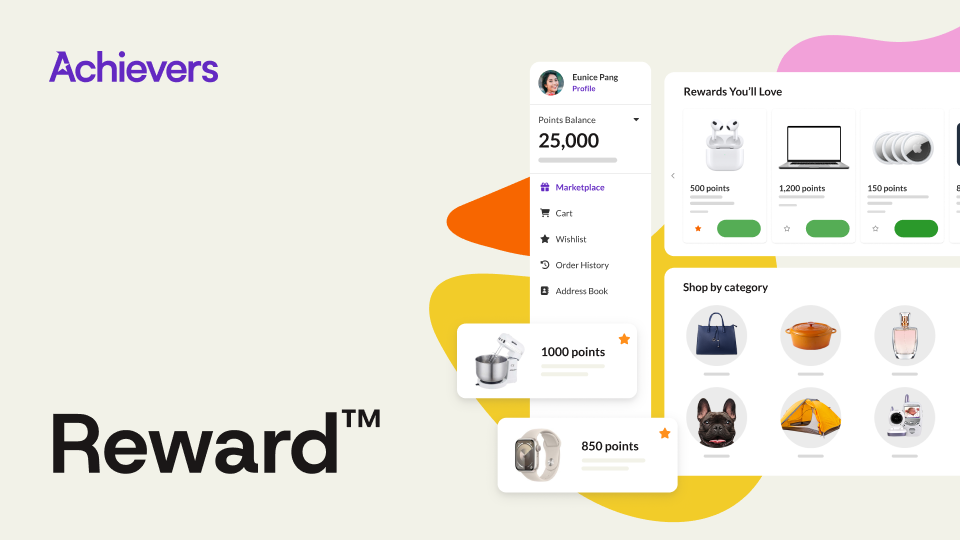
Furthermore, these platforms offer robust analytics dashboards, providing HR leaders and managers with valuable insights into recognition trends, identifying top performers, and highlighting areas where recognition might be lacking. This data-driven approach ensures that recognition efforts are strategic, equitable, and aligned with organizational goals. Seamless integration with existing HR systems makes recognition an embedded part of the employee lifecycle, rather than an isolated event. With such platforms, recognition becomes scalable, user-friendly, and perfectly integrated into the daily workflow, ensuring that great work never goes unnoticed.
Implications for Organizational Success
The strategic investment in robust employee recognition programs carries profound implications for an organization’s overall success.
- Enhanced Retention: As highlighted by the data, a lack of appreciation is a significant driver of employee turnover. Consistent, meaningful recognition directly combats this by fostering loyalty and making employees feel invested in the company’s future. Reduced turnover translates into substantial cost savings from recruitment, onboarding, and training.
- Increased Productivity and Performance: When employees feel valued, they are more engaged and motivated to perform at their best. Recognition reinforces desired behaviors, encourages initiative, and fosters a growth mindset, leading to higher quality work and improved output.
- Stronger Company Culture: Recognition programs act as cultural accelerators. By explicitly celebrating behaviors aligned with company values, they solidify the desired culture, making it more tangible and pervasive. A culture of appreciation also contributes to psychological safety, where employees feel comfortable taking risks and sharing ideas.
- Improved Employer Branding: Organizations known for their strong recognition cultures become more attractive to prospective talent. A positive employer brand, fueled by genuine employee testimonials about feeling valued, is a powerful differentiator in a competitive talent market.
- Better Customer Satisfaction: Engaged and appreciated employees are more likely to deliver exceptional customer service. Their positive internal experience often translates into a superior external experience for clients and customers.
In conclusion, employee recognition awards are far more than mere formalities; they are foundational building blocks for a thriving workplace. The 25 ideas presented, when paired with a commitment to consistent, real-time, and personalized appreciation, can transform an organization’s culture. By making recognition meaningful, personal, and impactful, companies can cultivate a workforce that feels genuinely seen, deeply supported, and continually motivated to excel, ultimately driving both individual well-being and collective success.