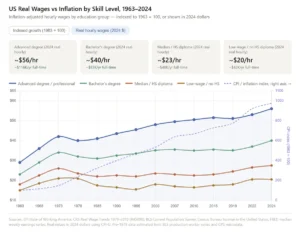
The prevailing narrative surrounding Artificial Intelligence often centers on job displacement, painting a bleak picture of widespread unemployment. However, a closer examination of real-world data and emerging trends suggests a far more optimistic and nuanced reality: AI is not a job killer, but rather a powerful catalyst for job creation, transformation, and enhancement. This perspective is supported by ongoing research and observable shifts in the labor market, indicating that AI is poised to make jobs more interesting, valuable, and ultimately more rewarding for human workers.

The Shifting Landscape of Work in the Age of AI
The perception of AI as a direct threat to employment is understandable, given its capacity to automate routine tasks and streamline operational processes. This has led many to believe that entire job categories are on the verge of obsolescence. Yet, the historical trajectory of technological advancement offers a different lens through which to view this evolution. From the industrial revolution to the digital age, new technologies have consistently reshaped, rather than eradicated, the human workforce. AI represents the latest iteration of this transformative process, promising not widespread job loss, but the emergence of "Superjobs" – roles that leverage AI as a tool to amplify human capabilities.
This phenomenon is not merely theoretical. As HR and technology analyst Josh Bersin notes in his forthcoming book, "Superwork and Superjobs," the day-to-day reality observed in various industries points towards this positive transformation. The key lies in understanding that AI excels at repetitive, data-intensive tasks, freeing human workers to focus on higher-level cognitive functions such as critical thinking, creativity, problem-solving, and interpersonal engagement.

Software Engineering: Evolution, Not Extinction
One of the most frequently cited sectors susceptible to AI-driven job displacement is software engineering. With AI’s ability to generate code rapidly, it’s easy to assume that human programmers will soon become redundant. However, the data paints a contrary picture. The global workforce involved in software design, coding, testing, maintenance, and integration represents a significant economic force, numbering in the tens of millions and accounting for trillions of dollars in salary and project investment.
While some research, such as that from Anthropic, suggests a high degree of AI exposure in software development tasks, the practical application reveals a more complex scenario. Engineers do more than just write code; they are integral to understanding business needs, designing robust architectures, refining user experiences, and establishing rigorous testing frameworks. AI can assist in these areas, but it cannot replicate the human intuition, strategic foresight, and complex problem-solving required for successful software development.
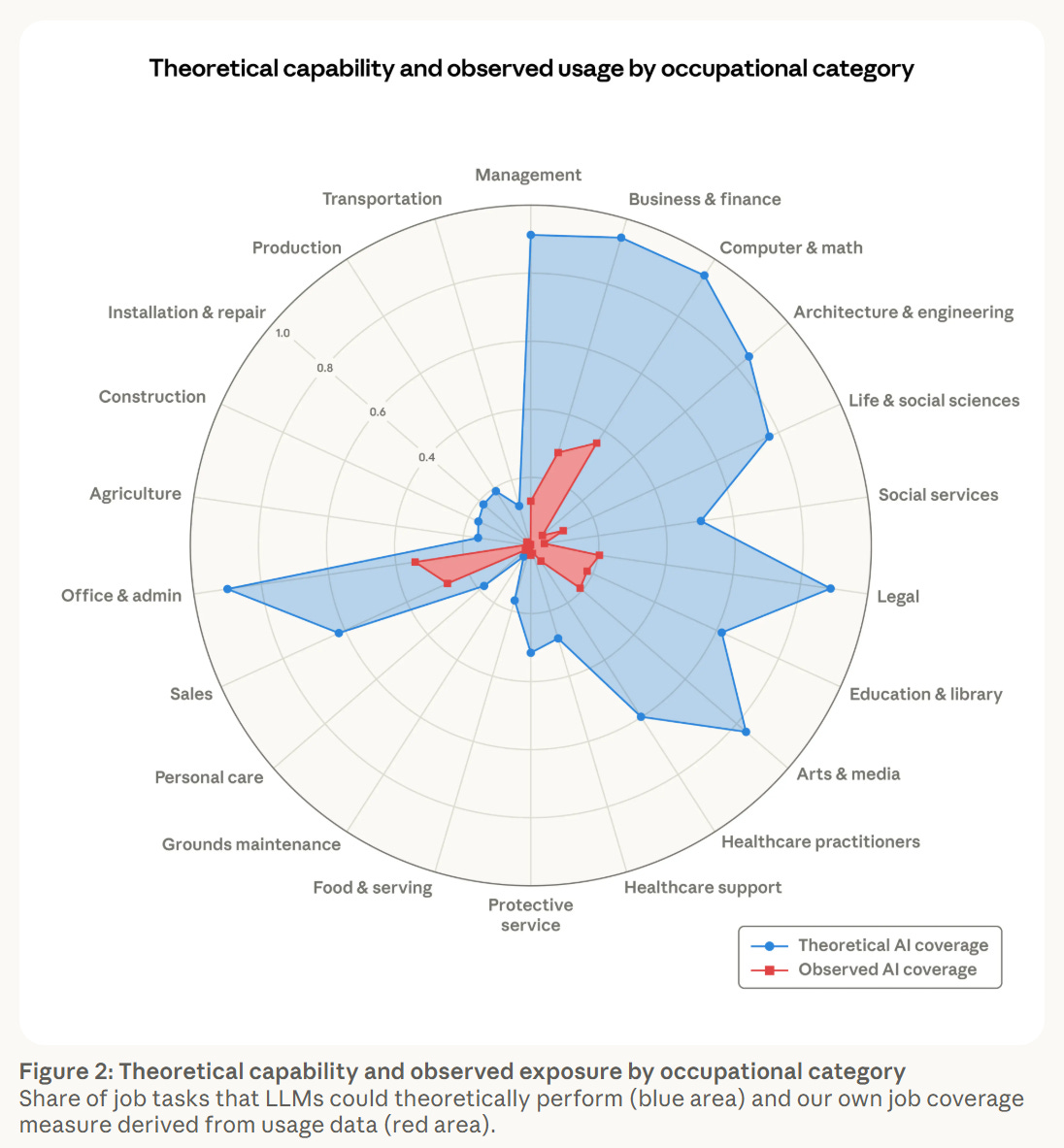
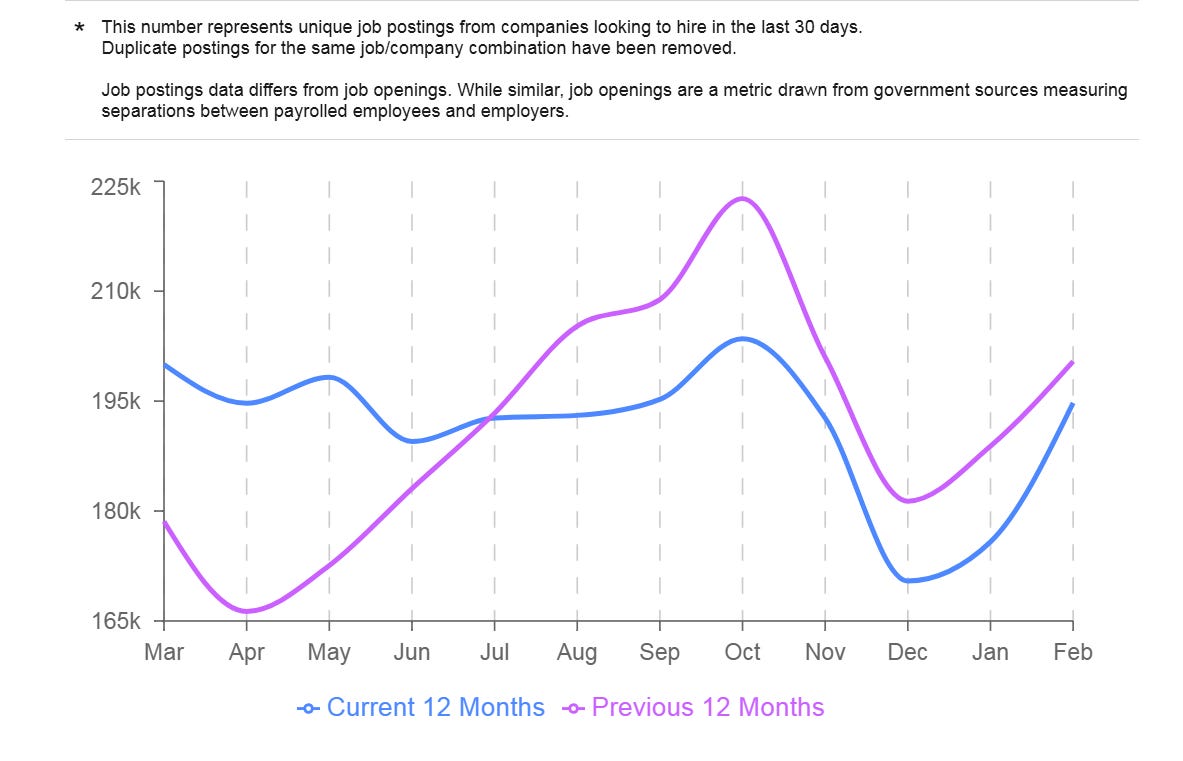
Labor market analytics from companies like Draup and Lightcast consistently show that the demand for software engineering roles has remained stable, and in some cases, has even increased. Global job postings for software engineering, design, and testing roles, as tracked by Lightcast, have not shown a significant decline despite the rise of AI. In fact, companies at the forefront of AI development, such as OpenAI, are actively hiring tens of thousands of software engineers, signaling a shift towards specialized AI roles rather than a reduction in overall demand.
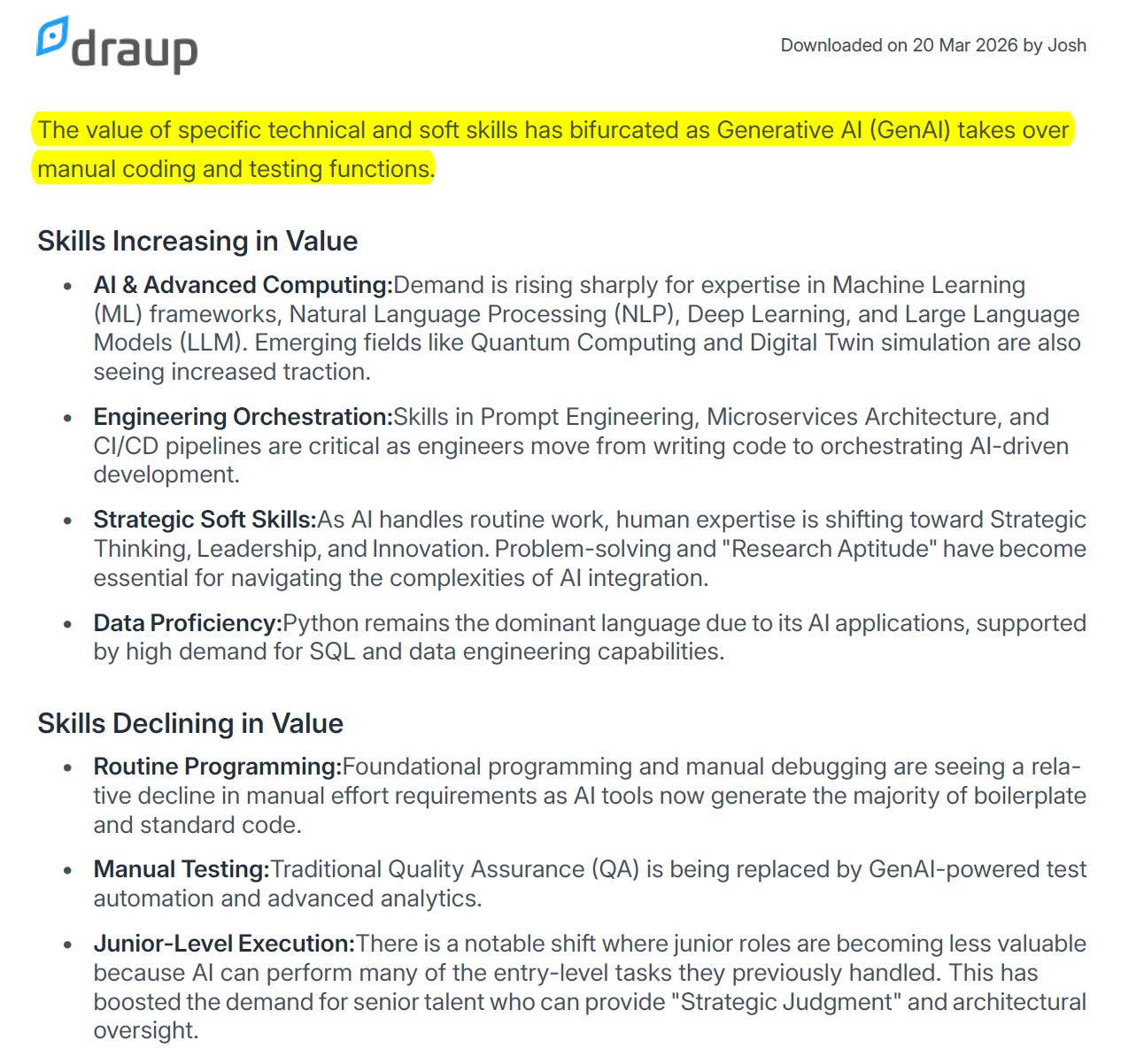
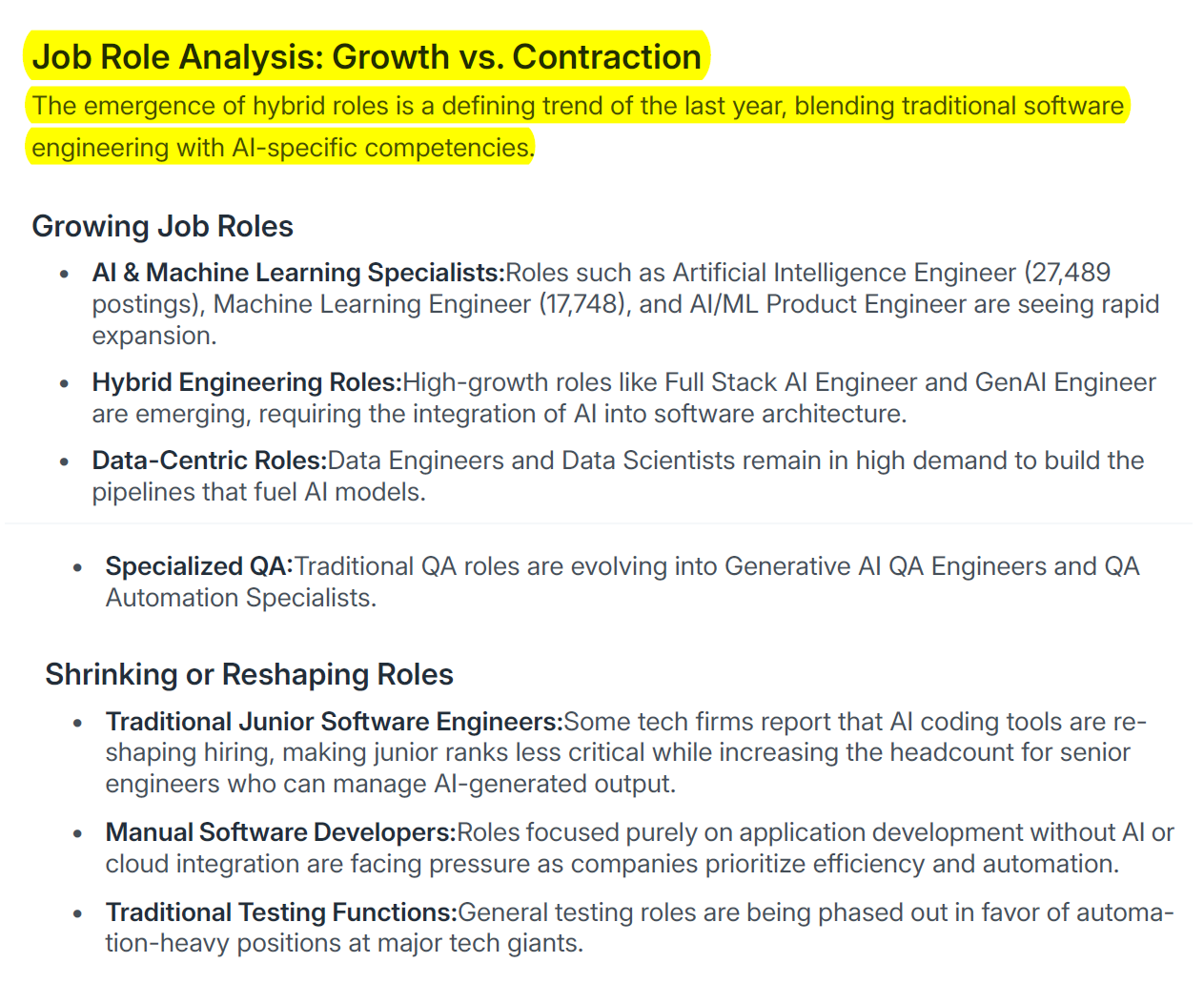
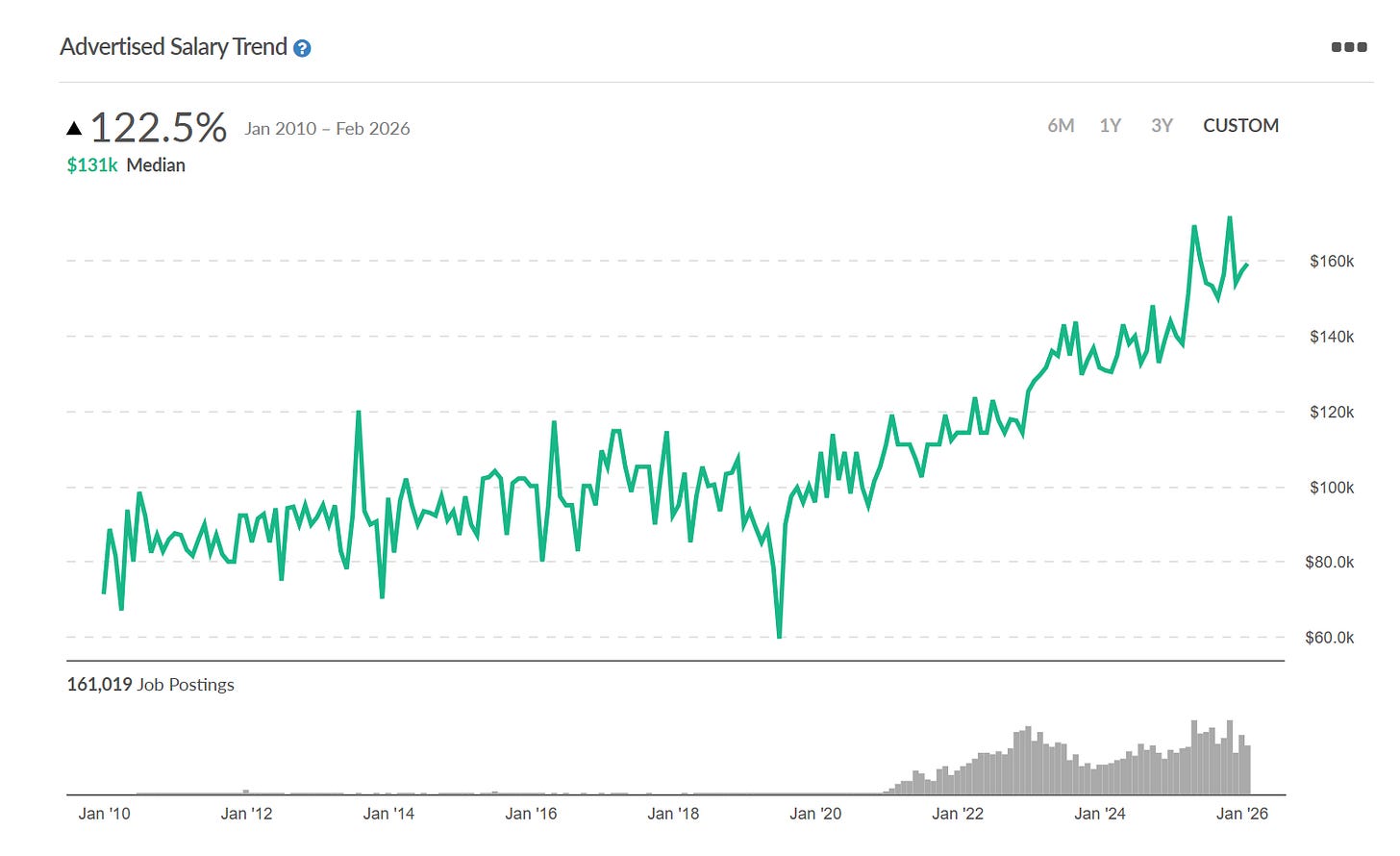
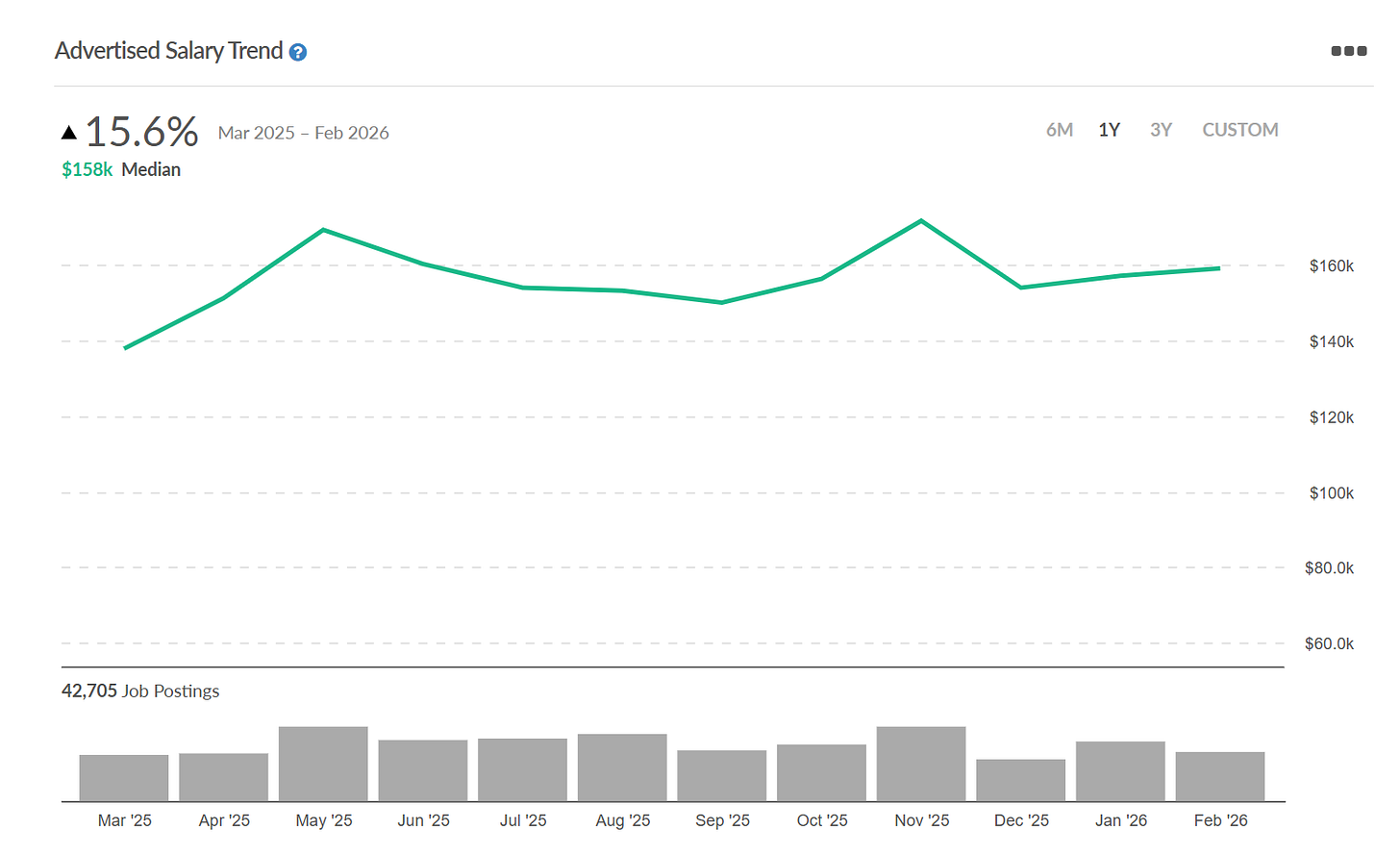
The skills profile within these roles is evolving. Entry-level coding and testing tasks are seeing a gradual decline in demand, mirroring historical patterns where technology automates more rudimentary aspects of a profession, similar to the decline of the steno pool with the advent of word processing. This shift is creating new, more sophisticated roles such as "full stack AI engineer" and "GenAI engineer," which require a deeper understanding of AI integration and application. This evolution has also led to a notable increase in software engineering salaries, indicating that these roles are becoming more valuable and financially rewarding. Over the past fifteen years, software engineering pay has more than doubled, with a significant surge of over 15% in the last year alone, directly attributable to the increased demand for AI-augmented skill sets.
Healthcare: AI as an Enabler of Enhanced Care
The healthcare sector, another area frequently discussed in the context of AI’s impact, offers compelling evidence of AI’s role in augmenting human expertise. Consider the case of X-ray technicians and diagnosticians. A decade ago, the widespread adoption of digital imaging and AI-powered diagnostic tools led to predictions of their obsolescence. The argument was that machines could increasingly perform the task of "reading" scans, identifying anomalies with greater speed and accuracy than humans.
However, this prediction has not materialized. Instead, the integration of AI in medical diagnostics has created a need for more sophisticated roles. While AI can handle initial scan analysis, the demand for imaging and medical diagnostics professionals has surged by an impressive 35% year-over-year, according to Lightcast data. This growth is fueled by the increased volume of diagnostic procedures made possible by AI’s efficiency and cost-effectiveness.
The nature of these jobs has transformed, becoming more "full-stack." Professionals now focus more on patient care, data management, and complex case interpretation, leveraging AI as a tool to enhance their diagnostic capabilities. Salaries for these roles have also seen a steady climb, reflecting their increased value and the expanded scope of their responsibilities. The anecdote of a patient experiencing rapid diagnosis and reassurance after an X-ray highlights the seamless integration of AI into patient care pathways, where human professionals, empowered by AI, deliver more efficient and effective services. This demonstrates how AI can lead to a more streamlined and patient-centric healthcare experience, elevating the roles of medical professionals to "Superworkers."
The ‘Superworker’ Phenomenon: Adapting and Innovating
The recurring theme across these examples is the emergence of the "Superworker" – an individual whose job has been transformed and enhanced by AI. This transformation is not about replacement, but about augmentation. Human ingenuity and adaptability are the driving forces behind this evolution.
Historically, technological advancements have always led to job evolution. The unemployment rate in the United States, for instance, has remained relatively stable at around 4.5% for many years, a testament to the human capacity for adaptation. Leaders play a crucial role in facilitating this transition, supporting workers as they acquire new skills and embrace new ways of working.
Human beings possess an innate ability to learn and create value. This genetic programming, honed over millions of years, allows us to adapt to new challenges and innovate. While AI can process information at unprecedented speeds, it lacks the creativity, emotional intelligence, and complex reasoning that define human intellect. The ability to adapt, problem-solve, and drive value creation remains a distinctly human trait.
Technology, including AI, serves as a tool to amplify these human strengths. Whether it’s developing self-driving cars, pioneering new medical treatments, or optimizing business operations, innovation is driven by human ambition and capability. AI is simply the latest frontier in this ongoing quest for progress.
Implications for the Future of Work
The narrative of AI leading to mass unemployment is a mischaracterization of its true potential. Instead, AI is acting as a powerful force for job creation and enhancement. It is automating the mundane, freeing up human capital for more strategic, creative, and engaging endeavors. This will lead to jobs that are not only more interesting but also more valuable, both in terms of personal fulfillment and financial reward.
The implications are profound:
- Increased Productivity and Efficiency: By automating repetitive tasks, AI allows businesses to operate more efficiently, leading to greater output and innovation.
- Elevated Job Satisfaction: As AI handles routine work, human employees can focus on more challenging and stimulating aspects of their roles, leading to higher job satisfaction and engagement.
- Creation of New Roles: The development and deployment of AI systems themselves create new job categories, requiring specialized skills in areas like AI engineering, data science, and AI ethics.
- Economic Growth: The enhanced productivity and innovation driven by AI can lead to sustained economic growth and higher overall living standards.
Navigating the Transition
While the outlook for AI’s impact on the job market is positive, the transition will not be without its challenges. Some individuals may find it difficult to adapt to changing job requirements. Proactive strategies are essential for individuals, organizations, and governments to navigate this evolving landscape effectively.

This includes:
- Investing in Reskilling and Upskilling: Continuous learning and development will be crucial for individuals to remain relevant in the AI-driven economy.
- Fostering a Culture of Adaptability: Organizations must cultivate environments that encourage flexibility, innovation, and continuous learning.
- Ethical AI Development and Deployment: Ensuring that AI is developed and implemented responsibly is paramount to maximizing its benefits and mitigating potential risks.
The future of work, shaped by AI, is not one of scarcity and displacement, but of abundance and opportunity. By embracing AI as a tool to augment human capabilities, we can unlock unprecedented levels of innovation, productivity, and personal fulfillment, ushering in an era of "Superwork" and "Superjobs."