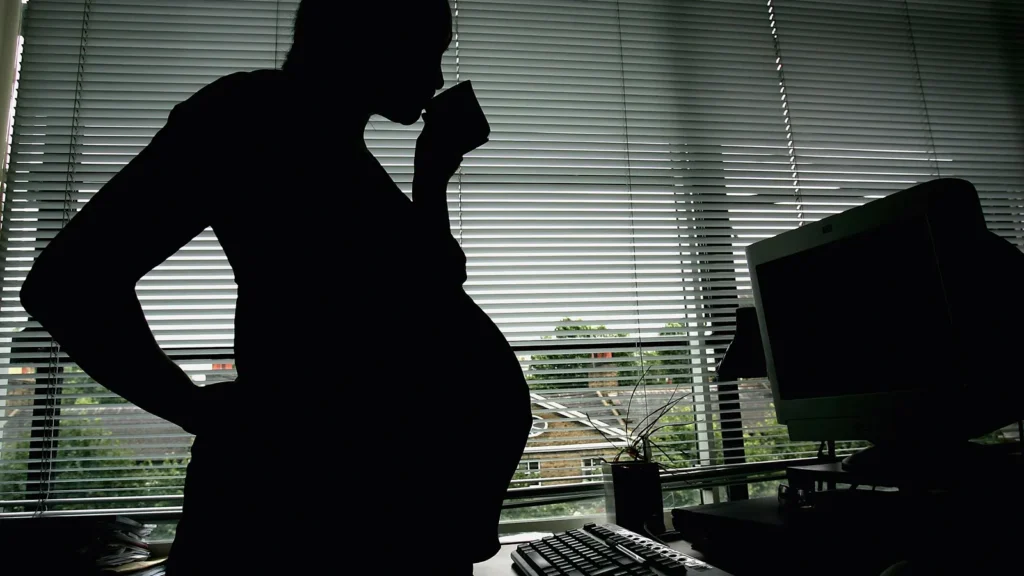
A proposed class-action lawsuit filed on April 9, 2024, in a California federal court, has leveled serious allegations against Deloitte Consulting LLP, asserting that the firm penalized exempt employees who took protected pregnancy-related, parental, or family leave. The complaint claims that Deloitte expected these employees to achieve the same performance metrics as their colleagues who worked a full year, without adequately accounting for their approved absences. This alleged practice, according to the lawsuit, resulted in lower performance ratings, reduced compensation, and potentially hindered career advancement for those who exercised their rights to protected leave. The legal action, Barela v. Deloitte Consulting LLP, underscores a growing scrutiny of corporate performance management systems and their adherence to federal employment protections, including the Family and Medical Leave Act (FMLA), the Pregnant Workers Fairness Act (PWFA), and Title VII of the Civil Rights Act of 1964.
Background of the Allegations: The Plaintiff’s Experience and Deloitte’s System
The lead plaintiff, identified as a former senior manager within Deloitte’s human capital consulting practice in Los Angeles, details a systemic issue within the firm’s performance evaluation and compensation structures. According to the complaint, annual performance ratings at Deloitte were intrinsically linked to an employee’s ability to meet specific targets when compared to their peers. The core of the allegation lies in the claim that these ratings failed to integrate or adjust for periods of protected leave, such as those taken for pregnancy, childbirth, or parental responsibilities.
This omission, the lawsuit contends, created an inequitable playing field. Employees who took protected leave, despite performing comparably to their colleagues during their active work periods, allegedly received lower overall scores simply because their total time at work was reduced by their legally protected absences. The repercussions were not merely symbolic; these lower performance scores directly translated into tangible financial penalties. Annual performance scores were a crucial determinant for salary increases and bonuses. Consequently, employees rated lower due to their protected absences allegedly received reduced compensation. The complaint further highlights the cumulative nature of this penalty, as yearly increases were layered upon an already diminished base pay, exacerbating the financial disparity over time and potentially impacting retirement benefits.
The plaintiff’s personal narrative underscores these systemic concerns. She claims that during two of the five years preceding her alleged termination, she utilized protected parental and pregnancy-related disability leave. For these specific years, she reportedly received lower performance ratings. It is her belief, as stated in the lawsuit, that these allegedly discriminatory ratings may have led Deloitte to conclude she was not suitable for promotion, thereby impeding her career trajectory within the firm. The lawsuit further alleges that the senior manager was informed in December 2023 (inferred as a past event preceding the 2024 lawsuit filing) that her employment was being terminated as part of a reduction in force, with Deloitte purportedly citing her performance in comparison to others as the basis for this decision. This sequence of events forms the crux of the claim that Deloitte’s policies and practices constituted a penalty for exercising protected leave rights.
Legal Framework and Violations Alleged: A Multifaceted Challenge
The lawsuit against Deloitte Consulting LLP is predicated on alleged violations of several critical federal employment laws designed to protect workers from discrimination and ensure fair treatment, particularly concerning family and medical leave.
The Family and Medical Leave Act (FMLA)
Enacted in 1993, the FMLA provides eligible employees of covered employers with up to 12 workweeks of unpaid, job-protected leave each year for specific family and medical reasons, including the birth of a child and to care for the newborn child, for the placement with the employee of a child for adoption or foster care, to care for an immediate family member (spouse, child, or parent) with a serious health condition, or when the employee is unable to work because of a serious health condition. A key provision of the FMLA is its prohibition against employers interfering with, restraining, or denying the exercise of, or the attempt to exercise, any FMLA right. The lawsuit specifically alleges that Deloitte’s performance assessment and compensation practices violated the FMLA by penalizing employees for requesting and utilizing their statutory right to FMLA leave. This is a nuanced area of FMLA compliance, as employers are generally not required to adjust performance standards for the time an employee is actually on the job. However, as recent legal interpretations have clarified, they are expected to adjust their performance evaluations to avoid penalizing an employee for the absence itself during approved FMLA leave. The Department of Labor’s data indicates that FMLA usage is widespread, with millions of Americans relying on these protections annually to balance work with critical life events.
The Pregnant Workers Fairness Act (PWFA)
This landmark legislation, which became effective in June 2023, requires covered employers to provide "reasonable accommodations" to a worker’s known limitations related to pregnancy, childbirth, or related medical conditions, unless the accommodation would cause the employer an "undue hardship." The lawsuit alleges that Deloitte violated the PWFA by effectively rendering an employee’s right to reasonable accommodation, such as leave, ineffective and by penalizing them for utilizing this right. The PWFA aims to close gaps in existing protections, ensuring that pregnant workers are not forced out of their jobs or denied accommodations crucial for their health and well-being. By allegedly penalizing employees for taking pregnancy-related leave, Deloitte’s practices could be seen as undermining the very purpose of the PWFA, creating a disincentive for employees to seek necessary support during a vulnerable period.
Title VII of the Civil Rights Act of 1964 (Sex Discrimination)
Title VII prohibits employment discrimination based on race, color, religion, sex, and national origin. The lawsuit contends that Deloitte’s practices amounted to sex discrimination under Title VII. The rationale behind this claim is that "women are overrepresented in the population of workers who take parental, pregnancy and pregnancy-related leave," as stated in the complaint. Therefore, policies that penalize employees for taking such leave disproportionately affect women, constituting indirect discrimination based on sex under a disparate impact theory. This argument highlights the intersectionality of gender and family responsibilities in the workplace, where policies that appear neutral on their face can have a disparate impact on protected groups, exacerbating the "motherhood penalty" often observed in career progression and earnings. Studies consistently show that women, particularly those who take leave for childbirth and childcare, face significant career setbacks compared to their male counterparts.
Contextualizing the Issue: A Broader Look at Protected Leave and Workplace Equity
The Barela v. Deloitte Consulting LLP lawsuit illuminates a critical challenge in modern workplaces: how to genuinely support employees taking protected leave while maintaining rigorous performance standards, especially in demanding industries like consulting. The Family and Medical Leave Act has been a cornerstone of worker protection for three decades, granting millions of Americans the ability to balance work and family responsibilities without fear of job loss. Data from the Department of Labor consistently shows high utilization rates of FMLA, particularly for an employee’s own serious health condition or for caring for a new child. A 2018 Department of Labor survey indicated that an estimated 17.9% of all employees took FMLA leave in the past 12 months, with women being slightly more likely to take FMLA leave than men.
However, the mere existence of protected leave does not always translate into equitable treatment upon return. Research from institutions like the National Bureau of Economic Research and the American Economic Association has frequently documented the "motherhood penalty," where women, particularly those who take parental leave, often experience decreased wages, slower career progression, and poorer performance evaluations compared to their childless counterparts or male colleagues. This penalty is often attributed to employers’ perceptions of commitment, availability, and the actual time away from work, even when the leave is legally protected. The consulting industry, known for its long hours, client-facing demands, and highly competitive internal promotion processes, may present an amplified version of these challenges. In such environments, "face time" and continuous availability can sometimes implicitly, or explicitly, become proxies for performance, making it difficult for employees returning from extended leave to catch up or be perceived as equally productive.
The Seventh Circuit Precedent: A Guiding Legal Interpretation
The Deloitte lawsuit directly references a significant 2024 ruling by the 7th U.S. Circuit Court of Appeals, Tilley v. Kalamazoo County Road Commission, which offers crucial guidance on the interplay between FMLA leave and performance evaluations. In that case, the court reiterated that while the FMLA does not obligate employers to lower their performance standards for the time an employee is actually on the job, it does impose a duty to ensure that performance evaluations are adjusted to avoid penalizing an employee for the absence itself during approved FMLA leave.
The Tilley ruling emphasized that treating FMLA-protected absences as negative factors in performance reviews can constitute interference with FMLA rights. The court clarified that employees on FMLA leave are entitled to be treated as if they had been continuously employed and not on leave for purposes of employment benefits. This means employers cannot use FMLA leave as a negative factor in employment decisions, including performance reviews, promotions, or compensation. The challenge for employers, and where Deloitte is allegedly faltering, is in distinguishing between evaluating performance for the time worked versus penalizing for time absent due to protected leave. If an employee is expected to achieve the same annual output as a colleague who worked 12 months, despite only working 9 or 10 months due to protected leave, that expectation inherently penalizes the leave itself. This legal precedent provides a strong interpretive lens through which the Barela v. Deloitte allegations will likely be examined, highlighting a growing judicial focus on the practical implementation of FMLA protections in performance management.
The Pregnant Workers Fairness Act (PWFA) in Practice
The allegations against Deloitte also highlight the nascent but critical role of the Pregnant Workers Fairness Act. The PWFA, enacted in late 2022 and effective mid-2023, was designed to fill gaps in existing anti-discrimination laws, which often left pregnant workers in a precarious position. Before the PWFA, a pregnant worker seeking accommodation for limitations might have to prove they were "disabled" under the Americans with Disabilities Act (ADA) or that their employer accommodated non-pregnant workers with similar limitations under Title VII. The PWFA simplifies this, requiring reasonable accommodations for known limitations related to pregnancy, childbirth, or related medical conditions, regardless of whether the condition meets the ADA’s definition of disability.
By allegedly penalizing employees for taking pregnancy-related leave, the lawsuit suggests Deloitte may have undermined the very intent of the PWFA. If an employee is granted leave as a reasonable accommodation under PWFA, but then subsequently suffers negative performance reviews or compensation adjustments due to that leave, it effectively negates the protection offered by the Act. This creates a disincentive for employees to request necessary accommodations, placing them in a "catch-22" situation where prioritizing their health or family needs comes at a significant professional cost. The case could serve as an important early test of the PWFA’s enforcement and its capacity to ensure that accommodations are not merely granted on paper but are genuinely integrated into an employee’s career trajectory without penalty.
Sex Discrimination Under Title VII: Disparate Impact and Gender Equity
The claim of sex discrimination under Title VII is particularly potent, leveraging the "disparate impact" theory. This theory posits that a facially neutral employment practice that falls more harshly on one group protected by Title VII than on another group and cannot be justified by business necessity is discriminatory. The lawsuit argues that because women disproportionately take parental, pregnancy, and pregnancy-related leave, any policy that penalizes such leave will inherently have a disparate, negative impact on women.
Statistics consistently support this premise. Women remain the primary caregivers for children in most families, and they are overwhelmingly the ones who take pregnancy and maternity leave. For example, a 2020 report by the Pew Research Center found that mothers are more likely than fathers to say that being a parent has made it harder for them to advance in their job or career. Furthermore, the gender pay gap often widens significantly after women become mothers. If Deloitte’s performance and compensation systems do not adequately adjust for these realities, and instead penalize the very acts of childbearing and parental care, it could be seen as perpetuating systemic gender inequality in the workplace. This aspect of the lawsuit underscores the broader societal implications of corporate policies on gender equity and challenges companies to critically examine whether their performance management systems inadvertently create barriers for women’s professional advancement.
Potential Implications for Deloitte and the Consulting Industry
Should the class-action lawsuit proceed and find merit, the implications for Deloitte