
The landscape of American healthcare continues to undergo a significant transformation as more consumers transition from traditional employer-sponsored group coverage toward the individual health insurance market. As of August 2026, selecting a health insurance policy independently remains a complex yet vital endeavor for millions of Americans, whether they are enrolling for the first time or seeking to optimize their existing coverage. Individual health insurance, defined as policies purchased by consumers for themselves or their families rather than through an employer, is now accessible through a sophisticated network of federal and state marketplaces, private exchanges, and licensed insurance brokers. This shift toward individualization reflects a broader economic trend where health benefits are becoming increasingly decoupled from specific employment, offering workers greater mobility and personalized care options.
Understanding the Structure of Individual Health Plans
An individual health insurance plan serves as a cornerstone of financial and physical security, providing a safety net against the rising costs of medical care. Unlike traditional group health insurance, which is selected and managed by an employer, individual plans grant consumers the autonomy to choose policies that align with their specific medical needs, preferred provider networks, and financial constraints. These plans are available through several channels, including the federal Health Insurance Marketplace (HealthCare.gov), state-based exchanges, or directly from insurance carriers and brokers.
One of the primary advantages of the individual market in 2026 is the ability to tailor benefits. Consumers can select from various metallic tiers and ancillary plans—such as dental, vision, and disability insurance—which may not be included in a standard employer-sponsored package. Furthermore, individual plans offer a level of portability that group plans lack; as long as the policyholder continues to pay the monthly premium, the coverage remains active regardless of changes in employment status. This portability is particularly critical in the modern "gig economy," where freelance work and frequent career pivots are common.
The Five Categories of Individual Health Coverage
Navigating the individual market requires an understanding of the standardized "metal tiers" established under the Affordable Care Act (ACA). These categories—Catastrophic, Bronze, Silver, Gold, and Platinum—do not reflect the quality of medical care provided but rather the distribution of costs between the insurer and the policyholder. This distribution is known as the plan’s actuarial value.

- Bronze Plans: These plans typically offer the lowest monthly premiums but the highest out-of-pocket costs when care is received. On average, a Bronze plan covers approximately 60% of covered medical expenses, leaving the consumer responsible for the remaining 40%.
- Silver Plans: Positioned as the "benchmark" for many subsidy calculations, Silver plans cover roughly 70% of costs. They are often the most popular choice because they balance moderate premiums with moderate out-of-pocket expenses.
- Gold Plans: With an actuarial value of approximately 80%, Gold plans are ideal for individuals who anticipate frequent medical visits or require ongoing treatments. While monthly premiums are higher, the costs at the point of service are significantly lower.
- Platinum Plans: These represent the highest level of coverage, with the insurer paying approximately 90% of medical costs. These are rare in some markets but offer the most predictable financial outcomes for those with chronic conditions.
- Catastrophic Plans: Available primarily to individuals under the age of 30 or those with specific hardship exemptions, these plans feature very low premiums and very high deductibles. They are designed to protect against "worst-case scenarios" while covering three primary care visits per year and certain preventive services at no cost before the deductible is met.
Regardless of the tier chosen, all ACA-compliant plans are legally required to cover ten essential health benefits, including emergency services, hospitalization, maternity and newborn care, mental health services, and prescription drugs.
Analyzing the Cost of Coverage in 2026
The financial implications of individual health insurance have shifted favorably in several regions compared to group coverage. According to 2026 data from KFF, the national average monthly premium for a benchmark Silver plan stands at approximately $625. However, localized data illustrates a more nuanced picture. In Cleveland, Ohio, for instance, a 40-year-old individual might find a Bronze plan for an average of $321.19 per month, whereas a comparable small group plan through an employer could cost upwards of $670.93.
Several factors influence the final cost of a premium, including the policyholder’s age, geographic location, tobacco use, and the number of individuals covered under the policy. Notably, under current federal regulations, insurance companies are prohibited from basing premiums on gender or pre-existing medical conditions, ensuring that those with chronic illnesses are not priced out of the market.
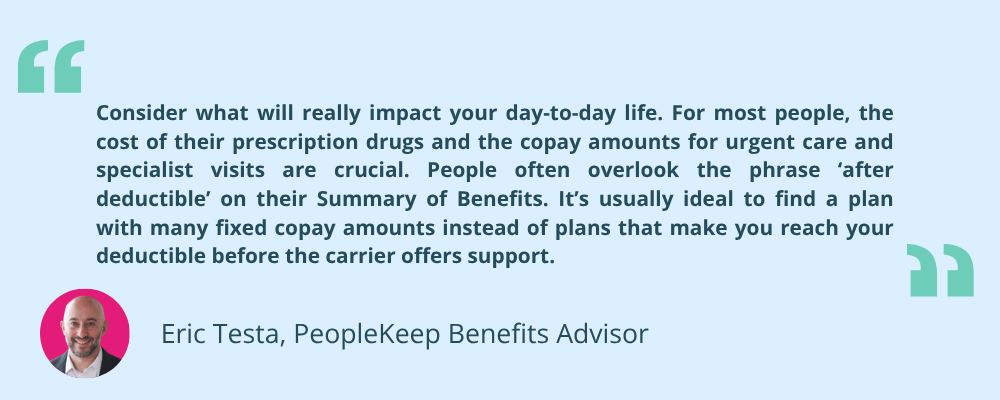
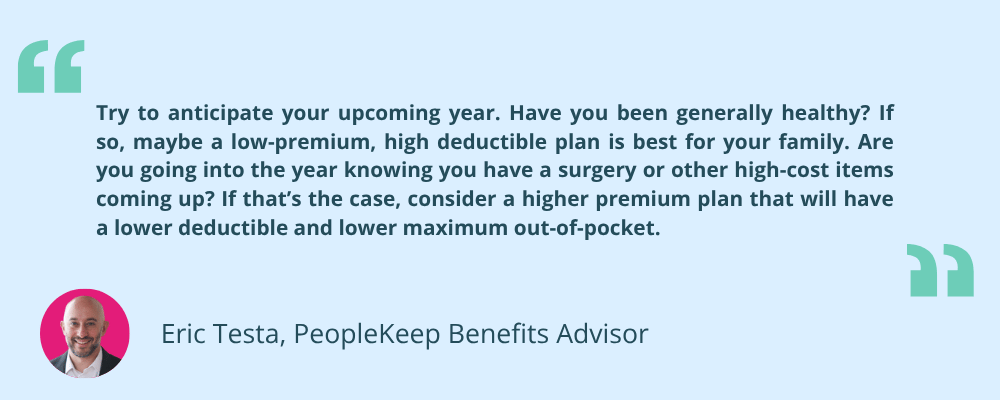
Beyond the monthly premium, experts emphasize the importance of "cost-sharing" metrics—deductibles, copayments, and coinsurance. Eric Testa, a Benefits Advisor at PeopleKeep, notes that consumers often focus too heavily on the premium while overlooking the "after deductible" clauses in their Summary of Benefits. Testa suggests that for most individuals, the cost of prescription drugs and fixed copayments for urgent care and specialists are the most significant factors impacting day-to-day finances. He advises those expecting medical procedures to opt for higher-premium plans with lower maximum out-of-pocket limits to avoid catastrophic bills.
A Chronology of the Individual Market Evolution
The current state of the individual health insurance market is the result of over a decade of legislative and economic evolution. Understanding this timeline provides context for why the market is more robust in 2026 than in previous decades:
- 2010: The passage of the Affordable Care Act (ACA) creates the framework for the individual marketplace and mandates the inclusion of essential health benefits.
- 2014: The first official enrollment period for the Health Insurance Marketplace begins, introducing federal subsidies to make coverage affordable for low-to-middle-income earners.
- 2017: The introduction of the Qualified Small Employer Health Reimbursement Arrangement (QSEHRA) allows small businesses to reimburse employees for individual premiums, bridging the gap between group and individual markets.
- 2020: The Individual Coverage Health Reimbursement Arrangement (ICHRA) is launched, allowing employers of all sizes to offer tax-free reimbursements for individual insurance, further fueling the growth of the individual market.
- 2021-2025: Successive legislative actions, including the American Rescue Plan Act and the Inflation Reduction Act, expand premium tax credits, making individual plans more affordable for a wider range of income levels.
- 2026: The market reaches a new level of stability with increased carrier participation and the widespread adoption of HRA-supported individual coverage, making it a viable and often superior alternative to traditional group insurance.
Strategies for Shopping and Enrollment
As the market has matured, the tools available for comparing and enrolling in plans have become increasingly sophisticated. Consumers generally have three primary pathways for securing coverage:
Public Health Exchanges
Government-operated marketplaces provide a centralized platform for comparing ACA-compliant plans. These exchanges are the only venue where consumers can access federal premium tax credits and cost-sharing reductions. Public exchanges also provide "navigators"—unbiased, licensed assistants who help consumers understand their options without favoring a specific carrier.
Private Health Exchanges and Brokers
Operated by insurance companies or benefits technology firms, private exchanges often offer a wider variety of plans, including supplemental dental and vision policies that may not be available on public platforms. Licensed brokers play a crucial role here, offering deep industry expertise and personalized recommendations. However, it is important to note that plans purchased through private exchanges are generally ineligible for federal subsidies.
Healthcare Shopping Platforms
In recent years, private healthcare shopping companies like HealthSherpa and Stride have revolutionized the enrollment process. These platforms aggregate data from multiple carriers, allowing users to filter plans based on their preferred doctors and specific prescription drug needs. They often provide year-round customer support, assisting policyholders with claims and coverage questions long after the initial enrollment.
Broader Implications and Analysis
The continued growth of the individual health insurance market has profound implications for the American labor force. By decoupling health benefits from employment, the "job lock" phenomenon—where employees remain in unsatisfying positions solely to maintain health coverage—is significantly diminished. This fosters a more dynamic economy, encouraging entrepreneurship and allowing workers to pursue opportunities that better align with their skills and personal lives.
Furthermore, the rise of HRAs like ICHRA and QSEHRA has allowed employers to control their healthcare spending while offering employees more choice. This shift from "defined benefit" (where the employer chooses the plan) to "defined contribution" (where the employer provides a set amount of money for the employee to choose their own plan) mirrors the historical shift from traditional pensions to 401(k) plans in the retirement sector.
From a public health perspective, the accessibility of the individual market serves as a critical buffer against medical debt. With the average cost of an inpatient hospital stay for heart disease exceeding $21,500, the protection offered by even a high-deductible Bronze plan is substantial. As the market continues to stabilize in 2026, the focus is shifting from mere "access" to "optimization"—ensuring that every American not only has a plan but has the right plan for their unique medical and financial journey.
In conclusion, while the individual health insurance market was once viewed as a secondary option for those without "real" jobs, it has evolved into a sophisticated, competitive, and often more affordable alternative to the traditional group model. With the support of expert advisors, advanced shopping technologies, and employer-funded reimbursements, consumers in 2026 are better equipped than ever to navigate their healthcare future with confidence.