Healthcare professionals stand as the unwavering pillars of society, guiding individuals through every life stage, from preventative wellness to complex long-term care. Their demanding work, which requires exceptional skill, profound dedication, and immense emotional resilience, forms the bedrock of public health and well-being. Yet, despite their indispensable contributions, a significant chasm exists between their societal importance and their perceived appreciation within the workplace. According to the recent State of Recognition Report, a stark reality emerges: merely 18% of healthcare workers feel meaningfully recognized for their efforts, and an even more concerning 11% report regular acknowledgment from their direct managers. This profound disconnect underscores an urgent need for systemic change, highlighting that intentional recognition is not merely a courtesy but a critical component for sustaining a high-stakes, high-pressure industry. While dedicated observance days offer vital opportunities to spotlight specific roles, the challenge for healthcare organizations lies in transforming these moments into a pervasive, year-round culture of gratitude that boosts morale, enhances engagement, and significantly improves retention rates.
The Unsung Pillars: A Calendar of Appreciation for Healthcare Heroes
Across the calendar year, numerous dates are dedicated to recognizing the diverse roles that collectively form the intricate fabric of healthcare. These observances are crucial for acknowledging specialized contributions, fostering a sense of community, and reminding both professionals and the public of the breadth of expertise involved in maintaining health.
January: Kicking Off the Year with Dedication
National Pharmacist Day: January 12, 2026
National Pharmacist Day illuminates the critical yet frequently underappreciated role of pharmacists in the healthcare ecosystem. These highly trained professionals are pivotal in ensuring medication safety, optimizing drug therapy, and providing crucial patient counseling. Beyond dispensing, pharmacists actively prevent adverse drug reactions, manage complex polypharmacy cases, and contribute significantly to public health initiatives, including immunization programs. Industry data consistently shows that pharmacist interventions can significantly reduce hospital readmissions and improve patient adherence to treatment plans. Recognizing their profound impact on patient outcomes and overall systemic efficiency is vital for fostering a culture of gratitude and reinforcing their integral position from the outset of the year.
National CRNA Week: January 18–24, 2026
Certified Registered Nurse Anesthetists (CRNAs) are indispensable in guaranteeing patient safety and comfort throughout surgical and procedural experiences. Often working autonomously, particularly in rural and underserved areas, or collaboratively with anesthesiologists, CRNAs provide all forms of anesthesia care. Their advanced practice expertise is critical for managing complex patient cases and ensuring optimal outcomes. Studies indicate that CRNAs deliver high-quality, cost-effective anesthesia care, playing a vital role in expanding access to surgical services across the nation. Celebrating National CRNA Week acknowledges their specialized knowledge, dedication, and the significant trust patients place in their hands during vulnerable moments.
February: Heartfelt Thanks and Pioneering Spirit
National Patient Recognition Week: February 1–7, 2026
While ostensibly focused on patients, National Patient Recognition Week serves as a powerful reminder for healthcare professionals of the core mission driving their daily efforts. Prioritizing patient-centered care has been shown to lead to better health outcomes, increased patient satisfaction, and stronger provider-patient relationships. This week fosters empathy among staff, reminding them of the meaningful impact their work has on individuals and families, reinforcing the shared goal of healing and well-being. Healthcare leaders often use this week to highlight patient success stories, inspiring teams and reaffirming the human connection at the heart of medicine.
National Women Physicians Day: February 3, 2026
Commemorating Dr. Elizabeth Blackwell, the first woman to earn a medical degree in the United States in 1849, this day honors the trailblazing leadership and vital contributions of women physicians. National Women Physicians Day highlights the ongoing journey toward gender equity in medicine and acknowledges the profound impact women have had, and continue to have, in shaping healthcare delivery, research, and policy. Women now comprise a significant percentage of medical school graduates and practicing physicians, bringing diverse perspectives and often leading in areas like primary care and preventative medicine. Recognizing their achievements is crucial for inspiring future generations and celebrating their resilience in overcoming historical barriers.
Cardiovascular Professionals Week: February 9–15, 2026
In February, cardiovascular specialists—including cardiac sonographers, perfusionists, and interventional technologists—receive much-deserved recognition for their fundamental role in combating cardiovascular disease, which remains the leading cause of death worldwide. Their expertise in preventing, diagnosing, and treating heart and blood vessel conditions directly impacts patient survival and quality of life. From advanced diagnostic imaging to critical support during open-heart surgery, these professionals are at the forefront of saving lives. Data from the World Health Organization consistently emphasizes the global burden of cardiovascular disease, underscoring the vital importance of these specialists in public health.
March: Diverse Expertise in Focus
National Dentist’s Day: March 6, 2026
Dentists provide far more than just oral care; their work is intrinsically linked to overall systemic health. Oral health significantly influences nutrition, speech, self-confidence, and has documented connections to heart disease, diabetes, and even neurological conditions. Celebrating National Dentist’s Day acknowledges their essential role in preventative medicine and comprehensive well-being, advocating for the recognition of their key contributions to the broader healthcare system. Professional associations routinely highlight the importance of regular dental check-ups in preventing more serious, costly health issues down the line.
Registered Dietitian Nutritionist Day: March 11, 2026
Observed on the second Wednesday of March, Registered Dietitian Nutritionist Day celebrates RDNs for their critical role in promoting health through evidence-based nutrition science. These experts provide personalized dietary guidance for chronic disease management, weight control, and overall wellness, impacting individual and public quality of life. With rising rates of diet-related illnesses, RDNs are increasingly vital members of healthcare teams, supporting patients in achieving healthier lifestyles and preventing disease progression. Honoring their expertise fosters a positive company culture by showing appreciation for their essential contributions to preventative care and recovery.
Healthcare HR Week: March 16–22, 2026
Healthcare HR professionals play a vital, often invisible, role in one of the most demanding industries globally. They are responsible for recruiting, retaining, and supporting the workforce that delivers patient care, ensuring staff well-being, managing complex compliance, and navigating labor relations. Their behind-the-scenes efforts are crucial for maintaining organizational stability and ensuring patients receive seamless care. Celebrating their impact boosts morale not only within HR departments but across the entire organization, as a well-supported workforce is a direct outcome of effective HR strategies. This week is an opportunity to recognize the strategic importance of human capital management in healthcare.
Doctors’ Day: March 30, 2026
Doctors’ Day honors the physicians who form the backbone of healthcare, diagnosing, treating, and helping prevent illness and injury across an immense spectrum of specialties. Celebrated annually on March 30, this day recognizes the profound dedication of all doctors—from family physicians and pediatricians to surgeons and psychiatrists—whose expertise, compassion, and tireless efforts save lives and transform communities. It’s a moment to reflect on the rigorous training, long hours, and immense responsibility physicians bear, acknowledging their unwavering commitment to patient health.
April: Holistic Health and Diagnostic Precision
Occupational Therapy Month: April 2026
Occupational therapists (OTs) empower individuals to build or regain the essential skills needed for daily living through personalized, practical care and support. Whether helping patients recover from injury, manage chronic conditions, or adapt to disabilities, OTs focus on enhancing independence and quality of life. From creating tailored treatment plans to providing hands-on guidance for activities of daily living, their work directly impacts functional recovery and social participation. Honoring their essential role in rehabilitation and empowerment each April acknowledges their unique contribution to holistic patient care.

World Health Day: April 7, 2026
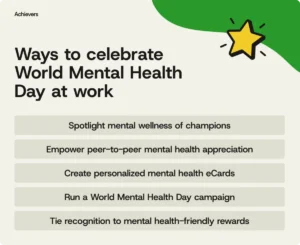
World Health Day, observed every April 7, marks the founding of the World Health Organization (WHO) and serves as a global platform to shine a spotlight on urgent health challenges. Each year, the WHO designates a theme, focusing international attention on critical issues like universal health coverage, climate change’s impact on health, or mental well-being. This day provides an opportunity for healthcare organizations to inspire their workplace with actionable wellness initiatives, promote employee well-being, and reinforce the critical global goal of health equity for all. It’s a reminder that local actions contribute to global health.
Medical Lab Professionals Week: April 20–26, 2026
Medical lab professionals are the unsung heroes behind accurate diagnoses and effective treatments. They play a crucial role in disease diagnosis, monitoring, and prevention by collecting samples, running intricate tests, analyzing results, and ensuring rigorous quality control. Specializing in areas like microbiology, hematology, and clinical chemistry, their work provides up to 70% of the objective data used in patient diagnoses. Errors in laboratory results can have severe consequences, underscoring the precision and expertise required. Celebrating their expertise and impact during Medical Lab Professionals Week, observed annually in the fourth week of April, highlights their foundational contribution to patient care.
May: Nursing, Emergency, and Support Foundations
National Hospital Week: May 4–10, 2026
Hospitals are the cornerstones of the healthcare system, serving communities of all ages and uniting a vast array of professionals to deliver expert, coordinated care. From emergency treatment to long-term recovery, their impact influences every phase of care and extends deeply into the community’s economic and social fabric. This week celebrates the complex operations, dedicated staff, and vital services that hospitals provide, recognizing their role as hubs of healing, innovation, and community health. Observed each year in the first full week of May, it acknowledges the immense logistical and human effort required to keep these institutions functioning.
National Nurses Week: May 6–12, 2026
Florence Nightingale’s legacy as the founder of modern nursing makes her May 12th birthday a fitting tribute to National Nurses Week. Held annually from May 6–12, this week honors the compassion, resilience, and essential role of nurses across all settings—from acute care and public health to education and research. Nurses are often the first point of contact for patients, providing direct care, advocacy, and emotional support. Data consistently highlights the critical role of nurses in patient safety and outcomes, making their recognition paramount, especially amidst ongoing workforce shortages.
EMS Week: May 18–24, 2026
Emergencies don’t wait, and neither do EMS professionals. Whether responding late at night, in hazardous conditions, or under immense pressure, paramedics and EMTs respond quickly, stabilize patients, and save lives when every second counts. They are the immediate frontline, often making critical decisions in unpredictable environments before a patient even reaches a hospital. Celebrating their courage, commitment, and lifesaving contributions during EMS Week, held annually in the third week of May, is a profound acknowledgment of their readiness and expertise in the face of crisis.
Personal Support Worker Day: May 19, 2026
Every May 19, Personal Support Workers (PSWs) are recognized for the compassionate, hands-on care they provide in hospitals, long-term care facilities, and home settings. As essential frontline caregivers, they assist with daily living activities, provide companionship, and offer crucial emotional support, significantly impacting the quality of life for vulnerable populations, especially the elderly and those with disabilities. Their dedication often goes beyond their duties, making a tangible difference in the lives of those they serve. Whether through thoughtful gifts or meaningful non-monetary rewards, this day offers an opportunity to celebrate their invaluable dedication and support.
Medical Coder Day: May 23, 2026
Medical coders are the linguistic bridge between clinical documentation and standardized codes. They ensure that diagnoses, procedures, and services are accurately translated into universal alphanumeric codes, which are essential for accurate reimbursement for providers, integrity of patient records, and robust data management for public health tracking and research. Their expertise is crucial for the financial health of healthcare organizations and for maintaining the accuracy of the entire healthcare data system. Recognizing their essential contributions to healthcare administration on May 23 each year highlights their precision and importance.
July: Paramedic Prowess
International Paramedics Day: July 8, 2026
Paramedics are the frontline experts in emergency care, delivering immediate assessment and life-saving interventions directly on the scene of an accident or medical emergency. Their ability to make critical, life-changing decisions under immense pressure and coordinate seamless transitions to hospital care is essential to saving lives and improving outcomes for trauma and acute medical conditions. This global day honors their exceptional skills, unwavering dedication, and the indispensable role they play in the chain of survival.
August: Orchestrating Operations
Health Unit Coordinator Day: August 23, 2026
Health Unit Coordinators (HUCs) play a pivotal administrative role in healthcare settings, managing communication flow, scheduling appointments and procedures, and maintaining critical patient documentation. As the vital link between departments, clinical staff, and patients, they help keep hospital operations running smoothly and efficiently. Their organizational prowess and ability to juggle multiple tasks ensure that clinical teams can focus on patient care without administrative distractions. Recognizing their contributions every year on August 23 acknowledges their indispensable role in operational excellence.
September: Global Safety and Patient Focus
World Patient Safety Day: September 17, 2026
Established by the World Health Organization (WHO), World Patient Safety Day highlights the global importance of safe healthcare practices and seeks to reduce preventable harm. Observed every year on September 17, it promotes system improvements, global collaboration, and patient empowerment to ensure safer care delivery. Healthcare organizations use this opportunity to engage staff in safety initiatives, recognize contributions to a culture of safety, and reinforce the shared commitment to "do no harm." Celebrating the day by recognizing staff contributions, whether through shout-outs, events, or gift cards, reinforces its critical message.
October: Expanding Access and Supply Chain Resilience
National Physician Assistant Week: October 6–12, 2026
Physician Assistants (PAs) are highly skilled medical professionals who diagnose illnesses, develop and manage treatment plans, prescribe medications, and often assist in surgery. They examine and treat patients, perform procedures, and collaborate closely with physicians and other healthcare team members. Their expertise and adaptable care models are essential to expanding access to high-quality healthcare, particularly in underserved communities and specialized fields. Celebrating their contributions and commitment to patient well-being every year from October 6–12 recognizes their vital role in modern medicine.
Healthcare Supply Chain Week: October 4–10, 2026
The COVID-19 pandemic vividly underscored the critical importance of healthcare supply chain professionals. This week celebrates the individuals who meticulously manage the sourcing, delivery, and availability of medical supplies, equipment, and pharmaceuticals. Their behind-the-scenes work ensures that hospitals and clinics have the necessary resources to treat patients safely and effectively, from everyday essentials to life-saving specialized equipment. Honoring their crucial contributions during the first full week of October every year acknowledges their role in operational resilience and patient care readiness.
Medical Assistants Recognition Day: October 21, 2026
Medical Assistants (MAs) are often the first and last point of contact for patients, playing a crucial dual role in healthcare settings. By skillfully handling both clinical duties (like taking vital signs and assisting with exams) and administrative duties (like scheduling and managing patient records), they streamline clinic operations, minimize delays, and enable doctors to concentrate on delivering quality care. Their efficiency and compassionate patient interaction are vital to a positive patient experience and effective clinic flow. Celebrating their invaluable contributions every year on the third Wednesday of October recognizes their indispensable front-line efforts.
November: Allied Health and Compassionate Closure
National Allied Health Professions Week: November 2–8, 2026
Allied health professionals encompass a vast and diverse range of essential support roles across the healthcare system, including physical therapists, respiratory therapists, radiologic technologists, and many more. Each plays a vital part, and the system simply would not function properly without their specialized contributions to diagnosis, treatment, and rehabilitation. This week celebrates their collective efforts, highlighting the interdependence of various disciplines in delivering comprehensive patient care. It underscores the strength of multidisciplinary teams in achieving optimal health outcomes.
National Hospice and Palliative Care Month: November 2026
Hospice and palliative care providers offer compassionate support, ensuring patients facing serious, life-limiting illnesses experience comfort, dignity, and quality of life in their final days or during chronic illness management. These dedicated professionals—including physicians, nurses, social workers, and counselors—focus on alleviating suffering, providing emotional support to families, and honoring patient wishes. Their work is profoundly sensitive and requires immense empathy and skill. Use November to honor their invaluable contributions with employee recognition gifts that acknowledge their dedication during life’s most challenging moments, often working in emotionally demanding environments.
Beyond the Calendar: The Strategic Imperative of Year-Round Recognition
While recognition days offer invaluable opportunities for focused appreciation, they alone cannot fully address the pervasive issues of job burnout, high turnover, and disengagement plaguing the healthcare sector. Organizations that rely solely on these observance days miss crucial opportunities to reinforce the contributions that support patient care throughout the entire year. The healthcare industry’s demanding nature, characterized by long hours, emotional intensity, and often understaffed environments, makes its workforce particularly vulnerable to exhaustion.
Addressing the Burnout Crisis and High Turnover
Healthcare professionals, from frontline nurses to behind-the-scenes administrators, experience alarmingly high rates of burnout. The World Health Organization (WHO) has recognized burnout as an occupational phenomenon, and numerous studies point to its prevalence in healthcare, leading to severe consequences such as reduced job satisfaction, impaired patient safety, and mental health challenges among staff. This often culminates in high turnover rates, which are incredibly costly for organizations—not just in terms of recruitment and training expenses, but also in lost institutional knowledge, decreased team morale, and potentially compromised quality of care. The economic impact of turnover in healthcare can run into millions of dollars annually for large health systems. A culture of consistent, meaningful recognition acts as a powerful antidote, fostering a sense of value and belonging that can mitigate these pressures.
Building Engagement and Resilience
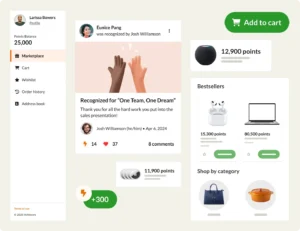
The strategic implementation of year-round recognition programs moves beyond sporadic gestures to embed appreciation into the daily fabric of an organization. This includes peer-to-peer recognition, where colleagues acknowledge each other’s efforts, manager-led recognition that provides specific feedback, and values-based programs that tie recognition directly to organizational mission and values. When thoughtfully applied, employee recognition software becomes a pivotal tool, making recognition a daily habit and boosting morale, engagement, and retention. Platforms designed for healthcare can facilitate real-time feedback, integrate rewards, and offer analytics to track recognition trends. The employee recognition playbook for healthcare highlights how hospitals, care facilities, and health systems adopting these comprehensive approaches have significantly reduced turnover, by as much as 33% in some cases, while simultaneously strengthening connection and morale across their workforce. This continuous feedback loop helps build a resilient workforce, better equipped to handle the inherent stresses of the profession.
The Role of Technology in Sustained Appreciation
Modern employee recognition platforms are more than just digital suggestion boxes; they are sophisticated ecosystems designed to foster a culture of gratitude at scale. They allow for instant, public, and values-aligned recognition, ensuring that contributions, big or small, are seen and celebrated. Crucially, these platforms can bridge the gap for diverse workforces, including shift-based or offline employees, by offering accessible recognition channels. Beyond simple ‘thank yous,’ they often integrate with rewards systems, allowing for meaningful monetary or non-monetary incentives that resonate with employees. The data analytics capabilities of such platforms provide invaluable insights into engagement levels, highlight areas where recognition might be lacking, and demonstrate the direct impact of appreciation on key performance indicators like retention and productivity.
Leading by Example: Case Studies in Transformative Recognition
The theoretical benefits of comprehensive recognition are powerfully demonstrated by organizations that have successfully integrated these strategies into their operational ethos.
Seattle Children’s Hospital: Empowering Patient Voices
The Problem: Seattle Children’s Hospital faced a common challenge: while patients and families frequently wanted to express gratitude for exceptional care, their feedback often reached only a small portion of the care team directly involved. This meant that many dedicated professionals, from administrative staff to support services, might miss out on receiving direct appreciation, despite their crucial roles in the patient experience. The hospital recognized this as a missed opportunity to reinforce positive behaviors and boost morale across its broad workforce.
The Solution: To address this, Seattle Children’s innovatively integrated patient recognition directly into its Achievers-powered Wave platform. This strategic move created a seamless channel for patients and families to recognize caregivers across all roles—clinical, administrative, and support. The platform allowed for specific, public acknowledgments, ensuring that appreciation could flow from the very individuals whose lives were touched by the hospital’s staff. Leaders at Seattle Children’s underscored the importance of this direct feedback loop in reinforcing their patient-centered mission.
The Results: This initiative led to a significant increase in recognition events, making appreciation more visible and widespread. Employees across departments reported feeling more valued and connected to the hospital’s mission, knowing their efforts were directly acknowledged by those they served. The program fostered a deeper sense of purpose and boosted morale, demonstrating that empowering patient voices directly translates into a more engaged and appreciated workforce.
Bon Secours Mercy Health: Unifying a Diverse Workforce
The Problem: With a vast workforce of over 60,000 associates spread across numerous locations and diverse roles, Bon Secours Mercy Health sought to make recognition more visible, consistent, and equitable. A significant portion of their employees were offline or shift-based, making traditional recognition methods challenging and potentially creating disparities in access to appreciation opportunities. The organization needed a scalable solution that could reach every associate, regardless of their role or technological access.
The Solution: Bon Secours Mercy Health launched "Called to Shine," a comprehensive, values-based recognition program powered by Achievers. This program was meticulously designed to reach associates across all roles, departments, and geographical locations. It integrated peer-to-peer recognition, empowering colleagues to celebrate each other, with robust leadership recognition to ensure top-down appreciation. The program’s analytics capabilities also made appreciation more inclusive and measurable, allowing the organization to track engagement and identify areas for improvement. Executives at Bon Secours Mercy Health emphasized the program’s alignment with their core values, making recognition an embodiment of