
The prevailing narrative surrounding Artificial Intelligence (AI) often centers on job displacement, painting a grim picture of widespread unemployment. However, a closer examination of emerging trends and data suggests a far more nuanced reality: AI is not decimating the workforce but rather transforming it, making jobs more interesting, valuable, and ultimately more rewarding. This shift is characterized by the emergence of "Superwork" and "Superjobs," where human ingenuity is augmented by AI’s capabilities, leading to increased productivity and new avenues for professional growth.

This perspective is supported by ongoing research and observable shifts in various industries. While AI undoubtedly automates repetitive tasks and streamlines routine processes, its broader impact is proving to be one of job augmentation and creation. The following analysis delves into specific sectors and skills, illustrating how AI is acting as a powerful engine for job evolution rather than obsolescence.
The Software Engineering Renaissance: More Than Just Code

The software engineering sector, a dynamic and rapidly evolving field, is a prime example of AI’s transformative power. With millions of professionals globally involved in the design, development, testing, maintenance, and integration of software, this sector represents a significant economic force. Contrary to initial predictions, the integration of AI tools has not led to a contraction in software engineering roles. Instead, it has shifted the focus of these professionals towards higher-level cognitive tasks.
Early research, such as that conducted by Anthropic, suggested that large language models (LLMs) could potentially automate a substantial portion of coding-related work. While LLMs can indeed generate vast amounts of code rapidly, the core functions of software engineers extend far beyond mere code production. Their roles encompass critical thinking, problem-solving, architectural design, understanding complex business processes, refining use cases, and developing robust testing frameworks. AI tools, in this context, act as powerful assistants, accelerating the development cycle and freeing up engineers to concentrate on these more strategic and creative aspects of their work.
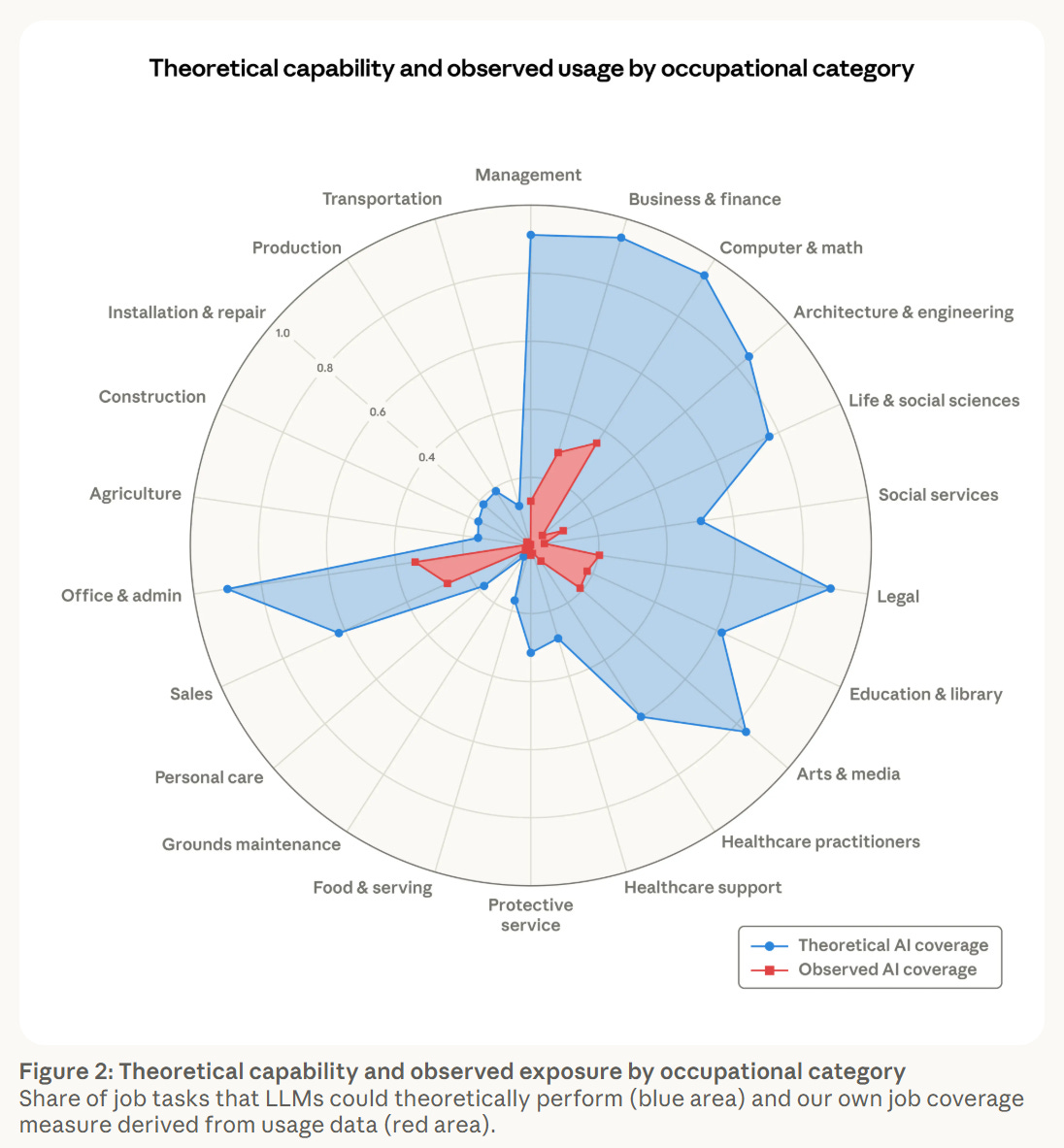
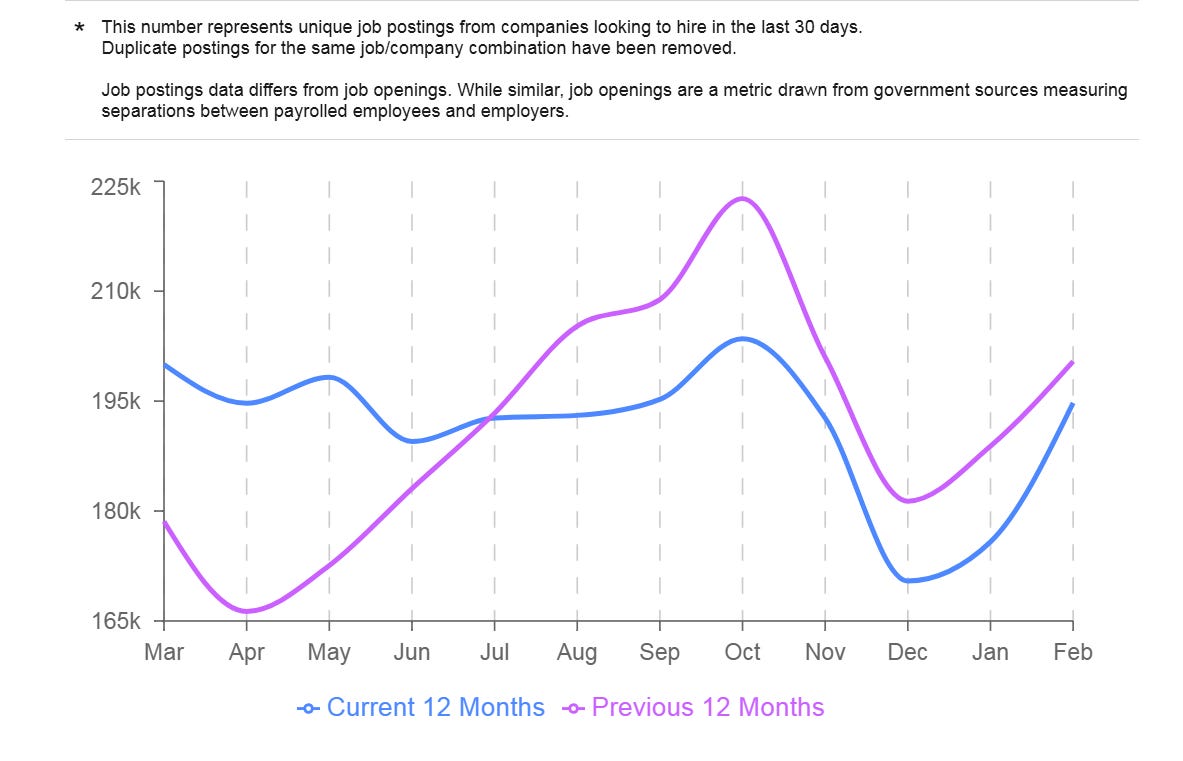
Data from labor market analytics firms like Lightcast and Draup provides empirical evidence for this trend. Despite concerns about AI’s impact on coding jobs, global job postings for software engineering, design, and testing roles have remained remarkably stable, with some fluctuations in periodic demand. In fact, the demand for skilled software professionals continues to be robust. For instance, OpenAI, a leading AI research company, has reported hundreds of open software engineering positions, indicating not only continued hiring but also a growing need for expertise in AI development and integration across all IT departments.
The Evolution of Skills: From Routine to Strategic
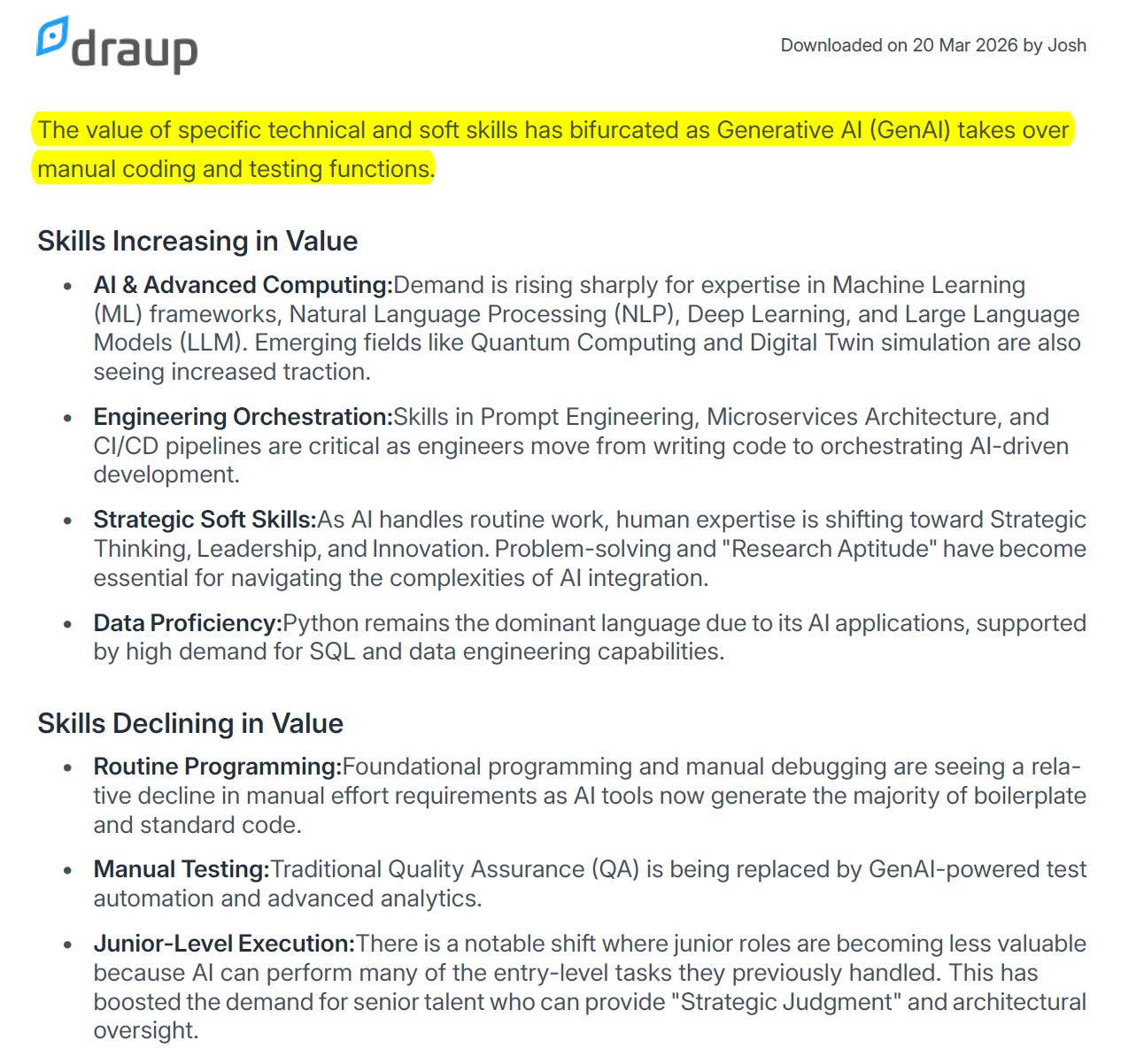
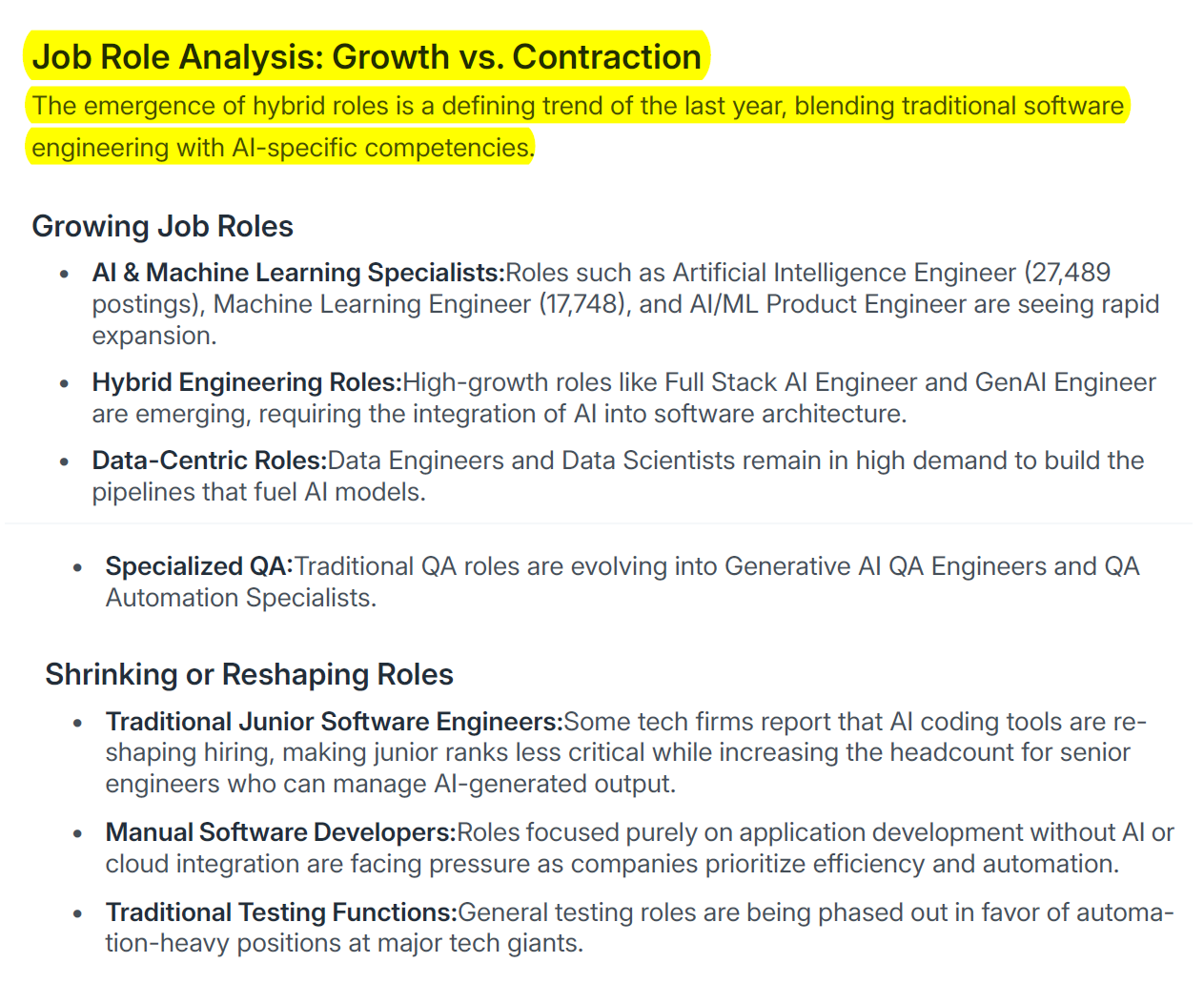
The true impact of AI on the software engineering landscape is evident in the evolving skill sets demanded by the market. Analysis of job postings reveals a gradual decline in demand for purely entry-level coding and testing tasks, which are increasingly being handled by AI. Concurrently, there is a rising demand for specialized skills related to AI and machine learning. New "Superjob" titles such as "full-stack AI engineer" and "GenAI engineer" are emerging, reflecting a need for professionals who can not only develop software but also integrate, manage, and optimize AI models within broader technological systems.
This shift is analogous to historical technological disruptions. The advent of word processors and personal computers automated the tasks of typists and steno pools in the late 20th century, but it simultaneously created new roles in digital content creation, data management, and IT support. Similarly, the proliferation of answering machines and mobile phones transformed the role of secretaries, shifting their responsibilities towards more complex administrative and organizational tasks.
The financial implications of this evolution are also noteworthy. Data indicates that salaries for software engineers have experienced significant growth, with an increase of over 15% in the last year alone. This acceleration in compensation underscores the increased value and demand for professionals equipped with AI-relevant skills and the ability to leverage AI tools effectively.
Healthcare’s AI Integration: Enhancing, Not Replacing, Professionals
The healthcare sector offers another compelling case study of AI’s role in augmenting human capabilities. The field of medical imaging, for example, has seen the integration of AI-powered diagnostic tools, leading some to predict the obsolescence of roles like X-ray technicians and diagnosticians. However, real-world data paints a different picture.
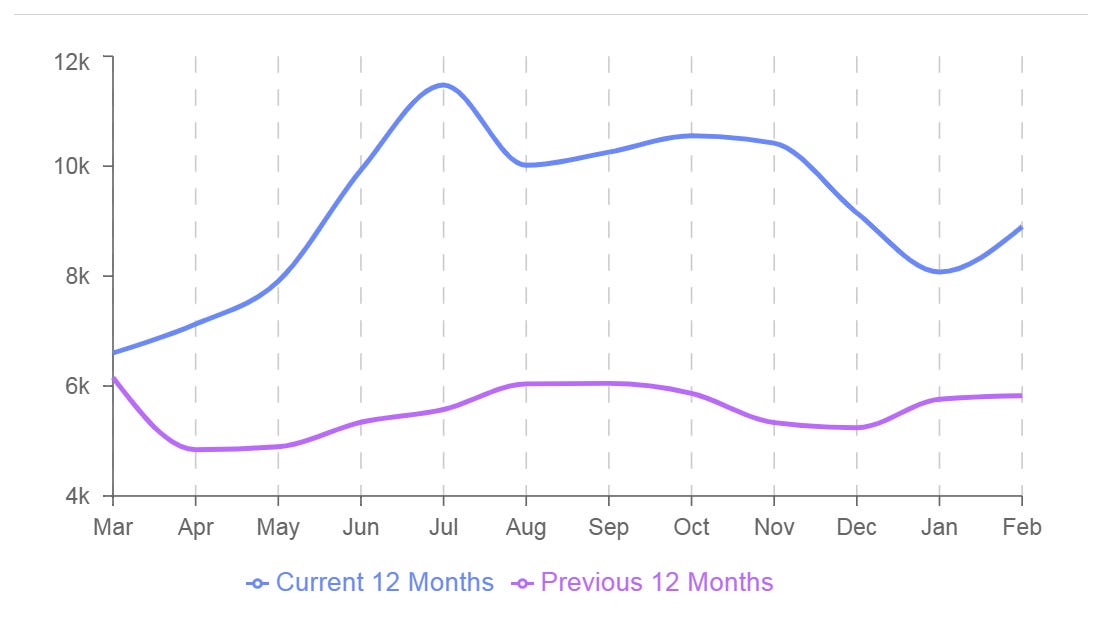
A decade ago, the rise of digital imaging and AI analysis fueled predictions of job displacement for X-ray technicians. The logic was that AI could autonomously detect anomalies in scans, rendering human interpretation redundant. Yet, job postings for imaging and medical diagnostics roles have actually seen a substantial increase, with a reported year-over-year growth of 35%, according to Lightcast data.
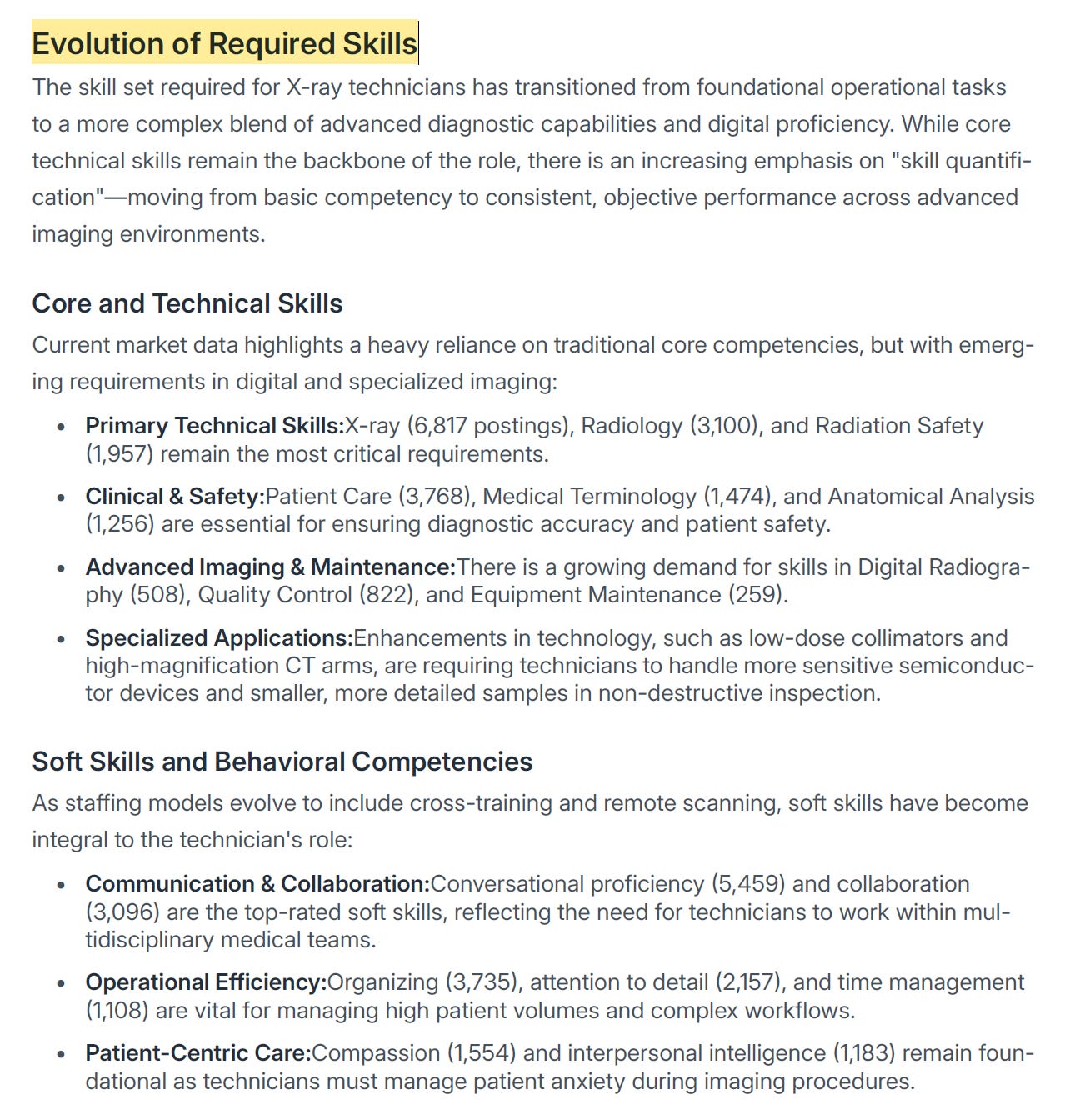
This growth is attributed to AI’s ability to enhance the efficiency and scope of diagnostic procedures. AI tools can perform initial analyses, flag potential areas of concern, and streamline the workflow, allowing human professionals to focus on more complex cases, patient interaction, and data management. The role of an X-ray technician has evolved into a more comprehensive one, encompassing advanced patient care, sophisticated equipment operation, and effective communication with both patients and physicians.
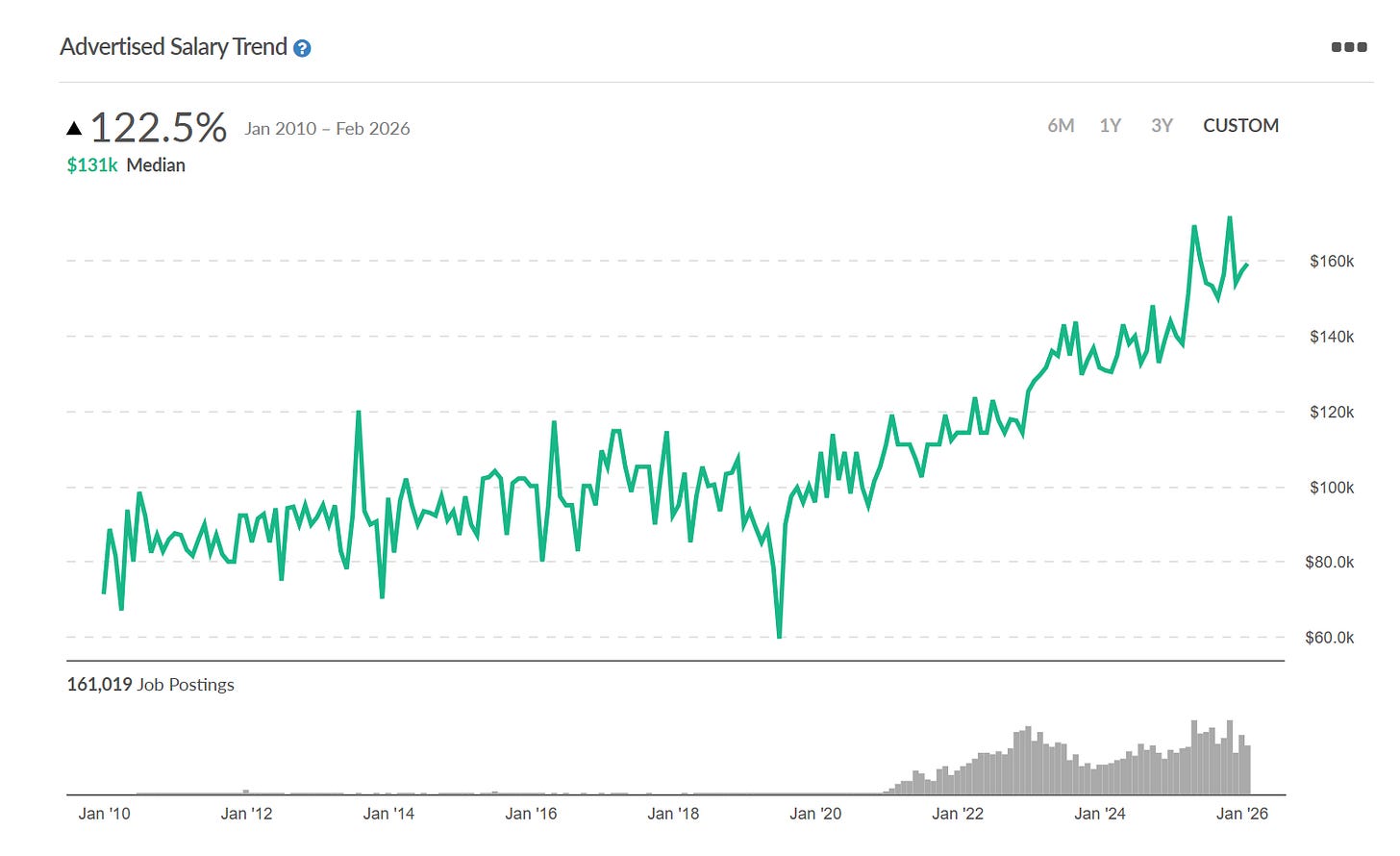
The financial impact on healthcare professionals in these roles has also been positive. While perhaps not experiencing the same exponential salary growth as software engineers, salaries for imaging and medical diagnostics professionals have shown steady climbs, reflecting the increased demand and value of their augmented skill sets.

The "Superworker" Phenomenon: Human Adaptation and Value Creation
The consistent pattern observed across industries suggests a fundamental truth: technology, including AI, does not eliminate jobs; it transforms them. This transformation is driven by inherent human qualities: adaptability and a drive to create value. As human beings, we possess an extraordinary capacity to learn and adapt, honed over millions of years of evolution. This innate ability allows us to integrate new tools and technologies, re-skill, and find new ways to contribute.

The concept of the "Superworker" emerges from this adaptive capacity. Superworkers are individuals who effectively leverage AI and other advanced technologies to enhance their performance, increase their productivity, and take on more complex and engaging tasks. They are not replaced by AI but are empowered by it.
The evolution of the X-ray technician’s role exemplifies this. Once solely focused on operating equipment and capturing images, the modern technician now plays a more integrated role. This includes managing AI-generated reports, ensuring patient comfort and understanding, and facilitating seamless communication within the healthcare system. The doctor, too, becomes a "Superworker" by utilizing AI for faster initial diagnostics, allowing for more time dedicated to patient consultation and personalized care. This symbiotic relationship between human expertise and AI capability leads to improved patient outcomes and a more efficient healthcare system.
The Economic Implications of AI-Driven Productivity
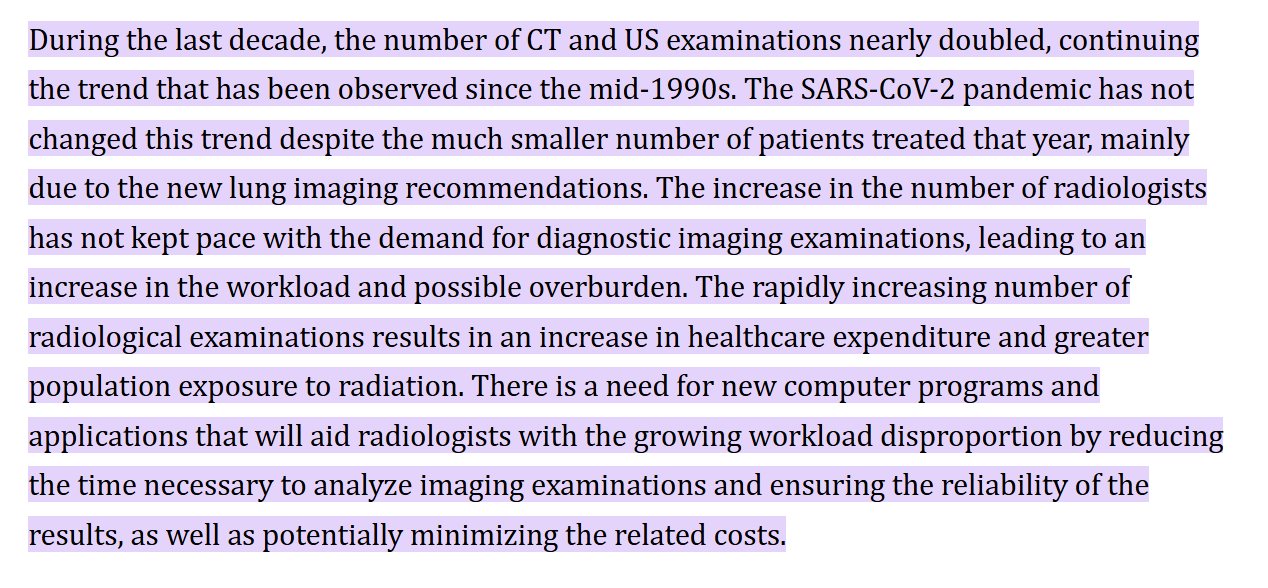
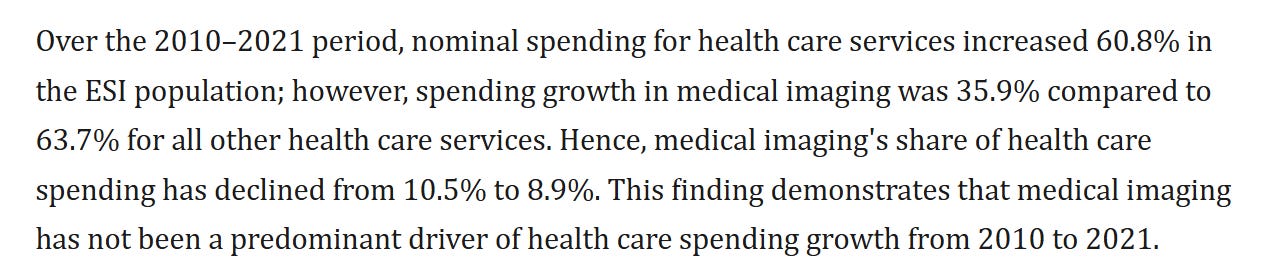
The increased efficiency and scale brought about by AI have significant economic implications. In the healthcare sector, for instance, the cost of imaging services has become more manageable relative to other soaring healthcare expenses, while the volume of procedures has increased dramatically. This cost-effectiveness, coupled with enhanced diagnostic capabilities, has led to greater accessibility and utilization of medical imaging.

This trend of AI driving scale and reducing costs while simultaneously increasing demand for human expertise is a recurring theme. It suggests that fears of mass unemployment due to AI are largely unfounded. Instead, AI is poised to liberate human workers from mundane and repetitive tasks, allowing them to focus on areas that require creativity, critical thinking, emotional intelligence, and complex problem-solving – skills that remain uniquely human.
The Future of Work: Embracing AI as an Innovation Partner
The narrative of AI as a job destroyer is a simplistic and often alarmist view. As history has repeatedly shown, technological advancements have consistently led to job evolution rather than outright elimination. The US unemployment rate, for example, has remained relatively stable for decades, demonstrating humanity’s remarkable ability to adapt to technological change.
Leaders and organizations play a crucial role in facilitating this transition. By embracing AI as a partner in innovation, companies can empower their workforce, foster new skill development, and drive significant growth. The key lies in understanding that AI is a tool to augment human capabilities, not replace them entirely.
The inherent human drive to "make things better" is a powerful force that AI can amplify. As individuals and organizations, we are constantly seeking solutions, improving processes, and creating value. AI provides a new frontier for this innovation, enabling us to tackle more ambitious projects, scale our efforts, and achieve unprecedented levels of success.
Conclusion: A New Era of "Superwork"
The prevailing discourse on AI and employment often overlooks the profound potential for job creation and enhancement. The evidence from sectors like software engineering and healthcare suggests that AI is not a harbinger of mass unemployment but rather a catalyst for the evolution of work. By automating routine tasks and augmenting human capabilities, AI is paving the way for "Superworkers" and "Superjobs," characterized by increased intellectual engagement, higher value creation, and greater professional fulfillment.
The future of work will likely involve a dynamic interplay between human ingenuity and artificial intelligence, where each complements the other to drive innovation and economic prosperity. As we navigate this evolving landscape, it is imperative to shift the focus from fear of job loss to the opportunity for job transformation, recognizing AI as a powerful tool for human advancement and a driver of a more interesting, valuable, and rewarding future of work.