
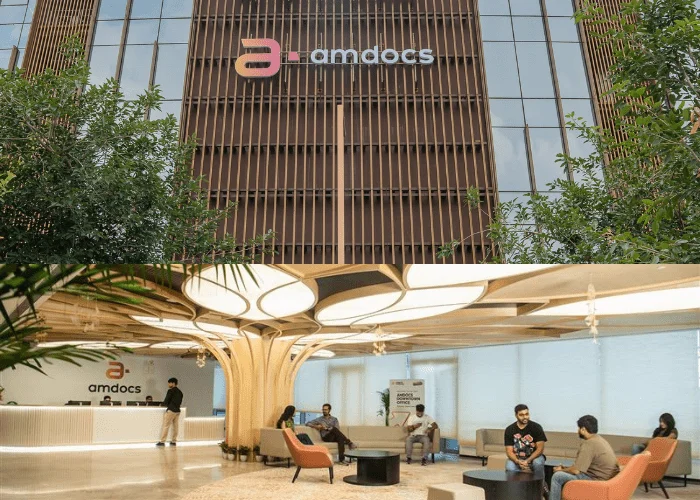
Software giant Amdocs is reportedly poised to enact a substantial global workforce reduction, preparing for a major round of layoffs as an integral component of a comprehensive reorganization and restructuring initiative under its newly appointed leadership. The company, a prominent provider of software and services to communications and media companies worldwide, currently sustains a global workforce of approximately 29,000 individuals. This imminent restructuring is projected to result in a significant reduction of its employee base, estimated to be between 7 and 10 percent. Such a percentage translates into several thousands of jobs potentially being affected across its international operations. Specifically, in Israel, where Amdocs maintains a substantial presence with approximately 5,000 employees, several hundred positions are anticipated to be eliminated as part of this strategic realignment.
This profound organizational overhaul is directly linked to the recent change in the company’s executive leadership. The restructuring follows the formal appointment of Shimie Hortig as President and Chief Executive Officer in March 2026. Hortig assumed this pivotal role subsequent to the retirement of Shuky Sheffer, who had served as the company’s long-standing leader, guiding Amdocs through various market cycles and technological shifts. Prior to his elevation to CEO, Hortig held the crucial position of heading Amdocs’ Americas Group, a testament to his deep understanding of key operational areas and market dynamics. In his new capacity, Hortig is now the primary architect driving profound changes designed to redesign the company’s fundamental operating model. The overarching objective of these changes is to enhance operational efficiency, foster greater agility, and strategically position Amdocs to capitalize on the anticipated next stage of market growth in the rapidly evolving telecommunications and media sectors.
A Pattern of Streamlining: Previous Workforce Adjustments
The forthcoming round of layoffs is not an isolated event but rather marks a continuation of a pattern of workforce adjustments that Amdocs has undertaken in recent years. This recurring theme underscores a sustained effort by the company to optimize its operational structure and adapt to changing market conditions. The chronology of these previous workforce reductions provides crucial context for understanding the current initiative:
- 2023: Amdocs executed two distinct waves of layoffs during this year, resulting in the elimination of approximately 2,700 jobs globally. A significant portion of these cuts, around 300 positions, impacted its operations in Israel. This round signaled an initial phase of strategic reassessment following a period of rapid technological evolution and shifting client demands.
- 2024: The company continued its streamlining efforts, laying off an additional 1,500 employees worldwide. These cuts indicated an ongoing commitment to efficiency and a proactive response to evolving industry landscapes.
- 2025: Further reductions were implemented, affecting several hundred more employees. This consistent trend suggests a multi-year strategy to right-size the organization and align its talent pool with strategic priorities and anticipated business demands.
Each of these prior rounds, much like the current one, was framed within the context of optimizing operations, enhancing competitiveness, and adapting to dynamic market forces. The cumulative effect of these repeated adjustments points to a fundamental shift in Amdocs’ long-term operational strategy, moving towards a leaner, more agile enterprise capable of responding swiftly to technological disruptions and customer needs.
Strategic Imperatives: The Rationale Behind the Reorganization
The latest and potentially largest round of cuts is intrinsically linked to a broader, multifaceted plan aimed at solidifying Amdocs’ global leadership position while simultaneously achieving greater operational efficiency across its diverse business units. The company has consistently affirmed that Israel, home to a significant portion of its research and development capabilities and a substantial employee base, will retain its strategic importance within its global framework. However, the precise details of how this strategic importance will manifest within the context of the ongoing restructuring, particularly concerning the allocation of resources and talent, are still undergoing finalization.
The pressures driving this restructuring are manifold, reflecting both internal corporate objectives and external market realities. Large software firms, particularly those serving the capital-intensive telecommunications industry, operate in an environment characterized by:
- Intensified Competition: The landscape of BSS/OSS (Business Support Systems/Operations Support Systems) and digital transformation solutions has become increasingly crowded. Emerging niche players, cloud-native startups, and even traditional IT service providers are vying for market share, putting pressure on established giants like Amdocs to differentiate and deliver value more efficiently.
- Technological Evolution: The rapid advancements in areas such as 5G, cloud computing, artificial intelligence (AI), machine learning (ML), and edge computing are transforming the telecommunications industry. Service providers, Amdocs’ primary clientele, are demanding solutions that are more agile, scalable, and AI-driven. This necessitates a re-evaluation of legacy systems and a significant investment in new capabilities, often requiring a reallocation of resources and a different skill set within the workforce.
- Client Cost Pressures: Telecommunications operators globally face immense pressure to reduce operational expenditures (OpEx) while simultaneously investing heavily in new network infrastructure (e.g., 5G rollout). This translates into greater scrutiny of vendor costs and a demand for highly efficient, cost-effective software and services. Amdocs, as a key partner, must align its cost structure with its clients’ economic realities.
- Macroeconomic Uncertainty: Global economic slowdowns, persistent inflation, and fluctuating interest rates can impact enterprise spending on IT services and digital transformation projects. Companies often respond to such uncertainties by tightening budgets and prioritizing core strategic initiatives, making efficiency gains paramount for their suppliers.
- Shareholder Expectations: Publicly traded companies like Amdocs are under constant pressure from investors to demonstrate consistent growth, profitability, and effective capital management. Streamlining operations and reducing costs are frequently employed strategies to meet or exceed these investor expectations, especially in periods of market volatility.
Leadership’s Vision: Redesigning for the Future
Shimie Hortig’s appointment as CEO signals a decisive pivot for Amdocs. His mandate is not merely to cut costs but to fundamentally redesign the company’s operating model. This likely involves:
- Streamlining Decision-Making: Reducing bureaucratic layers to accelerate product development and market responsiveness.
- Focusing on Core Competencies: Potentially divesting non-core assets or discontinuing less profitable ventures to concentrate resources on high-growth areas like 5G monetization, cloud migration, and AI-driven automation.
- Enhancing Global Collaboration: Optimizing talent deployment across different geographies to leverage diverse skill sets and achieve economies of scale.
- Driving Digital Transformation Internally: Adopting advanced tools and methodologies (e.g., DevOps, Agile) within Amdocs itself to improve software delivery and service execution.
This proactive approach aims to prepare Amdocs for what it perceives as the "next stage of market growth." This future growth is likely predicated on the widespread adoption of 5G technologies, the expansion of cloud-native network functions, and the increasing demand for data-driven insights and personalized customer experiences facilitated by AI. To remain at the forefront of these trends, a leaner, more focused, and technologically advanced organization is deemed essential.
Impact and Implications: A Broader Perspective
Naturally, the ongoing and impending layoffs contribute significantly to a climate of uncertainty for Amdocs’ employees globally. Such widespread workforce reductions invariably affect employee morale, can lead to concerns about job security, and may even impact the company’s ability to attract and retain top talent in certain specialized fields if not managed carefully with clear communication and support structures.
From a broader industry perspective, Amdocs’ actions mirror a trend observed across the technology sector in recent years. Many large tech companies, after periods of aggressive hiring during the pandemic-driven digital boom, have recalibrated their workforces. Giants in social media, cloud computing, and enterprise software have all announced significant layoffs, often citing the need for greater efficiency, a focus on core strategic areas, and adjustments to a more challenging macroeconomic environment. This collective trend suggests a period of consolidation and strategic re-evaluation within the tech industry as it matures and adapts to new realities.
For Israel’s vibrant tech sector, the cuts at Amdocs, even if several hundred strong, represent a notable event. Amdocs has long been a foundational employer and a significant contributor to the country’s high-tech ecosystem, serving as a talent incubator for many professionals. While the Israeli tech market has demonstrated resilience, repeated layoffs from major players like Amdocs could lead to a temporary saturation of the talent pool in certain areas, though highly skilled professionals generally find new opportunities relatively quickly. The company’s reaffirmation of Israel’s strategic importance suggests that key R&D and innovation hubs will likely be preserved, albeit with potentially optimized team sizes.
Official Communication and Stakeholder Response
While Amdocs has not yet released specific details regarding the exact number of positions to be cut in each region or the specific timelines, the company’s public statements typically emphasize the strategic necessity of these moves. The general messaging focuses on "strengthening global leadership" and "streamlining operations" to ensure long-term competitiveness and growth. This corporate communication strategy aims to reassure investors and clients that the company is taking decisive steps to secure its future, even while acknowledging the difficult decisions involved.
Employee reactions, while not officially published, can be inferred. In many countries, particularly in Israel, large companies have established workers’ committees or employee representation bodies. These bodies typically engage in discussions with management regarding layoff plans, severance packages, and support for affected employees. The repeated nature of these layoffs, while potentially creating fatigue, also suggests that internal communication channels and support mechanisms may have been refined over time. Amdocs would be expected to offer comprehensive severance packages, outplacement services, and other forms of support to assist affected employees in their transition.
Conclusion: Navigating a New Era
Amdocs’ impending major workforce reduction is a critical development, signaling a significant strategic shift for the software giant. Driven by new leadership and a clear mandate to redesign its operating model, these changes are deeply rooted in the evolving dynamics of the telecommunications and media markets, characterized by intense competition, rapid technological advancements, and persistent client cost pressures. The layoffs, while having a direct human impact and creating uncertainty for thousands of employees globally, are presented as a necessary step to enhance the company’s agility, improve operational efficiency, and secure its competitive edge in the next phase of market growth. As Amdocs navigates this challenging but potentially transformative period, the industry will closely watch how these strategic adjustments translate into renewed innovation, strengthened market position, and sustainable growth in the years to come.








