The rapid evolution of the global workforce, catalyzed by technological advancements and the necessity of remote operations, has irrevocably altered traditional organizational structures. Where once a manager could observe and acknowledge the efforts of their team members in a shared physical space, the advent of hybrid and fully remote models has created significant blind spots. This paradigm shift underscores a critical challenge for human resources and leadership: how to foster a pervasive culture of appreciation and engagement when direct oversight is diminished. Peer-to-peer (P2P) recognition software emerges not merely as a beneficial tool, but as an essential infrastructure for cultivating a vibrant, connected, and productive work environment in this new reality.
The Engagement Crisis: Data-Driven Insights
The inability of conventional recognition methods to adapt to the modern workplace has profound implications for employee morale and retention. The 2026 Engagement and Retention Report starkly reveals that a mere 25% of employees feel genuinely appreciated or engaged at work. Even more concerning, fewer than half of the workforce envision a long-term future with their current organization. This disengagement is a silent but potent threat to organizational stability and growth, leading to higher turnover rates, decreased productivity, and a tangible impact on the bottom line. Research by Gallup consistently shows that disengaged employees cost the global economy trillions annually, primarily through lost productivity.

Conversely, the report highlights a compelling correlation: employees who do feel appreciated are dramatically more connected, motivated, and likely to remain with their employer. Appreciation is linked to a staggering 17x increase in the likelihood of employees seeing a long-term career path at their company. This isn’t just about feeling good; it’s about establishing a deep sense of belonging and value that translates into loyalty and sustained effort. Psychologically, recognition fulfills a fundamental human need for validation and significance, reinforcing positive behaviors and creating a virtuous cycle of contribution and appreciation. This data makes a clear business case: investing in effective recognition is not a luxury, but a strategic imperative for talent management and organizational resilience.
Understanding Peer-to-Peer Recognition Software
At its core, peer-to-peer recognition software is purpose-built to empower employees to acknowledge and appreciate one another for meaningful contributions, collaborative efforts, and embodiment of company values. This recognition can occur in real-time and at scale, transforming appreciation from an occasional, top-down event into an organic, everyday practice. Unlike traditional recognition programs that often rely on annual reviews, manager discretion, or formal award ceremonies, P2P software reflects the authentic dynamics of how work actually unfolds.
These platforms capture the spontaneous moments that managers might miss: a colleague stepping in to assist with a tight deadline, a cross-functional team member providing invaluable support, or the quiet, consistent effort that keeps projects moving forward. By making these moments visible and celebratable, P2P software performs three essential functions:
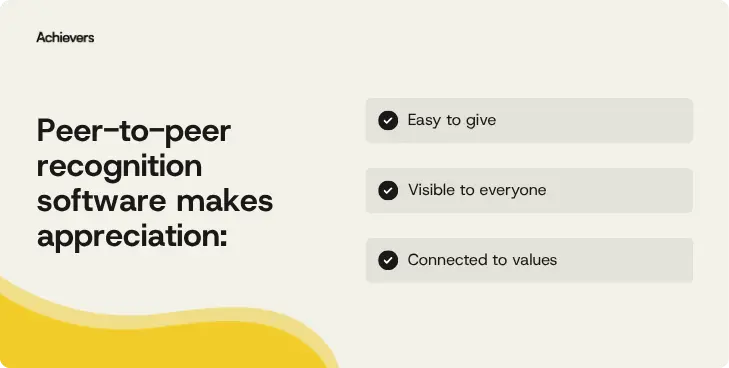
- Enables Real-time Appreciation: Facilitating immediate feedback and gratitude, reinforcing desired behaviors when they happen.
- Amplifies Company Values: Allowing recognition to be directly tied to specific organizational values, translating abstract principles into tangible actions.
- Fosters a Culture of Connection: Creating a public forum for praise that strengthens team bonds and organizational belonging.
When executed effectively, P2P recognition software transforms everyday appreciation into a shared, repeatable habit, deeply embedding it within the company culture rather than relegating it to a "nice-to-have" afterthought.
Bridging the Distance: P2P in Hybrid and Remote Environments
The transition to hybrid and remote work models has profoundly altered the landscape of employee interaction, making peer-to-peer recognition software an indispensable tool. The serendipitous "hallway conversations" or shared office moments where informal appreciation once thrived have largely disappeared. Employees continue to collaborate, support one another, and solve complex problems, but without a dedicated mechanism, many of these crucial contributions go unnoticed and unacknowledged. This visibility gap can lead to feelings of isolation and a diminished sense of impact among distributed teams.
Peer-to-peer recognition software directly addresses this challenge by providing a digital conduit for appreciation, helping to bridge geographical and temporal distances. It achieves this by:
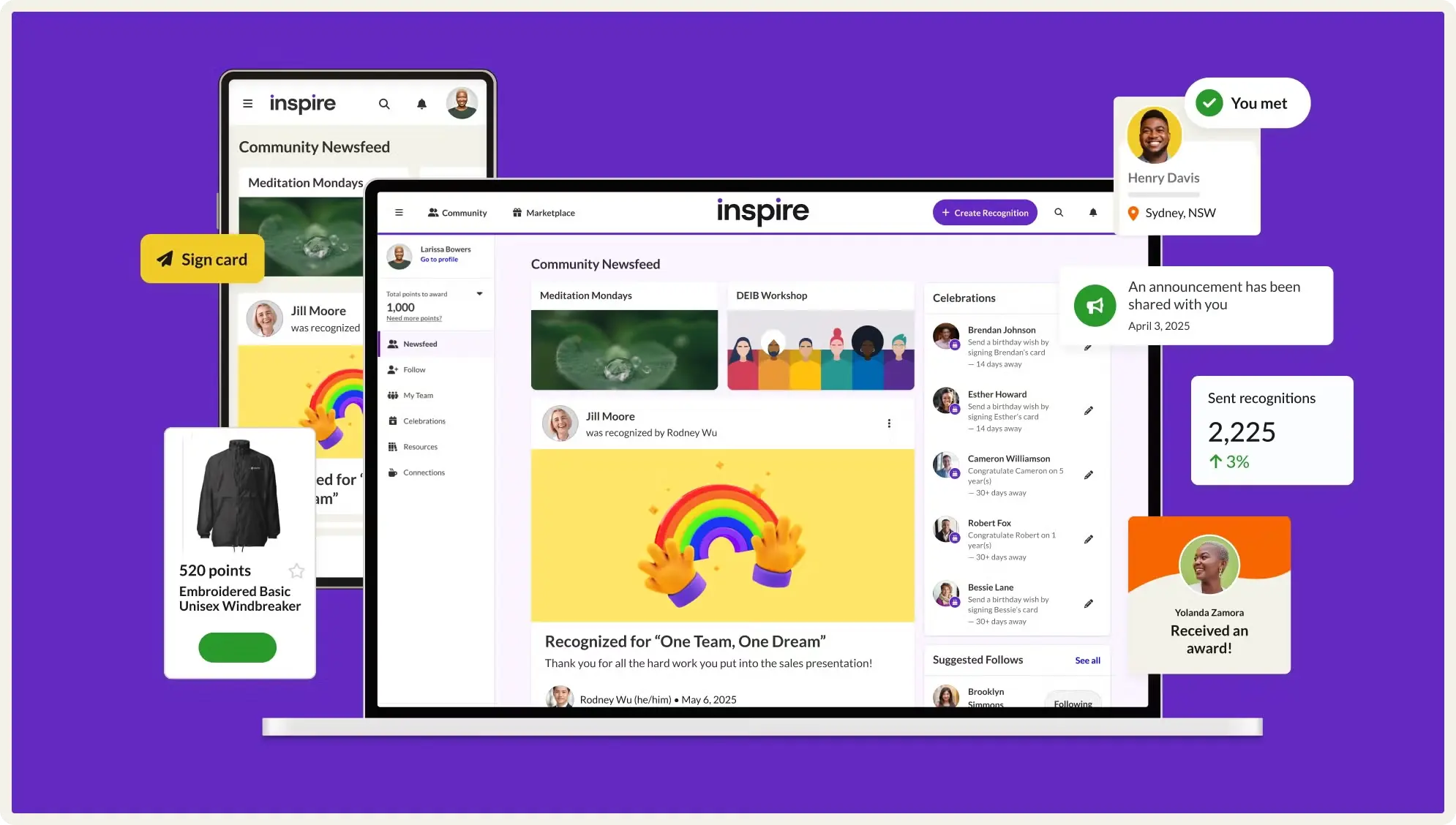
- Making Contributions Visible: Creating a public feed or dedicated space where acts of appreciation are shared across teams, ensuring that good work, regardless of where it occurs, is seen and celebrated.
- Enhancing Connection and Belonging: Fostering a sense of community by allowing employees to interact positively, reinforcing team bonds and reminding individuals they are part of a larger, valued collective.
- Reinforcing Culture Across Locations: Ensuring that company values are actively lived and celebrated, irrespective of an employee’s physical location, thus maintaining cultural cohesion across distributed workforces.
- Driving Engagement and Motivation: Providing consistent positive reinforcement that combats the potential isolation of remote work, keeping employees motivated and invested in their roles.
Achievers Workforce Institute (AWI) data underscores this impact, revealing that employees who feel appreciated are significantly more likely to feel connected to colleagues, aligned with company values, and motivated to stay. In distributed environments, P2P recognition transforms into one of the most effective strategies for cultivating these vital signals of belonging and shared purpose, preventing talent drain and fostering a resilient organizational culture.
Tangible Benefits: Beyond Good Feelings
When organizations strategically invest in and implement the right peer-to-peer recognition software, the positive ripple effects are swift and enduring. It’s more than just a morale booster; it’s a catalyst for operational excellence and strategic talent management. The State of Recognition Report from AWI found that employees recognized at least weekly are an astounding 9x more likely to feel a strong sense of belonging and 6x more likely to envision a long-term future with their organization. This translates into concrete business advantages:
-
Higher Morale and Engagement: Peer recognition is uniquely impactful because it’s timely, personal, and grounded in the authentic, day-to-day realities of work. Unlike formal, infrequent acknowledgments, P2P recognition celebrates efforts as they happen, making employees feel genuinely seen and valued for their ongoing contributions, not just major milestones. This consistent positive reinforcement fuels intrinsic motivation and fosters a more positive work atmosphere.
-
Stronger Retention: Appreciation is a powerful driver of loyalty. When employees feel meaningfully recognized and valued, they develop a deeper commitment to their organization. This significantly reduces the likelihood of them seeking opportunities elsewhere. While compensation remains a critical factor, a culture of appreciation acts as a powerful non-monetary incentive, making the workplace a place worth staying for and reducing the substantial costs associated with employee turnover.
-
Clearer Values in Action: Company values should not be confined to mission statements or corporate posters. P2P recognition software provides a dynamic platform for these values to be visibly demonstrated and reinforced daily. By enabling employees to tag recognition moments with specific company values, the software transforms abstract principles into tangible, celebrated behaviors. This organic reinforcement ensures that values are not just understood, but actively lived and embodied by the workforce.
-
More Connected Cultures: In fragmented work environments, P2P recognition software acts as a social glue. A simple thank-you or shout-out doesn’t just reach the recipient; it often ripples across teams, creating shared moments of positivity. This public display of appreciation strengthens interpersonal bonds, fosters team cohesion, and cultivates a collective sense of purpose, ensuring that even geographically dispersed teams feel aligned and part of something greater.
-
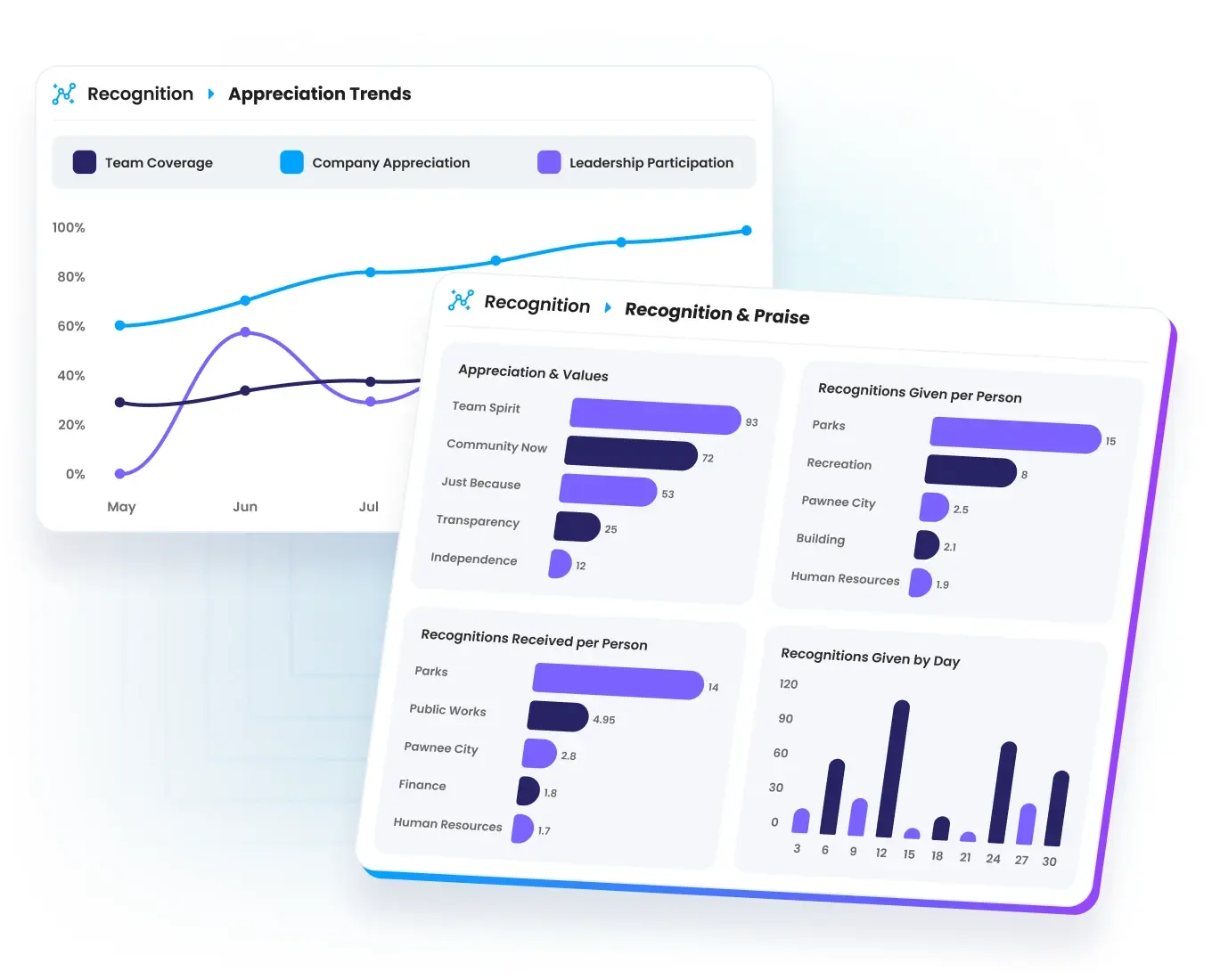
Better Insight into Performance Drivers: Far from being anecdotal, P2P recognition data provides invaluable insights for leaders. Over time, the accumulated recognition data reveals patterns in employee behavior: which contributions are most valued, where collaboration is thriving, and what specific actions are genuinely driving results. This real-time, ground-up feedback offers a unique "culture intelligence," allowing HR and leadership to understand the pulse of the organization, identify high-impact behaviors, and pinpoint areas where engagement or support might be lacking, replacing guesswork with data-driven strategic decisions.
Critical Evaluation Criteria for P2P Platforms
The market for peer-to-peer recognition software is robust, yet not all platforms are created equal. Organizations, especially those with distributed teams, must meticulously evaluate solutions to ensure they align with strategic goals and workforce realities. A comprehensive evaluation framework focuses on core features that differentiate tools that merely enable recognition from those that truly embed it into the company’s DNA.
-
Rewards and Recognition Options: The efficacy of a P2P platform hinges on how recognition is reinforced. Key considerations include:
- Monetary vs. Non-monetary Rewards: Does the platform offer a flexible range, from points and gift cards to unique experiential rewards?
- Customization of Rewards: Can organizations tailor reward catalogs to align with their budget and employee preferences?
- Managerial Oversight: Are there mechanisms for managers to contribute to rewards or recognize top performers?
- Global Scalability: For international teams, does the rewards system account for currency, cultural preferences, and local regulations?
The best platforms ensure rewards amplify, rather than overshadow, the recognition itself, making appreciation meaningful and equitable across diverse roles and locations.
-
Platform Integrations and Usability: Recognition only works if it’s effortless and integrated into existing workflows. Evaluate:
- Integration with Collaboration Tools: Seamless connectivity with platforms like Microsoft Teams, Slack, and Google Workspace.
- HRIS Integration: Ability to sync with Human Resources Information Systems (HRIS) for employee data management.
- Mobile Accessibility: Intuitive and feature-rich mobile applications for on-the-go recognition.
- User Interface (UI) and Experience (UX): Is the platform intuitive, engaging, and easy for all employees to navigate, minimizing friction?
Platforms that require employees to leave their primary workflow or remember a separate login often see low adoption rates. The ideal solution meets employees where they work, facilitating recognition as a natural extension of daily tasks.
-
Customization and Values Alignment: For recognition to shape culture, it must reinforce what genuinely matters to the organization. Consider:
- Custom Recognition Badges/Tags: Can organizations create unique tags or badges aligned with their specific company values, goals, or initiatives?
- Branding Options: Does the platform allow for customization with company logos, colors, and messaging to feel like an internal tool?
- Campaign Management: Can specific recognition campaigns be launched to highlight particular values or achievements?
- Flexibility in Program Design: Does the platform support different recognition program structures (e.g., peer-to-peer, manager-to-peer, peer-to-manager)?
Values-aligned recognition transforms abstract principles into visible, repeatable behaviors, demonstrating "what good looks like." Generic praise, while pleasant, rarely drives long-term cultural impact.
-
Real-time Recognition and Analytics: Modern P2P software should offer actionable insights, not just activity reports. Look for:
- Real-time Activity Feeds: A dynamic feed that displays recognition as it happens, fostering immediate celebration.
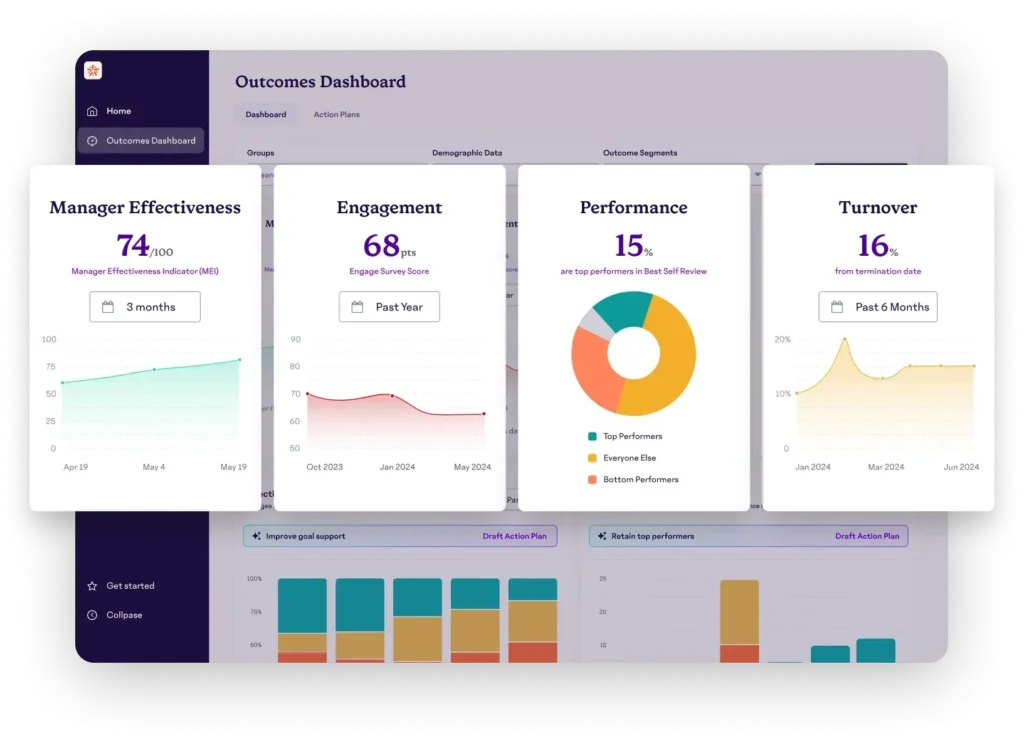
- Comprehensive Reporting Dashboards: Tools for HR and leaders to track recognition frequency, participation rates, and sentiment.
- Behavioral Insights: Analytics that reveal which values are most frequently recognized, who is being recognized (and by whom), and potential areas for intervention.
- Impact Measurement: The ability to correlate recognition data with other HR metrics like retention, engagement survey results, or performance reviews.
Real-time feedback reinforces desired behaviors instantly, while robust analytics empower leaders to make informed decisions, transforming recognition from a "feel-good" initiative into a measurable, strategic asset.
Comparative Analysis: Leading Peer-to-Peer Recognition Solutions
The market offers a diverse array of peer-to-peer recognition software, each with distinct strengths tailored to different organizational needs. For U.S. organizations navigating hybrid models and rising expectations around culture and engagement, selecting the right solution is paramount. This comparison reviews leading platforms actively used by U.S. organizations, focusing on those that offer a dedicated P2P recognition experience rather than a minor feature within a broader suite.
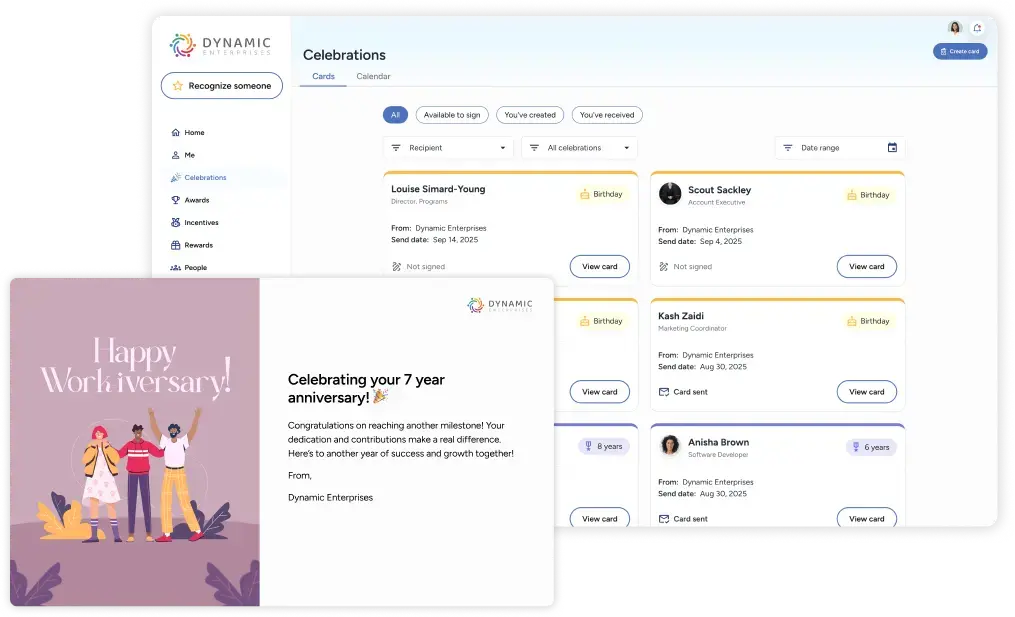
1. Achievers
Best for: Organizations that want peer-to-peer recognition to drive culture, connection, and measurable results—not just activity.
Achievers is built to make recognition a daily habit. P2P recognition is deeply embedded, allowing real-time, values-tied recognition visible across the organization. It balances ease of use for employees with meaningful impact for recipients and insightful analytics for leaders. Integrations with platforms like Microsoft Teams and Slack, alongside core HR systems, ensure recognition flows within the work environment, while robust analytics help leaders understand behavioral reinforcement and engagement gaps. Its comprehensive approach aims to make appreciation both human and strategic.
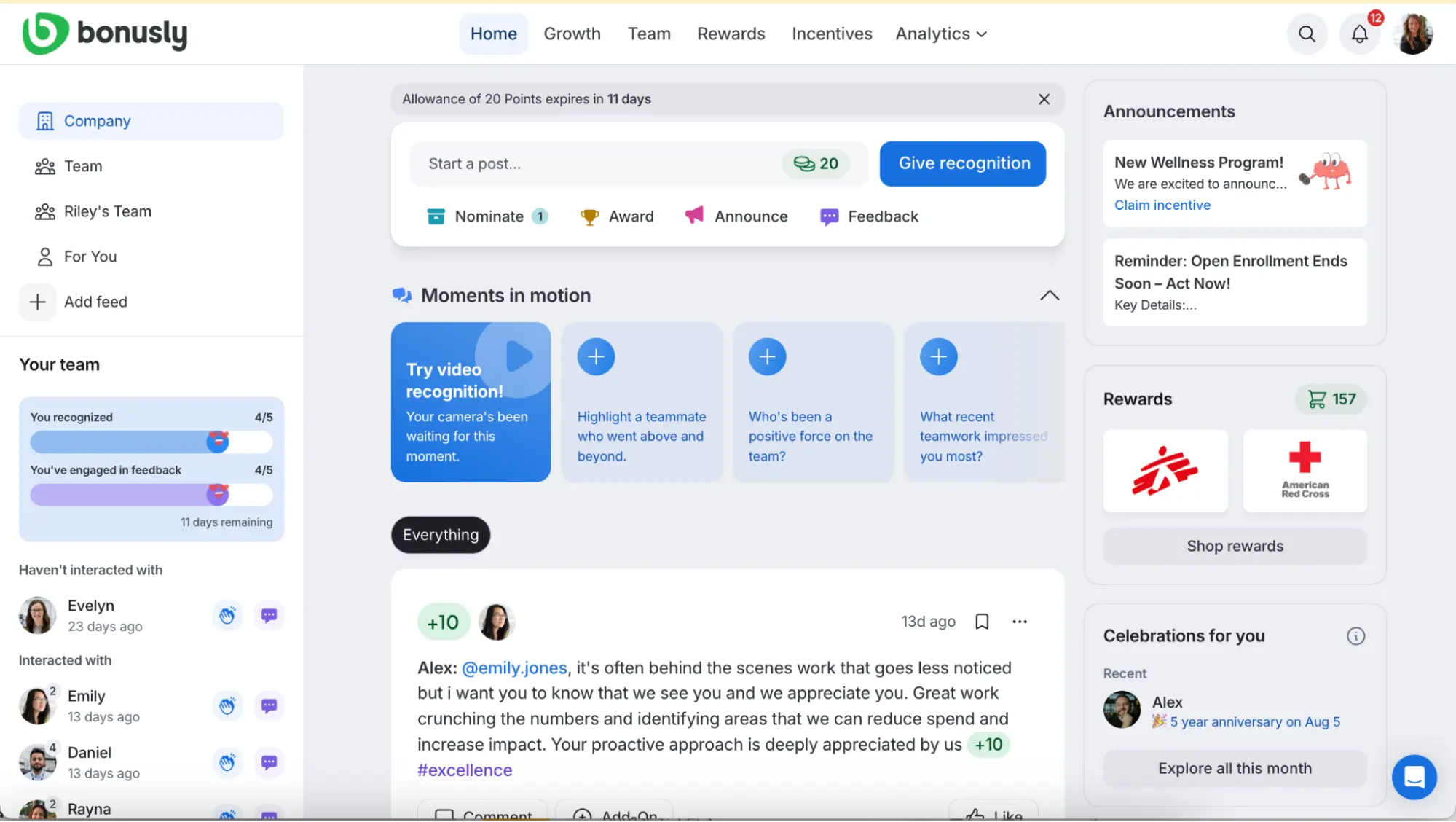
2. Bonusly
Best for: Teams that want a lightweight, social approach to peer recognition.
Bonusly is recognized for its simple, points-based P2P model. Employees allocate small amounts of points to colleagues, redeemable for rewards, often integrated directly within chat tools. Its fast, friendly, and informal experience promotes easy adoption and frequent appreciation, particularly appealing to tech-forward teams. However, organizations seeking deep customization, advanced analytics, or robust values reinforcement at scale may find its capabilities somewhat limited.
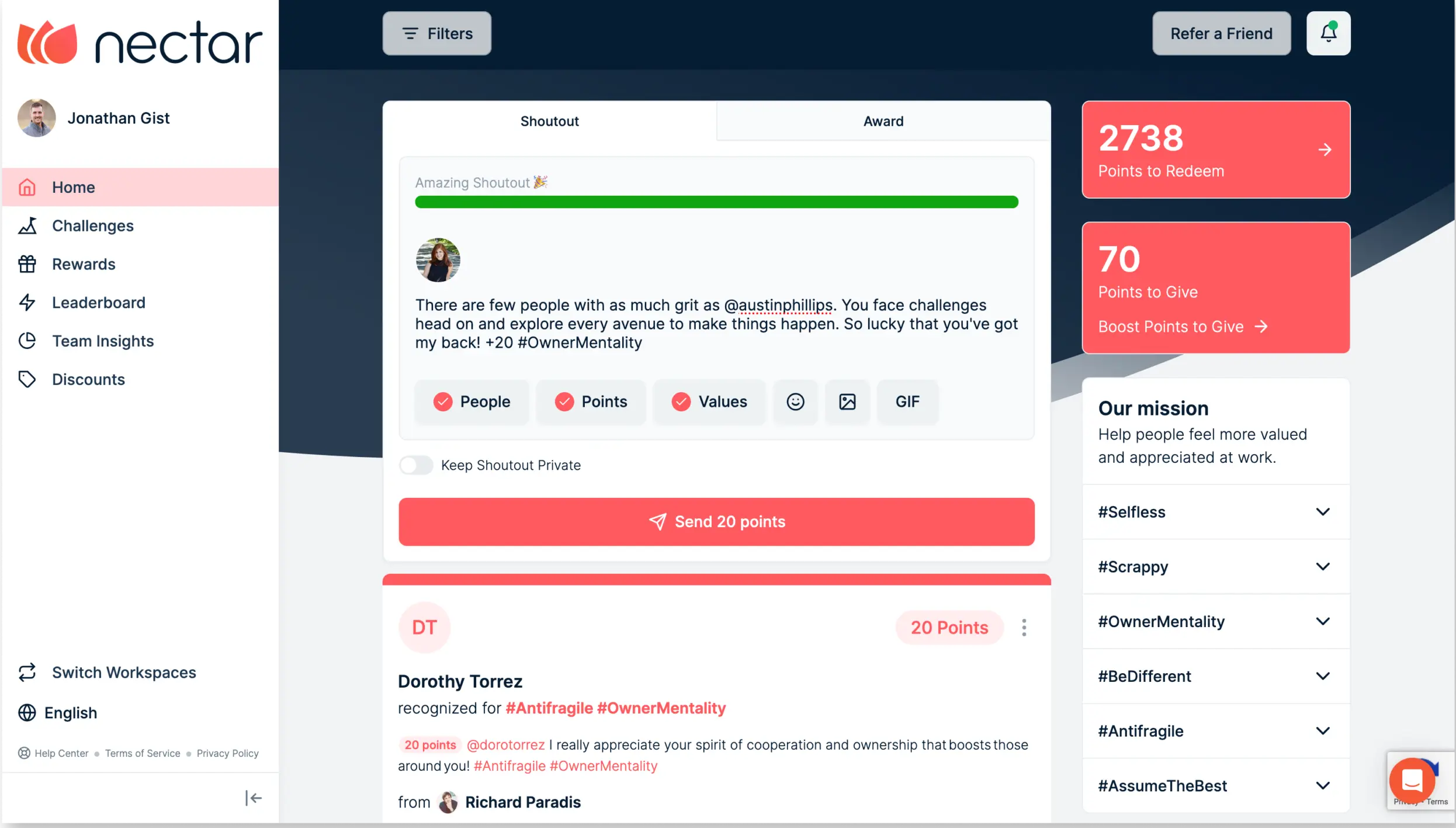
3. Nectar
Best for: Companies that want value-based peer recognition with a strong social feed.
Nectar emphasizes public, values-driven recognition, displayed prominently through a social feed that enhances visibility. P2P recognition is central, supported by points, rewards, and integrations with common collaboration tools. It excels in fostering visibility and participation, making appreciation social and values-oriented, thereby reinforcing culture in everyday interactions. Some organizations might desire more flexibility in program design or deeper behavioral insights over time.
4. Motivosity
Best for: Culture-driven organizations that want peer recognition to feel community-led.
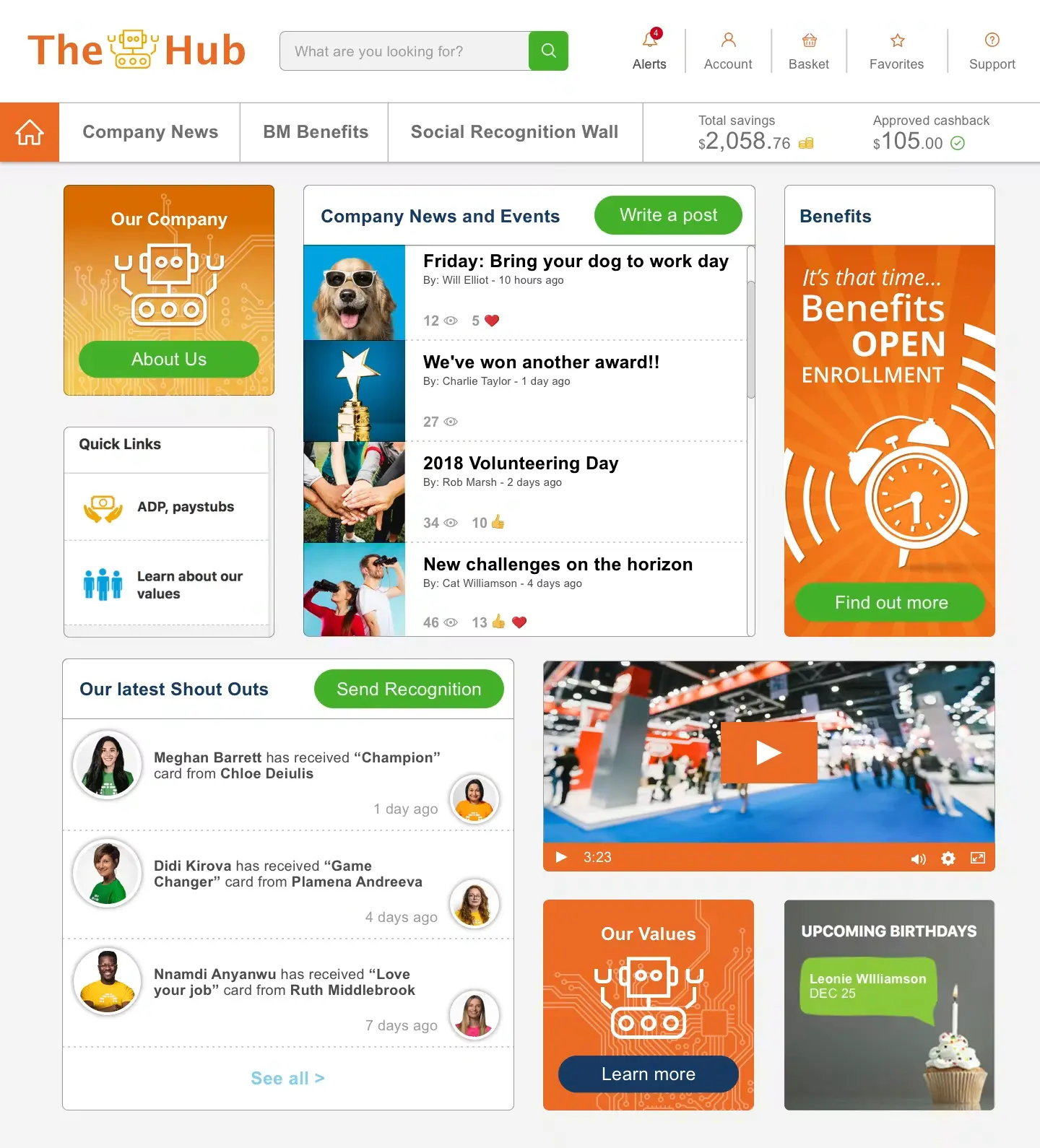
Motivosity combines P2P recognition with social features aimed at building connection and belonging. Live feeds, shoutouts, and community-style interactions encourage open and frequent employee recognition. While strong in participation and visibility, its focus on communal interaction means organizations requiring more advanced reporting or tighter integration with performance management strategies might need complementary tools.
5. Kudos
Best for: Teams looking for structured, public peer recognition tied to communication.
Kudos focuses on public shout-outs and structured recognition moments designed for easy sharing across teams. P2P recognition is highly visible, supported by analytics that track engagement and participation. It is well-suited for organizations prioritizing clear communication and consistency in their recognition efforts, effectively reinforcing appreciation across the organization. Reward flexibility and the depth of integrations can vary based on specific use cases.
6. Reward Gateway
Best for: Organizations looking to combine peer-to-peer recognition with a broader employee engagement and rewards ecosystem.
Reward Gateway integrates P2P recognition with a comprehensive hub for rewards, perks, and benefits. Following its acquisition of Fond, it enhanced its recognition capabilities, particularly in North America, by pairing social recognition with an extensive rewards and discounts marketplace. This platform is ideal for organizations that prefer recognition to coexist with wellbeing, benefits, and communications within a single, unified destination, making appreciation tangible while supporting a wider employee experience strategy.
7. HeyTaco
Best for: Small teams that want playful, informal peer recognition.
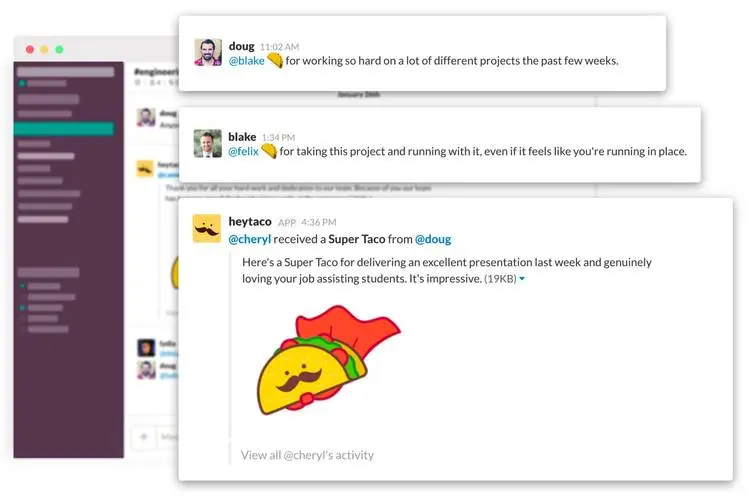
HeyTaco leverages a lighthearted "taco" currency to encourage daily acts of appreciation. P2P recognition is fun, fast, and intentionally low-stakes, making it easy to build momentum and boost participation. It’s particularly effective for fostering engagement in smaller, more informal teams, though it may not be suitable for organizations seeking structured programs or detailed analytical insights.
8. Bucketlist
Best for: Companies focused on automated recognition and milestones.
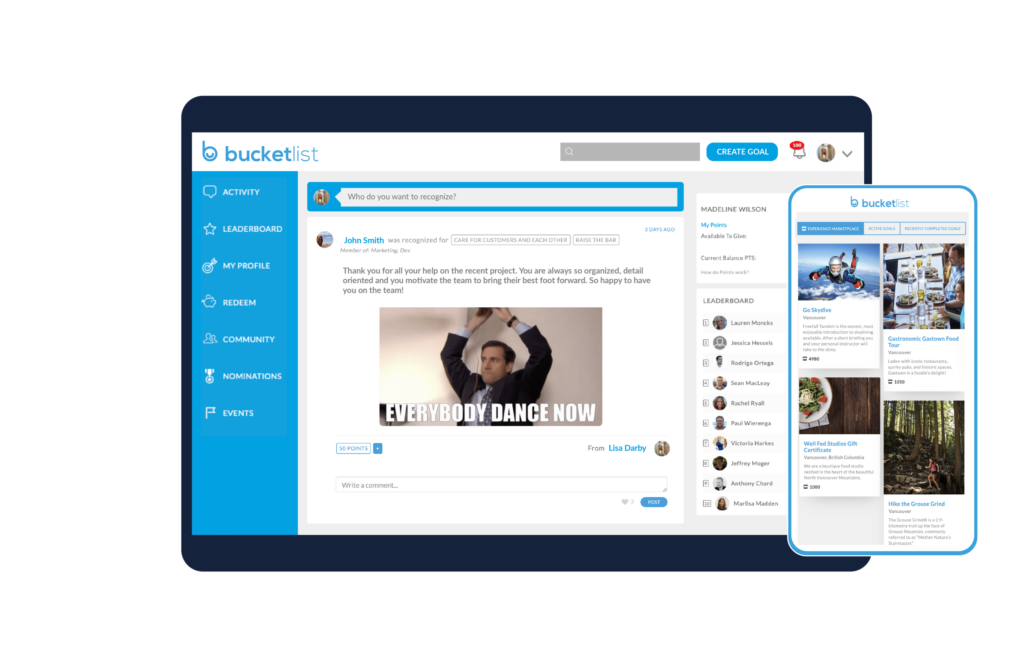
Bucketlist specializes in automating recognition for milestones and achievements, with P2P recognition playing a supportive role. It is often chosen by teams prioritizing simplicity and efficiency in their recognition efforts over extensive customization. Organizations aiming for deep, peer-driven culture change might find that it requires additional tools or more extensive configuration to fully meet their needs, as its emphasis on values in peer recognition is limited.
9. 15Five
Best for: Organizations that want peer recognition embedded into performance management.
15Five integrates P2P "high-fives" directly within its broader continuous feedback and performance management platform. Recognition here serves to support check-ins, goal achievement, and engagement conversations rather than standing as a standalone program. This approach benefits teams already deeply invested in performance workflows, allowing recognition to reinforce appreciation alongside professional growth, though recognition might feel secondary to the feedback loop.
Strategic Takeaways and Future Outlook
Every platform reviewed here facilitates peer-to-peer recognition, yet their approaches and ultimate impacts vary significantly. Some prioritize ease of use and speed, while others excel in social visibility or extensive reward ecosystems. A select few, exemplified by Achievers, go further by deeply embedding recognition with core company values, offering meaningful rewards, and providing actionable insights that can scale across large and complex organizations.
The optimal choice of P2P recognition software hinges entirely on an organization’s specific strategic objectives. Does the aim to merely spark frequent, authentic appreciation? Or is it to profoundly reinforce desired behaviors, strengthen connections across an increasingly distributed workforce, and empower leaders with data-driven insights? Effective recognition is not accidental; it is a carefully cultivated, intentional strategy. By aligning the chosen platform with these overarching goals, organizations can transform simple acts of appreciation into a powerful force for engagement, retention, and sustained cultural excellence, thereby future-proofing their most valuable asset: their people.