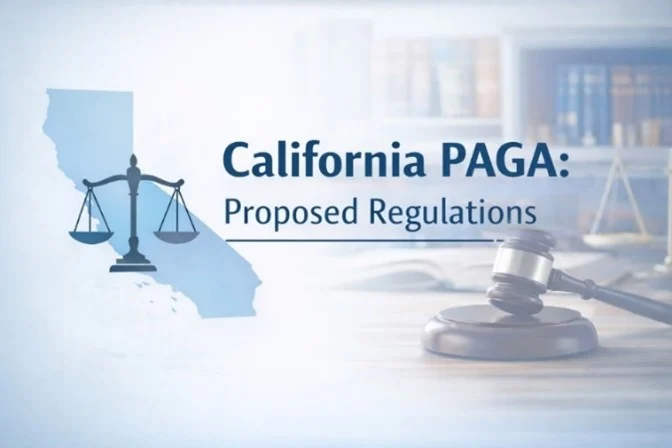
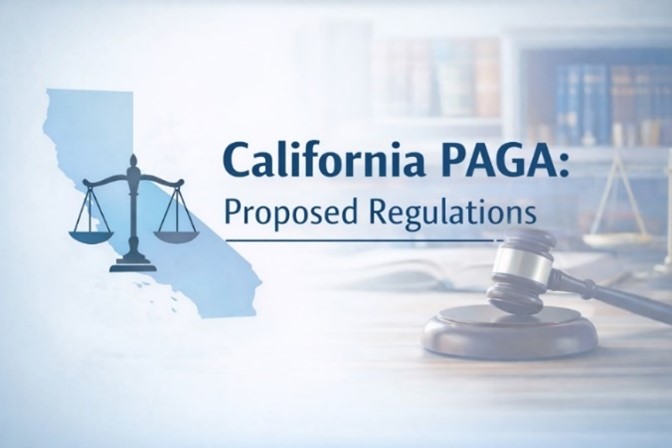
The California Labor and Workforce Development Agency (LWDA) has officially moved into the next phase of regulatory reform for the Private Attorneys General Act (PAGA), issuing a Notice of Proposed Rulemaking on February 6, 2026. This initiative follows the landmark legislative amendments passed in 2024 and seeks to refine the administrative requirements and procedures that govern one of California’s most contentious labor laws. By introducing standardized forms, stricter certification requirements, and enhanced oversight of settlements, the LWDA intends to bring transparency and efficiency to a system that has long been criticized for its complexity and high volume of litigation.
The proposed regulations arrive at a critical juncture for California’s legal landscape. For over two decades, PAGA has allowed aggrieved employees to act as private attorneys general, seeking civil penalties for Labor Code violations that were traditionally the purview of the state. While the 2024 reforms were intended to curb the "litigation explosion" associated with the act, recent data suggests that the volume of filings remains high, prompting the LWDA to intervene with more granular administrative controls.
Historical Context: The Path to the 2026 Rulemaking
To understand the significance of the LWDA’s proposed rules, one must look back at the evolution of PAGA. Enacted in 2004, the Private Attorneys General Act was designed to supplement the state’s limited enforcement resources by incentivizing private counsel to pursue labor violations. Under the original framework, 75% of recovered civil penalties went to the LWDA, while 25% went to the affected employees.
Over the years, PAGA became a primary vehicle for employment litigation in California, often serving as an alternative to class actions, which are subject to more rigorous certification standards. However, the business community argued that the act led to "shakedown" lawsuits where minor technical errors resulted in astronomical penalties. This tension culminated in 2024 when a coalition of business groups qualified a ballot measure to repeal and replace PAGA.
In a last-minute compromise, the California Legislature passed Senate Bill 92 and Assembly Bill 2288, which preserved PAGA but introduced significant guardrails. These included more stringent standing requirements—requiring the plaintiff to have personally experienced each violation alleged—and expanded "cure" provisions that allow employers to fix errors and limit their liability. The 2026 proposed regulations represent the administrative machinery necessary to make those 2024 legislative changes operational.
Analyzing the Persistent High Volume of PAGA Filings
Despite the 2024 reforms, the LWDA’s rulemaking materials reveal that the flood of PAGA notices has not abated. During the 2024–2025 fiscal year, the agency recorded 8,846 PAGA notices. A key concern highlighted by the LWDA is that many of these notices remain "boilerplate," relying on generalized allegations that lack specific factual details regarding the individual claimant’s experience.
Perhaps more striking is the concentration of these filings among a small subset of the legal profession. According to LWDA data:
- Five law firms were responsible for 2,086 PAGA notices, accounting for nearly 24% of all filings in the state.
- Several firms averaged more than one filing per day throughout the year.
- A handful of individual attorneys submitted several hundred notices each within the same 12-year period.
This concentration suggests that PAGA litigation has become a highly industrialized sector of the legal market. The LWDA’s proposed rules are specifically designed to address this "high-frequency" filing environment by demanding more accountability and evidentiary support at the earliest stages of the process.
Key Provisions of the Proposed Regulations
The proposed regulations introduce several structural changes to the PAGA administrative process, shifting from a passive notice-receipt system to a more active oversight model.
1. Mandatory Standardized Notices and Fact-Specific Allegations
Under Proposed Section 17420, the LWDA will mandate the use of a standardized form for all PAGA notices. Claimants will no longer be able to submit vague, broad-brush allegations. Instead, they must provide fact-specific details tied directly to their own employment experience. Furthermore, the notice must be signed by the claimant or their representative, certifying that a "reasonable inquiry" was conducted. This certification mirrors Rule 11 of the Federal Rules of Civil Procedure, asserting that the claims are not for an improper purpose, are legally supported, and possess evidentiary backing.
2. Formal Employer Response Mechanism
Proposed Section 17421 introduces an optional but formal mechanism for employers to respond to a PAGA notice within 33 days of receipt. This allows the employer to present evidence or arguments to the LWDA before the agency decides whether to investigate or allow the claimant to proceed to court. This "early look" is intended to filter out meritless claims before they escalate into costly litigation.
3. Formalization of the "Cure" Process for Small Employers
The 2024 reforms introduced a pre-litigation administrative cure process for employers with fewer than 100 employees. The 2026 regulations formalize this by defining the specific filings required to initiate a cure and placing the LWDA in an active role to verify whether the corrective measures are sufficient. For small businesses, this provides a critical off-ramp to avoid the devastating financial impact of a full-scale PAGA lawsuit.
4. Oversight of Settlement Expansions
One common tactic in PAGA litigation has been the "settlement expansion," where a claimant adds numerous violations to a notice at the last minute during settlement negotiations to increase the total payout. Proposed California Code of Regulations, Title 8, Section 17420.5(d) aims to end this practice. It stipulates that a claimant may not amend a notice to add new violations once a settlement has been reached or is significantly underway. This ensures that the LWDA has the opportunity to review all claims that are being settled on behalf of the state.
5. Addressing Vexatious and High-Volume Filers
The LWDA is seeking the authority to more closely scrutinize law firms and attorneys who exhibit patterns of high-volume, low-merit filings. By requiring more detailed disclosures and certifications, the agency aims to increase the "cost of entry" for filing a PAGA notice, ensuring that only those with legitimate grievances and investigated facts proceed.
Timeline of the Rulemaking Process
The regulatory process has followed a structured timeline intended to gather maximum stakeholder input:
- February 6, 2026: The LWDA issued the Notice of Proposed Rulemaking, initiating the formal 45-day public comment period.
- March 23, 2026: The written comment period officially closed, with the agency receiving a significant volume of feedback from labor advocates, trade associations, and legal scholars.
- April 9, 2026: The LWDA held a public hearing, providing a forum for verbal testimony. During this session, representatives from the California Chamber of Commerce and various employer defense firms argued for even stricter notice requirements, while labor groups cautioned against creating "administrative hurdles" that could prevent workers from seeking justice.
- Current Status: The LWDA is currently in the "Review and Response" phase. Under California law, the agency must respond to all substantive comments received during the public period before finalizing the regulations and submitting them to the Office of Administrative Law (OAL).
Stakeholder Reactions and Potential Impacts
The reaction to the proposed rules has been predictably divided. Employer advocates have generally welcomed the move toward standardization. "For too long, California businesses have been forced to defend against ‘phantom’ allegations where the notice provides no clue as to what actually happened on the shop floor," noted one industry representative during the April hearing. They argue that the 33-day response period and the ban on settlement-stage amendments will provide much-needed predictability.
Conversely, some plaintiff-side attorneys have expressed concern that the new requirements are overly burdensome. They argue that in many labor cases, the full extent of the violations—such as systemic off-the-clock work or miscalculated overtime—only becomes clear through the discovery process in litigation. They worry that the requirement for "fact-specific allegations" at the notice stage may prematurely bar valid claims if the employee does not have access to all their payroll records upfront.
Broader Implications for California’s Economy
The outcome of this rulemaking process will have a direct impact on California’s business climate. PAGA penalties and the associated legal fees have often been cited as a "hidden tax" on doing business in the state. By creating a more rigorous administrative filter, the LWDA could potentially reduce the number of cases that reach the superior courts, thereby lowering legal costs for employers and freeing up judicial resources.
Furthermore, the emphasis on the "cure" process for small businesses reflects a growing recognition of the vulnerability of small-scale employers to high-stakes litigation. If the LWDA can successfully implement an effective administrative resolution process, it may shift the focus of PAGA from punitive litigation toward compliance and remediation.
As the LWDA works toward a final version of these regulations, employers are advised to review their current labor practices and ensure they are prepared for the more structured notice and response environment. While the regulations are not yet law, the LWDA’s direction is clear: the era of generalized, high-volume PAGA notices is coming to an end, replaced by a system that demands specificity, certification, and state oversight.