
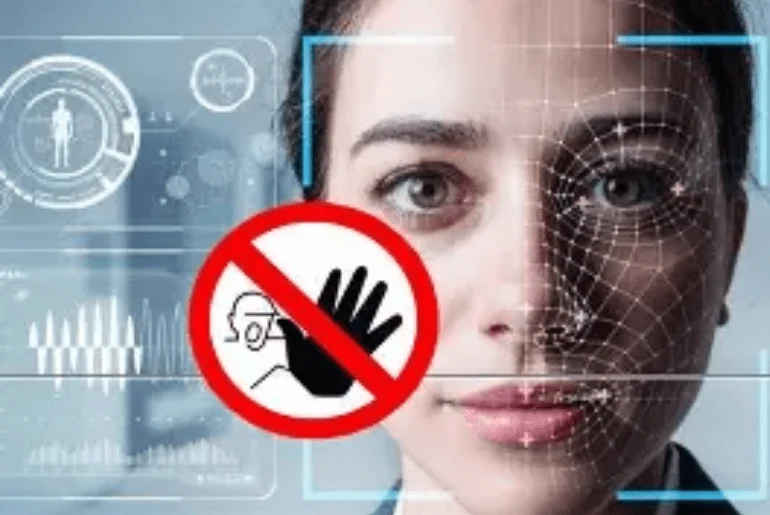
California lawmakers have passed a landmark bill that would bar employers from using artificial intelligence (AI)-powered surveillance tools to monitor workers’ emotional states and neural data, with the legislation now headed to Governor Gavin Newsom for signature. Assembly Bill 1883 (AB 1883) received its final vote in the Assembly on August 30, marking a significant step in the burgeoning field of AI regulation and worker protection. This targeted measure, part of a package of 30 AI-related bills cleared in the 2026 session, specifically prohibits workplace-surveillance systems that leverage AI to collect nervous system data or identify a worker’s emotions. If signed into law, it would establish California as a frontrunner in directly restricting a particularly intrusive capability of AI in employment, differentiating itself from broader transparency-focused AI laws seen in other states.
The Rising Tide of AI in the Workplace and Surveillance Concerns
The passage of AB 1883 comes amidst a rapid expansion of AI applications in human resources and workplace management. Over the past decade, and particularly accelerated by the shift to remote and hybrid work models following the COVID-19 pandemic, employers have increasingly adopted AI-driven tools for everything from recruitment and performance monitoring to scheduling and communication analysis. While many of these tools promise enhanced efficiency, objectivity, and data-driven insights, a growing segment has ventured into more ethically fraught territory, including the monitoring of workers’ psychological and physiological states.
The global market for HR technology, including AI-powered solutions, has seen exponential growth, projected to reach hundreds of billions of dollars in the coming years. Within this boom, surveillance tools have become a significant, albeit controversial, sub-sector. Reports from organizations like the Electronic Frontier Foundation and various labor advocacy groups have highlighted the proliferation of AI tools capable of monitoring keystrokes, screen activity, communication patterns, and even analyzing facial expressions, vocal tone, and writing styles to infer emotional states, engagement levels, or stress. These "affective computing" and "neural monitoring" technologies, often marketed under the guise of improving well-being or productivity, raise profound privacy concerns and questions about their scientific validity and potential for misuse.
Defining the Intrusive: Emotional States and Neural Data
Central to AB 1883’s prohibition is the specific targeting of "nervous system data" and the identification of "a worker’s emotions." This terminology aims to address technologies that delve beyond observable behavior into inferred internal states.
-
Emotional State Monitoring: This typically involves AI systems that analyze various data points to deduce a worker’s emotional condition. Examples include:
- Facial Recognition and Micro-expression Analysis: AI algorithms designed to detect subtle changes in facial muscles, eye movements, or head posture, claiming to infer emotions like happiness, anger, sadness, or stress.
- Voice Tone and Speech Pattern Analysis: AI that processes vocal characteristics (pitch, tempo, volume) and linguistic cues to gauge emotional states during calls or virtual meetings.
- Text Analysis (Sentiment Analysis): AI evaluating written communications (emails, chat messages) for sentiment, attempting to categorize them as positive, negative, or neutral, often with implications for emotional state.
- Physiological Biometrics: While less common for emotion identification in workplaces currently, technologies like heart rate variability, skin conductance, or eye-tracking could theoretically be linked to emotional responses and fall under the spirit of the prohibition.
-
Neural Data Collection: This refers to the most invasive forms of monitoring, directly or indirectly attempting to capture data from the nervous system. While consumer-grade brain-computer interfaces (BCIs) are still nascent, the bill’s inclusion of "nervous system data" is forward-looking, anticipating future technological advancements that could allow employers to monitor brain activity, neurological responses, or other direct physiological indicators of internal states. This could encompass wearable sensors designed to detect stress responses, cognitive load, or even intentions, raising unprecedented ethical and privacy dilemmas.
Critics of these technologies, including many AI ethicists and neuroscientists, often point to their inherent unreliability. Human emotions are complex, culturally nuanced, and context-dependent; AI’s ability to accurately and consistently infer them from external cues is highly questionable. Misinterpretations can lead to biased performance evaluations, discriminatory practices, or undue pressure on workers to feign certain emotions. Moreover, the collection of such deeply personal data fundamentally undermines worker autonomy and dignity, creating a chilling effect where employees may self-censor or feel constantly scrutinized.
A Chronology of Legislative Action in California
The journey of AB 1883 to Governor Newsom’s desk is part of an evolving legislative effort in California to grapple with the implications of AI.
-
2025 Legislative Session: A broader proposal, backed by labor unions, emerged in the 2025 session. This bill (often referred to in discussions as a precursor to AB 1883, though its specific number, likely AB 1116 or similar, is not provided in the original text) aimed for more expansive regulation. It sought to require disclosure of AI-based automated decision systems used in employment and, crucially, would have explicitly barred AI from making decisions related to firing or disciplining workers. Governor Newsom ultimately vetoed this proposal, signaling a cautious approach to broad, potentially innovation-stifling AI bans. His veto message likely cited concerns about overreach or the need for more targeted solutions.
-
Introduction of AB 1883: Recognizing the Governor’s previous concerns and the rapid advancement of AI surveillance, Assemblymembers introduced AB 1883 in the 2026 legislative session. The bill’s sponsors, likely influenced by the feedback on the prior year’s veto, opted for a more focused approach. Instead of a blanket ban on AI-driven disciplinary actions or a broad disclosure requirement, AB 1883 narrowed its scope to specifically address the most intrusive and ethically questionable applications: the monitoring of emotional states and neural data. This strategic narrowing was crucial for its successful navigation through the legislative process.
-
Passage Through Assembly and Senate: AB 1883 progressed through various committees in both the Assembly and the Senate, undergoing debates and refinements. Discussions centered on the precise definitions of "nervous system data" and "emotions," and ensuring the ban did not inadvertently curtail legitimate uses of AI for workplace safety or productivity monitoring that did not infringe on these deeply personal aspects. The bill’s proponents emphasized that it was designed to target "unreliable AI emotion detection and neural data collection" while preserving "legitimate uses such as safety." Its final passage in the Assembly on August 30, following a favorable vote in the Senate, reflects a legislative consensus on the urgency of addressing these specific AI threats.
-
Governor Newsom’s Decision (September 30 Deadline): Governor Newsom now has until September 30 to either sign AB 1883 into law or issue another veto. His decision will be closely watched by labor advocates, privacy organizations, tech companies, and employers nationwide. Given his previous veto, his consideration will likely weigh the bill’s targeted nature against any remaining concerns about its impact on business practices or technological innovation. The narrower scope, however, significantly increases its chances of receiving his signature compared to the 2025 proposal.
Complementing California’s Robust Privacy Framework
AB 1883 does not emerge in a vacuum but rather complements California’s already robust privacy framework, recognized as one of the most comprehensive in the United States.
-
California Consumer Privacy Act (CCPA) and California Privacy Rights Act (CPRA): These foundational laws grant consumers significant rights over their personal data, including the right to know what data is collected, to opt out of its sale, and to request its deletion. While primarily focused on consumer data, their principles extend to employee data in certain contexts, particularly concerning non-HR-related processing.
-
California Privacy Protection Agency (CPPA): The CPPA, established by the CPRA, is tasked with enforcing these laws and developing new regulations. The agency has been actively engaged in drafting rules concerning automated decision-making technologies, which would impose transparency and opt-out requirements for systems that make significant decisions about individuals. AB 1883 specifically reinforces these efforts by outright prohibiting certain types of data collection, rather than just requiring disclosure or opt-out. It draws a clear line in the sand, stating that some data is simply off-limits for workplace surveillance, regardless of transparency.
Unlike broader, transparency-focused AI laws in states such as Colorado, which often mandate impact assessments and disclosure for high-risk AI systems, AB 1883 directly restricts a specific, intrusive capability. This direct prohibition marks a more assertive regulatory stance.
Statements and Reactions from Related Parties
The passage of AB 1883 has elicited a range of reactions from various stakeholders, reflecting the complex interplay of worker rights, business interests, and technological advancement.
-
Labor Unions and Worker Advocates: These groups are among the strongest proponents of AB 1883. They view it as a crucial victory for worker privacy and dignity, arguing that monitoring emotional states and neural data is inherently dehumanizing and ripe for abuse. Statements from union leaders would likely emphasize the protection of employees from intrusive surveillance that can lead to unfair treatment, discrimination, and a climate of fear. They would commend lawmakers for recognizing the need to draw clear boundaries against unchecked technological intrusion, especially after the disappointment of the 2025 veto.
-
Privacy Rights Organizations: Groups dedicated to privacy advocacy, such as the American Civil Liberties Union (ACLU) of California or the Electronic Frontier Foundation, would likely laud the bill as a vital step in protecting fundamental rights in the digital age. They would highlight the scientific unreliability of emotion detection AI and the profound ethical implications of monitoring internal states, underscoring the potential for such technologies to exacerbate existing power imbalances between employers and employees.
-
Bill Authors and Legislative Proponents: Lawmakers who championed AB 1883 would emphasize its targeted nature. They would reiterate that the bill addresses the most egregious forms of AI surveillance without stifling legitimate technological innovation or workplace safety measures. Their statements would likely focus on the balance achieved, distinguishing between permissible performance monitoring and impermissible mind-reading technology. They would also point to the consensus reached in the legislature as evidence of the widespread concern over these specific AI applications.
-
Employer and Business Associations: While generally cautious about new regulations that might impose compliance burdens or restrict business practices, major employer groups like the California Chamber of Commerce might offer a more nuanced response to AB 1883 compared to their likely opposition to the broader 2025 bill. Given its narrow focus, some might acknowledge the legitimate concerns about unreliable emotion detection. However, they might also express a need for clear guidance on implementation, ensuring that the definitions do not inadvertently capture other legitimate data collection for performance or safety. They might also stress the importance of maintaining flexibility for employers to leverage technology responsibly to enhance productivity and security.
-
Technology Developers: Companies specializing in HR tech and AI solutions would face a direct impact. Developers of emotion detection software or biometric analysis tools would need to adapt their offerings for the California market, potentially pivoting away from the banned functionalities. Their statements might acknowledge the legislative intent while emphasizing their commitment to developing ethical and responsible AI tools that comply with evolving regulations.
-
Governor Gavin Newsom’s Office: While no official statement has been released prior to his decision, his previous veto provides context. His office will be weighing the benefits of worker protection against potential concerns about inhibiting innovation or imposing undue burdens on businesses. The bill’s narrower scope is likely a significant factor in its favor, aligning with a potential preference for precise, problem-specific regulations rather than broad, sweeping bans.
Broader Impact and Implications
The potential enactment of AB 1883 carries significant implications not only for California but also for the national and international landscape of AI regulation.
-
For California Workers: If signed, workers in California would gain a significant new layer of protection against highly intrusive surveillance. This could foster a more trusting and less monitored work environment, allowing employees to express themselves more authentically without fear of AI-driven emotional assessment. It would reinforce the idea that internal emotional states and neural processes are private domains, even within the workplace.
-
For California Employers: Employers would need to conduct thorough audits of their existing HR and workplace monitoring technologies to ensure compliance. This could involve discontinuing the use of certain AI tools or reconfiguring them to avoid collecting prohibited data. Non-compliance could lead to substantial civil penalties, up to $500 per violation, with enforcement falling to the state labor commissioner or public prosecutors. This financial risk would incentivize strict adherence to the new law.
-
Setting a National Precedent: California, with its large economy and influence on technology and policy, often serves as a bellwether for other states and even federal action. AB 1883 could inspire similar legislation across the United States, prompting other states to consider targeted bans on intrusive AI surveillance. This could lead to a patchwork of state-level regulations, potentially increasing the complexity for businesses operating nationwide, but also pushing the development of more ethically aligned AI tools.
-
Shaping the AI Industry: The bill sends a clear signal to AI developers that certain applications, particularly those delving into unreliable and intrusive monitoring of human emotions and neural data, will face regulatory hurdles. This could drive innovation towards more transparent, explainable, and privacy-preserving AI solutions for the workplace, focusing on objective performance metrics rather than subjective internal states.
-
Evolving Legal and Ethical Landscape: AB 1883 contributes to the rapidly evolving legal and ethical framework surrounding AI. It underscores a growing societal discomfort with AI systems that attempt to "read minds" or infer highly personal psychological attributes, especially when these inferences are used for employment decisions. It reinforces the principle that while AI can augment human capabilities, it must not infringe upon fundamental human rights and privacy.
Enforcement Mechanisms and Challenges
Enforcement of AB 1883 would fall to the state labor commissioner or public prosecutors. This dual enforcement mechanism provides multiple avenues for addressing violations. The labor commissioner, typically responsible for upholding labor laws and protecting worker rights, would likely investigate complaints from employees. Public prosecutors could pursue civil actions, seeking penalties for non-compliant employers.
However, enforcement presents its own challenges:
- Detection: Identifying violations, particularly those involving sophisticated and often opaque AI systems, can be difficult. Workers may not always be aware of how their data is being collected and analyzed.
- Proof: Proving that an AI system is specifically collecting "nervous system data" or identifying "emotions" in a way that falls under the ban may require technical expertise.
- Distinguishing Legitimate vs. Prohibited Use: The debate during the bill’s passage centered on defining the ban narrowly to avoid curtailing other workplace surveillance tools used for safety or legitimate performance monitoring. Enforcement agencies will need clear guidelines to differentiate between permissible and prohibited AI applications. For example, monitoring for signs of physical distress in hazardous environments might be permissible if it doesn’t cross into "emotional state" identification, but the line can be blurry.
Conclusion: A Defining Moment for AI and Worker Rights
Governor Gavin Newsom’s decision on AB 1883 by September 30 will mark a defining moment in the regulation of AI in the workplace. If signed, California will take a bold step in establishing boundaries for AI’s role in employment, prioritizing worker privacy and dignity over the potentially intrusive and unreliable capabilities of advanced surveillance technologies. This legislation reflects a growing global sentiment that while AI offers immense potential, its development and deployment must be guided by ethical considerations and robust legal frameworks to prevent its misuse and protect fundamental human rights in an increasingly digitized world. The bill’s targeted approach offers a blueprint for future AI regulation, demonstrating that specific, well-defined prohibitions can be effective in addressing the most pressing ethical challenges posed by emerging technologies without stifling beneficial innovation.








