
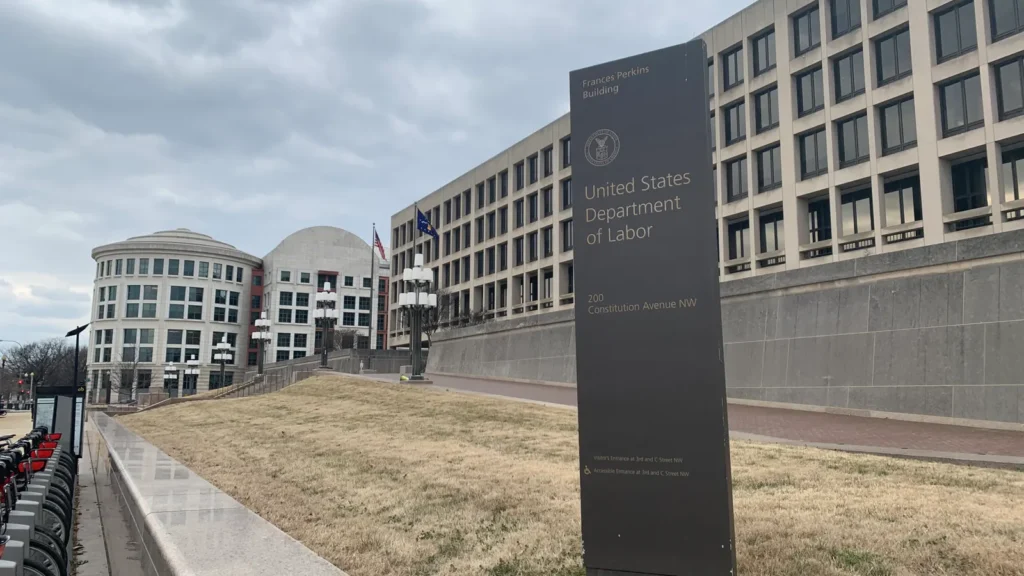
The U.S. Department of Labor (DOL) has issued a comprehensive set of final rules that effectively eliminate several long-standing affirmative action requirements for federal contractors, marking a significant policy shift initiated by one of President Donald Trump’s earliest executive orders from 2025. These new regulations, published on August 21, 2026, directly target the enforcement framework previously overseen by the Office of Federal Contract Compliance Programs (OFCCP), a division of the DOL responsible for ensuring that federal contractors comply with non-discrimination and affirmative action laws. The move represents a substantial pivot from decades of federal policy aimed at promoting diversity and equal opportunity within the vast network of government contractors.
Historical Context of Affirmative Action in Federal Contracting
To fully grasp the implications of these new rules, it is essential to understand the historical bedrock upon which federal affirmative action policies were built. The concept of affirmative action in federal contracting dates back to the Civil Rights era, specifically Executive Order 11246, signed by President Lyndon B. Johnson in 1965. This landmark order prohibited federal contractors and federally assisted construction contractors and subcontractors from discriminating in employment practices on the basis of race, color, religion, sex, or national origin. Critically, it also mandated that these contractors "take affirmative action to ensure that applicants are employed, and employees are treated during employment, without regard to their race, color, religion, sex, or national origin." This meant actively seeking out and addressing past and present discriminatory barriers, rather than merely refraining from future discrimination.
Over the ensuing decades, the scope of affirmative action was expanded to include other protected groups. Section 503 of the Rehabilitation Act of 1973 required federal contractors to take affirmative action to employ and advance qualified individuals with disabilities. Similarly, the Vietnam Era Veterans’ Readjustment Assistance Act (VEVRAA) of 1974 mandated affirmative action for covered veterans. The OFCCP was established to enforce these requirements, developing a complex regulatory framework that included detailed reporting, goal setting, and compliance evaluations for contractors. For many years, federal contractors were required to develop Affirmative Action Plans (AAPs) that included specific utilization analyses, placement goals, and outreach efforts for women, minorities, individuals with disabilities, and protected veterans. These requirements were often seen as crucial tools for addressing systemic inequalities and fostering a more inclusive workforce.
The Trump Administration’s Push for Policy Change
The current changes stem directly from President Donald Trump’s January 2025 executive order, which explicitly directed the federal government to dismantle contractors’ affirmative action programs and other diversity, equity, and inclusion (DEI) initiatives enforced by the OFCCP. This order reflected a broader ideological stance by the administration, which argued that such programs constituted "reverse discrimination" or led to hiring practices not based purely on merit. The executive order championed a return to what it termed "merit-based opportunity," signaling a significant departure from the proactive measures historically associated with affirmative action.
Following this initial directive, the DOL took immediate steps to implement the President’s vision. Shortly after the January 2025 order, the department temporarily suspended the OFCCP’s investigative and enforcement activities related to discriminatory hiring practices that fell under the purview of the rescinded 1965 executive order. The DOL clarified at the time that, without the foundational authority of President Johnson’s order, the OFCCP’s previous enforcement mechanisms were no longer valid for those specific provisions. However, the department later reinstated enforcement for Section 503 and VEVRAA in July 2025, indicating that while the scope of affirmative action was being re-evaluated, certain protections for individuals with disabilities and veterans would continue under different parameters.
Key Provisions of the Final Rules
The newly issued final rules systematically dismantle several long-standing obligations for federal contractors. While the full text of the rules provides exhaustive detail, several key changes stand out:
-
Rescission of Executive Order 11246 Affirmative Action Mandates: The most impactful change is the complete removal of affirmative action requirements tied to Executive Order 11246, which previously mandated proactive steps for women and minorities. This means federal contractors are no longer required to establish utilization goals, conduct detailed availability analyses, or implement specific outreach programs based on race, gender, or national origin. The first rule, specifically targeting the 1965 order, is set to become effective on October 26, 2026.
-
Modifications to Section 503 Requirements for Individuals with Disabilities: While the core mandate for contractors to take affirmative action to employ and advance qualified individuals with disabilities remains, significant changes have been introduced. Attorneys at Jackson Lewis, in their analysis published Friday, highlighted that the final rule eliminates the requirement for disability self-identification at the pre-offer stage and removes the 7% utilization goal previously mandated for individuals with disabilities in affirmative action plans. Contractors, however, will still be required to assess the effectiveness of their recruitment efforts and outreach programs aimed at individuals with disabilities. Most of the Section 503 rule will become effective on September 21, 2026, with one specific section taking effect on December 21, 2026.

-
Adjustments to VEVRAA Requirements for Protected Veterans: Similar to Section 503, the VEVRAA rule maintains the fundamental obligation for contractors to take affirmative action to employ and advance protected veterans. However, the new regulations adjust specific compliance mechanisms. The rule is effective September 21, 2026. The specific alterations to VEVRAA requirements are expected to align with the overall administration goal of reducing perceived burdens on contractors while maintaining a baseline of non-discrimination.
Legal Interpretations and Expert Analysis
Legal experts have been quick to dissect the implications of these final rules. Attorneys at Ogletree Deakins, in their analysis published Thursday, underscored a crucial point: these rules do not eliminate the fundamental prohibitions against discrimination enshrined in Title VII of the 1964 Civil Rights Act or other federal, state, and local anti-discrimination laws. This distinction is vital; while proactive affirmative action mandates are removed, contractors are still legally bound to ensure their employment practices are free from discrimination based on protected characteristics. The shift, therefore, is from a proactive obligation to remedy past and present discrimination through specific goals and programs, to a reactive obligation to avoid discriminatory practices.
This distinction means federal contractors, while relieved of certain compliance burdens, must remain vigilant. They are still subject to investigation and enforcement by agencies like the Equal Employment Opportunity Commission (EEOC) for claims of discrimination. The challenge for contractors will be navigating this new landscape: reducing the administrative overhead associated with affirmative action plans while simultaneously ensuring robust non-discriminatory hiring and promotion practices to mitigate legal risks.
Broader Implications and Ongoing Debates
The DOL’s final rules are poised to have far-reaching implications across various sectors:

-
For Federal Contractors: Many contractors will welcome the reduction in compliance complexity and administrative burden associated with developing and maintaining detailed Affirmative Action Plans for race and gender. However, they will need to carefully review and update their internal policies and procedures to ensure continued compliance with the remaining non-discrimination laws and the adjusted requirements for individuals with disabilities and veterans. The shift may also lead to a re-evaluation of their internal DEI initiatives, which, while not directly mandated by federal contracts under the new rules, may still be pursued for business, cultural, or other legal reasons (e.g., state laws or shareholder expectations).
-
For Protected Groups and Advocacy Organizations: Civil rights organizations, women’s rights advocates, and groups representing minority communities are likely to express significant concern. They argue that the elimination of affirmative action requirements could lead to a rollback of progress made in achieving workplace diversity and equity. Without proactive measures, they contend, systemic biases might persist or even worsen, making it harder for underrepresented groups to gain equal access to opportunities within the federal contractor workforce. While protections for individuals with disabilities and veterans remain, the removal of specific goals and self-identification mandates will also be scrutinized for potential negative impacts.
-
Political and Legal Landscape: These rules solidify the Trump administration’s "anti-DEI" stance, aligning with a broader national debate on the efficacy and fairness of affirmative action. The Supreme Court’s 2023 decision in Students for Fair Admissions v. Harvard/UNC, which effectively ended race-conscious admissions in higher education, provided a significant legal precedent that likely emboldened this federal contractor policy shift. The administration has consistently framed these actions as promoting "merit-based" systems, a perspective often supported by conservative legal groups and business associations.
It is also important to note that these new rules are distinct from President Trump’s March 2025 executive order, which specifically required contractors to avoid engaging in what the administration deemed "discriminatory DEI programs" at the risk of contract cancellation. That separate order has already drawn legal challenges, with at least one lawsuit filed alleging violations of the Constitution, particularly impacting diversity officers and higher education institutions. Litigation related to that order remains ongoing, further illustrating the complex and contested legal environment surrounding DEI and anti-discrimination efforts.
Looking Ahead
The implementation of these final rules ushers in a new era for federal contractor compliance, one characterized by a reduced federal mandate for proactive diversity initiatives based on race and gender. While the DOL frames this as streamlining regulations and promoting a merit-based system, critics view it as a significant step backward for equity and inclusion. Federal contractors will now face the dual challenge of adapting to the new regulatory environment while navigating the enduring legal obligations of non-discrimination and the potential for public scrutiny and continued legal challenges regarding the broader direction of federal anti-discrimination policy. The long-term impact on the diversity of the federal contractor workforce and the broader American employment landscape will undoubtedly be a subject of intense observation and debate for years to come.






