
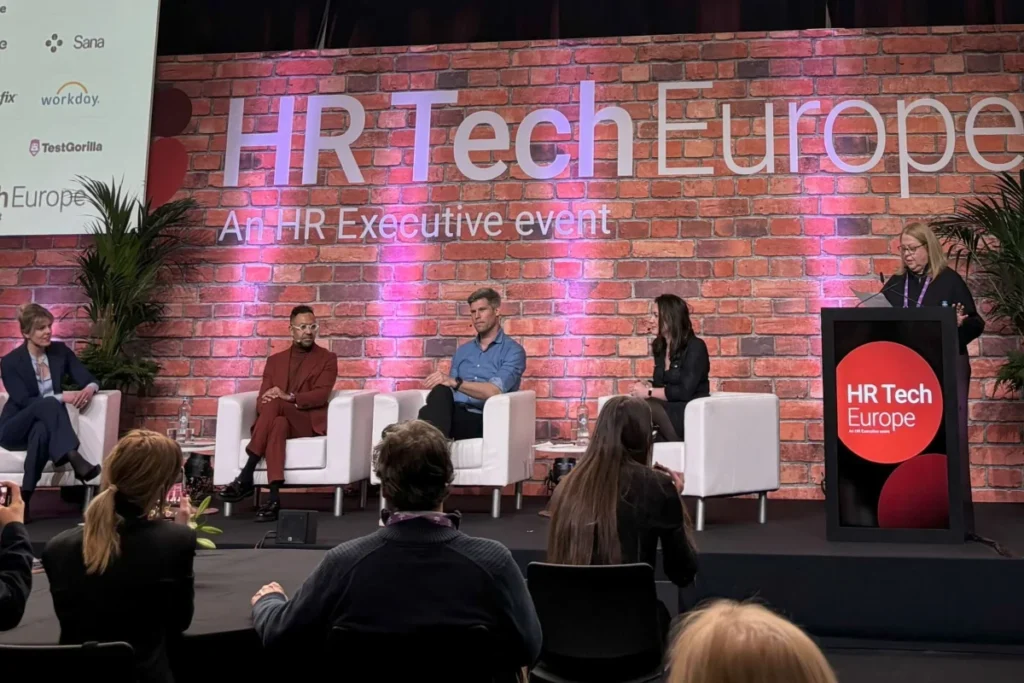
Amsterdam, Netherlands – As the global HR technology landscape converges on Amsterdam for the highly anticipated HR Tech Europe conference, set to unfold on April 22-23, 2024, a stark reality concerning the European workforce is poised to dominate discussions. Recent comprehensive data from Gallup’s "State of the Global Workplace" report, encompassing over 160 countries and insights from approximately 141,000 employees, reveals a critical engagement deficit across Europe, signaling a profound challenge for businesses and HR leaders.
The report, a cornerstone for understanding global workforce dynamics, highlights that a mere 13% of European employees report being engaged in their work. This figure stands as the lowest engagement rate globally, starkly contrasting with regions like North America (31% engaged) and Southeast Asia (26% engaged). The overwhelming majority of European workers, 73%, are classified as "not engaged," while a significant 15% are actively disengaged, meaning they are not only unenthusiastic but also potentially undermining their colleagues’ efforts and organizational productivity. This widespread disengagement presents a formidable hurdle for companies striving to foster innovation, productivity, and a positive work environment.
Beyond engagement, the report also casts a spotlight on employee wellbeing, an area where Europe, despite its economic standing, is experiencing notable difficulties. Almost half of European employees (47%) are reported to be "struggling," a figure that places the continent behind peer regions such as Australia/New Zealand and Latin America. Only 5% of European employees are described as "thriving," indicating a significant portion of the workforce is not operating at their full potential, potentially leading to increased absenteeism, reduced productivity, and a higher susceptibility to burnout.
However, the Gallup findings are not entirely devoid of positive indicators for the European context. In a testament to cultural or societal factors, Europe demonstrates the lowest rates of daily loneliness and daily anger among all surveyed regions. Furthermore, stress levels are comparatively lower in Europe, with 38% of employees reporting experiencing daily stress, significantly less than the 50% reported in North America. Crucially, only 30% of European employees are actively looking for new job opportunities, the lowest percentage across all regions analyzed by Gallup. This data point suggests a degree of workforce stability, but the underlying disengagement poses a complex dilemma: employees may be staying put, but are they contributing optimally?
The Business Imperative for Engagement Technology
The convergence of low engagement and low job-seeking intention creates a precarious situation for European businesses. While employees are not actively fleeing their roles, their lack of engagement implies a significant untapped potential for productivity and innovation. This scenario amplifies the demand for HR technology solutions that can effectively address the root causes of disengagement and foster a deeper connection between employees and their work.
"If HR can’t clearly connect the dots between engagement, retention, and contribution to EBITDA, it’s not a business case," stated Rebecca Wettemann, CEO of Valoir, a prominent expert in HR technology and a confirmed speaker at HR Tech Europe. This sentiment underscores a critical expectation for the upcoming conference: the need for tangible, data-driven demonstrations of how HR technology can deliver a measurable return on investment, particularly in boosting employee engagement. The current engagement deficit in Europe translates into substantial financial implications, potentially impacting profitability and long-term growth if left unaddressed.
The HR Tech Europe conference, a premier event in the global HR technology calendar, serves as a vital platform for vendors, practitioners, and thought leaders to showcase and discuss innovative solutions. Historically, the conference has been a crucible for identifying and addressing emerging trends and challenges in human capital management. This year, with the spotlight firmly on Europe’s engagement crisis, the event is expected to feature a robust agenda focused on technologies that can empower organizations to:
- Enhance employee experience: Platforms that foster a sense of belonging, recognition, and purpose.
- Improve communication and collaboration: Tools that break down silos and facilitate seamless interaction.
- Personalize development and growth: Solutions that offer tailored learning paths and career progression opportunities.
- Provide data-driven insights: Analytics that help HR leaders understand engagement drivers and measure the impact of interventions.
The proximity of HR Tech Europe to the release of the Gallup report provides an opportune moment for the industry to collectively grapple with these pressing issues. The conversations at the conference will likely pivot from simply adopting new technologies to strategically deploying them to solve specific, high-impact business problems, with employee engagement at the forefront.
The Crucial Role of Manager Effectiveness
Gallup’s extensive research consistently identifies the direct manager as the most significant factor influencing employee engagement. The data pointing to Europe’s engagement deficit strongly suggests a potential systemic gap in manager development and effectiveness across the continent. While technology can offer valuable support, it cannot entirely compensate for deficiencies in leadership and management capabilities.
Todd Davis, a senior consultant at FranklinCovey and an authority on leadership development, commented on the human element in management, stating, "Managers are human beings, as well. They’re anxious about their futures and their roles, but when they took those on, they knew they had an additional responsibility to those team members." This highlights the dual challenge: managers themselves may be experiencing stress and uncertainty, impacting their ability to effectively lead and support their teams.
The implication for HR Tech Europe is clear: discussions will likely extend beyond software solutions to encompass strategies for developing effective managers. This may involve:
- Manager training and coaching platforms: Technologies that deliver scalable and personalized leadership development programs.
- Performance management tools: Systems that facilitate regular feedback, goal setting, and performance reviews, fostering a culture of continuous improvement.
- Recognition and rewards systems: Platforms that enable managers to acknowledge and appreciate employee contributions, boosting morale and motivation.
- Communication and feedback tools: Technologies that streamline upward and downward communication, ensuring clarity and addressing concerns proactively.
The conference will likely see a focus on integrated approaches, where technology serves as an enabler for effective management practices, rather than a standalone solution. The challenge lies in equipping managers with the skills and tools to navigate the complexities of leading a modern workforce, particularly in a climate of low engagement.
Rethinking Wellbeing Investments for the European Context
The nuances of European employee wellbeing, as revealed by Gallup, suggest that a one-size-fits-all approach to wellbeing interventions may be ineffective. While stress and anger levels are lower, the high percentage of employees "struggling" indicates that underlying issues of detachment and lack of fulfillment may be masked. This presents a critical area for HR leaders to refine their strategies.
As previously reported by HR Executive, "local expressions of disengagement matter." This observation is particularly relevant for multinational corporations operating across diverse European markets. A wellbeing strategy that resonates in one country might not be as impactful in another, due to cultural differences, economic conditions, and varying workplace norms.
At HR Tech Europe, the discourse surrounding wellbeing investments is expected to delve into:
- Personalized wellbeing programs: Leveraging data analytics to tailor interventions to individual needs and preferences, moving beyond generic offerings.
- Mental health support that addresses underlying causes: Focusing on factors contributing to disengagement, such as lack of purpose, limited growth opportunities, and poor managerial support, rather than solely treating symptoms of stress.
- Building a culture of psychological safety: Promoting environments where employees feel comfortable expressing concerns and seeking support without fear of reprisal.
- The integration of wellbeing into the overall employee experience: Embedding wellbeing considerations into daily work, team dynamics, and organizational policies.
The lower stress and anger statistics in Europe do not negate the need for wellbeing support; rather, they suggest a need for more nuanced and targeted interventions. HR leaders will be looking for technologies that can help them understand the specific drivers of "struggling" among their European workforce and implement solutions that foster genuine thriving.
Broader Implications and the Path Forward
The findings from Gallup’s "State of the Global Workplace" report and the impending HR Tech Europe conference paint a clear picture: the European workforce is at a critical juncture. The combination of low engagement and a large segment of the workforce merely "struggling" represents a significant economic and social challenge.
The implications extend beyond individual companies:
- Economic Productivity: Widespread disengagement can stifle innovation, reduce overall productivity, and negatively impact economic growth across the continent.
- Talent Retention: While employees may not be actively job-seeking, a persistent lack of engagement can lead to a gradual exodus of top talent over time, as individuals seek more fulfilling opportunities elsewhere.
- Societal Wellbeing: The wellbeing of the workforce is intrinsically linked to the broader health of society. A disengaged and struggling workforce can contribute to increased healthcare costs, social unrest, and a diminished sense of community.
HR Tech Europe provides a crucial platform for stakeholders to address these issues head-on. The event’s agenda is expected to reflect a growing understanding that HR technology is not merely about automation or efficiency but about fundamentally transforming the employee experience and driving business outcomes. The focus will be on solutions that can foster genuine connection, support meaningful work, and empower employees to thrive.
The success of the HR technology sector in Europe will be increasingly measured by its ability to provide tangible answers to these complex challenges. As companies invest in new platforms and features, the ultimate test will be their capacity to translate technological adoption into measurable improvements in employee engagement, wellbeing, and overall business performance. The conversations and solutions emerging from HR Tech Europe will undoubtedly shape the future of work in the region for years to come.
For those looking to engage with these critical discussions and discover innovative solutions, registration for HR Tech Europe, taking place on April 22-23 in Amsterdam, remains open. The event offers a vital opportunity for HR leaders to equip themselves with the knowledge and tools necessary to navigate the evolving landscape of work and build more engaged, productive, and thriving workforces across Europe.







