
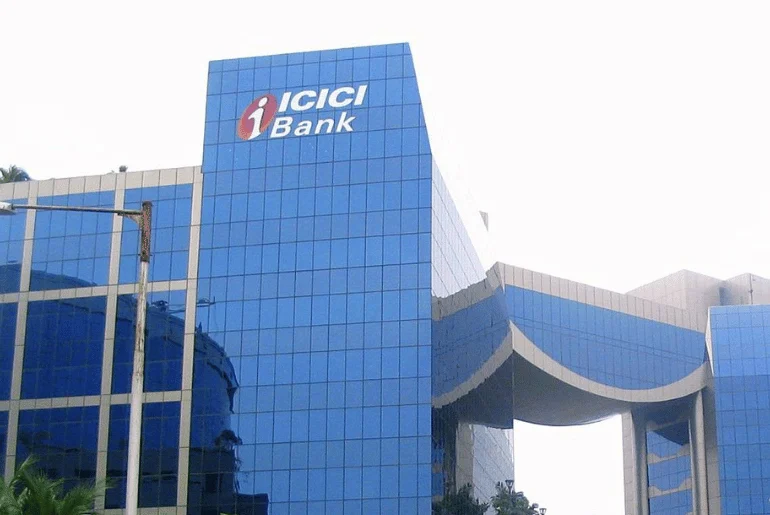
Mumbai, India – ICICI Bank, one of India’s foremost private sector lenders, concluded the financial year 2026 with a notable reduction in its overall employee strength, marking the steepest decline among the nation’s leading private banks. This strategic workforce adjustment saw the bank operate with a smaller human capital base than it did a year prior, a trend that starkly contrasted with its major competitors such as HDFC Bank and Axis Bank, which largely maintained stable headcounts or continued to expand their employee base. The development has garnered significant attention within the financial sector, prompting a deeper examination of evolving operational strategies, the pervasive influence of technology, and the future trajectory of employment in India’s rapidly digitalizing banking landscape.
The reported reduction in ICICI Bank’s workforce is not merely a statistical anomaly but rather a potent indicator of a broader paradigm shift occurring within the banking industry. Employee numbers have traditionally served as a barometer for a bank’s growth ambitions, its commitment to branch network expansion, and its overall operational footprint. However, in an era increasingly defined by technological disruption, a decline in headcount no longer solely signals business contraction but rather a strategic pivot towards enhanced efficiency, automation, and a redefinition of customer engagement models. The confluence of factors contributing to this trend includes a conscious slowdown in new hiring, the natural process of attrition, and, most significantly, the accelerated adoption of automation and digital platforms across an expansive spectrum of banking operations. As consumers increasingly migrate towards digital channels for their routine financial transactions, banks are recalibrating their reliance on traditional manpower for everyday services, channeling investments instead into sophisticated technology-driven processes and specialized expertise.
The Evolving Landscape of Indian Banking: A Background Context
The Indian banking sector, particularly its private segment, has been a cornerstone of the nation’s economic growth, characterized by fierce competition, innovation, and a relentless pursuit of market share. Over the past decade, driven by robust economic expansion and increasing financial inclusion initiatives, private banks have aggressively expanded their branch networks, product offerings, and customer bases. This growth often necessitated a commensurate increase in workforce to manage burgeoning operations, service a growing clientele, and penetrate new geographical territories. Banks like HDFC Bank and Axis Bank have, for years, followed a strategy of sustained growth, often correlating with consistent increases in employee numbers to support their expanding physical and digital presence.
However, the operating environment began to shift dramatically with the advent of pervasive internet connectivity, widespread smartphone adoption, and government-led digital initiatives such as the Unified Payments Interface (UPI). The COVID-19 pandemic acted as an unprecedented catalyst, accelerating digital adoption rates across all demographics as physical interactions became constrained. This period forced banks to fast-track their digital transformation roadmaps, pushing a significant portion of their services online and encouraging customers to embrace self-service digital channels. For ICICI Bank, a pioneer in digital banking innovation in India, this shift represented an opportunity to capitalize on its existing technological infrastructure and refine its operational model for greater efficiency.
A Chronology of Digital Transformation and Workforce Re-evaluation
The journey towards a digitally dominant banking ecosystem in India has been gradual yet decisive.
- Early 2010s: Initial foray into internet banking and mobile applications, primarily for basic transactions like balance inquiries and fund transfers. Branch networks continued to be the primary touchpoint.
- 2014-2016: Rise of financial technology (fintech) startups challenging traditional banking models. Increased focus by incumbent banks on enhancing digital user experience and offering more services online. ICICI Bank, known for its technological prowess, was among the early adopters, launching advanced mobile banking apps and digital lending platforms.
- November 2016 – Demonetization: A watershed moment that dramatically propelled digital payments adoption across India. UPI emerged as a game-changer, simplifying peer-to-peer and merchant payments, effectively reducing reliance on cash and, by extension, on physical bank branches for routine cash-related transactions.
- 2017-2019: Banks began investing heavily in Robotic Process Automation (RPA) for back-office operations, Artificial Intelligence (AI) for customer service chatbots, and data analytics for personalized offerings. This period saw the first subtle shifts in hiring patterns, with a growing demand for tech-savvy talent over traditional banking roles.
- 2020-2021 – COVID-19 Pandemic: The pandemic enforced lockdowns and social distancing, making digital channels indispensable. Banks reported unprecedented surges in digital transaction volumes. This period provided empirical evidence that a significant portion of banking services could be delivered effectively without physical presence, leading to a strategic re-evaluation of branch utility and staffing models.
- FY25-FY26: Post-pandemic, banks like ICICI began to fully internalize the implications of heightened digital adoption. The focus shifted from merely offering digital services to integrating them seamlessly into core operations and optimizing human resources accordingly. This meant a more strategic approach to hiring, emphasizing specialized skills in technology, data science, cybersecurity, and customer advisory, while potentially reducing demand for generic frontline or back-office roles susceptible to automation.
ICICI Bank, having consistently expanded its digital banking capabilities over the past several years, has enabled its customers to access an extensive suite of services through robust online and mobile platforms. This greater digital adoption has allowed the bank to significantly streamline operations, enhance productivity, and crucially, reduce the imperative to replace every employee who exits the organization through natural attrition.
Supporting Data and Industry Comparisons: A Nuanced View
While specific numerical details regarding ICICI Bank’s exact employee count reduction for FY26 are typically disclosed in annual reports and investor presentations, the qualitative assessment points to a statistically significant shift. Industry analysts, when reviewing the headcount figures of major private banks, would likely observe ICICI Bank’s percentage decline as notably higher than the industry average or even the absolute figures of its peers.
For context, HDFC Bank, often considered the largest private sector bank by assets and market capitalization, has historically pursued a strategy of aggressive branch expansion, particularly in semi-urban and rural areas, coupled with a strong digital push. This dual strategy typically necessitates a continuous increase in its workforce to staff new branches and support its growing customer base. Similarly, Axis Bank has also been in an expansionary phase, investing in both physical presence and digital capabilities, often leading to a stable or incrementally growing employee base. The divergence in ICICI Bank’s strategy, therefore, stands out.
Data from the Reserve Bank of India (RBI) and various industry reports consistently indicate a rising trend in digital transaction volumes across India. For instance, UPI transactions have consistently broken records, demonstrating phenomenal year-on-year growth. The volume of mobile banking transactions has also soared. This data underpins the strategic rationale for banks to reduce their physical footprint and manpower dedicated to routine, transaction-oriented tasks that can now be performed digitally. Estimates suggest that automation can handle a substantial percentage of repetitive tasks in banking, freeing up human capital for more complex, advisory, or relationship-building roles.
Factors Driving the Workforce Optimization at ICICI Bank
The observed decline in ICICI Bank’s workforce can be attributed to a multifaceted strategy focused on operational efficiency and technological integration:
- Slower Hiring: A deliberate decision to moderate the pace of new recruitments, particularly for entry-level and traditional roles. This isn’t a hiring freeze but a more selective and strategic approach, focusing on specific skill sets aligned with future banking needs.
- Natural Attrition: The banking sector, like many others, experiences a certain level of employee turnover annually. Instead of automatically backfilling every vacant position, ICICI Bank appears to have strategically chosen not to replace roles that have become redundant due to automation or process re-engineering. This "zero-based attrition replacement" allows for a gradual, organic recalibration of workforce size.
- Increased Automation and Digitization: This is arguably the most significant driver.
- Customer-facing Operations: Self-service kiosks, sophisticated mobile apps, and internet banking platforms empower customers to perform a vast array of transactions – from account opening and KYC updates to loan applications and investment management – without human intervention. Chatbots and AI-driven virtual assistants handle routine customer queries, reducing the need for call center agents for common issues.
- Back-office Processes: Robotic Process Automation (RPA) has been deployed to automate repetitive, rule-based tasks such as data entry, reconciliation, compliance checks, and report generation, significantly reducing the manual effort required in departments like operations, finance, and human resources.
- Lending and Risk Management: AI and machine learning algorithms are increasingly being used for credit scoring, fraud detection, and risk assessment, streamlining the loan approval process and reducing the need for extensive manual underwriting.
- Reassessment of Branch Expansion Strategies: The traditional model of extensive physical branch networks is undergoing a transformation. While branches still serve critical functions, particularly for complex transactions, wealth management, and relationship building, the need for new, large-format branches for routine transactions has diminished. A slower pace of physical expansion, coupled with higher digital penetration, naturally lowers the demand for frontline roles such as tellers and customer service representatives, while simultaneously increasing the focus on specialized technology and customer advisory functions within existing or strategically located smaller-format branches.
- Cost Management Priorities: In a fiercely competitive banking environment, managing operational expenditure is paramount. Employee costs typically represent a significant portion of a bank’s overheads. By optimizing its workforce through automation and strategic hiring, ICICI Bank can enhance its cost-to-income ratio, improve profitability, and allocate resources more efficiently towards technology investments and strategic growth areas.
Official Responses and Strategic Perspectives
While ICICI Bank has not issued a specific public statement directly addressing the detailed breakdown of its FY26 headcount reduction, its overarching corporate communications and investor presentations consistently emphasize a strategy centered on digital leadership, operational excellence, and customer-centric innovation. Senior management statements from the bank have frequently highlighted:
- Focus on Digital-First Approach: "Our strategy is to leverage technology to deliver superior customer experience and achieve operational efficiencies across all our businesses," a statement often echoed by bank executives.
- Investment in Future Skills: "We are continuously investing in reskilling our existing employees and attracting new talent with expertise in emerging technologies like AI, machine learning, and data analytics," implying a shift in the type of talent sought, rather than a blanket reduction.
- Enhanced Productivity: The bank would likely frame any workforce adjustment as a natural outcome of productivity gains driven by automation, allowing human capital to be reallocated to higher-value activities.
Industry analysts largely interpret ICICI Bank’s move as a proactive measure to future-proof its operations. "This isn’t about downsizing in the traditional sense; it’s about rightsizing for the digital age," commented a Mumbai-based banking sector analyst. "ICICI Bank is adapting its workforce to align with changing customer behavior and technological capabilities. This strategy, if executed well, can lead to improved profitability and agility in the long run."
However, such shifts also raise questions among labor market observers about the broader implications for employment in the financial sector. HR consultants emphasize the critical need for banks to invest heavily in robust reskilling and upskilling programs to prepare their existing workforce for these new, technology-driven roles, ensuring a smooth transition and minimizing potential social impact.
Broader Impact and Implications
The significant workforce shift at ICICI Bank carries profound implications, not just for the institution itself but for the broader Indian banking sector, its employees, and its customers.
For ICICI Bank:
- Improved Profitability: A leaner, more efficient workforce, coupled with enhanced automation, can lead to lower operational costs, particularly employee-related expenses, thereby boosting profitability margins and shareholder value.
- Enhanced Agility: A workforce optimized for digital operations can enable the bank to respond more quickly to market changes, technological advancements, and evolving customer demands.
- Talent Transformation: The bank will need to double down on attracting and retaining highly specialized talent in areas like AI, cybersecurity, cloud computing, and advanced analytics. This also necessitates a strong internal culture of continuous learning and development for its existing staff.
- Customer Experience: While digital channels offer convenience, the challenge for ICICI Bank will be to maintain a high quality of personalized customer service for complex issues or high-net-worth clients, ensuring that the reduction in headcount does not translate into a perceived lack of human touch where it matters most.
For the Indian Banking Sector:
- Accelerated Transformation: ICICI Bank’s move could serve as a bellwether, prompting other private and even public sector banks to accelerate their own workforce optimization strategies and digital transformation initiatives.
- Shift in Skill Demands: The industry will witness a sustained surge in demand for digital and analytical skills, while traditional banking roles may continue to see reduced demand. This will necessitate a significant overhaul of educational curricula and vocational training programs relevant to the financial services sector.
- Competitive Pressure: Banks that effectively leverage technology to optimize their workforce and operations will gain a significant competitive advantage in terms of efficiency, speed, and cost-effectiveness.
- Social Implications: The shift could lead to job displacement in traditional roles, creating a need for robust government and industry-led initiatives for reskilling and re-employment of the workforce transitioning out of conventional banking jobs. This requires a coordinated effort to ensure that the benefits of technological progress are shared equitably.
For Customers:
- Increased Convenience and Speed: Customers will benefit from faster, more seamless digital services available 24/7, with quicker transaction processing and improved access to banking products.
- Personalized Offerings: With banks leveraging data analytics, customers can expect more tailored products and services, anticipating their financial needs more effectively.
- Potential for Impersonalization: For customers who prefer face-to-face interactions or require complex advisory services, the reduced human interface might be perceived as a drawback, underscoring the need for banks to balance digital efficiency with accessible human expertise.
Despite the decline in employee numbers, workforce size alone is increasingly becoming an insufficient metric to reflect the overall health or strategic direction of a bank. Instead, operational efficiency, technological prowess, and strategic agility are emerging as paramount indicators of success in the modern financial landscape. ICICI Bank’s sharper reduction in headcount compared to its private sector peers therefore represents one of the most notable workforce shifts in the Indian banking industry during FY26, signaling a profound recalibration in how financial institutions are structured and operated for the digital future. The move is a testament to the ongoing evolution of banking, where technology is not just an enabler but a fundamental driver of organizational design and strategic direction.








