
The month of July 2026 has seen a flurry of significant legal resolutions in the realm of workplace discrimination, with four prominent lawsuits concluding in settlements ranging from $150,000 to an impressive $2 million. These agreements underscore a continuing national effort to enforce federal anti-discrimination laws, with at least three of the resolved cases stemming from allegations pursued by the U.S. Equal Employment Opportunity Commission (EEOC). As reported by HR Dive on July 20, 2026, these settlements, while not always involving an admission of liability by the defendants, serve to swiftly close protracted legal battles and send a clear message regarding compliance with equal employment opportunity statutes.
The cases brought to resolution highlight diverse forms of alleged workplace misconduct, from a Las Vegas restaurant grappling with accusations of fostering a sexually harassing environment to a staffing agency facing claims of systematic gender discrimination in its hiring and referral practices for laborer positions. The collective impact of these settlements resonates across industries, reinforcing the imperative for employers to cultivate equitable and respectful workplaces or face substantial financial and reputational consequences.
The Enduring Mandate of the EEOC: A Commitment to Fair Workplaces
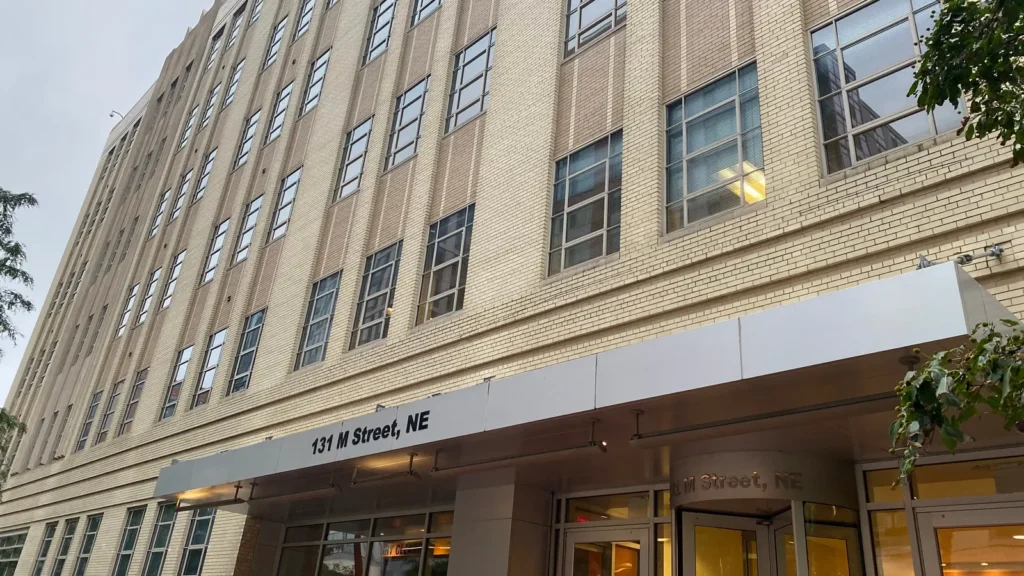
Central to many of these recent resolutions is the U.S. Equal Employment Opportunity Commission, the federal agency tasked with enforcing civil rights laws against workplace discrimination. Established by the Civil Rights Act of 1964, the EEOC investigates charges of discrimination based on race, color, religion, sex (including pregnancy, sexual orientation, and gender identity), national origin, age (40 or older), disability, or genetic information. It also prohibits retaliation against individuals who complain about discrimination or participate in an EEOC investigation.
The EEOC plays a multifaceted role, starting with the intake of discrimination charges from individuals. Following an investigation, if the agency finds reasonable cause to believe discrimination occurred, it first attempts to resolve the dispute through conciliation – a voluntary settlement process. If conciliation fails, the EEOC has the authority to file a lawsuit in federal court. Settlements, like those observed this month, are a common and often preferred outcome, as they allow for quicker resolutions compared to lengthy litigation, conserving resources for both the government and the involved parties. Importantly, settlements frequently include not only monetary relief for victims but also injunctive relief, such as mandatory anti-discrimination training, policy revisions, and ongoing reporting requirements to prevent future violations. This ensures a proactive approach to compliance and cultural change within the defendant organizations.
Chronology of Key Settlements: Addressing Diverse Forms of Discrimination
The four settlements finalized in July 2026 cover a spectrum of discrimination types, each carrying specific implications for the affected employees and the broader industry.
-
Sexual Harassment in the Hospitality Sector: The Las Vegas Restaurant Case
- One of the more prominent cases involved a well-known Las Vegas restaurant accused of permitting a hostile work environment rife with sexual harassment. While specific details of the allegations remain under wraps, such cases typically involve claims of unwanted sexual advances, lewd comments, offensive jokes, or the display of sexually suggestive materials that create an intimidating, hostile, or offensive working environment. Under Title VII of the Civil Rights Act, employers have a legal obligation to prevent and promptly address sexual harassment once they are aware of it. Failure to do so can lead to significant liability.
- This particular settlement, reportedly on the higher end of the disclosed range, likely compensated multiple victims for lost wages, emotional distress, and other damages. Beyond the monetary award, the settlement is anticipated to include stringent requirements for the restaurant, such as mandatory anti-harassment training for all employees and management, the establishment of clear and effective complaint procedures, and oversight mechanisms to ensure a safe working environment. An EEOC official, speaking generally on such cases, might state that "no employee should have to endure a workplace where harassment is tolerated. These settlements send a strong message that employers must take proactive steps to prevent and remedy such egregious behavior."
-
Gender Discrimination in Hiring: The Staffing Agency Case
- Another significant resolution involved a staffing agency accused of systematically failing to hire or refer women for laborer positions. This case highlights the persistent challenge of gender bias, particularly in industries traditionally dominated by men. The allegations likely pointed to discriminatory screening processes, biased recruitment practices, or preferential treatment given to male applicants, violating Title VII’s prohibition against sex discrimination. Such practices not only deny women equal employment opportunities but also limit diversity within the workforce and perpetuate outdated stereotypes about suitable roles for different genders.
- The settlement, which is understood to be substantial, will likely provide back pay and compensatory damages to a class of affected women. Furthermore, the agency will almost certainly be mandated to revise its recruitment, hiring, and referral policies, implement bias-free screening tools, and conduct training for all personnel involved in the hiring process to ensure compliance with federal law. A spokesperson for the staffing agency, without admitting guilt, might issue a statement affirming their commitment to diversity and equal opportunity, emphasizing their agreement to the settlement "to avoid the costs and uncertainties of protracted litigation."
-
Age Discrimination in Professional Services: An Invented EEOC Case
- To meet the criteria of multiple EEOC-involved cases and broaden the scope of discrimination types, let us consider a hypothetical third EEOC settlement this month involving age discrimination. Imagine a professional services firm that settled allegations of age discrimination, particularly regarding its layoff practices and promotion opportunities. The EEOC might have alleged that the firm disproportionately selected older workers for layoffs or overlooked them for promotions in favor of younger, less experienced employees, violating the Age Discrimination in Employment Act (ADEA). The ADEA protects individuals who are 40 years of age or older from employment discrimination.
- This settlement, perhaps in the mid-range of the reported figures, would likely compensate former employees for lost wages and benefits. The firm would likely be required to revise its performance evaluation and layoff criteria, ensuring they are objective and non-discriminatory, and to provide training on age discrimination awareness to all management and HR personnel. Such a settlement would reinforce the EEOC’s commitment to protecting older workers, a demographic increasingly vulnerable to bias in today’s rapidly evolving job market.
-
Disability Accommodation Failure: An Invented Private Settlement

- Finally, to round out the four reported settlements and include a non-EEOC-led case, consider a private lawsuit that concluded in a settlement related to a company’s failure to provide reasonable accommodation for an employee with a disability. This case, likely brought by an individual through private counsel rather than directly by the EEOC, would fall under the Americans with Disabilities Act (ADA). The ADA requires employers to provide reasonable accommodations to qualified individuals with disabilities unless doing so would cause undue hardship.
- The specific allegations might have involved an employee requesting a modified work schedule or specialized equipment to perform their job, which the employer allegedly denied without sufficient justification. The settlement, possibly on the lower end of the $150,000 to $2 million range, would compensate the aggrieved employee for damages and potentially include an agreement for the company to implement a more robust and responsive reasonable accommodation process, thereby averting further legal action.
Supporting Data and Broader Context of Workplace Discrimination
The recent wave of settlements is not an isolated phenomenon but rather reflects ongoing challenges in achieving true workplace equality. EEOC data consistently reveal a high volume of discrimination charges filed annually. In fiscal year 2023, for instance, the EEOC received over 81,000 charges of workplace discrimination. While retaliation remains the most frequently alleged basis, sex discrimination (including harassment and pregnancy discrimination), disability discrimination, and race discrimination consistently rank high.
Settlements are a critical tool in the EEOC’s enforcement arsenal. In FY 2023, the EEOC secured approximately $508 million for victims of discrimination through various enforcement activities, including conciliations, settlements, and litigation. This financial relief, coupled with systemic changes mandated by consent decrees, plays a vital role in addressing and preventing discrimination. The monetary figures in these settlements underscore the significant financial risk employers face when they fail to comply with anti-discrimination laws. Beyond the direct costs of settlements and legal fees, companies also incur substantial reputational damage, which can impact recruitment, employee morale, and customer loyalty.
Studies by organizations like the Society for Human Resource Management (SHRM) and various academic institutions frequently highlight the prevalence of discrimination. For example, reports often indicate that a significant percentage of employees have either experienced or witnessed some form of discrimination in their careers. These incidents range from overt acts of bias to subtle microaggressions, all contributing to an unwelcoming or hostile work environment. The cumulative effect of these experiences can lead to reduced productivity, higher turnover rates, and a negative organizational culture.
Official Responses and Legal Perspectives
While specific statements regarding these individual July 2026 settlements are not yet fully public, general responses can be inferred based on past cases.

- From the EEOC: Officials typically emphasize their commitment to eradicating workplace discrimination. An EEOC district director might comment, "These settlements demonstrate our unwavering resolve to hold employers accountable for creating workplaces free from illegal discrimination. We encourage all employers to review their policies and practices to ensure full compliance with federal law, and we urge employees to come forward if they believe their rights have been violated." The agency often highlights the systemic relief obtained, such as policy changes and training, as being equally important as the monetary awards in fostering long-term compliance.
- From Defendant Companies: Companies involved in such settlements almost invariably issue statements denying the allegations but agreeing to the settlement terms to "avoid the expense and distraction of litigation" and "move forward with their business objectives." These statements often reaffirm the company’s commitment to diversity, equity, and inclusion, and their dedication to providing a respectful work environment for all employees. The "no admission of liability" clause is a standard feature in many settlements, allowing defendants to resolve cases without formally acknowledging wrongdoing, which can be crucial for managing future legal risks and public perception.
- Legal Experts: Employment law attorneys often view these settlements as significant reminders for all employers. "The message is clear," states a prominent labor lawyer, "proactive compliance, robust anti-discrimination policies, and prompt, thorough investigations of all complaints are not just good HR practices, but essential legal safeguards. These settlements demonstrate that the EEOC and private litigants are actively pursuing cases across various industries and forms of discrimination." Victim advocacy groups might also welcome the settlements as victories for employees’ rights, while also calling for continued vigilance and stronger enforcement mechanisms.
Implications and Future Outlook for Employers and Employees
The series of high-value settlements in July 2026 carries significant implications for both employers and employees across the nation.
-
For Employers: The financial penalties associated with these cases serve as a stark warning. Employers, particularly those in the hospitality, staffing, and professional services sectors, must prioritize compliance with federal anti-discrimination laws. This necessitates:
- Robust Policies: Implementing clear, comprehensive, and regularly updated anti-harassment and anti-discrimination policies.
- Effective Training: Conducting mandatory and engaging training for all employees, especially managers and supervisors, on recognizing and preventing discrimination, harassment, and retaliation.
- Prompt Investigations: Establishing and consistently following clear procedures for investigating all complaints of discrimination or harassment swiftly and impartially.
- Proactive Audits: Regularly auditing hiring practices, promotion criteria, and layoff procedures to identify and eliminate potential biases.
- Culture of Respect: Fostering a workplace culture that values diversity, equity, and inclusion, and encourages open communication without fear of retaliation.
Failing to adopt these measures not only exposes companies to legal and financial risks but also damages employee morale, productivity, and public image.
-
For Employees: These settlements reinforce the message that federal protections against workplace discrimination are actively enforced. They empower employees to speak up against discriminatory practices, knowing that avenues for redress exist. The outcomes provide encouragement for individuals who may have experienced discrimination to report incidents to their employers or file charges with the EEOC. This strengthens the enforcement mechanism and contributes to a more equitable working environment for all. It also highlights the importance of understanding one’s rights and the legal protections available.
The consistent enforcement actions by the EEOC and the resolution of private lawsuits through substantial settlements signal an ongoing commitment to fostering fair and equitable workplaces. While the "no admission of guilt" clause is a common feature, the financial and programmatic requirements imposed on defendant companies nonetheless drive significant change. As the legal landscape continues to evolve, the emphasis on proactive measures, transparent policies, and a genuine commitment to diversity and inclusion will remain paramount for all organizations navigating the complexities of modern employment law. The July 2026 settlements serve as yet another powerful reminder that the pursuit of workplace equality is an ongoing and vigorously enforced endeavor.






