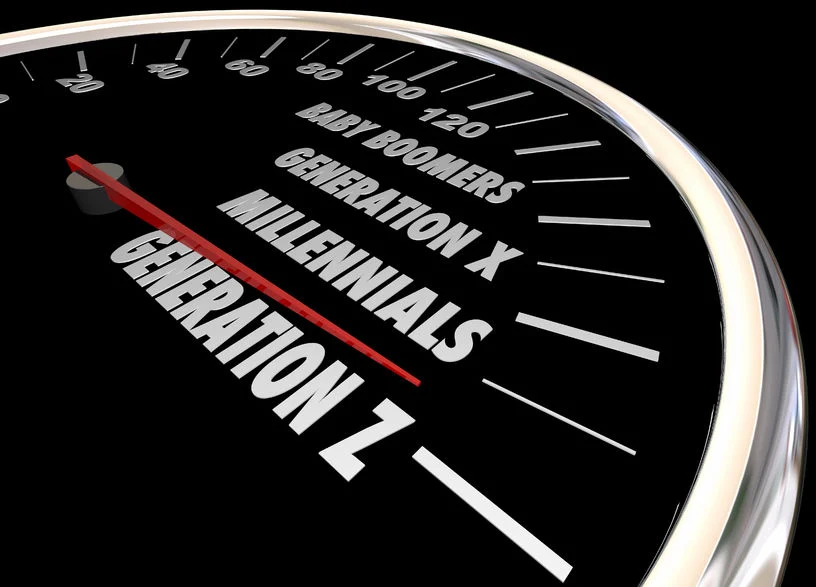
The modern professional landscape is undergoing a significant transformation with the increasing entry of Generation Z, individuals born roughly between 1997 and 2012, into the workforce. This demographic, having grown up entirely in the digital age and navigated their formative years through global events like the COVID-19 pandemic, brings a distinct set of values, expectations, and challenges to the professional sphere. Recognizing the critical need to decipher these unique characteristics, iHire, a prominent career platform, recently published a comprehensive research report titled "Gen Z in the Workforce: Decoding a New Generation of Job Seekers." This pivotal study delves deep into the job search behaviors, evolving career aspirations, and the specific hurdles faced by Gen Z, offering indispensable insights for both bridging the perceptual gap between this emerging workforce and today’s employers and fostering a more symbiotic employment ecosystem. The report’s findings are not merely observational but serve as a crucial roadmap for employers to adapt their recruitment and retention strategies, and for Gen Z candidates to effectively market their capabilities and navigate their burgeoning careers.
Addressing Prevailing Stereotypes and Gen Z’s Self-Perception
Generation Z is acutely aware of the preconceived notions and stereotypes that often precede them in the professional world, a phenomenon not uncommon for any new generation entering the labor market. The iHire report illuminates this awareness, with a notable 34.4% of Gen Z respondents expressing concern that negative stereotypes—such as being labeled as entitled, lacking commitment, or possessing a poor work ethic—could substantially impede their job searches and hinder their long-term career progression. This concern highlights a fundamental tension: the desire to prove their worth against a backdrop of often generalized, and sometimes unfair, societal judgments.
Historically, every new generation has faced its own set of stereotypes upon entering the workforce. Millennials were once seen as job-hoppers and overly reliant on technology, while Gen X was often characterized as cynical and disengaged. Gen Z, however, enters a highly scrutinized and digitally transparent environment, where perceptions can quickly solidify. Their awareness of these stereotypes suggests a proactive approach to career management, often seeking to dismantle these myths through their actions and expressed values.
Conversely, the report also underscores a more positive set of attributes that employers frequently associate with Gen Z. Many employers commend this generation as "tech-savvy," acknowledging their innate fluency with digital tools and platforms, which is a significant asset in an increasingly digitized economy. Furthermore, Gen Z is widely recognized as "socially conscious" and "diverse," reflecting their upbringing in an era marked by heightened global awareness and advocacy for social justice. These positive stereotypes are not without merit; the iHire study found that 70.3% of Gen Zers place a high value on the alignment between their employer’s mission and their personal values, indicating a strong desire for purpose-driven work. Similarly, a substantial 68.0% prioritize their prospective company’s commitment to diversity, equity, and inclusion (DEI) initiatives. This emphasis on ethical alignment and inclusive environments distinguishes Gen Z, signaling a shift towards workplaces that reflect their broader societal concerns and personal identities. The implications for employers are clear: showcasing genuine commitment to social responsibility and DEI is not merely a moral imperative but a strategic necessity for attracting and retaining top Gen Z talent.
The Critical Soft Skills Discrepancy: A Gap in Perception
One of the most revealing findings from the iHire report pertains to the "soft skills gap," a significant disconnect between employers’ expectations and Gen Z’s self-assessment of their capabilities. A substantial 58.3% of employers surveyed believe that Gen Z job seekers need to refine their interviewing skills, while 57.5% feel there is a need for improvement in their communication with hiring managers and recruiters. These are critical areas, as effective communication and strong interviewing techniques are foundational for successful career entry and advancement.
Interestingly, while 30.4% of Gen Z candidates acknowledge facing difficulties with interviewing, suggesting some self-awareness, a more pronounced disconnect emerges in other crucial soft skill areas. For instance, 52.8% of employers perceive a need for Gen Z to enhance their workplace etiquette. Yet, a striking 73.7% of Gen Zers confidently rate their own etiquette skills as either "excellent" or "good." This disparity suggests that what constitutes "proper workplace etiquette" might be interpreted differently across generations, or that Gen Z may not fully grasp the specific nuances expected in a professional setting, which often go beyond basic politeness to include professional demeanor, digital communication protocols, and meeting decorum.
Similarly, resume writing, a perennial challenge for job seekers, reveals another perceptual gap. While 48.4% of employers believe that Gen Z needs to improve their resume-writing abilities, a robust 68.4% of Gen Zers express confidence in their skills in this area. This divergence could stem from several factors: Gen Z’s familiarity with digital platforms might lead them to believe that online profiles or less formal communication styles are sufficient, or they might be leveraging AI tools (as discussed later) in ways that employers find less effective. This gap underscores the need for clearer communication from employers about their expectations for professional documents and for educational institutions and career services to bridge this understanding. The implications are profound for talent development, suggesting that structured training in these critical soft skills, tailored to Gen Z’s learning styles, could significantly enhance their employability and workplace readiness.
Navigating the AI Frontier: Concerns and Adoption Patterns
The advent of Artificial Intelligence (AI) presents a dual-edged sword for Generation Z, a generation uniquely positioned at the intersection of rapid technological advancement and an evolving job market. The iHire report highlights this paradox, revealing that while 33.2% of Gen Zers harbor concerns that AI might eventually replace their jobs or diminish their roles, a significant portion of them are paradoxically slow to adopt generative AI tools in their immediate job search endeavors. Specifically, 42.7% of Gen Z respondents admitted to never having utilized AI tools such as ChatGPT to craft resumes or cover letters.
This finding presents an intriguing dichotomy. On one hand, Gen Z’s apprehension about AI’s impact on job security is understandable, given the widespread discussions about automation and its potential to reshape various industries. As digital natives, they are acutely aware of technological shifts and their disruptive potential. This concern is not unfounded; various reports from institutions like the World Economic Forum have predicted significant job displacement and creation due to AI, particularly impacting entry-level roles that Gen Z often occupies.
On the other hand, their hesitation to leverage readily available AI tools for job search efficiency is unexpected for a generation often characterized by its tech-savviness. Several factors could contribute to this apparent reluctance. It might stem from a lack of awareness regarding the full capabilities of these tools, a skepticism about the quality of AI-generated content, or a preference for personalizing their applications rather than relying on automated responses. There could also be a perceived ethical dilemma or a fear of being detected for using AI, potentially leading to negative employer perceptions. For instance, while AI can assist in drafting, the nuances of personal experience and authentic voice often require human oversight, something Gen Z might prioritize.
The implications for both Gen Z and employers are substantial. For Gen Z, understanding how to ethically and effectively integrate AI into their professional toolkit – from optimizing job applications to enhancing productivity and learning new skills – will be crucial for future career success. For employers, this presents an opportunity to educate candidates on the beneficial uses of AI in the workplace, mitigating fears and fostering a culture of informed adoption. Furthermore, as AI becomes more pervasive in hiring processes (e.g., AI-powered resume screening), Gen Z candidates who understand how to optimize their applications for both human and AI reviewers will gain a significant advantage. The slow adoption rate also suggests a potential gap in digital literacy specifically concerning generative AI’s practical applications in career development, an area ripe for educational intervention.
Defining the "Dream Job": Values, Preferences, and Long-Term Goals
Contrary to some enduring stereotypes that paint Generation Z as non-committal or transient in their career aspirations, the iHire report provides compelling evidence of their long-term vision and commitment to finding fulfilling work. A significant 69.3% of Gen Zers report having a specific "dream job" in mind that they aspire to achieve within the next decade. This finding challenges the notion of a fickle workforce and instead highlights a generation that is strategic about its career path, albeit one that is highly values-driven.
When it comes to defining their ideal workplace, Gen Z’s priorities are clear and consistent. A positive work environment stands out as the paramount factor for 82.4% of respondents, indicating a strong desire for supportive, respectful, and collaborative cultures over purely transactional employment. Fair pay closely follows at 82.2%, demonstrating that while values are crucial, equitable compensation remains a fundamental expectation for financial stability and recognition of their contributions. Work-life balance is also a top priority for 81.3%, reflecting a generation that has witnessed the pitfalls of burnout and prioritizes personal well-being alongside professional achievement. This emphasis on holistic well-being is particularly pronounced in a post-pandemic world, where the boundaries between work and personal life have often blurred.
Beyond these foundational elements, the report also sheds light on Gen Z’s preferences for autonomy and leadership roles. A substantial 36.7% seek roles that offer significant autonomy, underscoring a desire for independence, trust, and the ability to take ownership of their work. This preference for self-direction suggests that micromanagement or overly rigid structures may be particularly demotivating for this generation. Interestingly, a smaller proportion, only 22.0%, aspire to traditional managerial positions. This could be interpreted in several ways: a preference for individual contributor roles where they can specialize and excel, a skepticism about the burdens or perceived lack of impact in traditional management, or a redefinition of what "leadership" entails, potentially favoring influence and innovation over hierarchical authority.
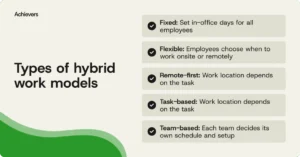
Perhaps one of the most surprising findings, especially given their moniker as "Zoomers" and their reputation for digital native fluency, is Gen Z’s preference for in-person work environments. The report reveals that 82.4% of Gen Zers desire to work in person at least some of the time. This preference further breaks down into 55.8% favoring entirely in-person setups and 26.6% opting for a hybrid model. Only a small minority, 17.6%, expressed a desire for completely remote work. This finding contradicts the common assumption that a generation so adept with virtual communication would universally gravitate towards remote work. Their preference for physical presence could be driven by a desire for clear boundaries between work and home, a need for in-person social connection and mentorship, or a belief that physical presence accelerates learning and career development, particularly in early career stages. For employers, this indicates that while flexibility is valued, a complete shift to remote-only models might not resonate with the majority of Gen Z talent, suggesting that thoughtful hybrid strategies or compelling in-office environments will be key to attracting and retaining them.
Obstacles to Entry: The Modern Job Market’s Barriers
Despite their ambition and clear preferences, Gen Z job seekers frequently encounter significant hurdles in their quest to secure suitable employment. The iHire report meticulously outlines these challenges, painting a picture of a generation grappling with a job market that often appears misaligned with their qualifications and expectations.
A substantial 38.6% of Gen Z respondents reported struggling to find jobs that genuinely match their skills and experience. This pervasive issue points to a fundamental mismatch that can be attributed to several factors. It could indicate that while Gen Z possesses valuable digital and analytical skills, the specific "hard skills" or industry-specific experience demanded by employers for entry-level roles are often out of reach. Alternatively, it might suggest that Gen Z candidates are not effectively translating their transferable skills (developed through academic projects, internships, or even digital content creation) into the language that employers recognize and value on resumes and during interviews. This disconnect can lead to prolonged job searches and a sense of frustration among qualified candidates.
Further exacerbating this challenge, 25.6% of Gen Zers expressed frustration with what they perceive as overly specific or unrealistic job requirements from employers, particularly for entry-level opportunities. This sentiment highlights a significant barrier to entry for new graduates and early-career professionals. Many job descriptions for "entry-level" positions often demand several years of experience, a paradox that leaves Gen Z feeling caught in a catch-22: they need experience to get a job, but they can’t get experience without a job. This phenomenon is not new, but it is particularly acute for Gen Z as they enter a competitive post-pandemic labor market. Employers, perhaps seeking to minimize training costs or reduce perceived risk, may inadvertently be creating unnecessarily high barriers, thereby excluding a pool of potentially highly capable and eager young talent. The implication here is a call for employers to re-evaluate their job requirements, focusing on core competencies and potential rather than rigid, often exclusionary, experience mandates, and to invest more in structured onboarding and training programs for new hires.
Bridging the Generational Divide: A Path Forward
The findings of iHire’s "Gen Z in the Workforce" report serve as a critical clarion call for mutual understanding and adaptive strategies from both employers and Generation Z candidates. Steve Flook, iHire’s President and CEO, powerfully articulates this imperative, emphasizing the unique confluence of experiences that have shaped this generation. "Generation Z possesses unique perspectives and values shaped by growing up in the digital age and experiencing the pandemic during their formative years," Flook states. "As Gen Z permeates the workforce, employers need to understand how to recruit, retain, engage, and motivate this group. Likewise, Gen Z candidates must understand employers’ expectations and how to best market themselves to find the right jobs. Our report aims to provide insights to both sides to move the employment market toward a brighter future."
This statement encapsulates the core challenge and opportunity: to foster a symbiotic relationship where both parties actively engage in bridging the generational divide. For employers, this means moving beyond anecdotal stereotypes and embracing data-driven insights to tailor their talent acquisition and management strategies. It requires a proactive approach to understanding Gen Z’s values, such as their strong desire for purpose-driven work, commitment to DEI, and preference for positive work environments and work-life balance. Employers must critically assess their existing recruitment channels, job descriptions, and workplace cultures to ensure they resonate with this new generation. This could involve updating employer branding to highlight social responsibility, offering mentorship programs, or redesigning entry-level roles to provide more autonomy and clear growth paths. Investing in targeted training to bridge the perceived soft skills gap, rather than simply lamenting its existence, will also be crucial. HR professionals are increasingly advocating for competency-based hiring over experience-based hiring to unlock Gen Z’s potential.
Concurrently, Gen Z candidates have a responsibility to actively understand and adapt to employer expectations. While their values are valid and important, effective career navigation often requires strategic self-presentation and skill development. This includes refining critical soft skills like interviewing, professional communication, and workplace etiquette—perhaps seeking external coaching or leveraging career services to translate their digital fluency into formal professional conduct. Understanding how to articulate their skills and experiences effectively on resumes and during interviews, particularly when facing unrealistic job requirements, is paramount. Furthermore, Gen Z can benefit from embracing continuous learning, not just in technical skills but also in understanding organizational dynamics and professional norms. By actively seeking feedback and demonstrating adaptability, they can dismantle negative stereotypes and prove their commitment and value. Educational institutions and career development programs play a vital role here, needing to integrate more practical soft skills training and offer guidance on navigating the modern job search, including the ethical use of AI tools.
Broader Implications for the Future of Work
The iHire report’s findings extend beyond immediate recruitment challenges, offering profound implications for the broader future of work. As Gen Z continues to swell the ranks of the global workforce, their unique perspectives and priorities will undoubtedly reshape workplace norms, organizational cultures, and leadership styles. The emphasis on purpose, ethical alignment, and well-being will likely become more mainstream, pushing companies to adopt more transparent and socially responsible business practices.
The report suggests a future where organizations that genuinely prioritize employee experience, foster inclusive environments, and offer meaningful work will have a significant competitive advantage in attracting and retaining talent. The perceived soft skills gap highlights a crucial area for investment in human capital development, underscoring the enduring importance of interpersonal and communication abilities even in an increasingly automated world. Furthermore, the nuanced relationship with AI—balancing apprehension with potential for adoption—signals a need for ongoing dialogue and education regarding the ethical and practical integration of technology in careers.
Ultimately, the insights provided by iHire’s comprehensive study serve as a critical foundation for fostering a more harmonious and productive employment market. By embracing mutual understanding, open communication, and adaptive strategies, both employers and Generation Z can navigate the complexities of the evolving job market, paving the way for a brighter and more inclusive professional future. The success of future enterprises will increasingly depend on their ability to decode and strategically engage with this transformative generation, ensuring that their unique talents and values are not only recognized but also fully integrated into the fabric of the global economy.