
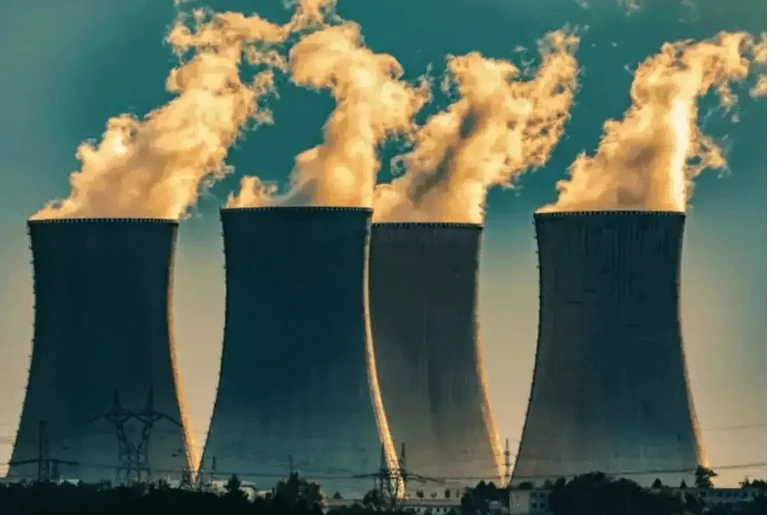
India’s ambitious target to significantly expand its nuclear power capacity to 100 GW by the year 2047, a monumental increase from its current operational capacity of approximately 8.8 GW, is confronting substantial challenges, primarily concerning the availability of a specialized workforce and the accessibility of appropriate financing mechanisms. This strategic energy transition, projected to necessitate investments upwards of $210 billion, hinges not only on technological prowess and regulatory frameworks but critically on the nation’s capacity to cultivate and sustain a highly skilled talent pool and to unlock robust capital flows. The recent opening of India’s hitherto tightly controlled nuclear sector to private players underscores the urgency of addressing these foundational issues, as the industry prepares for unprecedented growth and diversification.
The Nuclear Vision: Context and Rationale for Expansion
India’s pursuit of a vast nuclear energy footprint is deeply rooted in its overarching energy security imperatives, rapidly escalating electricity demand, and ambitious climate change commitments. As the world’s most populous nation, India’s energy consumption is projected to surge dramatically in the coming decades, driven by industrialization, urbanization, and a growing middle class. To sustain an economic growth trajectory while simultaneously mitigating environmental impact, a diversified energy mix featuring stable, low-carbon baseload power sources like nuclear energy is indispensable.
The country has pledged to achieve net-zero carbon emissions by 2070 and to meet 50% of its energy requirements from renewable sources by 2030. While solar and wind power are rapidly expanding, their inherent intermittency necessitates reliable baseload power to ensure grid stability. Nuclear power offers a high-capacity factor, operating continuously for extended periods, thus providing a crucial complement to variable renewable energy sources. Furthermore, indigenous nuclear power development enhances energy independence, reducing reliance on volatile international fossil fuel markets. The current energy mix in India is heavily dominated by coal, accounting for over 70% of electricity generation, making the transition to cleaner alternatives a strategic imperative for public health and environmental sustainability.
Historical Trajectory and Policy Shifts
India’s nuclear energy program, initiated in the late 1940s under the visionary leadership of Homi J. Bhabha, has historically emphasized self-reliance and indigenous technological development. The Department of Atomic Energy (DAE) and the Nuclear Power Corporation of India Limited (NPCIL) have been the primary drivers, developing Pressurised Heavy Water Reactors (PHWRs) based on domestic technology. This self-sufficient approach was particularly crucial during periods of international sanctions and technology denial.
Key milestones in India’s nuclear journey include the commissioning of its first nuclear power plant at Tarapur in 1969, followed by steady but measured growth. The landmark India-US civil nuclear deal in 2008 marked a significant turning point, ending India’s nuclear isolation and opening avenues for international cooperation, technology transfer, and access to imported fuel. This deal paved the way for future projects involving foreign reactor technologies, such as the VVER reactors from Russia at Kudankulam and planned projects with French and American companies.
A pivotal policy shift occurred in 2023 when the Indian government decided to open its nuclear power sector to private investment. This move was a recognition that achieving the ambitious 2047 target would require substantial capital infusion and potentially faster project execution capabilities that could be leveraged from the private sector. The government’s decision allows private companies to invest in the non-commercial aspects of nuclear power generation, such as setting up facilities for fuel fabrication, component manufacturing, and even power generation, with NPCIL remaining the sole operator. This policy aims to catalyze the development of a robust domestic nuclear supply chain and accelerate project timelines.
The Looming Workforce Crisis
Despite the clear strategic intent, industry leaders and executives have consistently flagged a severe shortage of specialized education and training as a major impediment to achieving the 100 GW target. The nuclear industry demands an exceptionally high level of precision, safety consciousness, and interdisciplinary expertise, encompassing nuclear physics, reactor engineering, materials science, safety analysis, waste management, instrumentation and control, and radiation protection, among others.
The challenge is multi-faceted:
- Limited Academic Programs: Outside a handful of premier institutions like the Bhabha Atomic Research Centre (BARC) Training School and a few Indian Institutes of Technology (IITs), specialized academic programs in nuclear engineering and related disciplines are scarce. This limits the funnel for entry-level professionals.
- Specialized Skill Gaps: The need extends beyond theoretical knowledge to practical, hands-on skills required for the design, construction, operation, maintenance, and eventual decommissioning of nuclear facilities. These include highly skilled technicians, welders, electricians, mechanical fitters, and instrumentation specialists, all requiring nuclear-specific certification.
- Long Lead Times for Training: Developing a nuclear professional is a long-term investment. An engineer or scientist typically requires several years of specialized education followed by extensive on-the-job training and certification to meet stringent safety and operational standards. For a projected capacity addition of over 90 GW (from 8.8 GW to 100 GW) over two decades, the industry would need to onboard and train tens of thousands of professionals across various levels annually.
- Aging Workforce and Brain Drain: Like many established nuclear programs globally, India faces the challenge of an aging workforce in its public sector nuclear entities. There is a continuous need to replenish this expertise and prevent a potential ‘brain drain’ to other sectors or countries.
- Competition from Other Clean Energy Sectors: India’s broader clean energy sector, including renewables and electric vehicles, is also experiencing a significant demand for skilled workers, creating competition for STEM graduates and technical professionals.
The absence of a robust talent pipeline threatens to create bottlenecks in project execution, compromise safety standards if inadequately trained personnel are deployed, and slow down the pace of indigenous technological innovation. An industry veteran, speaking on condition of anonymity, emphasized, "We need a concerted national effort, a ‘nuclear mission’ for talent, mirroring our space or IT missions. The skills required are unique, and their development takes time, which we are rapidly running out of if we are serious about 2047."
Addressing the Talent Gap: Initiatives and Responses
Recognizing the criticality of this issue, the NITI Aayog, the premier policy think tank of the Government of India, has formed a dedicated committee to comprehensively examine strategies for building nuclear expertise at various levels. This committee’s mandate includes identifying specific skill gaps, recommending curriculum reforms, proposing new academic and vocational training programs, and fostering collaboration between academia, industry, and government research institutions.
The private sector, particularly foreign entities operating in India, is also taking proactive steps. France-based EDF, which has a significant presence in India through EDF Nuclear Projects India and is involved in the proposed Jaitapur nuclear power plant project, has initiated certification programs with its Indian vendors and supply chain partners. These programs are designed to uplift the technical capabilities of the domestic manufacturing and construction ecosystem, ensuring that Indian suppliers can meet the rigorous quality and safety standards required for nuclear components. A representative from EDF noted, "Our certification programs are not just about compliance; they are about capacity building, fostering a robust domestic supply chain essential for long-term projects like Jaitapur. This will be critical for India’s self-reliance in nuclear technology."
Further initiatives under consideration include:
- Expansion of Vocational Training: Establishing specialized ITIs (Industrial Training Institutes) and polytechnics focused on nuclear-specific trades.
- Industry-Academia Partnerships: Encouraging universities to offer specialized degrees, diplomas, and research opportunities in nuclear science and engineering, with industry providing internships and practical exposure.
- Apprenticeship Programs: Creating structured apprenticeship pathways that combine theoretical learning with extensive on-the-job training at existing nuclear facilities or upcoming project sites.
- Skill Upgradation for Existing Workforce: Implementing continuous professional development programs to ensure that the current workforce remains abreast of technological advancements and evolving safety protocols.
- Attracting Young Talent: Launching awareness campaigns and scholarship programs to draw bright young minds into the nuclear sector, highlighting its strategic importance and career opportunities.
Navigating the Financial Labyrinth
Beyond the human capital challenge, securing the estimated $210 billion investment presents another significant hurdle. While the government’s opening of the sector to private players aims to inject capital, the existing financing frameworks pose limitations.
India’s sovereign green bond framework, green deposit regulations, and other emerging green financing mechanisms currently do not explicitly include nuclear investments. This exclusion makes it challenging for project developers, both public and private, to access preferential ‘green’ funding, which typically comes with lower interest rates and more favorable terms. The rationale behind this exclusion often stems from historical perceptions of nuclear risks (safety, waste management, proliferation) and the long gestation periods of nuclear projects, despite its undeniable low-carbon credentials.
NITI Aayog has actively called for a review of these frameworks to facilitate greater capital flows into the nuclear sector. A senior official from NITI Aayog stated, "We are actively engaging with the finance ministry and RBI to re-evaluate existing frameworks to ensure nuclear energy is recognized for its green credentials. This alignment is crucial for unlocking both domestic and international capital."
Globally, there is a growing recognition of nuclear power as a vital low-carbon source of energy. Countries like the United States, Canada, and several European nations have either included nuclear in their green taxonomies or are actively considering it. The European Union’s inclusion of nuclear power under its sustainable finance taxonomy, albeit with strict conditions, reflects a significant shift in perception among global financial institutions. This evolving global consensus could potentially pave the way for India to re-evaluate its own definitions of "green" investments.
Challenges for private players entering the nuclear sector include:
- High Upfront Costs: Nuclear power plants are capital-intensive projects with substantial initial investments.
- Long Gestation Periods: Construction timelines can stretch to a decade or more, requiring patient capital and robust financial planning.
- Regulatory Complexities: Navigating the stringent regulatory environment and obtaining various clearances can be time-consuming and costly.
- Perceived Risk: Despite excellent safety records globally, the perception of risk associated with nuclear power can deter some investors.
To overcome these financing constraints, India will need a multi-pronged strategy involving public-private partnerships (PPPs), government-backed loans, export credits from international financing agencies, and potentially innovative financial instruments tailored for long-term, capital-intensive infrastructure projects. Exploring international collaboration and attracting foreign direct investment (FDI) into the nuclear supply chain could also play a crucial role.
Broader Implications and Strategic Imperatives
Successfully navigating these dual challenges of workforce development and financing is paramount for India’s strategic future. The implications extend far beyond mere electricity generation:
- Energy Independence and Security: A robust nuclear program significantly enhances India’s energy security, reducing its vulnerability to geopolitical events affecting fossil fuel supplies.
- Climate Change Mitigation: Achieving the 100 GW target would substantially de-carbonize India’s electricity grid, making a significant contribution to its climate goals and global efforts to combat climate change.
- Economic Multiplier Effect: The nuclear sector is a high-technology industry that creates high-value jobs, stimulates manufacturing, and fosters research and development, leading to a substantial economic multiplier effect across various sectors.
- Technological Leadership: Investing in nuclear technology bolsters India’s scientific and engineering capabilities, positioning it as a leader in a critical future-forward technology. This aligns with the ‘Atmanirbhar Bharat’ (Self-Reliant India) vision.
- Regional Influence: A strong nuclear program enhances India’s standing as a responsible nuclear power with advanced capabilities, contributing to its regional and global diplomatic influence.
The journey to 100 GW by 2047 requires a holistic, long-term national strategy. This strategy must involve close coordination between the Department of Atomic Energy, NITI Aayog, the Ministry of Finance, educational institutions, public sector undertakings like NPCIL, and the burgeoning private sector. It will demand sustained political will, innovative policy interventions, and a commitment to nurturing both human capital and financial resources.
In conclusion, India’s ambitious nuclear expansion plan represents a critical pillar of its future energy strategy, essential for meeting surging demand, achieving climate targets, and bolstering energy security. However, the path to 100 GW is intricately linked to the nation’s ability to forge a robust pipeline of specialized talent capable of designing, building, operating, and maintaining advanced nuclear infrastructure, concurrently with unlocking and streamlining the colossal financial investments required. Without a concerted and integrated approach to address these fundamental workforce and financing hurdles, the vision of a nuclear-powered future for India risks being significantly delayed or curtailed. The coming years will be crucial in demonstrating India’s capacity to translate its grand nuclear aspirations into tangible reality.








