London’s flexible workspace market has demonstrated a robust recovery at the outset of 2026, with significant upticks in occupancy rates and private office revenue across the capital, according to a comprehensive analysis by Coworking Europe. The report, released in late August 2026, paints a picture of a sector regaining its momentum after periods of flux, driven by evolving work patterns and a renewed demand for agile office solutions.
Key Findings: A Resilient Market Rebounds
The Coworking Europe report, based on data gathered through the end of the first quarter of 2026, highlights that average revenue generated from occupied private offices reached an impressive £2,190 per square meter annually. This figure underscores the increasing value placed on dedicated, flexible office spaces by businesses seeking adaptability and cost-efficiency. Concurrently, the overall occupancy rate for flexible workspaces across London climbed to a healthy 83.8%, indicating a strong return of professionals and companies to these collaborative and adaptable environments.
This resurgence in occupancy and revenue signals a positive trajectory for London’s flexible office sector, suggesting that businesses are increasingly embracing hybrid work models and recognizing the strategic advantages of flexible space solutions. The data suggests a stabilization and growth phase after a period where the market navigated the complexities of remote work mandates and subsequent return-to-office strategies.
Central London Dominance: West End and City Core Lead the Charge
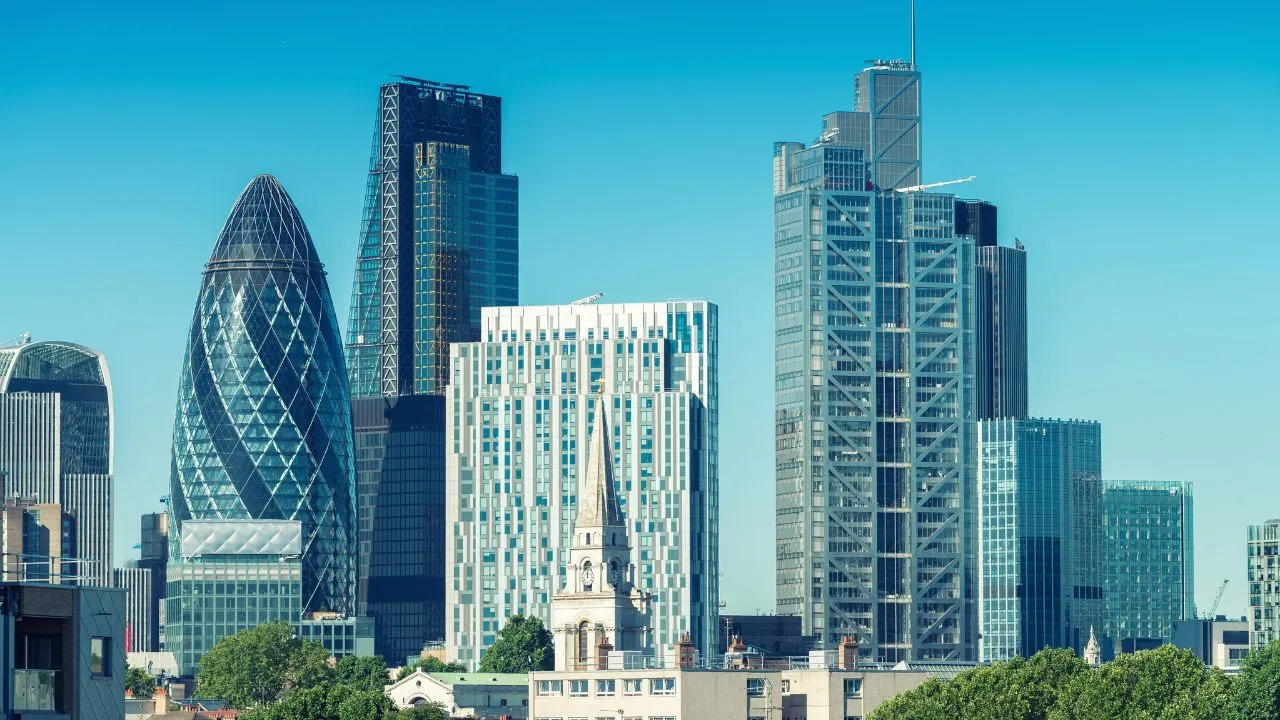
The analysis further reveals that Central London continues to be the powerhouse of the flexible workspace market, with both the West End and the City Core submarkets exhibiting exceptional performance. These prime locations recorded occupancy rates exceeding 87%, a testament to their enduring appeal and strategic importance for businesses.
The West End, in particular, not only achieved high occupancy but also commanded the highest revenue per square meter within the flexible office landscape. Flexible workspaces in this prestigious district generated approximately £2,770 per square meter annually. This figure represents a substantial premium, standing roughly 26% above the London average, illustrating the strong demand and premium pricing that can be achieved in this highly sought-after area. The West End’s appeal is likely amplified by its status as a hub for creative industries, finance, and technology, sectors that often prioritize flexible and well-located office solutions.
The City Core, while slightly trailing the West End in revenue, also demonstrated robust performance, benefiting from its status as a global financial center and its ongoing evolution to accommodate modern working practices. The demand for flexible space in this area is likely driven by a mix of established financial institutions seeking agile satellite offices and burgeoning fintech startups requiring adaptable premises.
Midtown’s Momentum: Strongest Revenue Growth
Among the various submarkets tracked, London Midtown emerged as a standout performer in terms of revenue growth. The area experienced the most significant increase in revenue per square meter over the six months leading up to the first quarter of 2026, with a notable rise of 7.4%. This surge brought the annual revenue in Midtown to approximately £2,440 per square meter.
Midtown’s appeal as a flexible workspace location has been amplified by its central accessibility, diverse amenities, and a growing reputation as a vibrant business district. The area has seen a concerted effort in recent years to enhance its infrastructure and attract a wider range of businesses, making it an increasingly attractive proposition for flexible office providers and their clients.

Furthermore, occupancy in Midtown also saw a strong rebound, reaching 86.4%. This figure is remarkably close to its peak occupancy rate of 86.8% recorded in 2025, indicating a swift recovery and a sustained demand for flexible office solutions in this strategic London location. The consistent growth in both revenue and occupancy suggests that Midtown is successfully positioning itself as a competitive and desirable flexible workspace hub.
Uneven Performance: East London’s Shifting Landscape
While much of London’s flexible workspace market is showing positive momentum, the performance has not been uniformly strong across all areas. East London, a region that has historically been a vibrant hub for startups and creative industries, presented a more mixed picture.
Specifically, Old Street and Shoreditch, traditionally known for their dynamic tech and creative scenes, experienced a decline in occupancy. Over the same six-month period leading up to Q1 2026, these areas saw a fall of 4.1% in occupancy rates, placing them among the weaker-performing segments of the market in the latest data. This dip may be attributed to several factors, including a potential saturation of the market, increased competition, or a shift in demand towards other emerging business districts.
The performance in East London could also reflect broader economic trends or a recalibration of demand for flexible office space within specific industries that are heavily concentrated in these areas. The tech and creative sectors, while often early adopters of flexible working, may also be subject to greater volatility and evolving operational needs.
Background and Context: The Evolving Flexible Workspace Landscape

The current strength of London’s flexible workspace market is a product of a dynamic evolution that has been underway for years, significantly accelerated by the COVID-19 pandemic. Prior to the pandemic, flexible workspaces, including coworking spaces, serviced offices, and managed spaces, were already gaining traction as businesses sought greater agility, reduced overheads, and more collaborative work environments.
The pandemic, however, acted as a catalyst, forcing a rapid re-evaluation of traditional office models. As companies grappled with remote work mandates and the logistics of ensuring employee safety, the appeal of flexible and scalable office solutions intensified. This led to a surge in demand for flexible workspaces, as businesses looked to reduce their long-term lease commitments and adapt to fluctuating workforce needs.
The initial period of the pandemic saw a dip in occupancy and revenue as many companies scaled back their office footprints or adopted fully remote models. However, as the immediate crisis subsided and the concept of hybrid work solidified, there was a notable shift. Companies began to recognize the benefits of having a physical presence, albeit a more flexible one, for collaboration, team building, and fostering company culture. This led to a renewed interest in flexible workspaces, which offered the ideal solution: dedicated spaces that could be scaled up or down as needed, without the long-term commitments of traditional leases.
The data from early 2026 suggests that this trend has not only continued but has solidified, with businesses increasingly viewing flexible workspaces as a strategic component of their operational infrastructure. The focus has shifted from a temporary workaround to a deliberate choice for agility and efficiency.
Analysis of Implications: A Strategic Shift in Commercial Real Estate
The robust performance of London’s flexible workspace market in early 2026 carries significant implications for the broader commercial real estate sector and the future of work in the capital.

- Resilience of the Hybrid Model: The sustained demand for flexible offices strongly supports the viability and growth of hybrid work models. It indicates that businesses are moving beyond the experimental phase and integrating flexible space into their long-term strategies. This suggests that the traditional office model, characterized by long-term leases and fixed footprints, will continue to face competition from more adaptable solutions.
- Investment Opportunities: The strong revenue generation, particularly in prime locations like the West End and City Core, makes flexible workspace a highly attractive investment class. Investors are likely to see this sector as a key growth area within commercial real estate, potentially leading to increased development and expansion of flexible workspace offerings.
- Urban Planning and Infrastructure: The continued success of flexible workspaces, especially in central business districts, highlights the ongoing need for well-connected, amenity-rich urban environments. This could influence future urban planning decisions, with a greater emphasis on mixed-use developments that integrate residential, retail, and adaptable office spaces.
- Tenant-Landlord Dynamics: The power dynamic between tenants and landlords in the traditional office market may continue to shift. As flexible workspace providers offer more attractive terms and adaptability, traditional landlords may be pressured to offer more flexible lease structures or consider converting portions of their portfolios to flexible offerings.
- Impact on the Wider Economy: The availability of flexible workspaces can foster entrepreneurship and support small and medium-sized enterprises (SMEs) by providing access to professional office environments without significant upfront capital expenditure. This can contribute to job creation and economic dynamism.
Future Outlook: Navigating Continued Evolution
While the current data paints a positive picture, the flexible workspace market is inherently dynamic and will likely continue to evolve. Factors such as economic conditions, technological advancements, and ongoing shifts in workforce preferences will shape its future trajectory.
The uneven performance in areas like East London also suggests that the market is not monolithic. Providers and businesses will need to remain attuned to the specific needs and dynamics of different submarkets and industries. The ability to offer tailored solutions, integrate technology effectively, and foster a strong sense of community within these spaces will be crucial for continued success.
The sustained demand for flexible office solutions in London, as evidenced by the early 2026 data, underscores a fundamental change in how businesses approach their real estate needs. It signals a move towards greater agility, efficiency, and a recognition that the future of work is inherently flexible.