
Omani employers are now legally obligated to provide staff with a comprehensive six-month period to address and improve performance issues before any dismissal for inefficiency can be initiated. This significant legislative change, enshrined in Oman’s new Labour Law, Royal Decree 53/2023, which became effective in July 2023, marks a pivotal shift towards a more structured and equitable employment landscape within the Sultanate. Article 43 of this landmark legislation explicitly states that a worker cannot be terminated solely on the grounds of failing to meet efficiency targets unless the employer first precisely identifies the specific areas of underperformance and subsequently grants a mandatory six-month window for the employee to demonstrate improvement. This move underscores a broader governmental commitment to fostering a more balanced relationship between employers and employees, enhancing transparency, and strengthening workplace protections across the board.
Oman’s Landmark Labour Reforms Redefine Employment Landscape
The core tenet of the new Labour Law, particularly Article 43, is to move away from abrupt, subjective terminations towards a system of documented performance management and employee development. This six-month grace period is designed to offer employees a fair opportunity to rectify identified shortcomings, providing access to necessary training, mentorship, or adjustments in roles where appropriate. Should an employee’s performance demonstrably remain below the required standard after the conclusion of this extensive improvement period, only then may termination proceedings be advanced. A crucial additional stipulation applies to Omani nationals: if an Omani employee is dismissed under these provisions, the employing company is then mandated to recruit another Omani citizen to fill the vacant position, thereby reinforcing the Sultanate’s nationalisation efforts, commonly known as "Omanisation."
This legislative development is not merely an isolated amendment but a foundational component of a broader reform agenda championed by His Majesty Sultan Haitham bin Tarik. The law aims to cultivate a more stable, productive, and fair working environment, aligning with Oman’s ambitious Vision 2040 which prioritises human capital development and economic diversification. By introducing such stringent requirements for performance-related dismissals, Oman positions itself as a regional leader in progressive labour practices, emphasizing employee welfare and the cultivation of a skilled national workforce.
The Mandate for Performance Improvement: Article 43 Explained
Article 43 of Royal Decree 53/2023 is meticulously crafted to ensure due process and fairness. It places the onus on the employer to not only identify performance deficiencies but also to actively facilitate improvement. This involves clear communication of expectations, objective assessment of performance against predefined targets, and the provision of adequate support mechanisms. Employers are expected to maintain meticulous records of performance reviews, improvement plans, and regular feedback sessions conducted throughout the six-month period. This documentation will be crucial in any potential dispute, establishing a transparent and verifiable basis for any subsequent action.
The requirement for replacing a dismissed Omani national with another Omani national serves a dual purpose. Firstly, it safeguards against the arbitrary dismissal of Omani employees under the guise of performance issues, ensuring that the intent of the law is not circumvented. Secondly, it actively promotes the nationalisation of the workforce, a strategic imperative for Oman to build a resilient and self-sufficient economy. This provision underlines the government’s commitment to creating sustainable employment opportunities for its citizens and reducing reliance on expatriate labour in the long term, particularly in roles where Omani talent is available.
A New Era: Genesis and Evolution of Royal Decree 53/2023
The enactment of Royal Decree 53/2023 represents the culmination of extensive deliberation and a recognition of the evolving needs of Oman’s labour market. For decades, Oman’s labour relations operated under frameworks that, while serving their purpose, required modernisation to align with international best practices and the Sultanate’s ambitious developmental goals. The previous Labour Law, issued in 2003, provided a basic structure but often left considerable room for interpretation, particularly concerning performance management and dismissal procedures. This occasionally led to ambiguities and disputes, impacting both employer confidence and employee security.
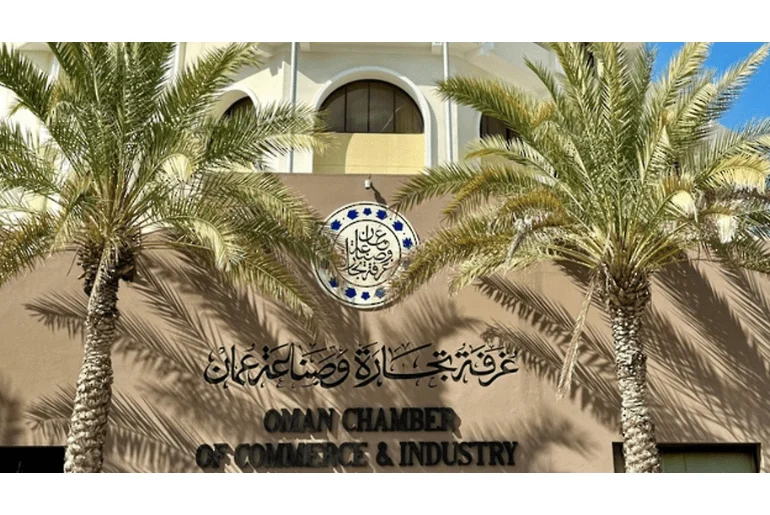
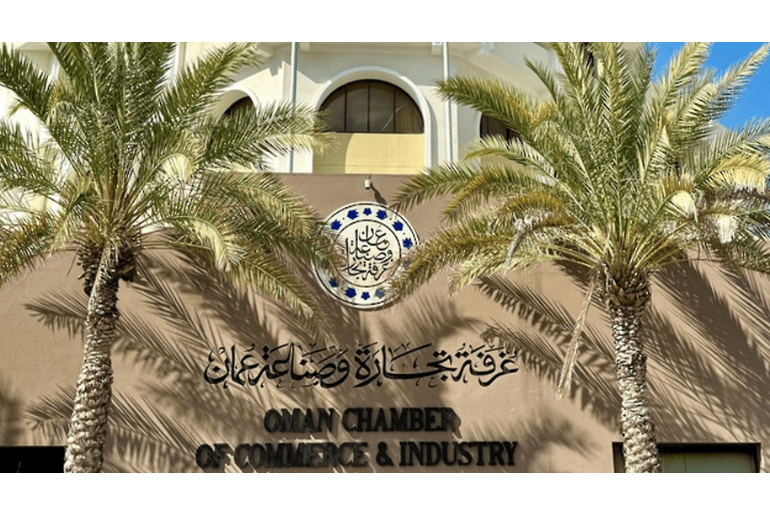
The journey towards the new law involved a multi-stakeholder consultation process. Discussions were held with various governmental bodies, including the Ministry of Labour, the Ministry of Commerce, Industry and Investment Promotion, and critically, with representatives from the Oman Chamber of Commerce and Industry (OCCI) and the General Federation of Trade Unions (GFTU). These consultations aimed to strike a delicate balance between protecting worker rights and ensuring business viability and competitiveness. The objective was to craft legislation that would foster a dynamic labour market while providing robust social protections.
The Royal Decree, issued in July 2023, signaled the official commencement of these new regulations. While the core principles were immediately effective, a period of adaptation and clarification through executive regulations and ministerial decisions is anticipated to provide granular detail on implementation across various sectors. This phased approach allows businesses and employees to gradually adjust to the new legal framework.
Sultan Haitham bin Tarik’s Vision for a Balanced Workforce
His Majesty Sultan Haitham bin Tarik has consistently articulated a vision for a modern Omani state underpinned by justice, transparency, and sustainable development. The new Labour Law is a direct manifestation of this vision, particularly concerning human capital. The Sultanate aims to cultivate a highly skilled, motivated, and stable workforce that can drive economic diversification away from traditional oil and gas revenues towards sectors like tourism, logistics, manufacturing, and technology.
The emphasis on a balanced relationship between employers and employees is central to this vision. By ensuring fair treatment and clear procedures, the government seeks to enhance trust within the workplace, reduce labour disputes, and ultimately boost productivity and economic output. This forward-looking approach positions Oman as an attractive destination for both domestic and foreign investment, as a predictable and equitable labour environment is a key factor for business confidence.
Beyond Performance: Comprehensive Protections and Economic Restructuring
The scope of Royal Decree 53/2023 extends far beyond performance-related dismissals, encompassing a wide array of worker rights and employer obligations. The law meticulously addresses various scenarios for termination, including those related to business closures, bankruptcy, downsizing, or fundamental changes in production systems. These economic-related layoffs now require a stringent pre-approval process, necessitating the consent of a specially constituted committee. This committee comprises representatives from the Ministry of Labour, the Ministry of Commerce, Industry and Investment Promotion, the Oman Chamber of Commerce and Industry, and the General Federation of Trade Unions. This multi-agency oversight ensures that such decisions are not taken lightly and consider the broader economic and social implications.
Worker rights have been significantly bolstered across the board. A notable provision prohibits employers from retaining expatriate workers’ passports without their explicit written permission. This measure addresses a long-standing issue of concern for migrant workers, granting them greater autonomy and protection against exploitation. Furthermore, expatriate workers who believe they have been unfairly dismissed are now granted a clear 30-day window to lodge a formal complaint, providing a structured mechanism for grievance redressal.
The law also enhances provisions for annual leave, guaranteeing employees at least 30 days of paid annual leave after completing six months of service. This represents a progressive standard, recognizing the importance of work-life balance and employee well-being. The flexibility to merge leave periods by mutual consent between employer and employee further caters to diverse individual needs and operational requirements, fostering a more adaptable work environment.
Safeguarding Livelihoods: The Role of the Ministerial Committee
The establishment of the ministerial committee for approving economic-related layoffs is a critical innovation. This body acts as a crucial check and balance, preventing arbitrary mass dismissals during economic downturns or business restructuring. Its composition, drawing from governmental, business, and labour representatives, ensures that decisions are made with a holistic understanding of their impact. For instance, if a company faces genuine financial distress, the committee might explore alternatives to immediate layoffs, such as temporary wage reductions, retraining programmes, or staggered reductions, aiming to preserve jobs where possible. This mechanism reflects a commitment to social responsibility and stability, mitigating the adverse effects of economic fluctuations on the workforce.
Implications for Oman’s Diverse Workforce: Employers and Employees
The new Labour Law carries profound implications for all stakeholders in Oman’s diverse workforce, encompassing both Omani nationals and expatriate workers, as well as employers across various sectors.
Navigating the New Framework: Challenges and Opportunities for Businesses
For employers, the law introduces both challenges and significant opportunities. The immediate challenge lies in adapting existing HR policies and procedures to comply with the new requirements. This includes developing robust performance management systems, ensuring transparent documentation, investing in training for managers on fair assessment practices, and potentially increasing the administrative burden associated with dismissals. Businesses will need to allocate resources for employee development programmes to genuinely support the six-month improvement period. Small and medium-sized enterprises (SMEs) might find this particularly challenging due to limited HR infrastructure and resources.
However, the long-term opportunities are substantial. A more stable and secure workforce can lead to reduced employee turnover, lower recruitment costs, and enhanced employee loyalty and productivity. The emphasis on clear performance management can foster a culture of accountability and continuous improvement. Moreover, a predictable and fair legal framework can enhance Oman’s reputation as a stable investment destination, attracting foreign direct investment (FDI) from companies seeking reliable labour relations. The initial investment in compliance and training is likely to yield returns in terms of a more engaged and higher-performing workforce.
Enhanced Security and Rights: A Boon for Workers
For employees, both Omani and expatriate, the new law represents a significant enhancement of job security and fundamental rights. The mandatory six-month improvement period provides unprecedented protection against arbitrary or sudden dismissals for performance, giving individuals a genuine chance to succeed. This increased security can lead to reduced stress, greater job satisfaction, and a stronger sense of loyalty to employers who genuinely invest in their development.
Expatriate workers, who constitute a significant portion of Oman’s labour force, particularly benefit from the provisions regarding passport retention and the clear 30-day window for lodging complaints. These measures address critical vulnerabilities often faced by migrant workers, empowering them with greater control over their personal documents and providing a formal channel for seeking redressal against unfair practices. The enhanced annual leave provisions further contribute to improved work-life balance and overall well-being.
Broader Economic and Societal Ramifications
The comprehensive reforms embodied in Royal Decree 53/2023 are expected to have far-reaching economic and societal ramifications for Oman.
Benchmarking Against Regional Standards: Oman’s Progressive Stance
Within the Gulf Cooperation Council (GCC), Oman’s new Labour Law positions it as a leader in progressive labour legislation. While other GCC nations like the UAE and Saudi Arabia have also undertaken significant labour reforms, particularly concerning visa regulations and contract flexibility, Oman’s explicit mandate for a six-month performance improvement period stands out. Many regional labour laws, while requiring notice periods and severance pay, may not stipulate such an extended, mandatory period for performance correction before termination. This unique aspect could enhance Oman’s appeal to a global talent pool and responsible international businesses looking for markets with robust worker protections and ethical labour practices. It reflects a strategic decision to align with global human rights and labour standards.
The Path Forward: Implementation and Long-Term Outlook
The success of Oman’s new Labour Law will ultimately depend on its effective implementation and consistent enforcement. This will require ongoing efforts from the Ministry of Labour to educate employers and employees, establish clear guidelines, and efficiently handle disputes. Continuous monitoring and evaluation will be essential to identify any unforeseen challenges or areas requiring further refinement.
In the long term, the law is expected to contribute significantly to Oman’s Vision 2040 objectives. By fostering a more stable, skilled, and satisfied workforce, it will underpin the Sultanate’s drive for economic diversification, enhance its global competitiveness, and attract quality investments. The emphasis on Omani talent development through the "Omanisation" mandate will strengthen the national human capital base, preparing the country for future economic challenges and opportunities. Overall, Royal Decree 53/2023 represents a bold and progressive step towards a fairer, more transparent, and more productive labour market in Oman.







