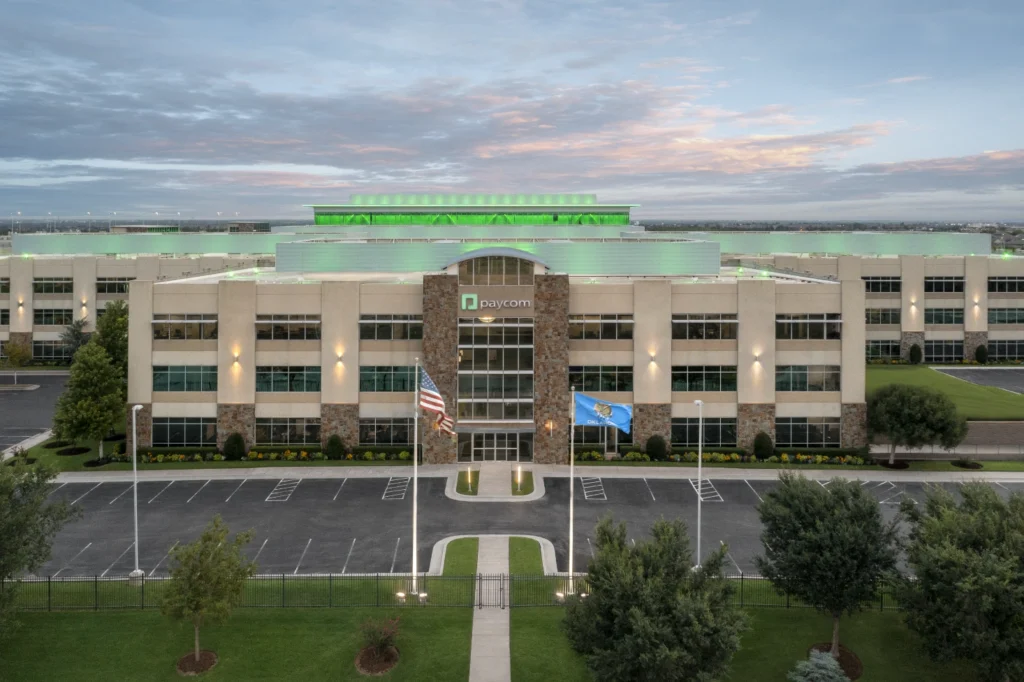
Paycom has been recognized as the leading large company for career growth in Comparably’s ninth annual Best Companies for Career Growth list, a significant indicator of employee satisfaction and development opportunities within the competitive HR technology sector. The rankings, compiled from millions of anonymous employee ratings collected between May 2025 and May 2026, place Salesforce at the second position, followed by ADP at number five. Workday, a prominent player in HR and workforce management software, secured the twenty-first spot among large organizations.
This prominent showing by HR technology firms on a list specifically measuring career advancement opportunities is particularly noteworthy in the current business climate. Talent retention has emerged as a paramount concern across virtually all industries, and the insights gleaned from these employee reviews offer valuable benchmarks for HR leaders seeking to enhance their own development programs. The list provides a transparent view into how employees perceive their internal growth trajectories within organizations that are, ironically, often tasked with helping other companies manage their workforce development.
The Evolution of Employee Growth: A Comparative Analysis
Comparably’s methodology for compiling its annual "Best Of" lists is rooted in a comprehensive analysis of employee feedback. For the Best Companies for Career Growth list, this involves a deep dive into millions of anonymous ratings submitted by employees across tens of thousands of companies in the United States and Canada. To ensure the robustness and reliability of the rankings, additional weight is given to organizations demonstrating higher participation rates relative to their overall employee count. This approach aims to capture a more representative sentiment from a broader segment of the workforce.
The criteria for inclusion in the "large company" category stipulated that organizations must employ more than 500 individuals and achieve a minimum of 75 employee participants in the rating process. For small and mid-size businesses (SMBs), the qualification criteria are adjusted to reflect their operational scale, though the core principle of gathering substantial employee feedback remains consistent. This year’s iteration saw AspireHR, a Dallas-based HR software company, achieve a notable position on the small and mid-size list, underscoring that impactful career development is not solely the domain of large corporations.
Key Themes Driving Career Advancement
Analysis of employee comments associated with the top-ranking companies reveals several recurring themes that are fundamental to fostering a culture of career growth. Transparent leadership, a visible and accessible internal mobility framework, and active managerial investment in employee development consistently emerged as critical factors.
One Paycom employee articulated this sentiment powerfully, stating that the company "wants you to grow professionally and personally." This reflects a holistic approach to employee development, where the organization’s success is intrinsically linked to the individual growth of its team members. Similarly, an employee at ADP commented on the accelerated pace of their professional development, noting they had grown "more at ADP in 7 years than any other organization." This highlights the tangible impact that a supportive and growth-oriented environment can have on an individual’s career trajectory.
For companies on the small and mid-size list, the insights often point to different, yet equally crucial, drivers of career advancement. Employee feedback at these organizations frequently emphasizes the profound impact of direct ownership and dedicated mentorship. Unlike larger enterprises that may have more formalized, structured development programs, smaller companies often see employees crediting individual managers and the opportunity for early responsibility as the primary catalysts for their growth. This suggests that in leaner environments, personal relationships and the chance to take on significant challenges can be more potent drivers of career progression than elaborate, pre-defined pathways.
The Strategic Imperative of Talent Retention in the HR Tech Landscape
The prominent placement of HR technology companies on a career growth list is more than a mere point of interest; it is a strategic imperative. In an era where acquiring and retaining top talent is a formidable challenge for businesses across all sectors, the companies that build the tools to manage talent are themselves being scrutinized on their ability to do so effectively for their own employees.
The HR tech industry is inherently a talent-driven sector. Its innovation, product development, and customer service rely heavily on a highly skilled and motivated workforce. Companies within this space are not only competing with each other for talent but also with other technology giants and industries that offer lucrative compensation and promising career paths. Therefore, excelling in employee career growth is not just about internal satisfaction; it is a critical component of their competitive advantage.
The "war for talent" has intensified in recent years, exacerbated by technological advancements like artificial intelligence and the evolving expectations of the modern workforce. Employees are increasingly seeking roles that offer not just a paycheck but also opportunities for continuous learning, skill development, and meaningful career progression. Companies that fail to meet these expectations risk high turnover, which leads to increased recruitment costs, loss of institutional knowledge, and a potential decline in productivity and innovation.
Comparably’s data, collected over a year-long period, provides a timely snapshot of this dynamic. The period between May 2025 and May 2026 falls within a broader context of economic shifts and evolving workplace trends. Companies that prioritize employee development are likely better positioned to navigate these changes, fostering a resilient and adaptable workforce.

Analyzing the Implications for the Broader Market
The success of companies like Paycom, Salesforce, and ADP in cultivating strong career growth environments offers valuable lessons for the entire business community. Their strategies, as evidenced by employee feedback, underscore the importance of:
- Transparent Communication and Leadership: Employees want to understand where the company is heading and how their individual contributions fit into the larger picture. Transparent leadership builds trust and encourages engagement.
- Visible Internal Mobility: When employees see clear pathways for advancement within their organization, they are more likely to stay and invest in their long-term careers. This includes promoting from within, offering opportunities for lateral moves to gain new skills, and providing clear criteria for promotions.
- Managerial Investment in Development: Managers play a pivotal role in an employee’s career journey. When managers actively support their team members’ growth through regular feedback, coaching, and identifying development opportunities, it significantly impacts employee satisfaction and retention.
- Empowerment and Early Responsibility (especially in SMBs): For smaller organizations, empowering employees with autonomy and entrusting them with significant responsibilities early in their tenure can be a powerful motivator and a key driver of rapid skill acquisition and career progression.
The fact that these HR technology firms are excelling in this area is particularly telling. They are in the business of understanding and optimizing HR processes. Their ability to apply these principles effectively to their own internal operations demonstrates a deep understanding of what truly drives employee engagement and loyalty. This self-awareness and practical application can serve as a model for other industries grappling with similar talent challenges.
Furthermore, the data from Comparably can inform strategic decisions for companies looking to benchmark their own HR practices. By understanding what employees at leading organizations value most in terms of career growth, HR leaders can refine their talent development strategies, implement more effective training programs, and foster a culture that prioritizes employee advancement.
The Chronology of Recognition and its Significance
Comparably’s annual Best Companies for Career Growth list has become a respected benchmark in the HR landscape. The ninth iteration of this list, covering the period from May 2025 to May 2026, represents a culmination of employee experiences over a full fiscal or calendar year. This extended timeframe allows for a more comprehensive assessment of the impact of an organization’s career development initiatives, moving beyond short-term initiatives to reflect sustained commitment.
The consistent appearance of established HR tech players on such lists is not accidental. These companies often have mature HR departments that are themselves focused on innovation and employee experience. Their business models are, in part, built around the concept of enabling growth and development, and this ethos often permeates their internal culture.
Supporting Data and Broader Context
While specific supporting data points beyond employee ratings are not detailed in the provided text, the broader context of the talent market offers significant backing to the importance of this recognition. Reports from various HR analytics firms and labor market studies consistently highlight the rising costs of employee turnover and the increasing demand for skilled professionals. For example, studies have indicated that the cost of replacing an employee can range from 50% to 200% of their annual salary, depending on the role’s seniority and the cost of specialized training.
The trend of employees seeking more from their employers than just a job has been amplified in recent years. The COVID-19 pandemic, in particular, led many individuals to re-evaluate their career priorities, with a greater emphasis placed on work-life balance, professional development, and a sense of purpose. Companies that can demonstrably offer these elements are likely to attract and retain top talent more effectively.
Potential Reactions and Future Outlook
While direct statements from the listed companies or Comparably itself are not available in the provided excerpt, it is reasonable to infer that such recognition would be met with pride and a renewed commitment to their employee development strategies. Companies like Paycom and Salesforce are likely to leverage this award in their employer branding efforts, showcasing their commitment to their workforce as a key differentiator.
For competitors not appearing as high on the list, this serves as a call to action. They may undertake internal reviews of their career development programs, seeking to identify areas for improvement and to better understand employee needs and aspirations.
Looking ahead, the HR technology sector will continue to be a focal point for talent acquisition and retention strategies. As these companies innovate in their product offerings, their ability to attract and nurture the talent required for that innovation will remain paramount. The insights from Comparably’s list provide a valuable roadmap for achieving this, emphasizing that a strong commitment to employee growth is not just a benefit but a core business strategy. The continuous evolution of the workplace demands that organizations, particularly those in the HR tech space, remain agile and responsive to the ever-changing needs and aspirations of their workforce. The companies that consistently invest in their people will undoubtedly be the ones that thrive in the competitive landscape of the future.