
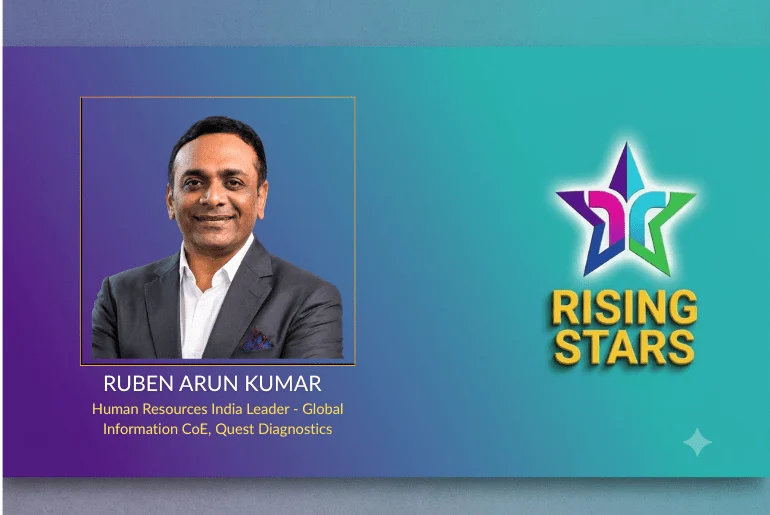
After more than two decades navigating the intricate world of human resources, Ruben Arun Kumar, a distinguished finalist for the prestigious HRKatha Rising Star Leadership Award 2025, has distilled the essence of an effective HR function into a deceptively simple, yet profound, philosophy: its efficacy is not measured by the volume of processes it manages or policies it administers, but by the depth of trust it inspires, compelling individuals to seek its counsel proactively, long before nascent issues escalate into full-blown crises. This paradigm shift, from an administrative backbone to a trusted strategic partner, marks a significant evolution within the HR profession, one that Kumar’s career trajectory vividly embodies and advocates.
The Evolving Landscape of HR: A Two-Decade Transformation
Kumar’s journey in HR began at a time when the function was largely perceived as a transactional arm of the business, primarily responsible for payroll, benefits, compliance, and employee record-keeping. Over the past twenty years, the industry has undergone a seismic shift, driven by technological advancements, globalization, changing workforce demographics, and an increased recognition of human capital as a strategic asset. The evolution has seen HR move from personnel management to human capital management, and more recently, to a pivotal role in organizational strategy, culture shaping, and talent development. This transformation, often characterized by the integration of HR into core business objectives, has necessitated a new breed of HR leader—one who is not just adept at processes but is also a skilled communicator, an empathetic listener, and a trusted advisor. Kumar’s career has not merely observed this shift; it has actively shaped and championed it, positioning him as a leading figure in this new era of HR.
Ruben Arun Kumar: A Profile in Trusted Leadership
When invited to reflect on how colleagues might describe him, Kumar deliberately selects three unassuming yet powerful adjectives: calm, composed, and dependable. While these traits might initially appear to be mere aspects of his personality, they are, in fact, fundamental pillars of his leadership ethos and a testament to his understanding of HR’s true leverage. In a professional landscape often characterized by rapid change and inherent conflict, Kumar believes that genuine influence is not wielded through hierarchical authority or rigid adherence to rules, but rather cultivated through the unwavering confidence that one will be met with careful listening, judicious decision-making, and steadfast reliability, especially when disparate interests converge or collide. This steady presence fosters an environment where honesty and vulnerability are welcomed, making him an invaluable confidant for both employees and senior leadership. His recognition as a finalist for the HRKatha Rising Star Leadership Award 2025 underscores the industry’s acknowledgement of leaders who champion this human-centric, advisory approach.
The Cornerstone of Connection: Relationships and Empathy
If granted the opportunity to impart wisdom to his younger self, Kumar’s counsel would bypass technical proficiencies, certifications, or specific skill sets. Instead, he would unequivocally underscore the paramount importance of relationships. His mantra resonates deeply: "Lead with empathy. Invest deliberately in people. Build trust before you need to draw on it." For Kumar, relationships are not merely the "soft skills" appendage to the more rigorous, analytical work of HR; they are the very bedrock upon which all effective HR initiatives are built.
This relational approach is particularly critical in navigating the complex interplay between business imperatives and employee expectations. Kumar acknowledges that these two forces are not always perfectly aligned, nor can they always be neatly reconciled. His role, as he defines it, is to meticulously understand the unique needs and perspectives of each party, transparently articulate the trade-offs involved, and facilitate decisions that are not only strategically defensible by the organization but also comprehensible and, crucially, acceptable to its people. Trust, in this context, does not eliminate the necessity of difficult decisions; rather, it provides the essential framework for navigating them with integrity and transparency, transforming potential points of contention into opportunities for honest discourse and resolution. Research consistently demonstrates that organizations with high levels of trust experience lower turnover, higher productivity, and greater employee engagement—a testament to Kumar’s philosophy.
Innovation in Simplicity: The "Fifteen Minutes, No Agenda" Approach
One of the most eloquent and actionable manifestations of Kumar’s human-centric philosophy is his simple yet profoundly effective initiative: informal 15-minute conversations with employees, deliberately conducted without a predetermined agenda. This seemingly minor intervention directly addresses a fundamental challenge in traditional HR interactions. Most engagements with HR are typically reactive, triggered by specific events such as hiring, onboarding, performance appraisals, promotions, or departures. These interactions, by their very nature, arrive with an established process and often a certain level of formality or emotional charge. Kumar sought to create a space that transcended these transactional boundaries.
These brief, low-stakes check-ins offered employees an invaluable opportunity to engage with HR on their own terms, fostering a sense of psychological safety. Over time, Kumar observed a transformative effect: the HR function became significantly more approachable, and, crucially, nascent concerns and potential issues began to surface much earlier. Instead of festering in silence until a formal review cycle or an escalated problem forced them into the open, these proactive conversations allowed for timely intervention, support, and resolution. The brilliance of this intervention lies precisely in its lack of technological sophistication. It serves as a powerful reminder that enhancing the employee experience often does not necessitate another elaborate platform, an expensive program, or a complex digital solution. Instead, it frequently requires a return to fundamentals: making human conversation easier, more accessible, and more natural, long before it becomes an urgent necessity. This approach aligns with studies showing that regular, informal check-ins can increase employee satisfaction by up to 20% and reduce voluntary turnover by 15%.
Navigating Complexities: HR as Facilitator, Not Referee
In instances of disagreement between employees and senior leaders, Kumar consciously sidesteps the common temptation for HR to assume the role of an arbiter, declaring one side right and the other wrong. His preferred stance is that of a facilitator. This involves a meticulous process: understanding each position on its own merits, skillfully disentangling the underlying issues from the emotional layers that often obscure them, and diligently searching for sufficient common ground to propel the conversation forward towards a constructive resolution.
This facilitative approach, however, does not equate to neutrality at all costs. Kumar firmly believes that HR’s core responsibility to uphold organizational policy, ensure fairness, and maintain established standards remains inviolable. Similarly, his emphasis on empathy does not imply an avoidance of unpopular or difficult decisions when they are strategically necessary and ethically justified. The objective is not to appease all parties but to ensure decisions are made transparently and fairly. This delicate balance extends to compliance matters. For Kumar, being approachable and rigorously enforcing policy are not mutually exclusive responsibilities. While flexibility can and should exist where circumstances genuinely warrant it, such adaptability must never compromise the organization’s integrity or the consistency of its standards. This balanced approach is crucial for maintaining credibility and ensuring HR’s role as a steward of both people and organizational values.
The Future of HR: From Administration to Strategic Advisor
Kumar anticipates a future where technology and data analytics will increasingly absorb the transactional workload that has historically consumed a significant portion of HR teams’ time and resources. Far from rendering the human element of HR obsolete, he contends that this shift will elevate the premium placed on human judgment, discernment, and strategic acumen. As systems become adept at processing vast amounts of information, generating sophisticated insights, and automating routine workflows, the core value proposition of the HR professional will irrevocably shift.
The future HR leader will excel in interpreting complex data, providing nuanced coaching to leaders grappling with difficult choices, adeptly navigating periods of organizational change, and, crucially, comprehending the profound human consequences that a mere dashboard or algorithm cannot fully capture. This foresight underpins his vision of HR’s evolution from a primarily administrative function to that of a strategic advisor, coach, and catalyst for organizational success. This transition demands continuous learning, a pursuit Kumar does not restrict to formal courses or certifications. He champions engagement with professional communities, participation in industry conversations, proactive networking, and regular reconnection with peers as vital conduits for keeping his thinking current and relevant. Moreover, Kumar views professional credibility not as a static achievement but as a dynamic resource that should circulate; experienced practitioners, he believes, have a responsibility to contribute actively to the very communities from which they themselves continually learn and draw inspiration. This commitment to lifelong learning and reciprocal contribution solidifies his position as a thought leader in the HR domain.
Beyond Numbers: The Power of Storytelling in HR
For someone who places immense emphasis on the art of listening, Kumar also profoundly recognizes the indispensable power of being heard. When presented with a choice between the meticulous precision of spreadsheets and the persuasive narrative of storytelling, he unequivocally champions the latter. This preference is not born of a disregard for data; on the contrary, Kumar’s argument is that data, in its raw form, only truly becomes actionable and impactful when it is contextualized, interpreted, and presented within a compelling narrative.
As the HR function continues its inexorable march towards becoming more analytical and data-driven, the ability to translate complex numerical insights into a relatable and compelling business and people narrative becomes not merely advantageous, but absolutely critical. It is the story that imbues data with meaning, evokes empathy, inspires action, and ultimately drives change. Without the narrative, data remains inert; with it, it becomes a powerful instrument for influencing decisions and shaping organizational culture.
Insights from a Rising Star: "Quick Takes" Amplified
Kumar’s "Quick Takes" offer succinct glimpses into his operational philosophy:
- Spreadsheets or storytelling: Storytelling. This isn’t a rejection of data, but a recognition that human beings are moved by narrative. Data provides the ‘what,’ but storytelling provides the ‘why’ and ‘how,’ inspiring action and making insights resonate. This aligns with neuroscientific findings that stories activate more parts of the brain, making information more memorable and persuasive than raw facts alone.
- A surprising skill that makes him better at HR: Leading with compassion. In a competitive corporate environment, compassion can be misconstrued as weakness. Kumar, however, sees it as a powerful driver of trust, loyalty, and authentic engagement, allowing him to connect with individuals on a deeper level and understand their motivations and challenges more profoundly.
- Dinner with any HR leader, living or dead: Dave Ulrich. Kumar would seek Ulrich’s insights on how HR leaders can effectively maintain their role as strategic business partners while simultaneously preserving and nurturing genuine human connection in an increasingly AI-driven and technologically mediated workplace. This question speaks to the core tension and opportunity of modern HR.
- Feedback preference: Scheduled when thoughtful reflection is paramount, but immediate when the moment demands swift course correction or reinforcement. This nuanced approach recognizes that different situations call for different feedback mechanisms, optimizing for impact and relevance.
- Retention lever, career growth or compensation: Career growth first. While compensation is undoubtedly a critical enabler that ensures financial security and recognition, Kumar believes it should not serve as a substitute for meaningful professional development and advancement opportunities. Studies consistently show that lack of career growth is a primary reason for employee attrition, underscoring the wisdom of this prioritization.
The HRKatha Rising Star Leadership Award 2025: Recognizing Transformative Leadership
The HRKatha Rising Star Leadership Award 2025 is a distinguished recognition within the HR community, designed to honor the next generation of HR leaders who are not only excelling in their current roles but are also actively shaping the future trajectory of the profession. This prestigious award spotlights individuals whose innovative approaches, profound insights, and demonstrable leadership potential merit broader industry recognition. Finalists and winners are typically those who challenge conventional wisdom, introduce impactful methodologies, and inspire their peers through their commitment to advancing HR practices.
Ruben Arun Kumar’s nomination and finalist status for this esteemed award are a powerful testament to his distinctive form of HR leadership. It is a style that, at first glance, might be easy to underestimate because much of its impact is cultivated away from the visible fanfare of large-scale programs or dramatic transformation agendas. Its true currency, its most valuable asset, is trust. Across the myriad of employee conversations, the navigation of leadership disagreements, the judicious handling of compliance decisions, and the continuous, subtle work of everyday relationship-building, a consistent operating principle emerges: listen intently before passing judgment, remain steadfast and dependable when interests diverge, and meticulously build enough credibility that people actively seek out HR’s counsel, rather than merely encountering it when a rigid process dictates.
His "informal 15-minute employee conversations" exemplify this principle perfectly. It is a small-scale intervention, yet profoundly revealing. Its success was not contingent upon cutting-edge technology, a substantial budget, or an elaborate theoretical framework. Instead, it worked by creating something that organizations frequently profess to value but often struggle to institutionalize: genuine, accessible interaction with HR before a problem has fully materialized.
Broader Implications for the HR Profession
As the administrative burden on HR functions continues to be alleviated by automation and artificial intelligence, the unique capabilities championed by leaders like Kumar will become increasingly indispensable. While HR professionals will undoubtedly require advanced data fluency and technological competence, neither of these attributes automatically cultivates trust, hones discerning judgment, or imparts the nuanced ability to navigate complex, emotionally charged conversations. Kumar’s "calm, composed, and dependable" demeanor is, therefore, not merely a set of desirable personality traits; it is, on closer examination, a fully articulated operating philosophy. It posits that HR earns its profound influence and strategic relevance by evolving into the indispensable confidant—the person both employees and leaders instinctively turn to when the path forward is ambiguous, the answer is elusive, and true human understanding is paramount. His approach serves as a compelling blueprint for the future of HR, emphasizing that amidst technological advancement, the human element remains the most critical differentiator.
The HRKatha Rising Stars series, in profiling leaders such as Ruben Arun Kumar, plays a crucial role in highlighting these emerging paradigms. It showcases not just individual achievements but also the broader direction in which the HR profession is heading—towards a future where human connection, empathy, and trust are not merely buzzwords, but the foundational pillars of organizational success. Kumar’s journey and philosophy offer a powerful narrative for how HR can continue to elevate its impact, moving beyond processes to truly empower people and drive strategic outcomes.








