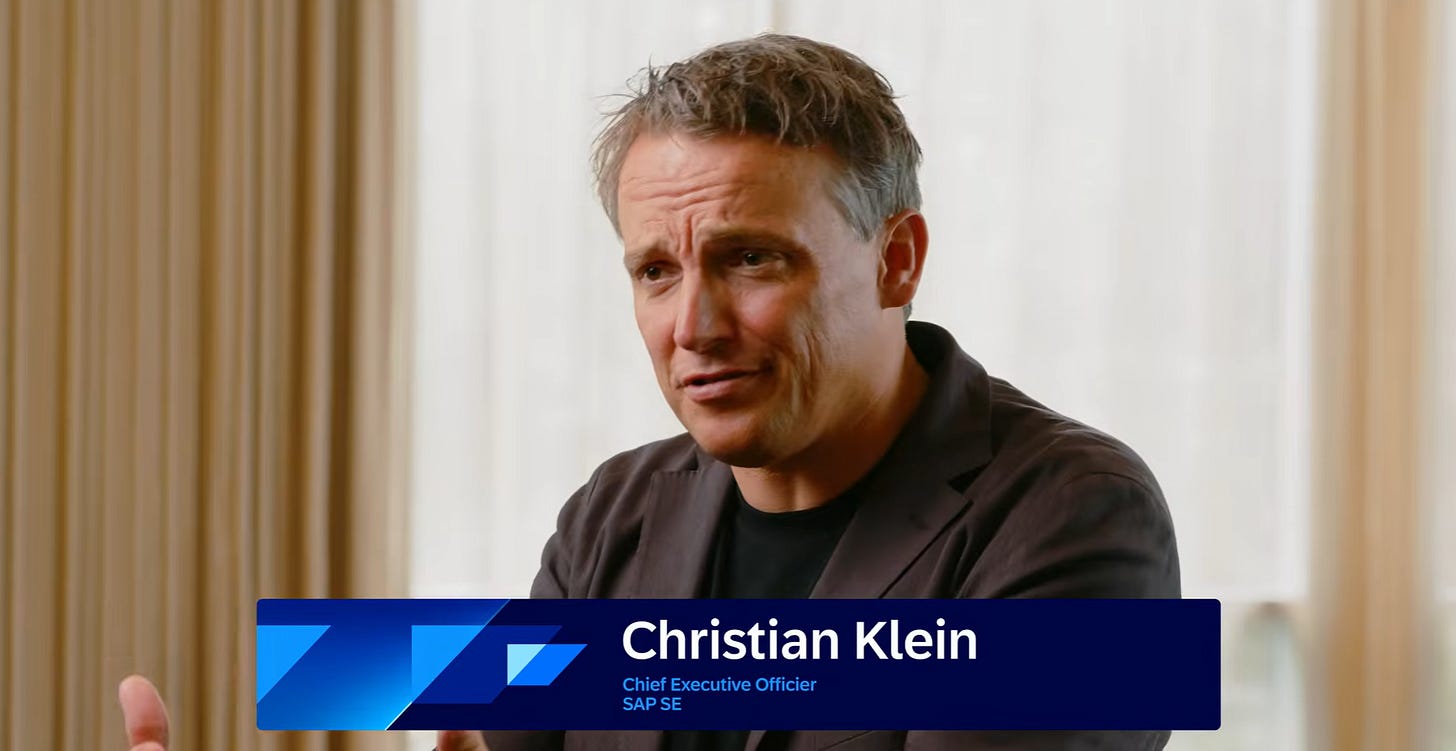
Last week, SAP launched a comprehensive enterprise AI architecture, a move described by CEO Christian Klein as repositioning the company "at its core" as an AI enterprise. This ambitious initiative, branded "The Autonomous Enterprise," aims to integrate artificial intelligence deeply into its suite of business management software, promising a future where business processes operate with unprecedented levels of automation and insight. The announcement, made at a significant industry event, signals SAP’s strategic pivot to harness the transformative power of AI across its extensive customer base, which spans nearly every major industry globally.
A New Era for Enterprise Software: The Autonomous Enterprise
The cornerstone of SAP’s new strategy is "The Autonomous Enterprise," a unified AI architecture designed to fundamentally alter how businesses interact with and leverage their enterprise software. According to Christian Klein, CEO of SAP SE, "The Autonomous Enterprise includes a unified AI platform for building, contextualizing and governing agents, an autonomous suite that executes core business operations and a new user experience that redefines how people work with enterprise software." This declaration highlights a multi-faceted approach, encompassing not only the underlying AI infrastructure but also the practical application of AI-driven agents and a reimagined user interface.
This announcement represents a culmination of over three years of dedicated effort by SAP, building upon previous advancements with Joule, their AI copilot, and various data layering initiatives. The company’s move is a significant strategic reorientation, aiming to move beyond incremental AI features to a deeply integrated AI foundation for its entire product portfolio. This is particularly noteworthy given SAP’s position as a true Enterprise Resource Planning (ERP) system, managing a vast spectrum of business resources from financial and human capital to intricate supply chain and manufacturing operations.

The Power of Context: SAP’s ERP Advantage
SAP’s strength lies in its comprehensive nature as an ERP. Unlike specialized human capital management (HCM) systems, SAP’s platform manages a holistic view of a business, encompassing financials, human resources, inventory, production, procurement, supplier relationships, and contingent labor. With over 25 industry-specific editions, SAP systems can trace a product’s lifecycle from sale back to its constituent parts, suppliers, assembly, and contractual agreements. This "end-to-end" capability, assembled through organic development and strategic acquisitions, allows diverse industries – from pharmaceuticals and automotive to airlines and healthcare – to manage complex value chains, revenue, costs, and profitability.
The potential for AI within this ecosystem is immense. For instance, a business facing declining profit margins for a specific product in a particular region could, with traditional methods, require extensive analysis by multiple teams. However, SAP’s "Autonomous Enterprise AI" aims to streamline this. By querying Joule, the AI can analyze vast datasets to pinpoint the root cause, whether it’s increased supplier prices, rising shipping costs, or fluctuations in raw material commodities. This ability to delve into intricate interdependencies and attribute issues to specific factors, like a particular supplier’s pricing strategy, showcases the power of an AI layer integrated with a deeply contextualized ERP.
In the realm of Human Capital Management (HCM), the implications are equally profound. Questions such as why one sales team underperforms its peers – whether due to leadership, training, team tenure, management experience, or external market factors – can now be addressed with greater precision. While "skills" are often seen as a panacea, this AI-driven approach can uncover more nuanced issues, such as weak leadership, misaligned teams, or operational bottlenecks that impede performance. This presents a significant opportunity for optimizing human capital operations.
Deconstructing "The Autonomous Enterprise": Agents and Automation
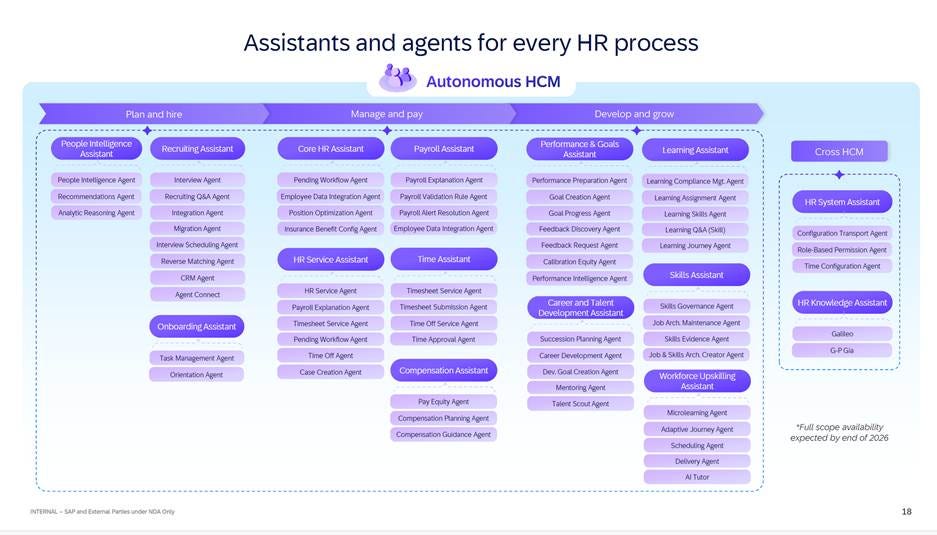
The core theme of SAP’s announcement is "autonomy." While SAP envisions a future where its systems operate with minimal human intervention, automatically identifying and rectifying suboptimal processes, the immediate focus is on a substantial expansion of AI-driven agents. The company unveiled over 224 agents, many of which are dedicated to automating specific business functions.
In the Human Resources (HR) domain alone, SAP has introduced numerous agents with varying levels of autonomy and specificity, aligning with the principles outlined in frameworks like the "HR 2030 blueprint." These agents are designed to automate and optimize specific processes, such as payroll, a notoriously complex and error-prone function, and employee development. For example, SAP’s demos showcased how these agents can automate payroll steps, detect and fix glitches, generate alerts, create tailored development materials, and identify employees for upskilling opportunities.
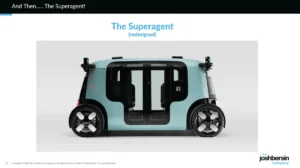
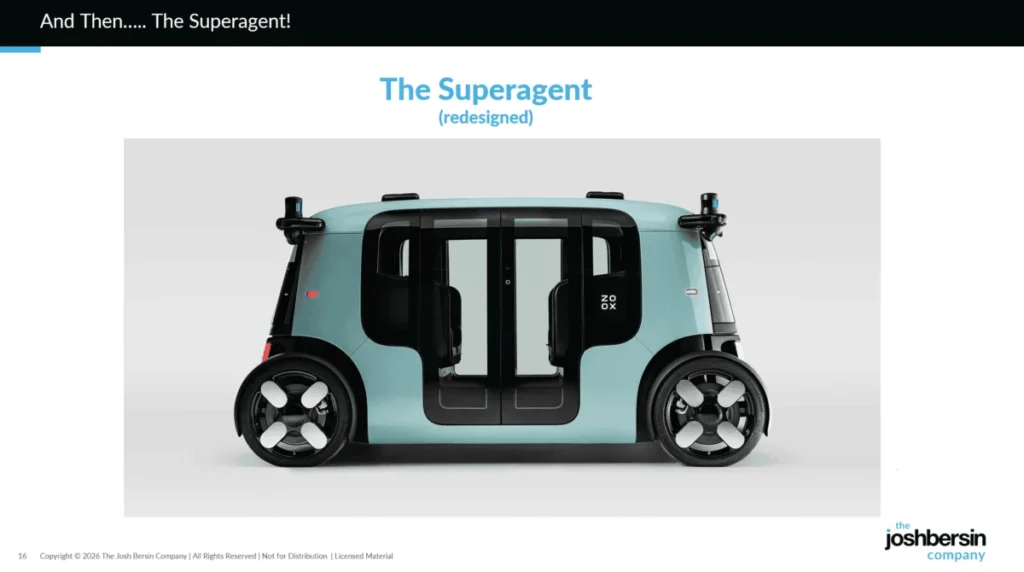
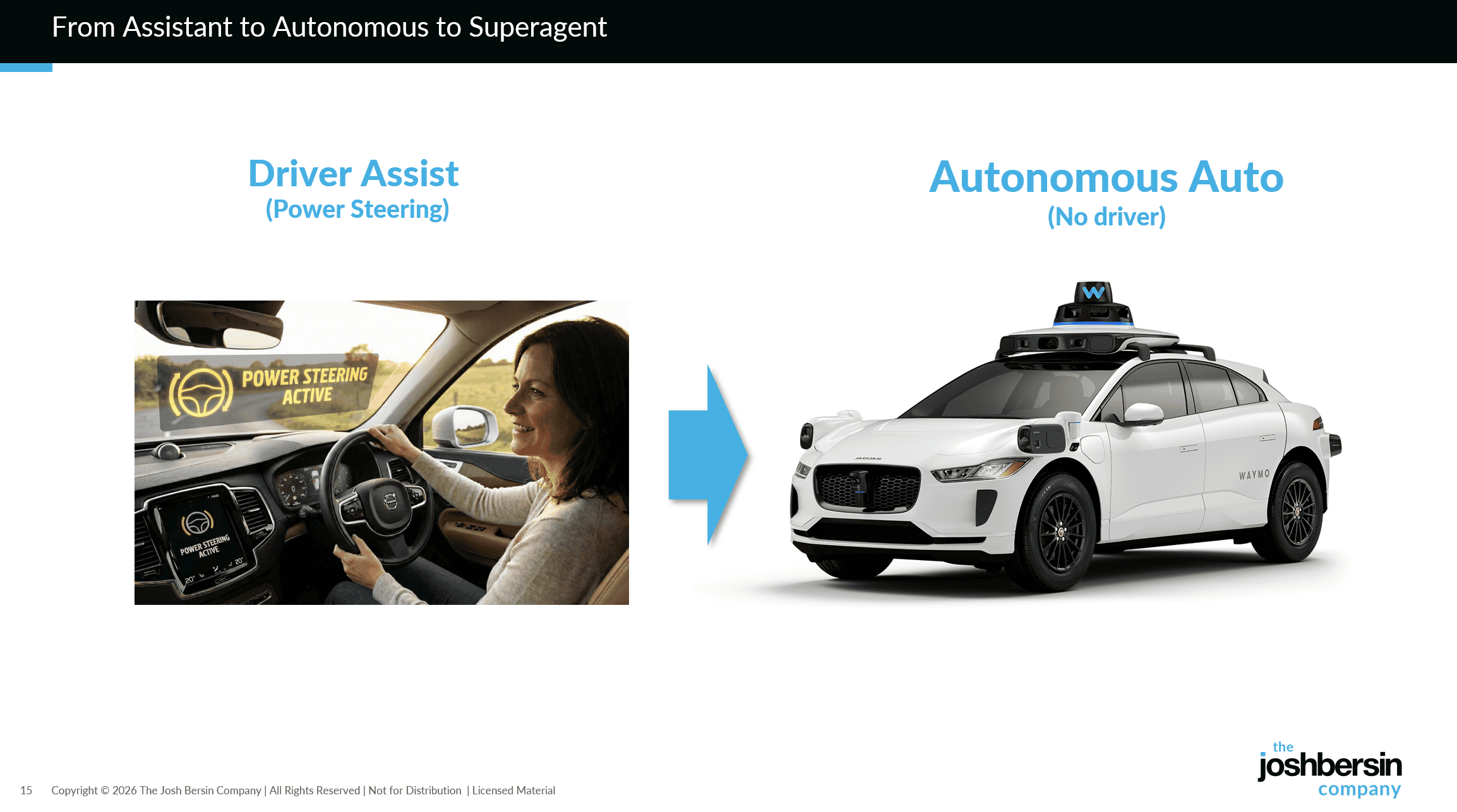
However, a key observation from the announcement is the primary emphasis on automation rather than fundamental process redesign. SAP’s AI layer, as presented, appears to focus on enhancing the efficiency and autonomy of existing SAP systems rather than radically overhauling how business operations are conducted. This can be likened to the distinction between a self-driving car that operates on existing road infrastructure (like Waymo) and a vehicle designed from the ground up to redefine the passenger experience (like Zoox). SAP’s current offering is positioned more as a "Waymo" – enhancing the existing operational framework – rather than a "Zoox" – a complete reimagining of business processes.
This approach is not necessarily a drawback. Given the complexity and deeply ingrained nature of many SAP implementations, automating existing workflows can deliver significant immediate value. The potential for AI, however, extends beyond mere automation. The true transformative power lies in using AI to redesign processes from the ground up, a stage SAP may evolve towards over time. The inherent learning capability of AI means that automated processes can be continuously tuned and improved, becoming smarter with each operational cycle.
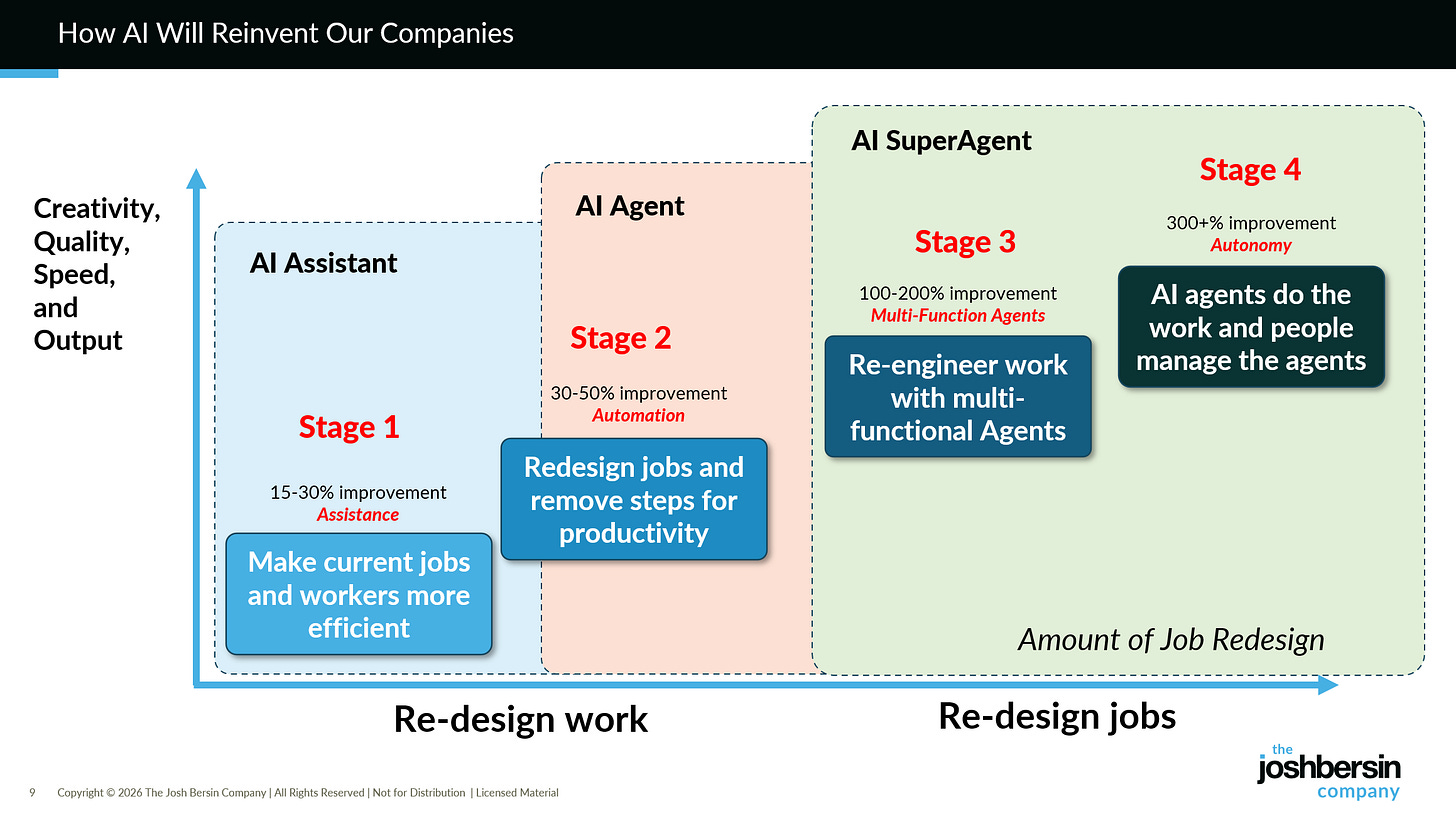
SAP’s research categorizes AI agent use cases into four stages, with stages three and four, focusing on process redesign and higher-level intelligence, offering significantly higher ROI than automation alone (stage two). While the current release heavily emphasizes automation, the underlying architecture provides the foundation for future advancements in process re-engineering.
Under the Hood: The Technical Architecture
The technical foundation of "The Autonomous Enterprise" comprises several key components, representing significant innovation for SAP. At the core is a robust AI layer, integrated with a data fabric and a multitude of AI models. A crucial element is the substantial context window, enabling SAP to ingest and process vast amounts of business data.
A standout innovation is SAP’s proprietary tabular data model, SAP-RPT-1.5. This model is specifically optimized for analyzing, evaluating, and modeling tabular data, which forms the bedrock of all business software. Unlike general-purpose Large Language Models (LLMs) that can sometimes struggle with structured data, SAP-RPT-1.5 is designed to handle massive datasets, allowing users to find, analyze, model, and perform "what-if" scenarios on complex, real-time business information. This feature is particularly appealing to data professionals and offers a playground environment for exploration.
Another critical component is the SAP Knowledge Graph. This semantic layer maps the thousands of business entities, structures, and rules within SAP systems, enabling the AI to understand and interpret user queries in natural language. When a user asks a question, the Knowledge Graph translates it into context-specific queries, facilitating data retrieval and analysis. This is analogous to the context engines developed by competitors like Workday and ServiceNow, forming the "brain" of the system. The integration of Galileo, an intelligence layer that transforms the Knowledge Graph and Joule into an advisory tool for HR, human capital, and leadership, further enhances this capability.
At the user interface and development level is Joule, SAP’s AI copilot. Originally launched as a transactional chatbot, Joule has evolved into a more sophisticated platform. The new Joule Studio is presented as an enterprise-class development tool, empowering IT teams and SAP developers to design, build, test, integrate, and manage a wide array of AI agents, from simple to complex. This focus on a robust development environment, rather than a simplified coding approach, distinguishes it from some LLM-based tools and allows for the creation of highly tailored solutions.
The ability for developers to build agents via Joule has the potential to "redesign SAP" from within. This means customers can create highly personalized onboarding systems, for example, reflecting numerous employee options, role pathways, and development plans, potentially exceeding the capabilities of standard SAP onboarding agents. Similar to ServiceNow and Workday, SAP’s platform facilitates interoperability with non-SAP systems and agents through its data layer and agent management system. While ServiceNow offers an "agent platform beyond SAP" and Workday provides a "platform for agents," SAP is pursuing a dual strategy of offering both. Joule Studio, with its access to SAP’s unique data objects and modules across the suite, appears to be the most advanced developer tool in this space currently.
For end-users, Joule serves as a conversational interface, similar to Workday’s Sana or ServiceNow’s Otto, allowing them to interact with the system and perform tasks through natural language. This front-end accessibility ensures that the power of the developed agents is readily available to employees, managers, and administrators.
Big Memory and AI Governance: Addressing Future Needs
SAP’s vision extends to building "massive context windows" capable of storing an entire "company memory." This concept involves AI models retaining a comprehensive dataset of operational knowledge, including customers, products, processes, rules, documents, and communications. This "company corpus" would serve as a foundation for continuous analysis, modeling, and improvement. The potential for such a model is significant, enabling the identification of performance gaps and their direct contributing factors by analyzing decades of accumulated knowledge.
This approach aligns with research on "company models" that leverage AI to analyze historical data and uncover operational best practices, such as variations in how sales teams engage with senior executives. Such insights, often embedded in tribal knowledge, could be surfaced and standardized, leading to widespread business activity improvements. While other vendors like Workday are also expected to develop similar capabilities, SAP’s integration of this into its ERP ecosystem could be particularly impactful.

Crucially, SAP, like its competitors Workday and ServiceNow, recognizes the paramount importance of AI governance. The potential for AI agents to operate erratically, leading to data deletion, unauthorized data sharing, or the leakage of confidential information, necessitates robust control mechanisms. SAP’s AI Agent Hub provides a management system for these agents, supporting both SAP-developed and third-party agents. This hub includes tools for controlling agent consumption, verifying agent functionality, managing data connections, and coordinating agent interactions.
The coordination of agent-to-agent communication is identified as a significant challenge, particularly in complex domains like HR. For instance, a training delivery agent should ideally interface with agents responsible for development planning, performance management, and employee work monitoring to ensure a cohesive and effective experience. The intricate dependency diagrams that emerge in such scenarios highlight the need for sophisticated coordination frameworks.
Is SAP Now an AI Company? The Strategic Imperative
The enterprise software landscape is undergoing a significant transformation, with concerns that AI startups could disrupt the established order. However, SAP CEO Christian Klein, echoing sentiments from Workday’s leadership, asserts that a wholesale replacement of existing enterprise systems by startups is unlikely in the near future. Instead, major ERP and HCM vendors like SAP, Workday, and Oracle are embarking on a strategic re-engineering of their decades of research and development to transform their core offerings into AI-powered applications.
The objective is not to discard existing systems but to leverage AI to drive cross-domain process innovation, enhance customer and employee experiences, and create more intelligent business operations. The development of "Superagents" through platforms like Joule offers a pathway to achieve these goals without abandoning substantial investments in current systems.
The practical application of this strategy is evident across various business functions. Finance departments can expect assistants for closing, controlling, and related workflows; procurement will benefit from sourcing and buying assistants; supply chains will see need-to-deliver assistants; HR will gain recruiting and career development assistants; and customer-facing functions will have assistants for sales, service, offers, and marketing.
This comprehensive integration of AI capabilities across its suite leads Klein to confidently state that SAP is now an AI company. The strategy involves making software less visible by embedding its execution within agents that operate seamlessly across the entire SAP ecosystem. If successful, this will shift customer interaction from static workflows to dynamic, AI-driven agents that can decide, recommend, escalate, and act autonomously. Furthermore, SAP’s financial model is expected to evolve towards consumption and outcomes, moving beyond traditional seat-based licensing.
This strategic direction appears well-positioned for success. While agile competitors may emerge, the deep industry knowledge, extensive customer investment, and decades of accumulated business intelligence within SAP remain invaluable assets. This new AI strategy is poised to revitalize SAP’s growth trajectory and redefine its position in the evolving enterprise technology market. The industry will be watching closely as SAP continues to roll out these transformative AI capabilities.