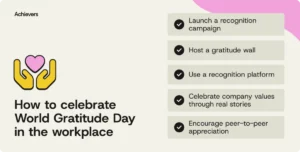
As the autumn leaves turn and the holiday season approaches, Thanksgiving traditionally serves as a pivotal moment for reflection and gratitude, extending its significance beyond personal gatherings to the professional sphere. For employers, this period offers a salient opportunity to pause, acknowledge, and express sincere appreciation for the individuals who form the backbone of their organizations. A well-crafted and heartfelt message of gratitude, delivered with authenticity and a strategic approach, can significantly elevate employee morale, foster a sense of belonging, and deepen their connection to the overarching company culture. The strategic importance of such recognition is underscored by extensive research, including findings from the 2026 Engagement and Retention Report, which highlights a direct correlation between feeling valued and key indicators of workplace satisfaction and loyalty. Specifically, the report indicates that employees who consistently feel appreciated are an astounding 12 times more likely to perceive their work as meaningful and 56 times more likely to feel a strong alignment with their company’s core values. This data reinforces a critical insight: appreciation is not merely a gesture of goodwill but a fundamental driver of a robust, resilient, and high-performing organizational ecosystem.
The Evolving Landscape of Employee Recognition
The concept of employee recognition has evolved considerably over the past few decades, transitioning from a sporadic, often annual, event to a continuous, integrated component of modern talent management strategies. Historically, recognition might have been limited to a year-end bonus, a long-service award, or an occasional shout-out during a company meeting. While these gestures hold some value, contemporary understanding, shaped by psychological research and shifting workforce demographics, emphasizes the need for more frequent, personalized, and impactful forms of appreciation. The rise of a globalized, often remote, workforce, coupled with the increasing demands for work-life balance and a sense of purpose, has further accelerated this transformation. Employees today seek more than just compensation; they desire to be seen, heard, and acknowledged for their contributions, both large and small.
This shift is not merely a trend but a strategic imperative. The cost of employee turnover, encompassing recruitment expenses, onboarding, lost productivity, and the impact on team morale, can be substantial, often ranging from tens of thousands to hundreds of thousands of dollars per employee, depending on the role and industry. Investing in effective recognition programs, therefore, represents a proactive measure to mitigate these costs and cultivate a stable, engaged workforce. Companies that prioritize appreciation report lower attrition rates, higher job satisfaction, and improved productivity, demonstrating a clear return on investment for their recognition efforts.
Thanksgiving as a Strategic Touchpoint
Thanksgiving, with its inherent theme of thankfulness, provides a natural and universally understood backdrop for employers to formalize and amplify their appreciation messages. It transcends cultural differences by focusing on a shared human emotion: gratitude. Leveraging this cultural moment allows organizations to reinforce their commitment to their employees in a manner that feels authentic and timely. It’s an opportunity to momentarily step away from daily operational pressures and collectively acknowledge the collective effort that propels the organization forward.
However, the effectiveness of Thanksgiving messages lies not just in their delivery but in their sincerity and specificity. Generic "Happy Thanksgiving" emails, while well-intentioned, often fall short of making a lasting impact. True appreciation requires a deeper level of engagement, highlighting specific contributions, behaviors, or achievements that exemplify the company’s values and directly contribute to its success. Whether it’s acknowledging a team’s dedication to a challenging project, an individual’s consistent display of initiative, or a department’s collaborative spirit, specificity transforms a general sentiment into a powerful, personal affirmation.

Supporting Data: The Tangible Benefits of Appreciation
The evidence supporting the strategic value of employee recognition is compelling and extensive. Beyond the aforementioned 2026 Engagement and Retention Report, numerous studies from reputable organizations illuminate the profound impact of appreciation on various organizational metrics:
- Employee Engagement: Gallup’s research consistently shows that engaged employees are more productive, profitable, and customer-focused. A key driver of engagement is feeling valued and recognized. Organizations with high employee engagement report 21% higher profitability.
- Retention Rates: A survey by Achievers (the company referenced in the original snippet) found that 82% of employees believe recognition improves their happiness at work, and 69% would work harder if they felt their efforts were better appreciated. Lack of recognition is a primary reason employees seek new opportunities.
- Productivity and Performance: Harvard Business Review has published findings indicating that positive feedback and recognition lead to increased individual and team performance. When employees understand their contributions are seen and valued, they are motivated to maintain and even exceed performance expectations.
- Company Culture and Employer Branding: A strong culture of recognition contributes significantly to a positive workplace environment. It fosters psychological safety, encourages collaboration, and builds trust. This, in turn, enhances the company’s employer brand, making it more attractive to top talent in a competitive job market. LinkedIn’s Global Talent Trends report often points to culture and appreciation as key factors for job seekers.
- Employee Well-being: Beyond performance metrics, recognition has a direct impact on employee well-being. Feeling valued reduces stress, improves job satisfaction, and contributes to a greater sense of purpose. This holistic benefit is increasingly recognized as crucial for sustained productivity and preventing burnout.
- Reduced Absenteeism: Highly engaged and appreciated employees are less likely to be absent from work, contributing to operational efficiency and consistency.
These statistics collectively paint a clear picture: employee appreciation is not a soft HR initiative but a hard business driver with measurable impacts on an organization’s bottom line and long-term sustainability.
Chronology of Recognition Practices: From Ad-Hoc to Integrated Systems
The journey of workplace recognition reflects broader shifts in management philosophy and technological advancements.
- Early 20th Century – Mid-20th Century: The Industrial Model. Recognition was largely absent or highly formal, focused on hierarchical authority and material incentives. Long-service awards were common, but day-to-day appreciation was rare. The focus was on compliance and production quotas.
- Late 20th Century: Emergence of HR and Motivational Theories. With the rise of human resources departments and the influence of psychologists like Maslow and Herzberg, the understanding of intrinsic motivation began to grow. Employee of the Month programs, suggestion boxes, and occasional awards started to appear, often driven by individual managers. This period saw the start of performance reviews incorporating feedback, though often focused on areas for improvement.
- Early 21st Century: Dot-Com Boom and Talent Wars. The demand for skilled talent intensified, leading companies to think more strategically about retention. Recognition began to be seen as a tool for engagement. Annual surveys, more structured bonus schemes, and team-building events gained prominence. The concept of "total rewards" emerged, integrating recognition as a component.
- 2010s – Present: Digital Transformation and Continuous Feedback. The advent of social media and collaboration tools transformed how people communicate. This facilitated the rise of digital recognition platforms, allowing for peer-to-peer recognition, real-time feedback, and the gamification of appreciation. The focus shifted from infrequent, top-down recognition to frequent, multi-directional appreciation embedded in the daily workflow. The pandemic further accelerated this, highlighting the need for virtual recognition tools to connect dispersed teams.
This evolution underscores a continuous movement towards more inclusive, frequent, and data-driven recognition practices, moving away from purely transactional models to those that foster a strong, appreciative culture.
Expert Perspectives and Organizational Responses
Leading organizational psychologists and HR strategists consistently emphasize that effective recognition is about more than just saying "thank you." It involves creating a systemic culture where appreciation is a shared value and a common practice.

Dr. Sarah Chen, a prominent organizational behavior expert, notes, "While Thanksgiving offers a fantastic opportunity for a grand gesture of gratitude, its true power is unlocked when it serves as a catalyst for ongoing recognition. Employees don’t just want to feel valued once a year; they want consistent feedback, acknowledgment of their daily efforts, and a clear understanding of how their work contributes to the larger mission."
Similarly, statements from Chief Human Resources Officers (CHROs) across various industries highlight the strategic imperative. "In today’s competitive talent landscape, a robust recognition program is no longer a ‘nice-to-have,’ but a ‘must-have’," states Michael Thompson, CHRO of a leading tech firm. "It’s fundamental to our employee value proposition. We’ve seen firsthand how a culture of appreciation improves everything from innovation to customer satisfaction."
Organizations are responding to these insights by investing in dedicated recognition platforms and training programs for managers. They are moving towards systems that enable:
- Peer-to-peer recognition: Empowering colleagues to recognize each other’s efforts, fostering a more collaborative and supportive environment.
- Real-time recognition: Allowing for immediate acknowledgment of achievements, reinforcing positive behaviors promptly.
- Value-aligned recognition: Tying recognition to specific company values, thereby reinforcing desired cultural attributes.
- Personalized recognition: Moving beyond generic awards to gifts or experiences that genuinely resonate with individual employees.
- Visible recognition: Publicly celebrating achievements (where appropriate and desired by the employee) to inspire others and demonstrate the company’s commitment to its people.
Broader Impact and Implications: Beyond the Holiday Season
The implications of cultivating a continuous culture of recognition extend far beyond improved morale during the holiday season. It fundamentally shapes an organization’s long-term success and resilience.
- Enhanced Talent Acquisition and Retention: In an era where Glassdoor reviews and employer branding are critical, a company known for valuing its employees becomes a magnet for top talent. High retention rates reduce recruitment costs and preserve institutional knowledge.
- Increased Innovation and Collaboration: When employees feel secure and appreciated, they are more likely to take calculated risks, share ideas, and collaborate effectively. Fear of failure, often a deterrent to innovation, is mitigated in an environment where effort and learning are recognized, not just outcomes.
- Stronger Leadership Development: Managers who are adept at recognizing and appreciating their teams often emerge as stronger, more empathetic leaders. This skill is crucial for fostering loyalty and driving team performance.
- Improved Customer Satisfaction: Engaged and happy employees are more likely to provide exceptional customer service. Their positive energy and commitment directly translate into better customer experiences, driving loyalty and revenue.
- Resilience and Adaptability: Organizations with strong internal cultures, built on mutual respect and appreciation, are better equipped to navigate periods of change, economic downturns, or unexpected challenges. A united and valued workforce is more adaptable and resilient.
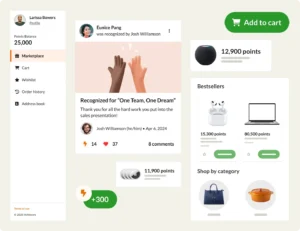
The core message remains clear: Thanksgiving may provide the ideal moment to reflect and express gratitude, but the strategic imperative for employee recognition should transcend seasonal traditions. The most successful organizations understand that appreciation is not a once-a-year event but a continuous process, deeply embedded in their operational DNA. Platforms like Achievers exemplify this modern approach, offering solutions that empower leaders and peers to recognize moments that matter frequently, meaningfully, and seamlessly within the flow of work. By transforming one-time gratitude into a lasting habit, companies can unlock the full potential of their human capital, fostering greater engagement, motivation, and an unwavering commitment to organizational goals. Ultimately, making gratitude a cornerstone of workplace strategy is not just about being kind; it’s about building a sustainable, thriving enterprise.