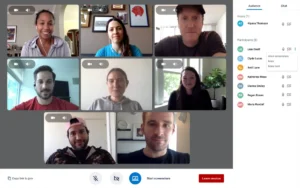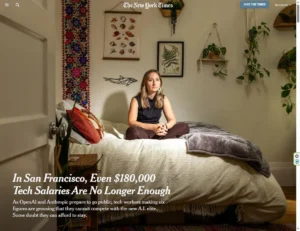
A recent survey conducted by Kahoot! has illuminated a growing crisis of disconnection within the modern office environment, revealing that a significant 39% of office workers report feeling isolated on the job. Alarmingly, nearly one-third of these professionals admit to going an entire workday without engaging in a single conversation with a colleague. This pervasive sense of loneliness extends beyond mere physical proximity, underscoring a critical need for organizations to re-evaluate their strategies for fostering genuine human connection in the workplace.
The findings, released in early 2025, build upon existing research that highlights the generational and demographic disparities in workplace loneliness. According to a separate analysis from 2025, Millennials are identified as the generation most susceptible to feelings of isolation at work. Furthermore, the data indicates a stark gender divide in the tangible consequences of this disconnection, with one in five men and one in eight women having previously resigned from a position due to a lack of camaraderie with coworkers. Compounding these concerns, research from the Harvard Graduate School of Education’s “Loneliness in America 2024” report suggests a correlation between income level and loneliness, indicating that individuals in lower-paying roles are more prone to experiencing isolation. This disparity suggests that frontline teams, often comprising a significant portion of lower-wage workers, may be particularly vulnerable to the negative impacts of workplace disconnection.

It is crucial to understand that workplace loneliness is not solely defined by the absence of physical presence. The quality of interpersonal relationships plays a paramount role. An employee working in a customer-facing role within a retail setting, for instance, might interact with numerous individuals throughout the day but still feel profoundly alone if they do not experience a sense of belonging or comfort within their immediate team. Conversely, an individual who works remotely may have fewer daily interactions but maintain strong, supportive relationships with colleagues, thereby mitigating feelings of isolation. This nuanced understanding is vital for developing effective strategies to combat the growing epidemic of loneliness.
The ramifications of widespread workplace loneliness extend far beyond individual employees, impacting communities and societies at large. While this article focuses on the workplace, it is important to acknowledge the broader societal trends associated with increased loneliness, which often manifest as decreased social cohesion, reduced civic engagement, and a potential rise in mental and physical health issues across populations.
The Tangible Impact of Loneliness on Workplace Performance
The trends observed in broader society are mirrored and amplified within the workplace, creating a ripple effect that undermines organizational success. When employees feel disconnected, their propensity to trust and collaborate with colleagues diminishes. This erosion of trust directly hampers innovation, stifles the free flow of ideas, and reduces overall operational efficiencies. The synergy that drives creative problem-solving and groundbreaking advancements is fundamentally weakened when individuals do not feel a sense of psychological safety and mutual understanding.

Furthermore, the health and well-being of lonely employees are significantly compromised. They are more susceptible to illness, leading to increased absenteeism and a greater strain on healthcare resources. The chronic stress associated with isolation can accelerate burnout, depleting employees’ energy reserves and diminishing their capacity to perform at their peak. A comprehensive study by Gallup found a direct link between loneliness and reduced employee motivation and engagement. Their research indicated that lonely employees are less likely to be invested in their work, less proactive in their roles, and generally exhibit lower levels of enthusiasm. This lack of engagement translates into decreased productivity and a higher likelihood of errors. Notably, Gallup’s findings also pinpoint Millennials and managers as demographics experiencing heightened levels of loneliness within the workforce, suggesting that organizations must pay particular attention to the well-being of these groups.
The Return to Work Debate: A Complex Equation
The escalating concerns surrounding workplace loneliness have inevitably reignited discussions about the merits of returning to traditional office environments. Gallup’s research indicates that fully remote employees report higher rates of loneliness (25%) compared to the general workforce (16%). However, the picture is not as straightforward as advocating for a universal return to the office. Employees who work fully on-site also report higher levels of burnout (29%) than their fully remote counterparts (24%). This paradox suggests that neither a purely on-site nor a purely remote model inherently guarantees well-being. Both extremes present potential challenges to employee mental health, highlighting the need for hybrid or flexible models that prioritize connection and support regardless of physical location. The ideal solution likely lies in carefully curated work arrangements that acknowledge the diverse needs of employees and foster intentional opportunities for interaction and community building.
Strategies for Cultivating Connection and Combating Workplace Loneliness
Recognizing the multifaceted nature of loneliness and its detrimental effects, organizations are increasingly seeking proactive measures to foster a more connected and supportive work environment. Managers, in particular, are stepping up, with a significant 71% reporting a sense of responsibility for their team’s overall well-being, according to Reward Gateway’s "Building Human Workplaces" report. This shared commitment provides a strong foundation for implementing effective strategies.

Making Meetings More Social
A simple yet effective approach to enhancing daily connection is to inject social elements into routine meetings. Dedicating the first few minutes of regular team meetings or one-on-one check-ins to casual conversation allows employees to share aspects of their lives beyond work-related tasks. This simple act can foster a sense of normalcy and personal connection. For instance, Ulteig, a client of Reward Gateway, has implemented a system where employees are paired for informal chats to get acquainted. This can be formalized through structured programs or simply encouraged by scheduling "connection" meetings with colleagues one may not know well.
Integrating Social Interactions into Digital Communication
In today’s digitally driven workplaces, internal chat platforms are a central hub for communication. Leveraging these platforms for non-work-related conversations can significantly build camaraderie. Initiating discussions about popular culture, current events, or engaging in lighthearted "Would You Rather" scenarios can create opportunities for employees to interact on a personal level. Managers can lead by example to ensure consistency, or team members with a knack for engagement can take the initiative to keep these social threads alive.
Championing Employee Resource Groups (ERGs)
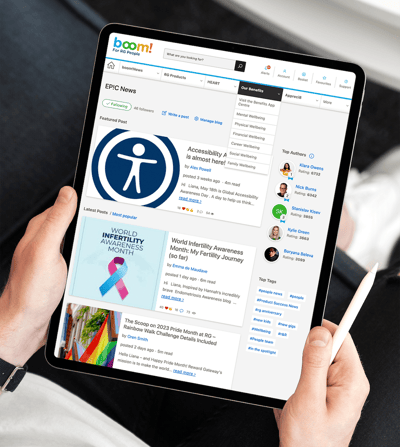
Employee Resource Groups offer a powerful avenue for individuals to connect with colleagues who share common interests, backgrounds, or passions. These groups can extend beyond functional teams, fostering a sense of belonging and shared purpose. Reward Gateway’s own ERGs, such as the Accessibility Network, Multicultural Network, and Women’s Network, facilitate discussions and initiatives that promote inclusivity and support. Many organizations also host ERGs centered around hobbies like running, crafting, or reading, allowing employees to build relationships based on shared extracurricular interests. These groups, often self-organized and employee-led, require a platform and encouragement to thrive.
Encouraging Commuter and Carpool Networks
Facilitating connections among employees who share similar commutes can serve a dual purpose: promoting sustainability and fostering social bonds. Encouraging carpooling or coordinating public transport travel can ensure employees have a friendly face during their daily journeys. For those who cycle to work, a colleague along for the ride can offer support and safety in case of unexpected issues.
Hosting Quarterly Challenges and Competitions
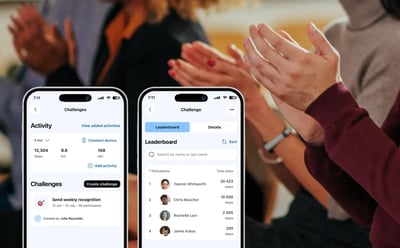
Engaging employees in friendly competitions or challenges can inject fun and deepen connections outside of project-based work. Whether it’s a fantasy sports league, an NCAA bracket pool, or a company-wide wellness challenge, these activities provide common ground for banter and interaction. Platforms like Reward Gateway’s wellness app offer features that facilitate such engagement, allowing colleagues to connect over shared goals and friendly rivalries.
Streamlining and Promoting Recognition Programs
A workplace culture that actively celebrates achievements and expresses appreciation is fundamental to building strong connections. A significant 69% of employees in Reward Gateway’s "Workplace Wellbeing" report indicated that their well-being would improve with increased expressions of gratitude. Regularly reminding employees to acknowledge and appreciate the great work of their colleagues, both privately and publicly, can significantly boost morale and foster a sense of shared success. Public recognition on social feeds not only validates individual contributions but also provides a passive yet powerful way for employees to learn about the positive happenings across the organization. This can help rebuild trust among those who feel disconnected, transforming sentiments like "IT never responds to me" into an understanding of the IT team’s workload and dedication.
The Path Forward: Building Human Workplaces
The pervasive issue of loneliness in the workplace is not merely a social concern; it is a strategic imperative for organizations aiming to thrive in the modern era. By implementing intentional strategies to foster genuine human connection, companies can not only mitigate the negative impacts of isolation but also unlock higher levels of employee engagement, innovation, and retention. The journey towards building more human workplaces requires a commitment from leadership, a willingness to embrace new approaches, and a focus on the fundamental human need for belonging and connection.
Organizations interested in exploring solutions to enhance employee connection and build stronger, more supportive workplace communities can learn more about the resources and services offered by Reward Gateway | Edenred.