
The modern talent landscape demands more than just a list of responsibilities and qualifications in a job advertisement; it calls for strategic storytelling and creative engagement to capture the attention of top candidates. In an era where employer branding is as crucial as product branding, companies are increasingly leveraging innovative approaches in their recruitment campaigns, employing catchy job titles, evocative imagery, compelling narratives, and unique perks to stand out. This shift reflects a broader recognition that job postings are not merely administrative documents but powerful marketing tools designed to attract, inform, and inspire potential hires.
The evolution of job postings from dry, functional texts to dynamic recruitment assets is a direct response to a highly competitive global talent market. With unemployment rates historically low in many sectors and a growing emphasis on company culture and employee experience, job seekers wield more influence than ever before. This has compelled organizations to rethink their outreach strategies, moving beyond traditional job boards to embrace social media, interactive content, and even virtual reality platforms. Industry analysts, such as those at Gartner, have highlighted that a compelling employee value proposition (EVP) is no longer a luxury but a necessity, with up to 82% of employees valuing being seen as individuals rather than mere workers.
Creative Job Titles and Slogans: A Hook for Attention
One of the most direct ways companies inject creativity into their recruitment efforts is through unconventional job titles and memorable slogans. These elements serve as immediate attention-grabbers, distinguishing a posting from the myriad of generic advertisements candidates encounter daily.
Bud Light’s "Chief Meme Officer" exemplifies this strategy. In August 2020, the beverage giant sought a marketing professional with a flair for digital culture, coining a title that instantly resonated with a younger, internet-savvy demographic. Coupled with the slogan "Great Seltzer. Bad Memes," the campaign was a self-aware nod to contemporary digital trends, generating significant media buzz and attracting candidates who understood the nuances of viral content creation. This approach taps into the desire for roles that align with modern communication styles, a strategy increasingly favored by brands aiming for cultural relevance.
Similarly, Impossible Foods launched a substantial recruiting drive for "Impossible Investigators" in October 2020, supporting its mission to revolutionize sustainable food systems. Their careers page boasted slogans like "All Science, No Bull" and "Scientists. Step Up. Save Our Planet. Join Impossible." This framing empowers candidates, appealing to those driven by a sense of purpose and a desire to contribute to global challenges. This mission-driven language resonates deeply with a growing segment of the workforce, particularly Gen Z and millennials, who prioritize social and environmental impact in their career choices.
Even established platforms like Twitter (now X) experimented with creative titles, famously seeking a "Tweeter in Chief" to manage their official account. While the requirements remained professional, the title itself captured widespread media attention, amplifying the reach of the job opening far beyond conventional recruitment channels. This demonstrated that a playful title, when aligned with brand identity, can be a potent public relations and recruitment tool.
The food industry has particularly embraced this trend. Oscar Mayer has long maintained the iconic "Wienermobile Driver" position, a role that transcends mere logistics to become a cultural ambassador. Their colorful, straightforward ads, often featuring a simple, catchy callout, leverage the brand’s unique identity to attract individuals seeking an unconventional, experience-rich career. In a similar vein, Border Biscuits introduced the "Master Biscuitier," a title that evokes craftsmanship and specialized expertise, transforming a standard manufacturing role into something more artisanal and appealing. Such titles create an immediate emotional connection and curiosity, making candidates more likely to investigate further.
Visual and Experiential Engagement: Beyond the Text
Beyond words, compelling visuals and interactive experiences are proving invaluable in cutting through the noise. Companies are using rich media and even virtual environments to showcase their culture and the exciting nature of their work.
Bethesda Game Studios, creators of blockbuster titles like Fallout and The Elder Scrolls, uses a concise yet powerful message: "Let’s Build Worlds." This tagline, presented alongside stunning visuals from their games, immediately resonates with creative talent passionate about immersive storytelling and world-building. This approach, which prioritizes aspirational vision over detailed bullet points, effectively communicates the studio’s core ethos and invites candidates to join a legacy of innovation. The strategic use of imagery provides visual evidence of the impact and creativity inherent in their work, appealing to the emotional and creative aspects of potential hires.
In a pioneering move, IKEA launched "The Co-Worker" campaign in 2024, recruiting for a virtual store on the gaming platform Roblox. This initiative, which garnered over 170,000 applicants, brilliantly blurred the lines between the virtual and physical worlds. The ad featured a vibrant, optimistic color scheme consistent with IKEA’s brand, paired with their iconic employee ID, inviting candidates to serve a thriving online community of over 70 million users. This demonstrated a forward-thinking approach to talent acquisition, tapping into emerging digital spaces to reach younger demographics and showcasing a brand willing to innovate in its engagement strategies.
Similarly, during the COVID-19 lockdown, Waste Creative hosted virtual internship interviews in Nintendo’s Animal Crossing game. Candidates navigated to a virtual office within the game to find a creative brief, engaging them in an unexpected and memorable way. This initiative not only addressed the logistical challenges of remote recruitment but also showcased the agency’s creative spirit and adaptability, appealing directly to a demographic familiar with digital platforms and unconventional engagement.
For more traditional roles, IBM effectively uses colorful infographics, developed with platforms like Visme, to present job requirements, location details, and company culture. This visual approach breaks down complex information into easily digestible formats, enhancing readability and engagement, particularly for roles in talent acquisition and recruitment. Meanwhile, Marriott leverages Instagram with visually appealing posts featuring aspirational "office views" and engaging questions like "Warm, out-going, authentic, passionate, and inspiring? Raise your hand if that’s you." This strategy capitalizes on the visual nature of social media, inviting candidates to envision themselves in appealing work environments.
Even fast-food giant McDonald’s in Laredo demonstrated the power of subtle visuals. An ad featuring an employee’s genuine smile and vibrant nail polish conveyed a message of enjoyment and inclusivity, subtly insinuating that the workplace embraces individuality and offers enjoyable career opportunities without judgment. This human-centric visual marketing speaks volumes about company culture without needing extensive text.
Humor and Authenticity: Building Connection
Injecting humor and authenticity into job postings can forge a stronger connection with candidates, making the application process feel less formal and more inviting.
Fiverr’s "Another Generic Recruitment Video" parodied the very genre it belonged to, highlighting the company’s self-awareness and playful culture. The video concluded with a powerful message: "If you’re good at what you do, you can work anywhere. If you’re the best at what you do, come work at Fiverr." This bold, confident, and humorous approach resonated with top talent looking for a company that values excellence and doesn’t take itself too seriously.
Mailchimp famously used a Napoleon Dynamite-inspired ad for a support team hiring event, which reportedly nearly doubled attendance compared to previous events. This success underscores the power of cultural references and humor in creating a memorable and relatable recruitment campaign, particularly when targeting specific demographics.
Even competitive jabs can be delivered humorously. Apple’s job posting that playfully hinted at opening "doors (not windows)" for candidates was a witty dig at Microsoft. While generally not advised to call out competitors, Apple’s approach demonstrated that intelligent, light-hearted humor, aligned with brand confidence, can effectively differentiate and attract candidates who identify with the brand’s ethos.
Local businesses also benefit from this strategy. A Dallas Restaurants and Bar job posting for a bartender used relatable humor, asking, "Imagine an experienced bartender reading the job ad and not smiling—it’s nearly impossible." This personalized joke, combined with flexible application options (walk-in, email, call), demonstrated an appreciation for candidates’ time and experience, fostering a welcoming environment from the outset.
HireVue’s job posting stands out by emphasizing its people-first culture, diversity, and detailed, humorous explanation of its hiring process. By showcasing employees having fun in the office, HireVue reinforces the idea that it’s a great place to work, attracting candidates who value individuality and well-being. This comprehensive approach humanizes the recruitment journey, making it engaging and transparent.
Mission, Values, and Unique Perks: Beyond Compensation
Companies are increasingly using job postings to articulate their mission, values, and unique benefits, understanding that today’s workforce seeks more than just a paycheck.
LEGO’s recruitment ads invite candidates to "imagine making work fun for everyone, building joy into children’s lives, and bringing smiles to the world." This campaign moves beyond technical skills, seeking individuals who align with the company’s playful, purposeful culture and genuinely care about its impact. It highlights the intrinsic rewards of working for a brand synonymous with creativity and happiness.
Nike’s job ads often embody their iconic "Just Do It" slogan, encouraging candidates to "stop dreaming and act." By highlighting an energetic work environment, opportunities for growth, and a culture of impact, Nike attracts proactive, results-oriented individuals who resonate with the brand’s dynamic ethos. This motivational language appeals to those seeking a career where their contributions drive innovation and success.
Microsoft’s job postings for "problem solvers" ingeniously include a simple math problem in the heading. This acts as a subtle filter, attracting candidates who are not only capable but also genuinely engaged and willing to demonstrate their analytical skills, reinforcing the company’s value for intellectual curiosity.
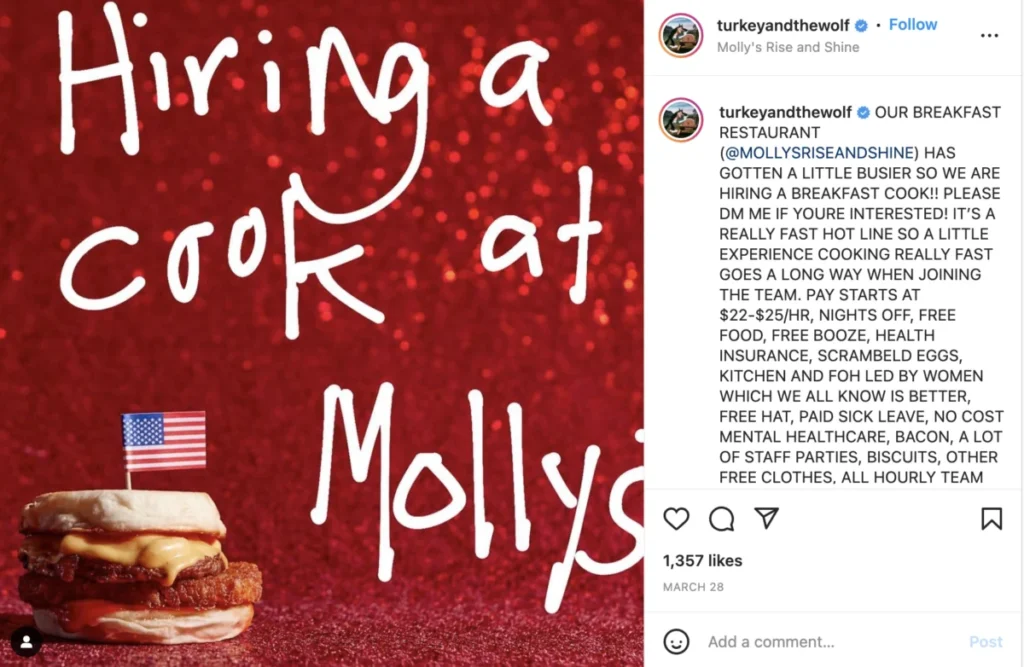
Finally, Molly’s Rise and Shine garnered attention for listing "unusual perks" that went beyond standard benefits, such as "free coffee and tea," "family meals," and "a positive work environment." While the specifics of these perks might seem minor, their explicit mention in the job ad signals a company that genuinely cares about employee well-being and offers a distinct, human-centric work experience. This differentiation is crucial in service industries where staff retention is often a challenge.
Key Elements for Crafting Catchy Job Postings
To create job postings that truly resonate, organizations must integrate several strategic elements:
- Engaging Headlines: A compelling headline is the initial hook. Instead of generic titles, use phrases like "Join our team of innovators and change-makers" or "Want to love Mondays? Join our fun team," which speak to aspirations and common pain points.
- Clear, Narrative Job Descriptions: Move beyond bullet points to tell a story about the role, its impact, and the day-to-day experience. Use simple, conversational language, avoiding jargon to ensure accessibility.
- Compelling Benefits & Total Rewards: Clearly articulate not just salary, but comprehensive benefits, professional development opportunities, work-life balance initiatives, and any unique perks that enhance the employee value proposition.
- Authentic Company Culture Showcase: Use anecdotes, employee testimonials, and clear descriptions of company values. Highlight social initiatives and team activities to paint a vivid picture of the workplace.
- Multimedia Integration: Incorporate short videos (office tours, employee interviews), high-quality images, and infographics. Visuals significantly increase engagement and help candidates envision themselves in the role.
- Clear Calls-to-Action (CTAs): Guide applicants clearly on the next steps, whether it’s applying on a company website, submitting a resume, or attending a virtual event. Reduce friction in the application process.
- SEO Optimization: Integrate relevant keywords that job seekers use (e.g., "top talent," "career opportunity," specific skills) to improve visibility on job boards and search engines.
- Strategic Color Theory: Leverage visual design principles. Thoughtful use of color in ads can influence mood, draw attention to key information, and reinforce brand identity, ensuring a seamless visual experience.
- Interactive Elements: Consider QR codes for quick access to more information, quizzes that test alignment with company values, or even gamified application steps to enhance engagement.
- Human-Centric Requirements ("Scorecards"): Replace rigid "X years of experience" with descriptions that focus on skills, impact, and potential. For instance, instead of "five years of HTML proficiency," state, "Seeking an HTML expert who can generate art that speaks to the soul of our visual-obsessed audience." This approach is more inclusive and appealing.
- Multi-Channel Distribution: Distribute job postings across diverse platforms, including professional social media networks (LinkedIn), industry-specific job boards, university career portals, and even consumer-facing social media to reach a broader and more varied talent pool.
- Simplicity and Directness: While creativity is key, clarity remains paramount. Avoid overly complex language or metaphors that could obscure essential information. A thorough job analysis helps ensure all necessary details are included without overwhelming the reader.
The landscape of talent acquisition is continually evolving, driven by technological advancements and shifting candidate expectations. The strategic use of creative, authentic, and engaging job postings is no longer merely a trend but a fundamental component of effective recruitment. By prioritizing a candidate-centric approach that embraces innovation, humor, and clear communication, companies can not only attract a wider pool of qualified applicants but also strengthen their employer brand and foster a more inclusive hiring environment. Ensuring that these creative efforts do not inadvertently marginalize any group is crucial, underscoring the importance of tools like Ongig Text Analyzer, which helps identify and remove gender-coded or exclusionary language, thereby maximizing reach and promoting equitable opportunities. The future of talent acquisition lies in crafting messages that resonate deeply, invite engagement, and reflect the true value of both the role and the organization.






