
A recent survey by Kahoot! has illuminated a concerning trend in today’s professional landscape: a significant portion of office workers are experiencing profound feelings of disconnection. The study found that a staggering 39% of office workers feel disconnected on the job, with nearly one-third reporting that they often go an entire workday without speaking to a colleague. This data points to a growing crisis of loneliness within the workplace, a phenomenon with far-reaching implications for individual well-being, team performance, and overall organizational success.
The survey, which delved into the modern work environment, also highlighted generational and demographic disparities in these feelings of isolation. In 2025, Millennials emerged as the generation most susceptible to workplace loneliness, with one in five men and one in eight women indicating they have left a job specifically due to a lack of connection with their coworkers. Furthermore, research from the Harvard Graduate School of Education’s "Loneliness in America 2024" report indicates a correlation between income and loneliness, suggesting that those earning lower salaries are more prone to feeling isolated. This finding underscores the importance of paying close attention to frontline teams, who may be disproportionately affected by this trend.

It is crucial to understand that workplace loneliness is not solely defined by physical isolation. The absence of meaningful, quality relationships can lead to feelings of loneliness even when individuals are surrounded by others. An employee working in a busy retail environment, for instance, might feel more alone than a remote worker if they do not experience a sense of comfort or belonging among their colleagues. This nuanced understanding is vital for organizations seeking to address the issue effectively.
The Broader Impact of Loneliness on Communities and Workplaces
The ramifications of widespread loneliness extend beyond individual employees, impacting the social fabric of communities and the operational health of workplaces. Societies grappling with higher levels of loneliness often exhibit observable trends that affect the general population. While the specific details of these societal impacts are not elaborated upon in the initial findings, general research consistently links increased loneliness to a decline in social cohesion, reduced civic engagement, and a potential rise in mental health challenges across the population.
Within the professional sphere, the consequences are equally significant. When employees feel disconnected, their propensity to trust and collaborate diminishes. This erosion of trust can stifle innovation, hinder the unlocking of efficiencies, and lead to a less dynamic and productive work environment. Lonely employees are also more susceptible to adverse health outcomes, including increased sickness, burnout, and absenteeism. The lack of energy and motivation associated with loneliness can prevent individuals from performing at their peak, ultimately impacting the organization’s bottom line.

A report by Gallup reinforces this concern, finding that lonely employees are demonstrably less motivated and engaged. The study also reiterates that Millennials and managers are more likely to experience loneliness than other demographic groups within the workforce. This highlights a critical leadership challenge, as managers are often expected to foster a connected environment while potentially struggling with their own feelings of isolation.
The Return to Work Debate and its Connection to Loneliness
The findings on workplace loneliness have inevitably reignited discussions about the merits of returning to the office. While some might argue that a physical presence in the workplace naturally fosters connection, the data presents a more complex picture. Gallup’s research indicates that fully remote workers report higher levels of loneliness (25%) compared to the general workforce (16%). However, conversely, employees who work fully on-site report higher levels of burnout (29%) than their fully remote counterparts (24%).
This paradox suggests that neither a fully on-site nor a fully remote model inherently guarantees a solution to loneliness or its associated mental health impacts. The key appears to lie not in the physical location of work, but in the quality of the connections and the supportive environment fostered within the organization, regardless of its structure. Hybrid models, which offer a blend of in-office and remote work, may present opportunities to mitigate the downsides of both extremes, but their success hinges on intentional design and consistent effort to build community.

Strategic Approaches for Organizations to Combat Workplace Loneliness
Recognizing the pervasive nature of workplace loneliness, organizations are increasingly seeking proactive strategies to cultivate stronger connections and foster a more inclusive environment. The responsibility for addressing employee well-being is not falling solely on HR departments; managers, too, are acknowledging their role. A report titled "Building Human Workplaces" indicated that 71% of managers feel responsible for their team’s overall well-being. This shared sense of ownership is a crucial starting point for implementing effective solutions.
Enhancing Social Interaction in Meetings
One straightforward approach is to inject more social elements into routine meetings. Dedicating the first few minutes of regular team gatherings or one-on-one check-ins for informal conversation can provide employees with the permission and opportunity to share aspects of their lives beyond work. This simple act can significantly boost day-to-day connection. For instance, Ulteig, a client mentioned in the original findings, has implemented a program where employees are paired for informal chats to foster mutual understanding. Organizations can formalize such initiatives through structured pairing systems or simply encourage employees to schedule "connection" meetings with colleagues they don’t know as well.
Integrating Social Interactions into Digital Communication
In today’s digital-first work environment, a significant portion of daily interaction occurs through work chat platforms. Organizations can leverage these tools to build connections by intentionally introducing non-work-related topics or questions. This could involve posing engaging questions about upcoming summer blockbusters or, as demonstrated by one team, instituting "Would You Rather" Wednesdays, where employees choose between two often amusing or challenging scenarios. While managers can lead by example to ensure consistency, team members with creativity and enthusiasm can also champion these initiatives to maintain long-term engagement.
Promoting and Supporting Employee Resource Groups (ERGs)
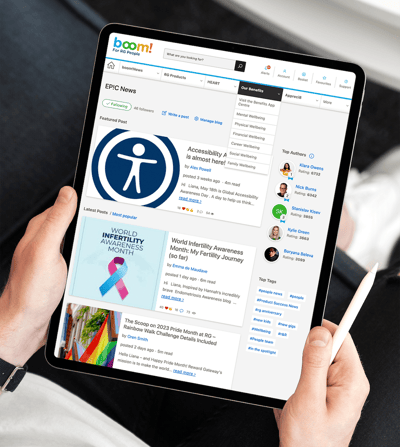
Employee Resource Groups (ERGs) offer a powerful avenue for individuals to connect with colleagues who share similar interests, backgrounds, or passions, extending beyond their immediate functional teams. These groups can be instrumental in fostering a sense of belonging, especially when they align with topics employees are deeply passionate about. Reward Gateway | Edenred, for example, has established various ERGs, including networks focused on Accessibility, Multiculturalism, Social Mobility, LGBTQIA+, Women’s Empowerment, and Wellbeing. Many organizations also support ERGs centered around hobbies like running, crafting, baking, or reading. When established and run by employees, these groups provide organic opportunities for connection and can be facilitated through dedicated platforms or communication channels.
Encouraging Commuter and Carpool Networks
Fostering connections among employees who share a commute can yield dual benefits: promoting sustainability and strengthening interpersonal bonds. Encouraging carpooling or organizing commuter groups for individuals traveling from the same towns or neighborhoods can support corporate social responsibility (CSR) goals while providing a built-in social network. Even for those using public transport, coordinating travel can ensure a friendly face on the journey. For employees who cycle to work, the formation of commuter groups can also offer a valuable support system, particularly in case of unexpected mechanical issues, as highlighted in a blog post on Edenred Benefits regarding Bike to Work Day.
Implementing Quarterly Challenges and Competitions
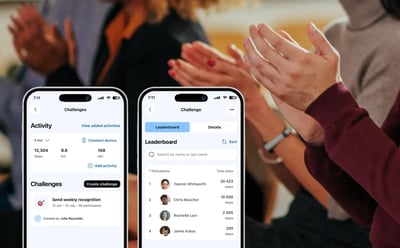
Engaging employees in shared activities through quarterly challenges or competitions can inject fun and deepen connections outside of typical work projects. Whether it’s a fantasy sports league, a bracket-style tournament, or a structured well-being challenge, these initiatives provide a common ground for lighthearted banter and camaraderie. Platforms like Reward Gateway’s well-being app often include chat features specifically designed to facilitate these kinds of interactions, allowing employees to connect over shared interests and friendly competition.
Streamlining and Promoting Employee Recognition
A culture of appreciation is a powerful antidote to feelings of isolation. When employees feel seen and valued for their contributions, it inherently strengthens their connections to their colleagues and the organization. The Workplace Wellbeing report indicated that 69% of employees believe their well-being would improve if they received more thanks. Organizations should actively encourage employees to acknowledge and praise great work, not only in private but also publicly on social feeds. This visibility allows for a broader understanding of accomplishments across the organization, helping to rebuild trust among those who may feel disconnected. For example, a common sentiment like "IT never responds to me" can evolve into a more empathetic understanding, such as "Our IT team is handling a significant workload, and I appreciate their efforts even if it takes a day for a response," when recognition stories are consistently highlighted. This passive yet positive reinforcement fosters a more connected and trusting environment.
The growing epidemic of workplace loneliness is a multifaceted challenge that demands a strategic and empathetic response from organizations. By implementing initiatives that foster genuine connection, encourage social interaction, and promote a culture of appreciation, businesses can not only mitigate the negative impacts of isolation but also cultivate a more engaged, innovative, and resilient workforce. The path forward requires a commitment to building human workplaces where every employee feels valued, supported, and truly connected.