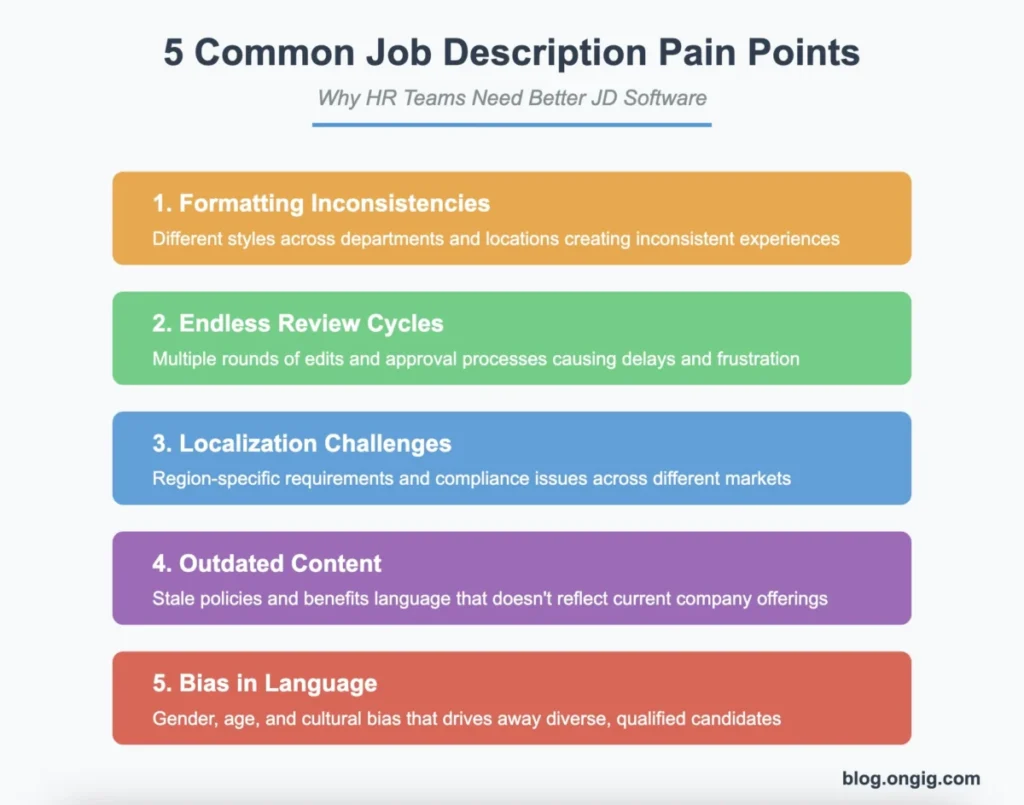
The modern talent acquisition landscape, marked by rapid technological advancements, evolving regulatory frameworks, and an intensified focus on diversity, equity, and inclusion (DEI), has propelled job description software from a niche utility to an indispensable strategic tool for human resources and recruitment teams globally. In 2026, the complexity of crafting job postings that are not only compliant and attractive but also free from unconscious bias and reflective of a company’s brand, necessitates sophisticated digital solutions. Manual processes are increasingly untenable, especially for organizations juggling numerous roles, operating across multiple jurisdictions, or striving for a truly equitable hiring process. The market has responded with a diverse array of platforms designed to streamline, enrich, and validate job descriptions at scale, addressing critical pain points that range from legal compliance to candidate experience.
The Evolving Role of Job Descriptions in a Dynamic Market
Historically, job descriptions (JDs) were often static, internally-focused documents, detailing responsibilities and qualifications with little consideration for their external impact. However, the digital age, coupled with shifts towards remote work and heightened social awareness, has transformed JDs into powerful marketing tools and critical compliance documents. By 2026, a job description is often a candidate’s first significant interaction with a potential employer, making its quality paramount. A poorly constructed JD can deter qualified applicants, perpetuate bias, or expose an organization to legal risks. Conversely, a well-crafted one can enhance employer brand, attract a diverse pool of top-tier talent, and significantly improve recruitment efficiency.
The journey to this current state has been gradual but accelerating. Early iterations of HR software offered basic template management. As the internet became the primary medium for job searching, the need for scannable, engaging content grew. The mid-2010s saw the emergence of tools focusing on readability and SEO for job postings. The true inflection point, however, arrived with the mainstreaming of AI and machine learning in the late 2010s and early 2020s, which enabled sophisticated bias detection and linguistic analysis. This technological evolution coincided with a global legislative push for pay transparency and stringent anti-discrimination laws, further cementing the strategic importance of specialized JD software.
Key Drivers for Adoption in 2026: Compliance, Equity, and Efficiency
Several interconnected factors are fueling the widespread adoption of advanced job description software in 2026:
- Regulatory Compliance: The landscape of employment law has become increasingly complex. Pay transparency mandates, which require employers to disclose salary ranges in job postings, have expanded significantly across states like California, New York, and Colorado in the United States, and similar directives are gaining traction in the European Union and other regions. Failure to comply can result in substantial fines and reputational damage. Job description software now incorporates features to automatically prompt for salary ranges and flag non-compliance. Furthermore, adherence to Equal Employment Opportunity (EEO) statements, compliance disclosures, and localized legal requirements is often automated, providing a critical layer of risk mitigation.
- Bias Mitigation and DEI Initiatives: The commitment to diversity, equity, and inclusion is no longer a peripheral concern but a core strategic imperative for most organizations. Unconscious bias in language can inadvertently deter certain demographic groups from applying. Advanced software leverages natural language processing (NLP) and machine learning to identify and suggest alternatives for gender-coded words, ageist terminology, or culturally exclusive phrases, thereby broadening applicant pools and fostering a more equitable hiring process. According to a 2025 report by the Global Talent Council, companies utilizing bias-detection software saw an average 15% increase in applications from underrepresented groups.
- Efficiency and Scalability: For large enterprises or fast-growing companies, managing hundreds or even thousands of job descriptions across various departments and geographies is a monumental task. Manual updates are prone to error and consume vast amounts of recruiter time. Job description software offers features like bulk editing, centralized content libraries, template management, and automated version control, dramatically improving efficiency. This allows talent acquisition teams to shift focus from administrative busywork to strategic talent engagement.
- Enhanced Candidate Experience: In a competitive talent market, the candidate experience is paramount. Clear, concise, and engaging job descriptions are crucial for attracting top talent. Software helps structure content into scannable formats, ensuring key information is easily accessible. By maintaining a consistent tone and brand voice, these tools contribute to a professional and inviting candidate journey, reducing abandonment rates and improving the quality of applications.
- Integration with the HR Tech Ecosystem: Modern HR departments operate with an integrated suite of technologies, including Applicant Tracking Systems (ATS), Human Resources Information Systems (HRIS), and Compensation Management platforms. Leading job description software solutions offer seamless integration with these systems, ensuring data consistency, eliminating duplicate entries, and streamlining workflows from JD creation to candidate application and offer.
Core Functionalities Defining the Market in 2026
The capabilities of job description software have matured considerably, offering a comprehensive suite of features:
- AI-Powered Bias Detection and Inclusive Language Suggestions: This is a cornerstone feature, identifying subtle biases in wording and recommending more neutral, inclusive alternatives.
- Tone Analysis and Brand Voice Consistency: Ensuring JDs align with the company’s desired tone (e.g., innovative, professional, collaborative) and maintaining brand consistency across all postings.
- Compliance Checklists and Flagging: Automated verification for essential elements like EEO statements, pay transparency disclosures, legal disclaimers, and local regulatory requirements.
- Structured Content Formatting: Guiding users to organize JDs into clear, scannable sections (e.g., responsibilities, qualifications, benefits, company culture).
- Centralized Template Libraries: Providing pre-approved templates for various roles, ensuring consistency and accelerating creation.
- Bulk Editing and Management: Allowing HR teams to update multiple JDs simultaneously, a crucial feature for large organizations.
- Approval Workflows: Implementing multi-stage approval processes to ensure JDs are reviewed by relevant stakeholders (hiring managers, legal, compensation) before publishing.
- ATS/HRIS Integration: Seamless connectivity with existing HR technology stacks to synchronize data and streamline the hiring process.
- Analytics and Insights: Providing data on JD performance, such as readability scores, bias levels over time, and the impact of specific language choices on application rates.
Navigating the Market: A Look at Leading Job Description Software Platforms in 2026
The market for job description software is robust and diverse, with solutions tailored to different organizational needs and scales. Here’s an overview of prominent players as of 2026:
- Ongig’s Text Analyzer: Positioned as a comprehensive solution, Ongig excels in combining sophisticated bias detection with robust pay transparency compliance. It offers bulk editing, custom templates, and ATS integration, making it ideal for large talent acquisition teams seeking scalable, inclusive, and on-brand job descriptions. Its pricing model, starting around $13,900/year, reflects its enterprise-grade capabilities, though discounts for non-profits and smaller organizations are available. A 7-day trial and custom demos underline its commitment to client engagement.
- Textio: A pioneer in augmented writing for HR, Textio remains a strong contender for teams prioritizing inclusive and brand-aligned language. Its advanced AI analyzes language patterns to predict job post performance and suggests optimized phrasing. While it lacks explicit pay transparency features, its core strength lies in linguistic analysis. Textio primarily serves enterprise clients with custom pricing models and offers demos rather than free trials.
- Datapeople: This platform focuses on JD consistency and insights, making it suitable for companies with distributed teams. It offers bias detection, tone analysis, and helps teams catch inconsistencies early, driving higher conversion rates. Datapeople provides custom quotes and demos, emphasizing its analytical dashboard and collaborative features.
- JobArchitect (by Salary.com): For organizations where compensation alignment and job leveling are paramount, JobArchitect is a specialized solution. It integrates job content directly with pay structures, aiding compensation and HR teams in benchmarking and governance. Its pricing starts around $5,000/year, catering to organizations with a strong focus on compensation management.
- ChatGPT + JD Prompts: Representing the democratization of AI, ChatGPT (especially the GPT-4 tier at $20/month, with a free GPT-3.5 version) offers a highly accessible entry point for small teams or solo recruiters. While it can generate first drafts and assist with editing, its generalist nature means it requires careful prompting and human oversight for compliance and specific bias detection, lacking the specialized guardrails of dedicated platforms.
- JDXpert: This platform targets HR teams requiring rigorous approval workflows, auditing capabilities, and version history, making it well-suited for highly regulated industries. It provides robust templates and bulk editing, starting around $10,000/year, depending on seats and the number of JDs managed.
- Applied: Distinguished by its focus on unbiased hiring throughout the entire funnel, Applied offers JD writing tools that complement its broader anonymized application and assessment features. Its pricing, starting around £3,500/year (~$4,300 USD), caters to organizations deeply committed to reducing bias beyond the initial job description.
- RoleMapper: Geared towards large enterprises and public sector organizations, RoleMapper provides a governed, audit-ready approach to job descriptions within a broader job architecture framework. It emphasizes workforce planning and data accuracy, offering custom pricing based on company size.
- MoshJD: This platform centralizes job description inventory, offering built-in templates and pay benchmarking. It focuses on governance and accuracy across job records, aiming to be a modern alternative to legacy tools. Its unique pricing model, starting at $0.00/month for basic features, makes it accessible, with advanced features likely under a custom quote.
- Workable: As an integrated Applicant Tracking System (ATS), Workable provides JD writing capabilities as part of its broader hiring platform. It’s an excellent choice for growing teams seeking to combine recruitment management with basic JD creation tools, starting at $299/month, and includes a free trial.
Implications and the Future Outlook
The proliferation and sophistication of job description software in 2026 signify a pivotal shift in how organizations approach talent acquisition. For recruiters, these tools free up valuable time from repetitive tasks, allowing them to engage more strategically with candidates and hiring managers. For candidates, the outcome is more transparent, inclusive, and relevant job postings, leading to a better initial impression and a more positive application experience.
However, challenges remain. The cost of advanced enterprise solutions can be a barrier for smaller businesses. Integration complexities with existing legacy systems can also pose hurdles. Moreover, while AI is powerful, human oversight remains crucial to ensure accuracy, nuance, and genuine alignment with organizational culture.
Looking ahead, the market is poised for further innovation. Deeper integration with predictive analytics could allow organizations to not only optimize JDs for bias and compliance but also for predicted performance and retention. The convergence of JD software with internal talent marketplaces and learning & development platforms could also create a seamless ecosystem for career pathing and upskilling within organizations. As the talent landscape continues its rapid evolution, job description software will remain at the forefront, empowering organizations to attract, engage, and retain the best talent in an increasingly competitive and complex world.