Updated January 30, 2026

Modern organizations are increasingly recognizing the critical role of evidence-based performance management strategies in fostering employee engagement, ensuring strategic alignment, and driving sustainable growth. Companies that implement effective performance management systems are demonstrably outperforming their peers, exhibiting a 2.5 times greater likelihood of superior financial performance and enhanced employee retention. This reality underscores a fundamental shift in how businesses approach human capital, moving from reactive appraisal to proactive development and strategic alignment. Whether refining existing processes or architecting entirely new frameworks, understanding and applying best practices in performance management is paramount for HR leaders, managers, and employees to thrive collaboratively. Without a clear strategic direction and the right technological enablement, performance management initiatives risk low adoption rates, ultimately leading to underperformance and missed organizational objectives.
The Foundational Importance of Performance Management
At its core, performance management serves as the crucial link between individual contributions and overarching organizational success. It provides a structured methodology for setting clear expectations, meticulously measuring progress, and optimizing performance outcomes across all roles and departments. This structured approach is not merely an administrative function; it is a strategic imperative for nurturing employee growth, cultivating future leaders, and reinforcing a robust organizational culture.
The benefits of a well-defined performance management system are far-reaching. Organizations that adopt consistent and structured performance management practices can expect:
- Enhanced Employee Engagement: When employees understand how their work contributes to the bigger picture and receive regular, constructive feedback, their sense of purpose and connection to the organization deepens.
- Improved Productivity and Efficiency: Clear goals and regular progress tracking enable individuals and teams to focus their efforts on high-impact activities, leading to increased output and optimized resource utilization.
- Development of Future Leaders: Identifying high-potential employees and providing them with targeted development opportunities through performance management processes ensures a pipeline of capable leaders for the future.
- Stronger Organizational Culture: A fair, transparent, and feedback-rich performance management system fosters a culture of trust, accountability, and continuous improvement, positively impacting the overall employee experience.
- Increased Retention Rates: Employees who feel valued, supported, and see clear pathways for growth are more likely to remain with their organizations, reducing costly turnover.
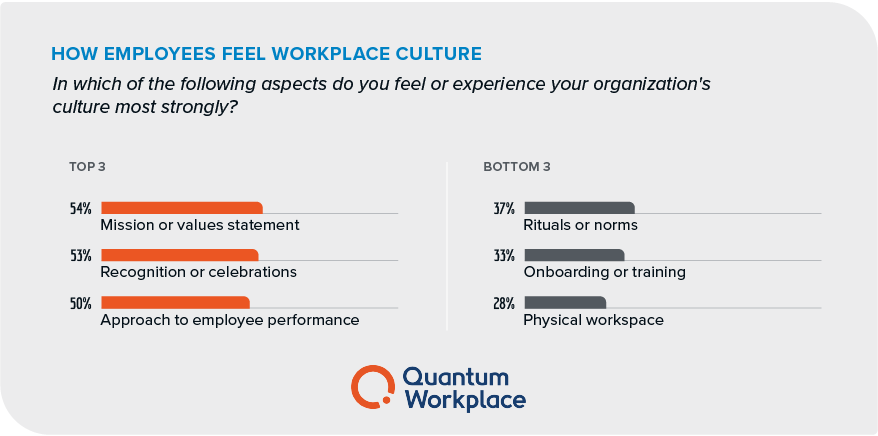
Research consistently highlights the profound impact of performance management on organizational culture. In fact, studies indicate that a significant portion of employees, approximately 50%, perceive their organization’s culture most strongly through its approach to performance management. This direct correlation emphasizes that how an organization manages performance is a powerful indicator of its values and priorities.

Evolving Best Practices in Performance Management
The landscape of performance management is continually evolving, driven by technological advancements, changing workforce demographics, and a deeper understanding of human motivation. Contemporary best practices emphasize a move away from traditional, annual review cycles towards more dynamic, continuous, and employee-centric approaches.
1. Collaborative Goal Setting and Dynamic Revision:
The foundation of effective performance management lies in clear, well-defined goals. Modern strategies advocate for collaborative goal setting, where employees are actively involved in defining their objectives. This fosters a sense of ownership, enhances clarity, and boosts engagement. Furthermore, goals should not be static. Regular reviews, ideally quarterly or even monthly, allow for agile adjustments to align with shifting business priorities and market conditions. HR professionals can facilitate this by encouraging managers to co-create goals that resonate with both individual aspirations and organizational objectives, using frameworks like OKRs (Objectives and Key Results) or SMART goals to ensure measurability and focus.
- HR Tip: Implement regular, structured touchpoints for goal review and revision to maintain relevance and agility.
2. Continuous Feedback and Open Communication:
The era of the annual performance review as the sole feedback mechanism is rapidly fading. It is being replaced by a culture of continuous feedback and ongoing communication. Regular one-on-one meetings between managers and employees are crucial for fostering trust, providing timely guidance, and addressing challenges proactively. Feedback should be specific, actionable, and delivered close to the performance event to maximize its impact. Moreover, the feedback loop must be two-way, encouraging employees to share their perspectives and concerns with managers. This fosters psychological safety and mutual respect.
- HR Tip: Standardize the cadence of one-on-one meetings across the organization and develop manager toolkits for structured, constructive feedback delivery.
3. Managerial Enablement and Bias Mitigation:
Managers play a pivotal role in the success of any performance management strategy. It is imperative to equip them with the necessary skills and tools to lead effective performance conversations. This includes training on active listening, coaching techniques, and, critically, bias awareness and mitigation. Cognitive biases can inadvertently influence evaluations, leading to unfair assessments and undermining trust. Implementing calibrated review processes and embedding bias awareness modules into leadership development programs are essential steps.
- HR Tip: Invest in robust manager enablement programs that focus on feedback, coaching, motivation, and empathy.
4. Personalized Development and Meaningful Recognition:
Performance management should not solely focus on evaluation but also on development and recognition. Individualized growth and development strategies are key to fostering engagement and retaining top talent. This involves integrating skill-building discussions into performance conversations and providing employees with learning opportunities and challenging stretch assignments. Recognition, when timely and authentic, reinforces desired behaviors and boosts morale. Leveraging peer-to-peer recognition platforms can ensure consistent reinforcement of positive contributions.
- HR Tip: Utilize employee data to craft personalized career pathways and align learning goals with review outcomes.
5. Systemic Integration and Cultural Alignment:
An effective performance management system is not an isolated HR function; it is deeply embedded within the organizational culture and supported by user-friendly technology. Continuous performance management conversations should become part of daily workflows, promoting scalability and consistency. Employees should be actively involved in the process, from design to feedback loops, fostering accountability. Technology plays a crucial role here, with intuitive performance management platforms streamlining administrative tasks and providing real-time insights. Ultimately, performance management thrives in an environment of trust, fairness, and transparency, championed by leadership that models these behaviors.
- HR Tip: Regularly audit performance outcomes for bias and ensure Diversity, Equity, and Inclusion (DEI) principles are embedded throughout the performance management lifecycle.
The Transformative Power of Technology
The effectiveness of performance management strategies is significantly amplified by the strategic adoption of technology. As highlighted by recent industry data, a substantial majority of HR leaders (81%) are actively re-evaluating or overhauling their performance management systems. This shift is driven by the limitations of traditional methods and the opportunities presented by modern HR technology.
Performance management software offers a suite of integrated tools designed to support best practices:
- Goal Management Software: Enables the clear articulation, tracking, and elevation of individual and team goals, ensuring alignment with broader organizational objectives. This transparency allows every employee to understand their contribution to the "big picture."
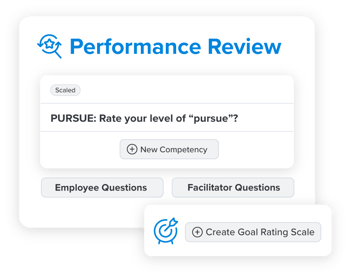
- Performance Review Software: Streamlines the evaluation process, facilitating frequent and consistent performance habits critical for employee success. It simplifies the collection of feedback and supports data-driven assessments.
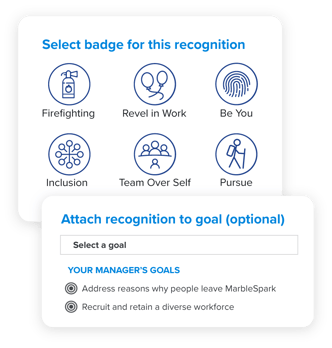
- Employee Recognition Tools: Empower individuals across the organization to celebrate each other’s achievements. Effective tools link recognition to core values and strategic goals, motivating continued high performance.
- One-on-One Meeting Software: Facilitates more effective and frequent employee-manager conversations, enhancing clarity, communication, and the integration of goals and feedback. These platforms make it easier to launch and document these crucial discussions.
- Two-Way Feedback Solutions: Promote a culture of continuous improvement by enabling employees and managers to solicit and provide feedback flexibly. This fosters growth and strengthens the manager-employee relationship.
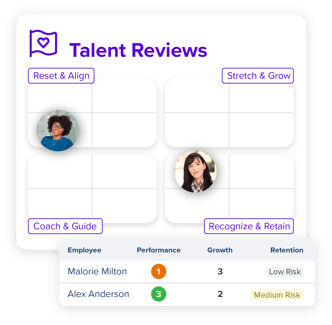
- Talent Review Tools: Provide leaders with a consolidated view of their talent pool, enabling strategic people decisions. These tools help identify high performers, assess talent risks, and plan for future workforce needs.
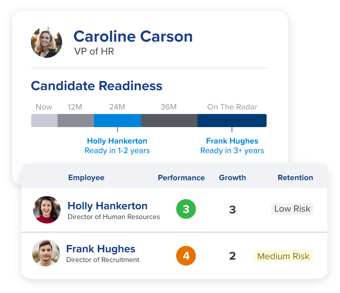
- Succession Planning Software: Equips leaders with the capabilities to plan for future leadership needs by identifying and developing potential successors. These platforms track successor interest and readiness, ensuring organizational continuity.
The integration of AI-driven insights within these platforms is a significant development. AI can help reduce subjectivity in evaluations, generate real-time performance analytics, and provide data-informed recommendations for managers, thereby enhancing the objectivity and effectiveness of performance discussions.
Building an Effective Performance Management Strategy: A Five-Step Framework
Constructing a robust and effective performance management strategy requires a structured, phased approach. This framework emphasizes the interconnectedness of design, feedback, and measurable outcomes to foster a strong alignment between individual efforts and organizational goals.
- Assess Needs and Define Objectives: The foundational step involves a thorough analysis of current performance gaps, identifying areas for improvement, and establishing clear, measurable success criteria. This requires HR to leverage data from employee engagement surveys, turnover metrics, and productivity benchmarks to inform strategic goal setting.
- Engage Stakeholders and Secure Buy-In: Early and continuous engagement with all stakeholders—including senior leadership, managers, and employees—is crucial. Securing buy-in ensures that the performance management strategy is perceived as a company-wide initiative rather than an HR-imposed process, increasing its likelihood of adoption and success.
- Design a Tailored Performance Management Framework: The framework should be customized to fit the specific size, culture, and operational needs of the organization. This may involve adapting feedback cycles, refining evaluation criteria, and evolving goal alignment models to ensure that the data collected yields the most valuable insights.
- Select Appropriate Processes and Tools: The selection of performance management tools should align with the diverse needs of different teams and roles within the organization. Prioritizing platforms with advanced customization, intuitive user interfaces, and seamless integration with existing HR systems is essential. The rapid advancements in AI analytics make employee engagement platforms that leverage these capabilities particularly valuable for making management data accessible and actionable.
- Iteratively Adjust Strategies Based on Data and Feedback: Performance management is not a static process. Regular review of the strategy, informed by performance metrics and ongoing employee feedback, is critical for continuous improvement. This iterative approach ensures that the system remains relevant, sustainable, and effective in a dynamic workforce environment.
In conclusion, the strategic implementation of performance management is no longer an option but a necessity for organizations aiming to achieve sustained success. By embracing evidence-based practices, leveraging technological advancements, and fostering a culture of continuous improvement, companies can unlock the full potential of their workforce, driving both individual growth and collective achievement.