
The landscape of corporate India witnessed a pivotal moment with the debut of the Happiest Places to Work® Awards, an initiative by House of Cheer, held at the prestigious JW Marriott in Juhu, Mumbai. This inaugural ceremony distinguished itself from conventional award functions by focusing intently on the intrinsic value of employee well-being and a truly positive organizational culture. Far from a mere recognition event, it served as a robust platform celebrating companies that have transcended traditional HR paradigms to foster environments where employees genuinely feel motivated, trusted, included, and valued. The event underscored a growing understanding that workplace happiness is not merely a perk but a fundamental driver of sustainable business success and societal progress, setting a new, aspirational benchmark for organizations nationwide.
Evolving Workplace Dynamics: A Strategic Imperative for India
In recent years, the global corporate sphere has undergone a profound transformation, moving beyond a sole emphasis on financial metrics to increasingly prioritize human capital and employee experience. This shift is particularly pertinent in India, a rapidly developing economy with a vast and diverse workforce. Concepts such as employee engagement, psychological safety, belonging, and well-being have transitioned from niche HR discussions to strategic imperatives for C-suite executives. The advent of remote and hybrid work models, amplified by global health crises, further accelerated this evolution, forcing organizations to re-evaluate how they attract, retain, and empower their talent effectively.
Research consistently demonstrates a strong correlation between employee happiness and key business outcomes. For instance, studies by global analytics firms have repeatedly shown that highly engaged teams exhibit significantly greater profitability, higher productivity, and considerably lower absenteeism and turnover rates. In India, where the talent market is increasingly competitive, companies are grappling with challenges like the "Great Resignation" and "Quiet Quitting," phenomena that highlight a workforce seeking more than just compensation – they demand purpose, recognition, a supportive work environment, and a strong Employee Value Proposition (EVP). A recent LinkedIn survey, for example, highlighted that approximately 75% of Indian professionals consider company culture a significant factor when evaluating job offers, marking a profound shift from previous generations’ priorities. Furthermore, the cost of employee turnover in India can range from 30% to 150% of an employee’s annual salary, depending on the role, making retention through positive culture a significant financial advantage.
Against this backdrop, initiatives like the Happiest Places to Work® Awards emerge as critical catalysts. They provide a benchmark and a beacon for organizations committed to cultivating thriving, human-centric cultures. By validating the premise that a genuinely happy workforce is not just an ethical aspiration but a powerful strategic advantage, these awards also align with the growing global emphasis on Environmental, Social, and Governance (ESG) criteria, particularly the "Social" component which encompasses employee welfare and engagement.
A Ceremony Defined by Dignity and Authentic Connection
The inaugural Happiest Places to Work® Awards ceremony, which commenced precisely at 7:30 PM, eschewed the typical lengthy speeches and elaborate, often superfluous, theatrics that characterize many corporate events. Instead, the evening at the JW Marriott, Juhu, Mumbai, was meticulously curated to be crisp, classy, and dignified. The focus remained firmly on the achievements of the recognized organizations and the people who drive their success. This deliberate pacing ensured that each winner received their moment of well-deserved pride and recognition without undue delay or distraction, allowing the spotlight to shine purely on their accomplishments.
The gathering itself was intentionally kept small and intimate, a refreshing departure from large, often impersonal, industry events. This deliberate choice fostered an atmosphere conducive to genuine interaction, allowing senior business and HR leaders to connect meaningfully, exchange innovative ideas, and network in a relaxed and collegial setting. Discussions ranged from sharing best practices in talent management to debating future trends in employee engagement and the impact of artificial intelligence on the workforce. Conversations flowed freely, marked by authentic camaraderie and a shared commitment to advancing positive workplace cultures. This intimate environment, far from diminishing the prestige of the awards, amplified the sense of community and shared purpose among the attendees. It was, by all accounts, an evening imbued with a palpable sense of happiness, reflecting the very ethos the awards sought to celebrate.
House of Cheer: A Host Practicing Its Philosophy
A particularly noteworthy aspect of the event was the evident commitment of the host, House of Cheer, to embody the very principles it champions. As an organization dedicated to fostering positive human experiences, House of Cheer’s mission is rooted in the belief that happiness, belonging, and recognition are not abstract ideals but actionable components of thriving communities and workplaces. The team behind the Happiest Places to Work® Awards went to considerable lengths to ensure guests felt comfortable and genuinely at home. From the warm, personal welcome extended upon arrival to the attentive care provided throughout the evening, there was a palpable and genuine effort to create an atmosphere of warmth and cheer. This dedication to hospitality and guest experience resonated deeply with the organization’s name, demonstrating a sincere belief in the power of positive human interaction. This commitment to living their values reinforced the authenticity and credibility of the awards themselves, setting a high standard not just for the recipients but also for the organizers. It showcased that a truly "happy place" starts from within, extending outwards to every interaction and experience.
Celebrating India’s People-First Organizations: A Rigorous Evaluation Process
At its core, the Happiest Places to Work® Awards are dedicated to identifying and celebrating organizations across India that have moved beyond superficial policies, standard perks, and generic workplace slogans. The awards recognize those that have successfully cultivated deeply ingrained cultures where employees are not just present but are genuinely motivated, feel a profound sense of trust, are actively included, and are consistently valued for their contributions. This commitment to a people-first philosophy distinguishes the recognized entities as true leaders in progressive human capital management.
The evaluation methodology employed for these awards is remarkably comprehensive and goes far beyond a mere self-declaration or standard certification process. Winners were rigorously assessed using multiple, convergent sources of evidence, ensuring a holistic and accurate representation of their workplace culture. This multi-faceted approach included:
- Employee Happiness Dialogue Results: Direct feedback and insights gathered from employees themselves, providing an unvarnished view of their experiences, perceptions of fairness, and opportunities for growth.
- Sentiment Analysis: Advanced analytical techniques applied to employee feedback (from surveys, internal communications, etc.) to discern underlying sentiments and perceptions regarding leadership, work-life balance, and organizational support.
- External Feedback: Perspectives gathered from stakeholders outside the immediate organization, such as vendors, partners, or customers, offering an objective viewpoint on the company’s culture.
- Detailed Culture Audit of Workplace Initiatives: An in-depth examination of an organization’s policies, programs, and practices designed to foster a positive work environment, including diversity and inclusion initiatives, learning and development programs, and recognition systems.
A distinguished jury, chaired by Harsh Goenka, Chairman of RPG Group, lent significant gravitas and expertise to the evaluation process. The jury comprised a formidable cross-section of India’s business and HR leadership, including Achal Khanna, Harit Nagpal, Sunita Rebecca Cherian, Pushp Kumar Nayar, Pavitra Singh, Nitu Bhushan, and Dr. Prajjal Saha. This diverse panel brought together decades of experience and deep insights into organizational dynamics and human resources, ensuring a thorough and unbiased assessment.
Chairperson Harsh Goenka, reflecting on the rigorous process, commented, "The depth of commitment demonstrated by participating organizations was truly inspiring. Our multi-faceted evaluation ensured that only those genuinely embedded with a culture of trust and value for their people received this recognition. It’s about building sustainable, humane workplaces for India’s future."
The jury meticulously examined submissions for their breadth, consistency, and innovation, scrutinizing how effectively organizations supported and engaged employees across different stages of their workplace journey, from onboarding to professional development and retention. The final rankings were determined by combining robust Culture Audit scores with carefully calculated Happiness Quotients, providing a quantitative and qualitative measure of organizational excellence in employee well-being. This rigorous, multi-layered approach ensures that the "Happiest Places to Work®" designation is a true testament to an organization’s commitment to its people.
Announcing the Trailblazers: Winners Across Diverse Categories
The eagerly anticipated segment of the evening saw the announcement of organizations that have truly distinguished themselves in fostering exemplary workplace cultures. The awards were presented across six distinct enterprise categories, acknowledging the unique challenges and dynamics faced by companies of varying sizes, from nimble startups to expansive multinational corporations.
Enterprise Category Winners:
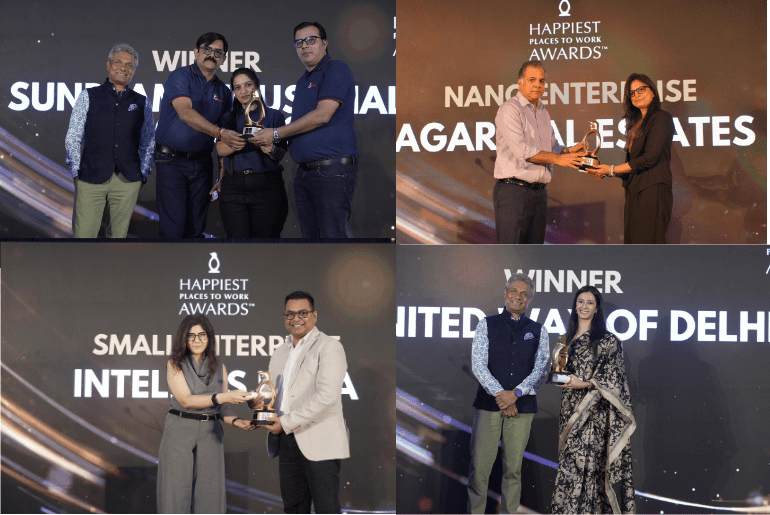
- Nano Enterprise: Agarwal Estates – Recognized for cultivating a nurturing and empowering environment even within its compact operational framework, demonstrating that size is no barrier to fostering happiness.
- Micro Enterprise: The Red Pen – Honored for demonstrating exceptional employee satisfaction and a vibrant culture despite its smaller scale, showcasing agility and personalized engagement.
- Small Enterprise: Intellias India – Celebrated for its impactful initiatives that promote engagement and growth within its expanding team, proving that rapid growth can be coupled with strong cultural foundations.
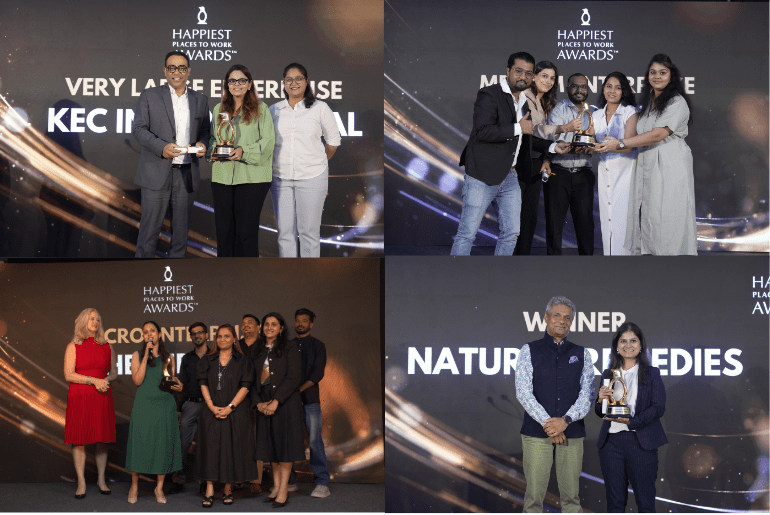
- Medium Enterprise: Midday – Acknowledged for successfully balancing growth with sustained employee well-being and a positive atmosphere, a critical achievement in dynamic sectors.
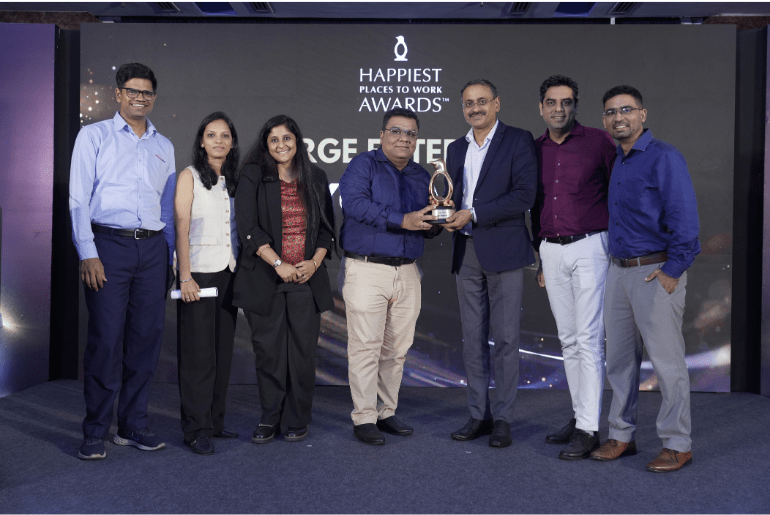
- Large Enterprise: Raychem RPG – Commended for its comprehensive approach to employee experience across a significant workforce, setting a high standard for established corporations.
- Very Large Enterprise: KEC International – Awarded for setting a benchmark in fostering happiness and strong culture within its extensive global operations, highlighting the complexity of maintaining culture at scale.
Beyond the enterprise categories, four Special Jury Awards were also presented, highlighting organizations that demonstrated exceptional prowess in specific aspects of workplace culture, showcasing innovative and impactful practices that deserve distinct recognition.
Special Jury Award Winners:
- Best Learning and Growth Culture: Natural Remedies – Recognized for its outstanding commitment to fostering continuous learning, skill development, and career progression among its employees. This award underscores the critical role of professional development in employee satisfaction and retention, creating a future-ready workforce.
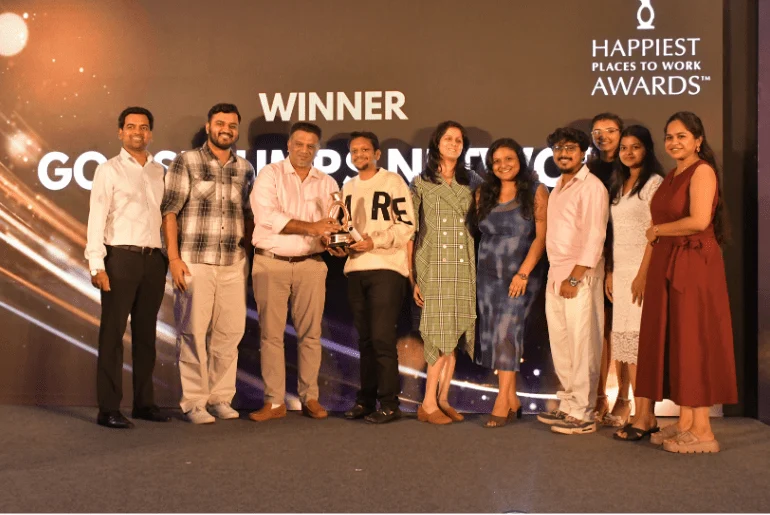
- Most Innovative Initiative: Goosebumps Network – Honored for pioneering a uniquely creative and effective program that significantly enhanced employee engagement or well-being, demonstrating a forward-thinking approach to workplace dynamics that breaks conventional molds.
- Most Inclusive Workplace: United Way of Delhi – Celebrated for its exemplary efforts in creating an environment where diversity is not just acknowledged but actively embraced, ensuring all employees feel a strong sense of belonging and equity, regardless of background. This organization serves as a model for true belonging.
- Best Recognition Program: Sunbeam Industrial Products – Awarded for establishing a highly effective and meaningful system for acknowledging and appreciating employee contributions, which is crucial for motivation, morale, and reinforcing positive behaviors.
Each deserving winner proudly took home the Golden Penguin, the distinctive symbol of the Happiest Places to Work® Awards. This emblem was carefully chosen to represent the core values of the initiative: happiness, togetherness, and camaraderie – qualities that are essential for any thriving organization. The Golden Penguin stands as a powerful reminder of the collective effort and positive spirit that underpins truly happy workplaces. A spokesperson from KEC International, accepting the Very Large Enterprise award, remarked, "This Golden Penguin is a testament to every single employee at KEC International. It validates our continuous efforts to create an inclusive, supportive, and growth-oriented environment. We believe that a happy workforce is the cornerstone of innovation and long-term success."
Beyond the Trophy: The Strategic Imperative of Workplace Happiness
The timing of the Happiest Places to Work® Awards could not be more opportune. In the contemporary business landscape, the concept of workplace culture has dramatically evolved, transcending its traditional confines as a mere HR departmental agenda item. Today, elements such as employee experience, trust, a sense of belonging, meaningful recognition, and holistic well-being are not just desirable traits; they are increasingly recognized as critical strategic differentiators. These factors are now pivotal in an organization’s ability to effectively attract top-tier talent, ensure high retention rates, and sustain robust employee engagement in an ever-competitive global market.
The Happiest Places to Work® Certification itself is a testament to this evolving understanding. It is meticulously constructed upon principles derived from neuroscience, aiming to quantitatively and qualitatively measure the authentic drivers of motivation, trust, and belonging within a professional setting. This scientific foundation ensures that the assessment goes beyond anecdotal evidence, delving into the psychological underpinnings of employee satisfaction, such as psychological safety, autonomy, mastery, and purpose. A distinctive feature of the certification is its innovative gamified approach, which is ingeniously designed to transform the often-tedious process of employee feedback into an experience that feels more like thoughtful reflection rather than a burdensome reporting exercise. This enhances participation, reduces survey fatigue, and yields more genuine insights into the employee experience. Furthermore, the certification’s broad accessibility, now available in 18 languages, underscores its commitment to inclusivity, enabling organizations across diverse geographical regions and cultural contexts within India and globally to involve their entire workforce in the assessment process. This widespread availability ensures that the principles of workplace happiness can be measured and fostered on a truly inclusive scale.
Implications and the Future Landscape of Indian Workplaces
The inaugural Happiest Places to Work® Awards represent more than just a collection of accolades; they signify a crucial milestone in the journey towards redefining corporate excellence in India. By shining a spotlight on organizations that prioritize their people, these awards establish a new benchmark for workplace culture across the nation. This initiative is poised to significantly influence corporate strategies, encouraging more companies to invest in creating environments where employees can flourish both professionally and personally.
The broader implication is a systemic shift away from purely transactional employment models towards more empathetic, human-centric approaches. As more organizations aspire to earn such recognition, we can anticipate a ripple effect across industries, leading to enhanced employee benefits, more flexible work arrangements, greater emphasis on mental health and well-being, and a renewed focus on diversity, equity, and inclusion (DEI). This evolution is not just beneficial for employees; it also has profound economic advantages. Companies with high employee satisfaction often report lower turnover costs, increased innovation, superior customer service, and stronger employer branding, translating directly into improved financial performance and long-term sustainability. The awards, therefore, serve as a powerful incentive for corporate India to embrace these progressive practices, fostering a more dynamic, resilient, and humane economy, ultimately enhancing India’s standing as a global employer of choice.
A Vision for an Annual Celebration of Excellence
The most enduring takeaway from the inaugural evening was its inherent simplicity and profound authenticity. There was a deliberate and successful effort to prevent the concept of "workplace happiness" from devolving into yet another fleeting corporate buzzword. Instead, the evening was a genuine celebration of organizations that are not just talking about happiness, belonging, and recognition but are actively striving to make these values a tangible, lived experience for their people every single day. This focus on practical implementation and real-world impact underscored the integrity of the awards.
The inaugural Happiest Places to Work® Awards unequivocally marked the beginning of what House of Cheer envisions as an annual, eagerly anticipated celebration. This yearly event aims to consistently recognize and laud organizations that are courageously raising the bar for workplace culture across India, inspiring others to follow suit. If the exceptional warmth, the sincere intimacy, and the overwhelmingly positive spirit that characterized this first edition are any indication, then these awards have undoubtedly commenced on an exceptionally happy and promising note, setting a formidable precedent for future iterations and solidifying their place as a








